Biggest discounts, free games, and limited-time offers across every major gaming store.
Never pay full price again.
Overview
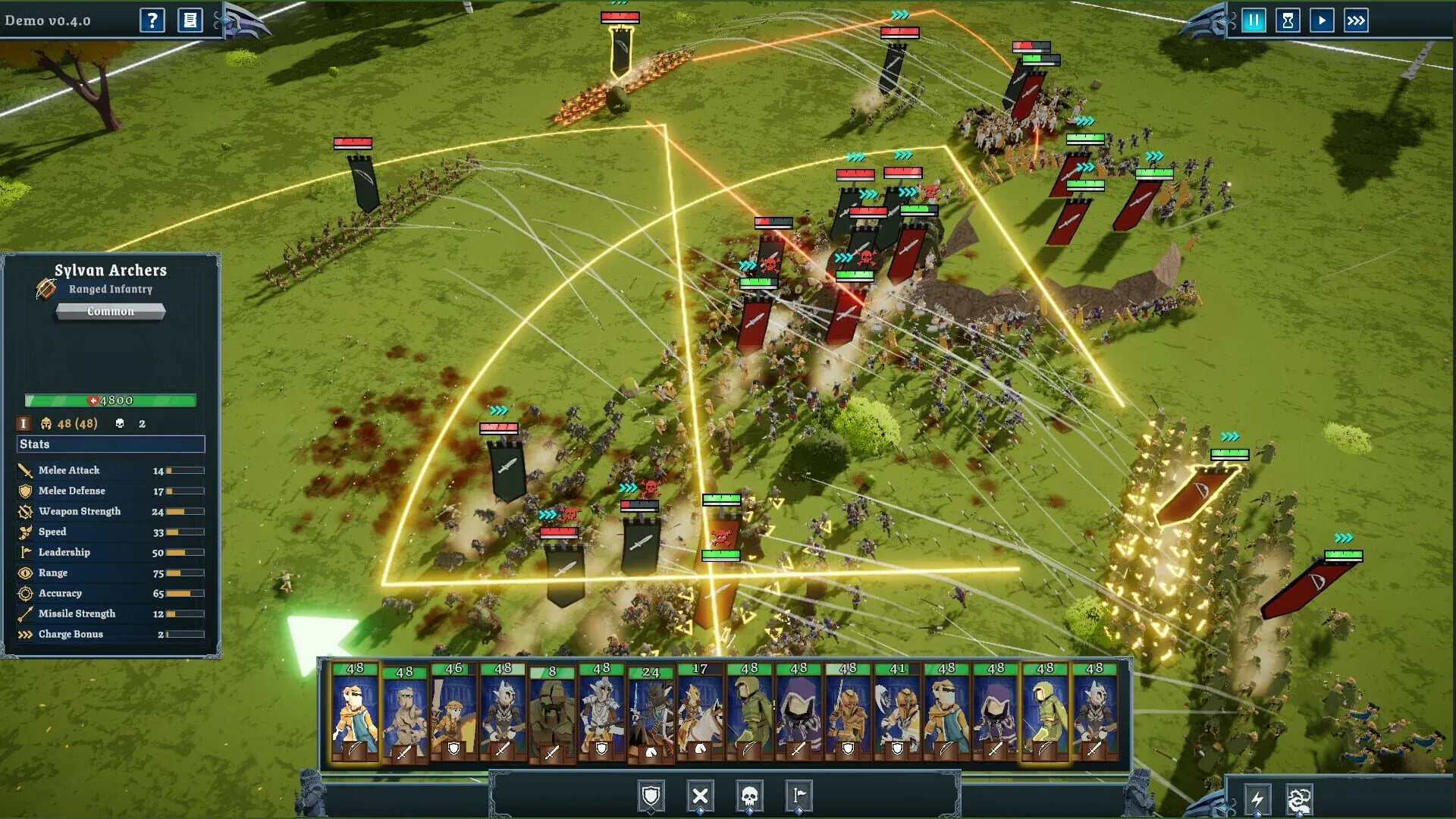
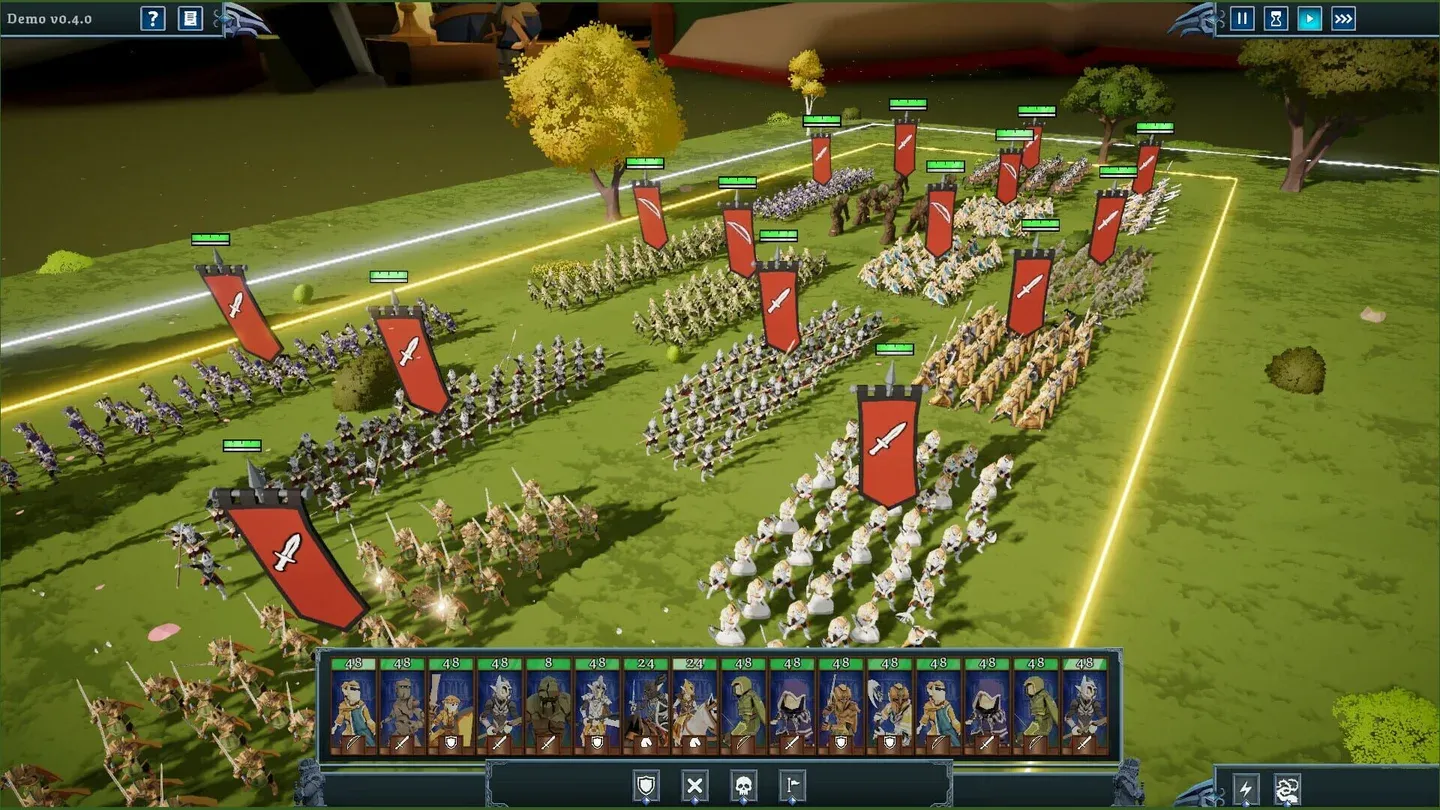
Tabletop Tavern is a real-time strategy roguelike published by Frostbloom, released on June 11, 2026, for Windows via Steam. The premise is deceptively simple: build a mercenary warband, take them into battle on a chaotic tabletop-styled battlefield, and survive wave after wave of goblin hordes. What keeps runs feeling distinct is the combination of real-time combat decisions and roguelike build variance, where no two attempts play out the same way.
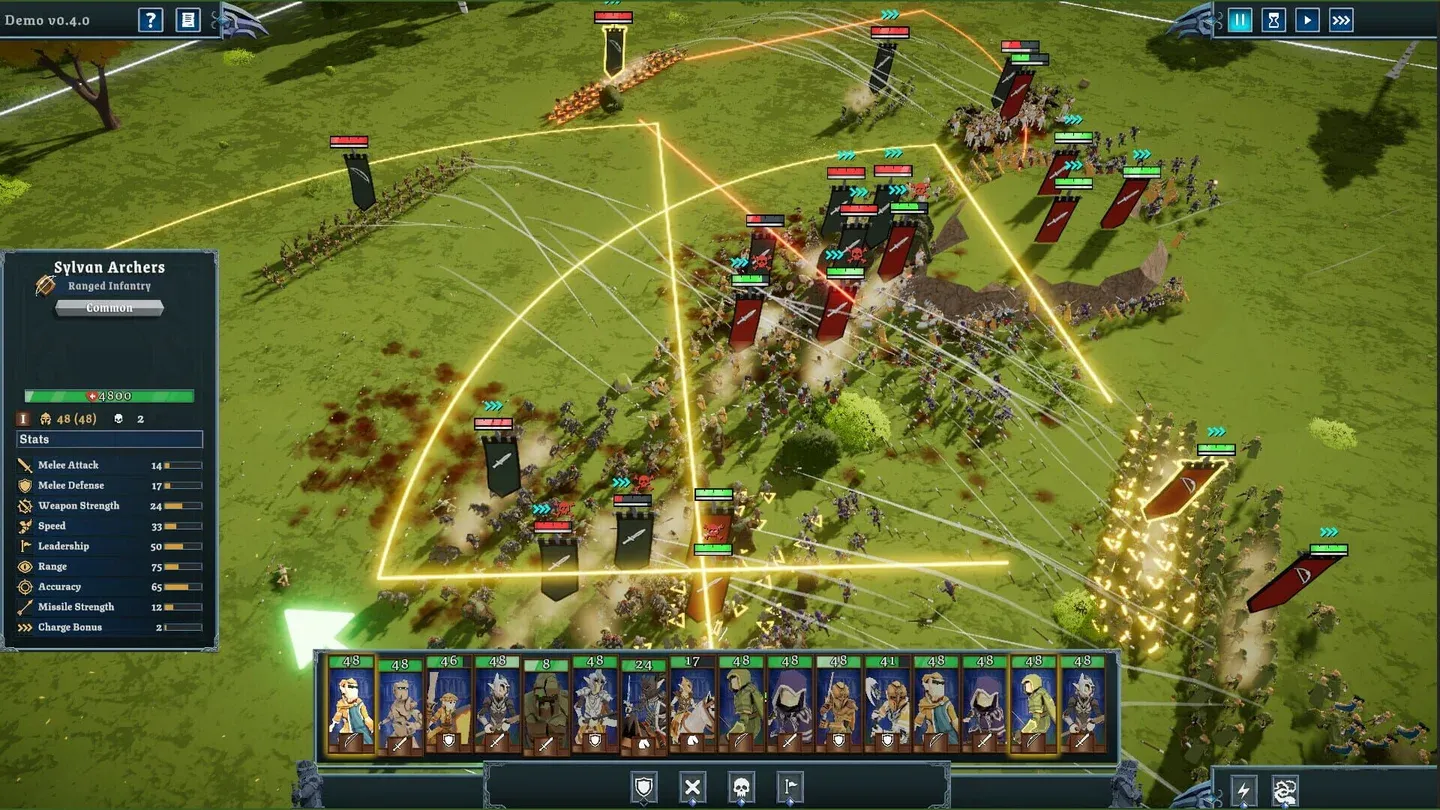
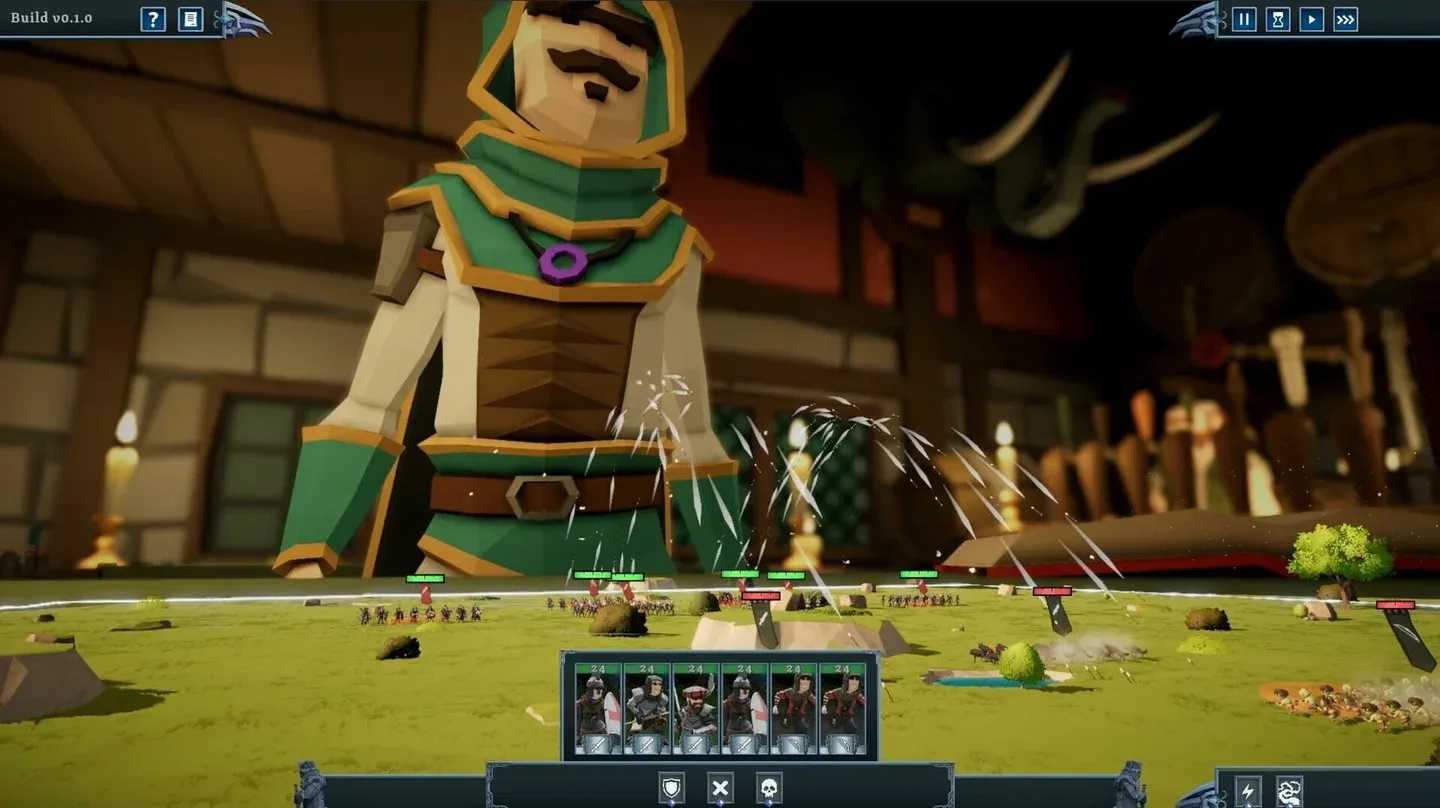
The tabletop framing is more than cosmetic. Battles unfold on surfaces that feel ripped straight from a dungeon master's table, complete with the unpredictability that implies. Dice mechanics feed into combat outcomes, meaning raw strategy alone won't carry you through. Knowing when to push and when to cut your losses becomes as important as which units you recruit.
Tabletop Tavern content image
Gameplay and mechanics
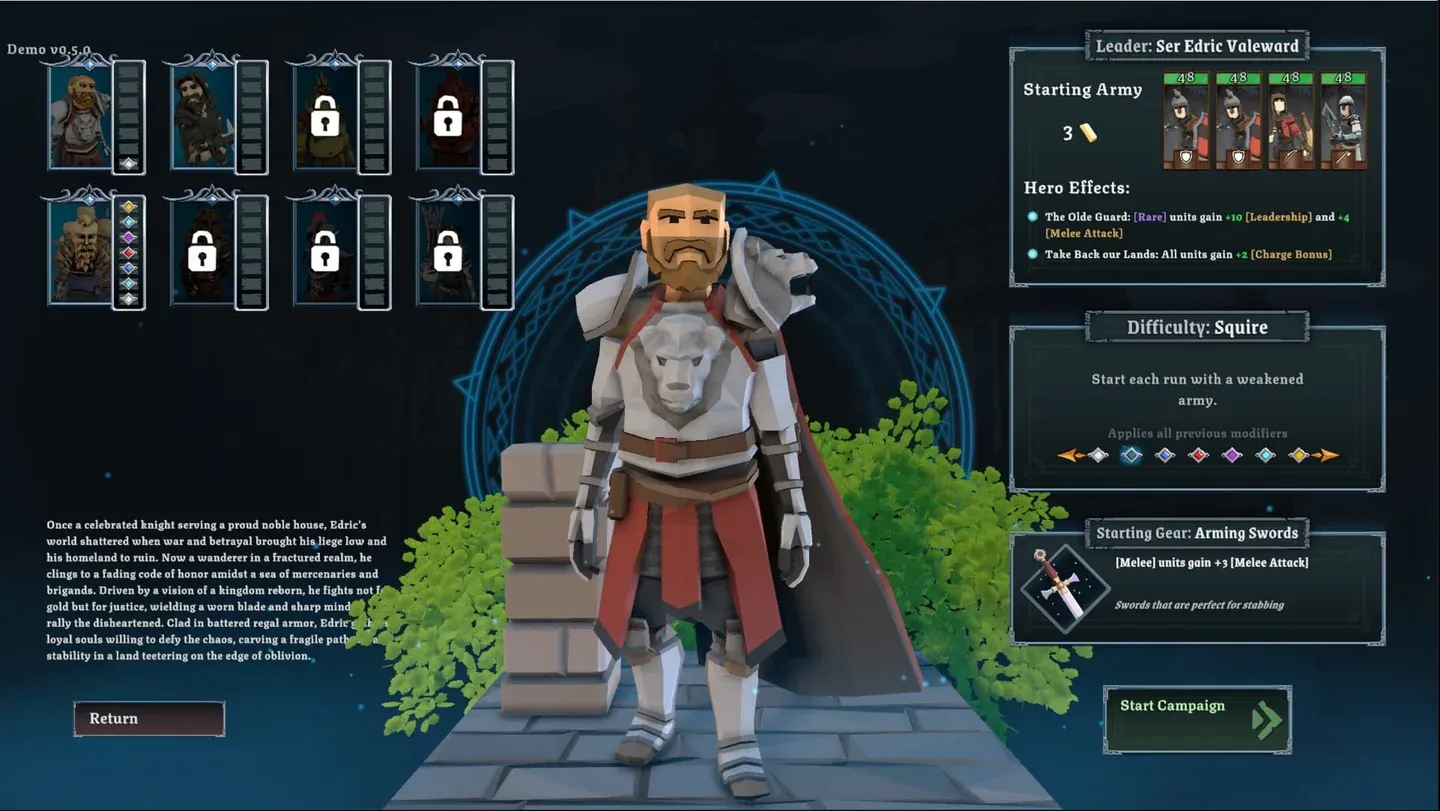
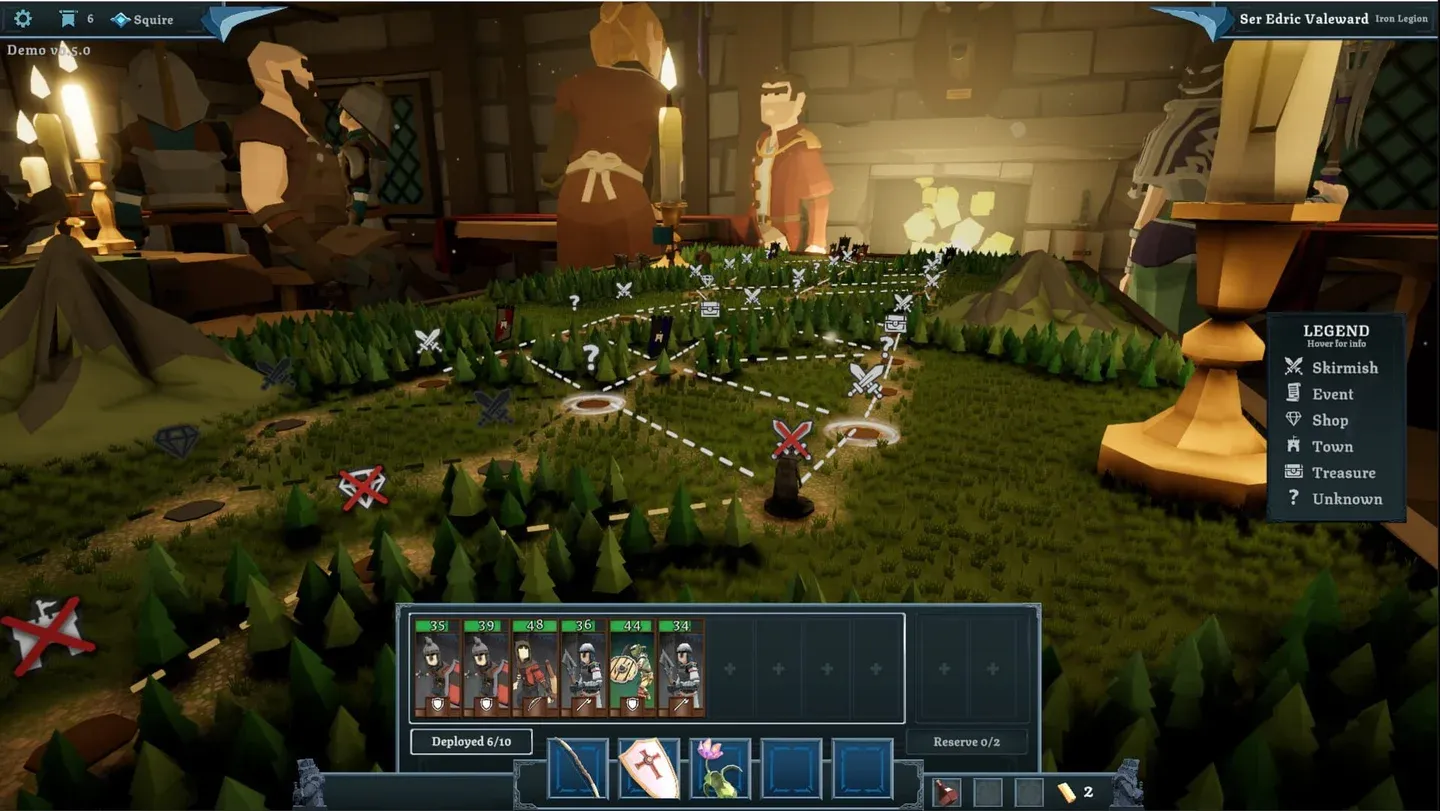
The core loop sits at the intersection of RTS unit management and roguelike progression. Between battles, players recruit from a shifting roster of mercenary types, each bringing different combat roles and synergies to the table. The key systems at play include:
Tabletop Tavern content image
- Real-time battlefield command
- Roguelike run structure with persistent choices
- Dice-influenced combat outcomes
- Mercenary recruitment and roster building
- Escalating goblin horde difficulty
Each run forces tradeoffs. A warrior who hits hard might eat through your gold reserves, while a cheaper unit with a niche ability unlocks a build direction you hadn't considered. The tension between playing safe and chasing a powerful combo is exactly what makes the roguelike format work here.
Tabletop Tavern content image
What makes Tabletop Tavern different from other RTS games?
Most RTS games reward mastery of a fixed set of mechanics. Tabletop Tavern deliberately disrupts that by injecting roguelike variance into every run. The roster you see on one attempt won't match the next, and the dice-influenced combat means even a well-constructed warband can get punished by a bad roll at the wrong moment. That friction is the point.
The tabletop aesthetic also does real work in communicating the game's tone. Nothing here takes itself too seriously, and the goblin horde framing keeps the enemy feel consistent without demanding lore investment. You show up, you build a crew, you fight chaos, and you try again.
Content and replayability
Tabletop Tavern's replayability rests on its build variety. The mercenary roster is wide enough that different unit combinations open up genuinely different tactical approaches rather than slight variations on the same strategy. Runs that lean into tanky frontline compositions play nothing like ones built around fast, fragile skirmishers.
Tabletop Tavern content image
The goblin horde structure provides natural difficulty scaling across a run, with later waves demanding more from your positioning and unit choices. For players who enjoy the "one more run" pull of games like Slay the Spire or Into the Breach, the RTS roguelike format here delivers that same compulsive quality. The combination of infinite build paths, dice-driven unpredictability, and real-time command pressure gives Tabletop Tavern a replayability ceiling that most single-session strategy games can't match.