Overview
Half-Life 2 places players in the role of Gordon Freeman, a theoretical physicist reawakened from stasis to find Earth under the iron grip of an interdimensional military force known as the Combine. The setting is City 17, a crumbling Eastern European metropolis stripped of its humanity, patrolled by soldiers, and haunted by the remnants of a resistance movement clinging to survival. From the moment Gordon steps off the train, the world communicates its oppression without a single cutscene interruption, delivering storytelling entirely through environmental detail and real-time character interaction.
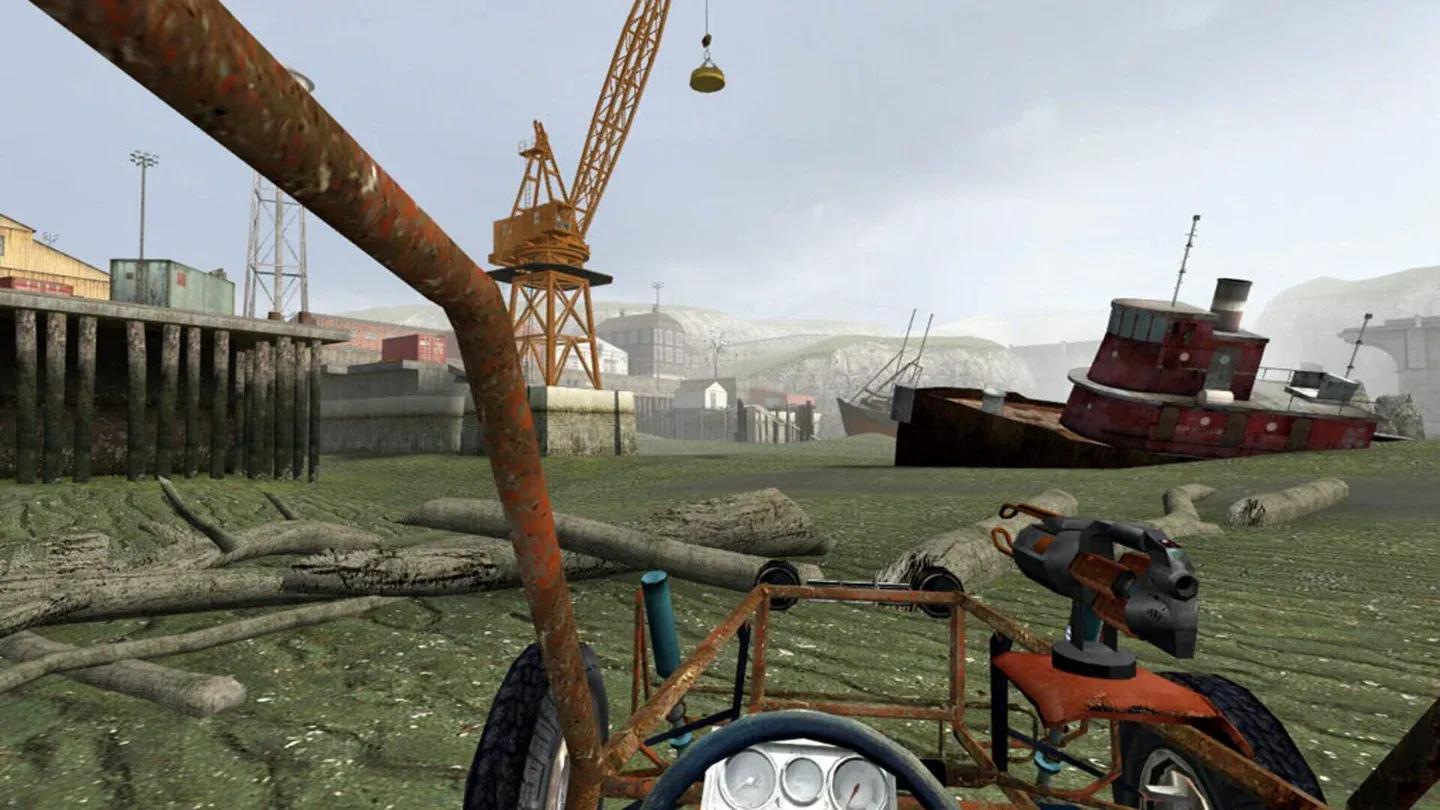
Valve built Half-Life 2 on the Source engine, a platform that was genuinely revolutionary at the time of release and still holds up as a testament to thoughtful technical design. The engine's physics simulation is not a gimmick layered on top of the experience; it is woven into every combat encounter, puzzle, and traversal sequence. Objects have weight, momentum, and consequence. A wooden plank becomes a shield; a stack of crates becomes a barrier; a fuel canister becomes a projectile. The physical world responds to the player in ways that felt unprecedented in 2004 and remain deeply satisfying today.
The narrative unfolds across a series of richly varied environments, from the claustrophobic sewers beneath City 17 to the coastal roads of Highway 17, the haunted ruins of Ravenholm, and the fortress-like prison of Nova Prospekt. Each location carries its own atmosphere and introduces distinct gameplay challenges, ensuring the pacing rarely stagnates.
Gameplay and Mechanics: What Makes Half-Life 2 Still Essential?
Half-Life 2 earns its reputation as a foundational first-person shooter through the sheer coherence of its design. Every mechanic serves the world, and every weapon feels purposeful within its context.
Key mechanics include:
- Physics-driven environmental combat
- The Gravity Gun for manipulating objects and enemies
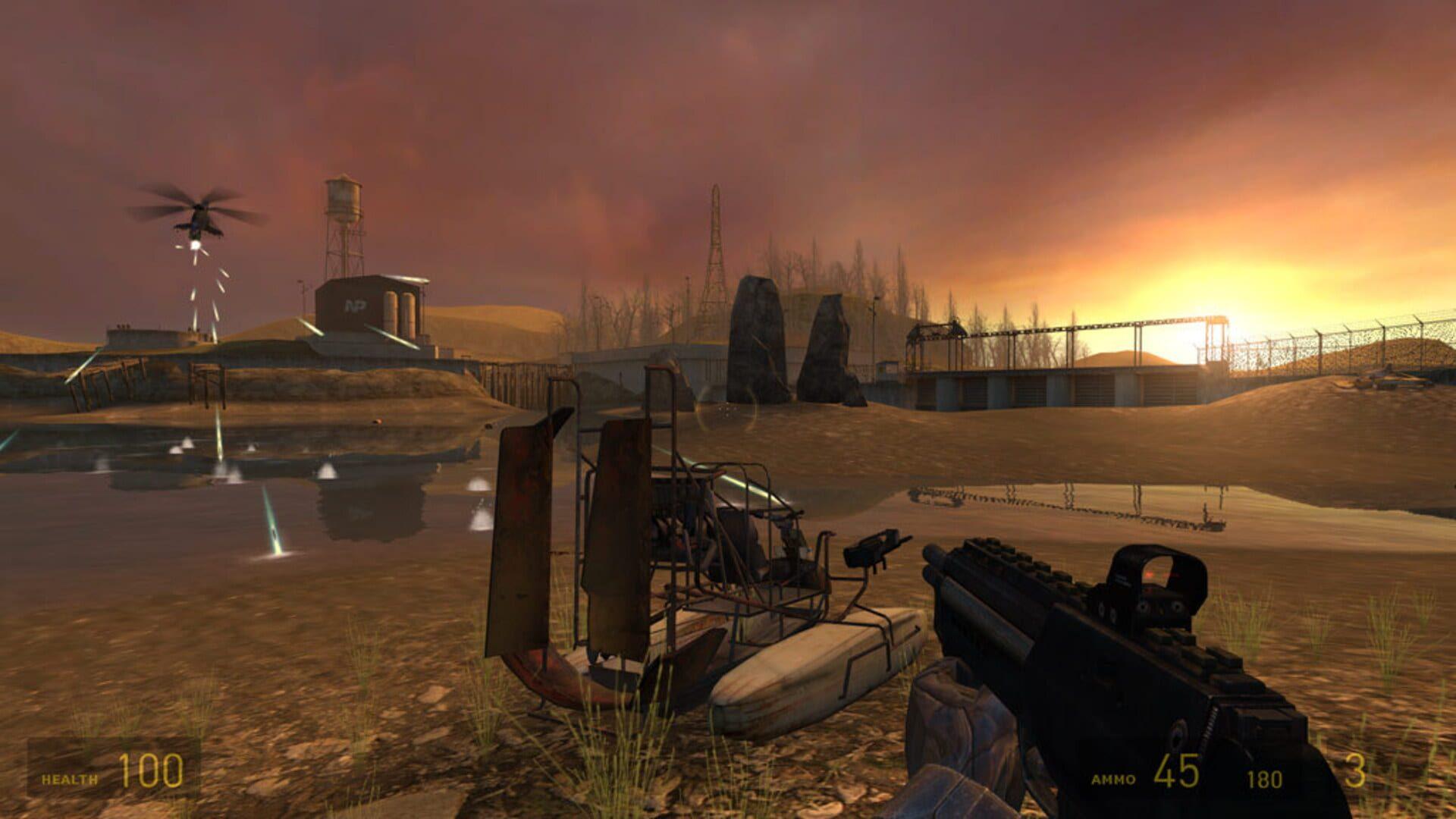
- Vehicle sequences across land and water
- Squad-based ally support in key sections
- Puzzle design integrated into combat spaces
The Gravity Gun stands as the game's defining tool. It allows Gordon to grab, hold, and launch objects at high velocity, transforming nearly any environment into an improvised arsenal. Late in the game, an energy surge amplifies its capabilities dramatically, turning the weapon into something genuinely awe-inspiring. The transition feels earned rather than arbitrary, because the player has spent hours learning to think with physics before the game hands them its full potential.
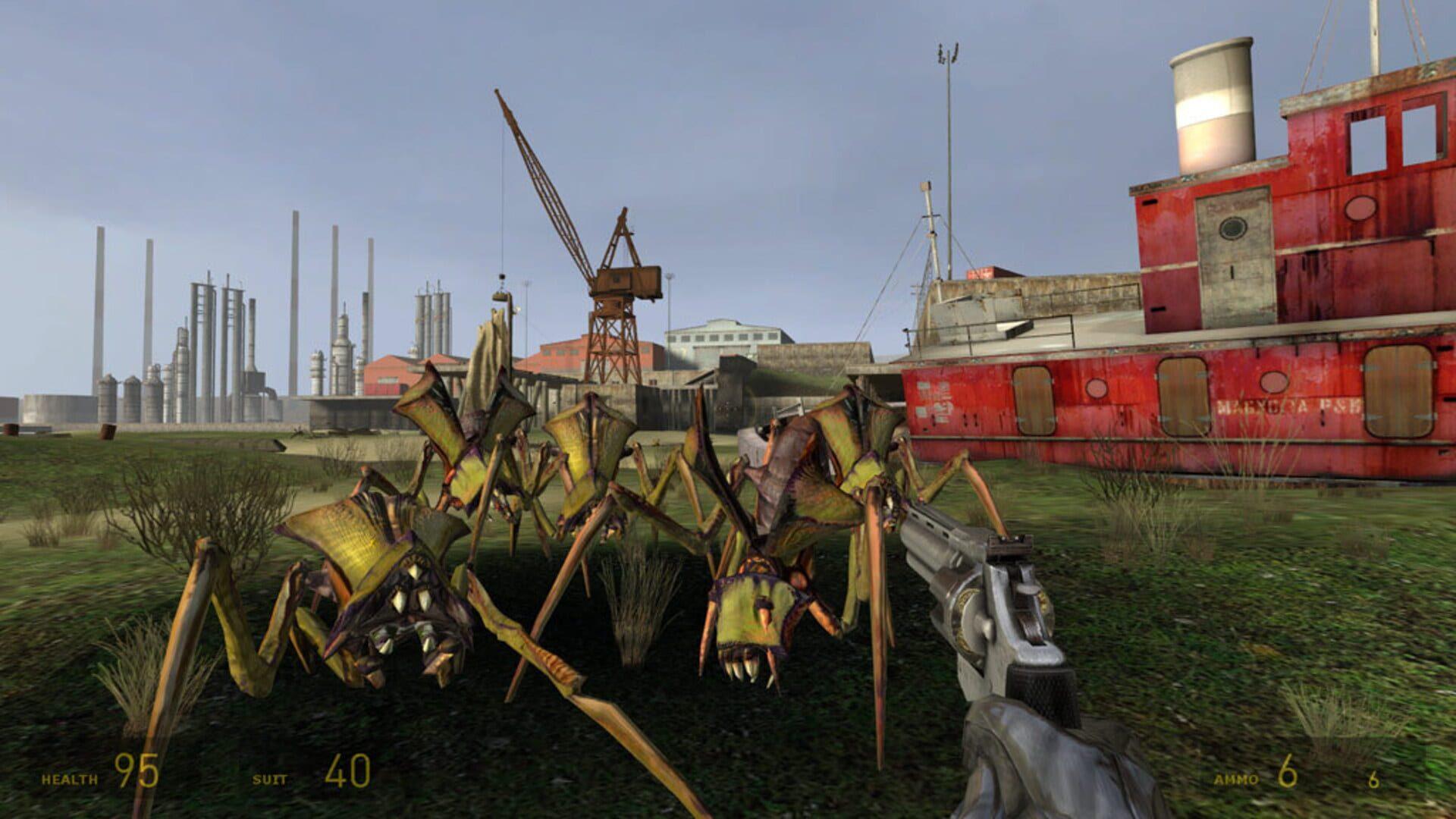
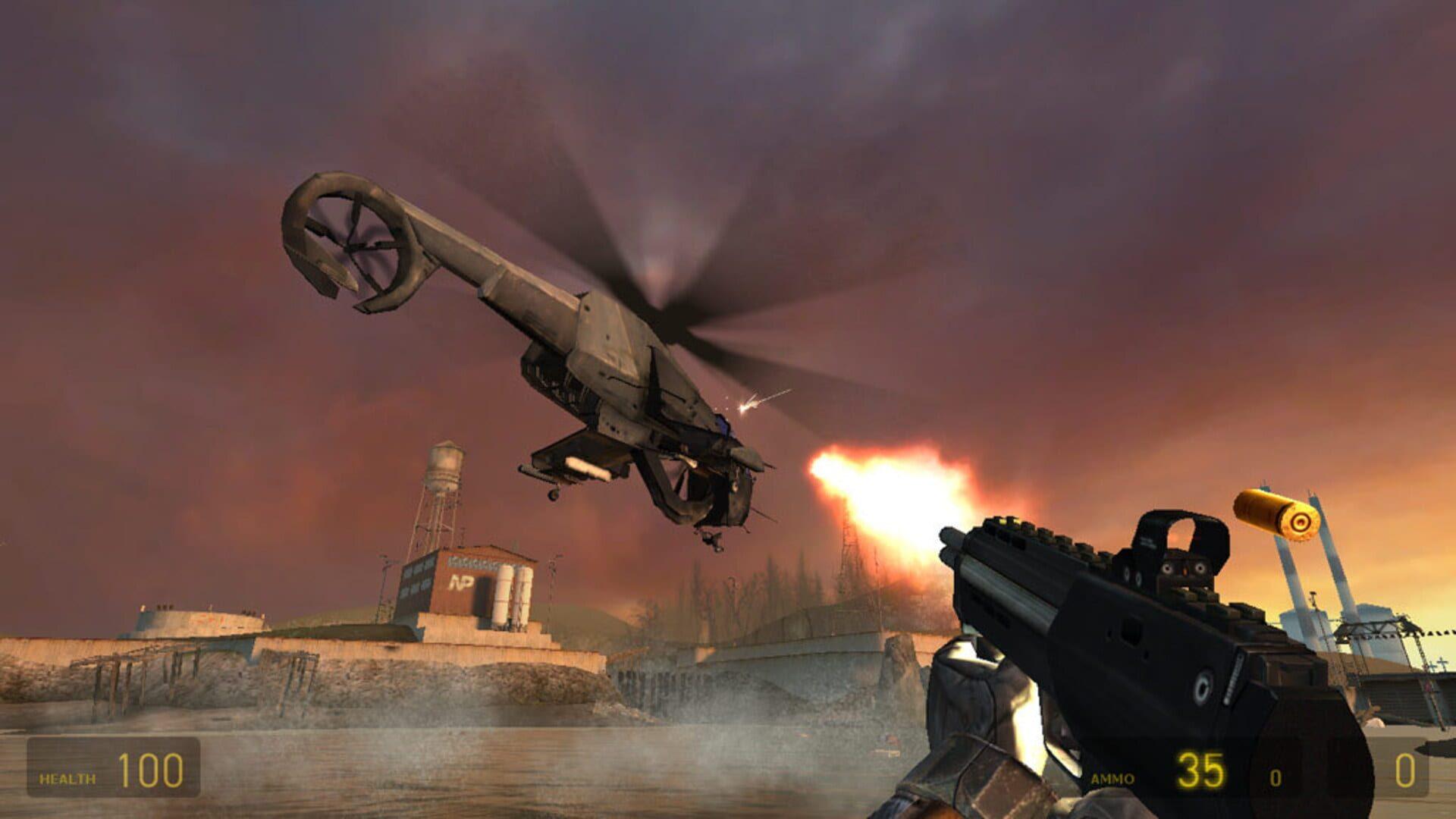
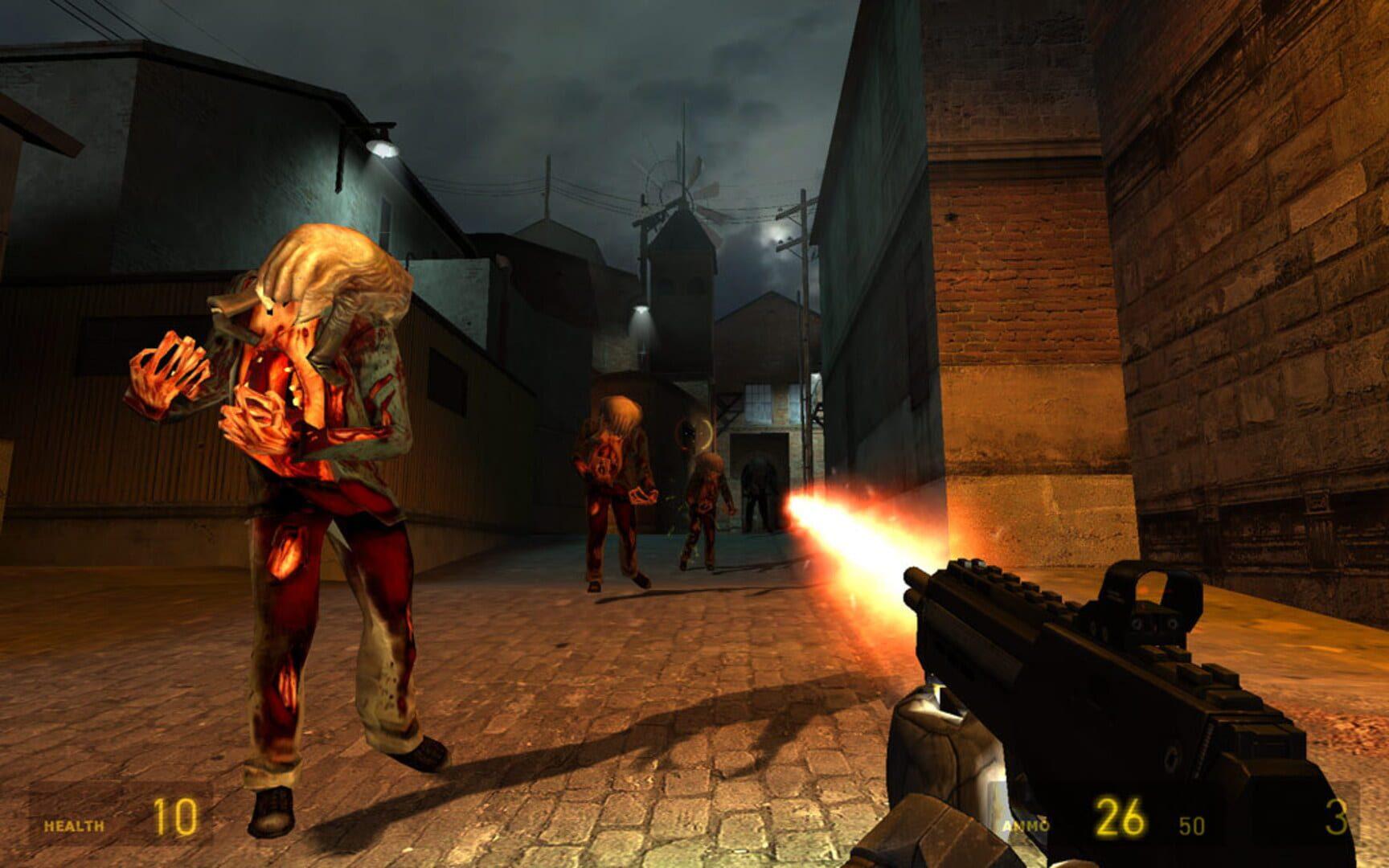
Enemy design reinforces the game's mechanical depth. Combine soldiers coordinate tactically, flanking and suppressing with convincing urgency. Antlions swarm and overwhelm through sheer numbers. Headcrab zombies shamble with an unsettling physicality that makes each encounter feel dangerous even when the threat is familiar. The AI, powered by the Source engine, reacts dynamically to the player's position and actions rather than following rigid scripted paths.
World and Setting: The Atmosphere of Occupation
City 17 is one of gaming's most fully realized environments. Valve constructs the sense of occupation through architecture, civilian behavior, propaganda broadcasts, and the quiet desperation etched into every face Gordon encounters. The Combine aesthetic, all brutalist concrete, industrial scaffolding, and biomechanical soldiers, creates a visual language that communicates authoritarian control without a single line of exposition.
Characters like Alyx Vance, Barney Calhoun, and Dr. Eli Vance feel like genuine people rather than quest dispensers. Their facial animations, driven by the Source engine's flex system, convey emotion with a subtlety that was remarkable in 2004. The relationship between Gordon and Alyx in particular carries the emotional weight of the campaign, built entirely through shared experience rather than scripted romance or melodrama.
Impact and Legacy: A Shooter That Forged a Genre
Half-Life 2 received near-universal critical acclaim upon release, earning numerous Game of the Year awards and a reputation as one of the finest games ever made. Its influence on first-person shooter design is difficult to overstate. The seamless narrative delivery, physics-integrated gameplay, and environmental storytelling it pioneered became templates that developers across the industry adopted and refined in the years that followed.
The 20th Anniversary Update adds a commentary mode, improved graphics options, Steam Workshop support, and a documentary featuring the original development team, giving both returning players and newcomers additional context for appreciating the game's development and legacy.
Conclusion
Half-Life 2 remains a landmark first-person shooter that rewards both newcomers and returning players with its intelligent physics-based combat, exceptional world-building, and a narrative delivered entirely through immersive, unbroken gameplay. The combination of the Source engine's technical achievements and Valve's meticulous environmental design produces an experience that feels cohesive and purposeful from start to finish. For anyone serious about understanding the history and craft of the shooter genre, Gordon Freeman's journey through City 17 is not merely recommended; it is essential.