

Biggest discounts, free games, and limited-time offers across every major gaming store.
Never pay full price again.
Overview
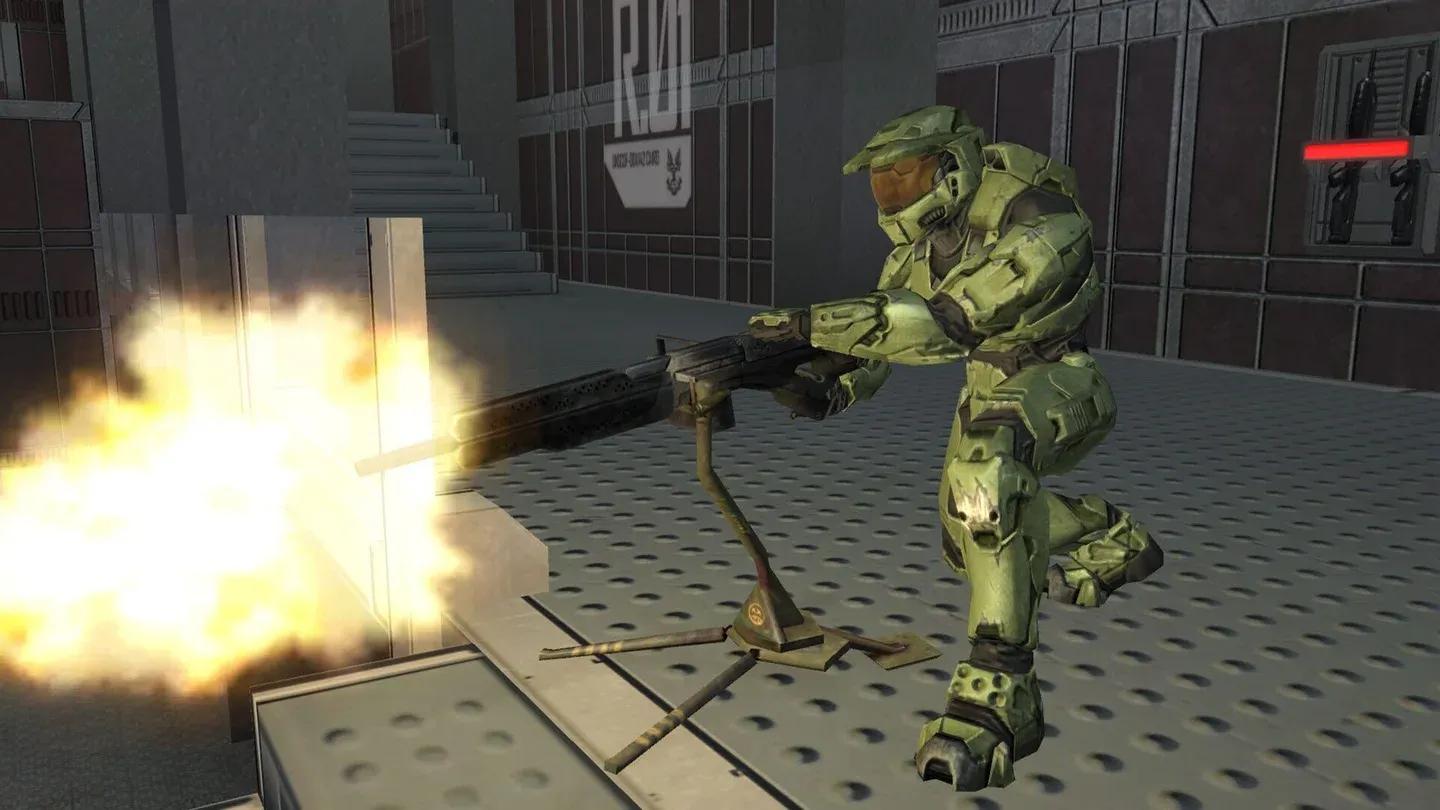
Halo 2 is a first-person shooter developed by Bungie and released in November 2004 for the original Xbox. The game picks up after the events of Halo: Combat Evolved, dropping players into a 26th-century conflict where the alien Covenant launches a direct assault on Earth. What makes this sequel stand out isn't just the scale of that conflict, it's the structural choice to split the campaign between two playable characters with opposing motivations.
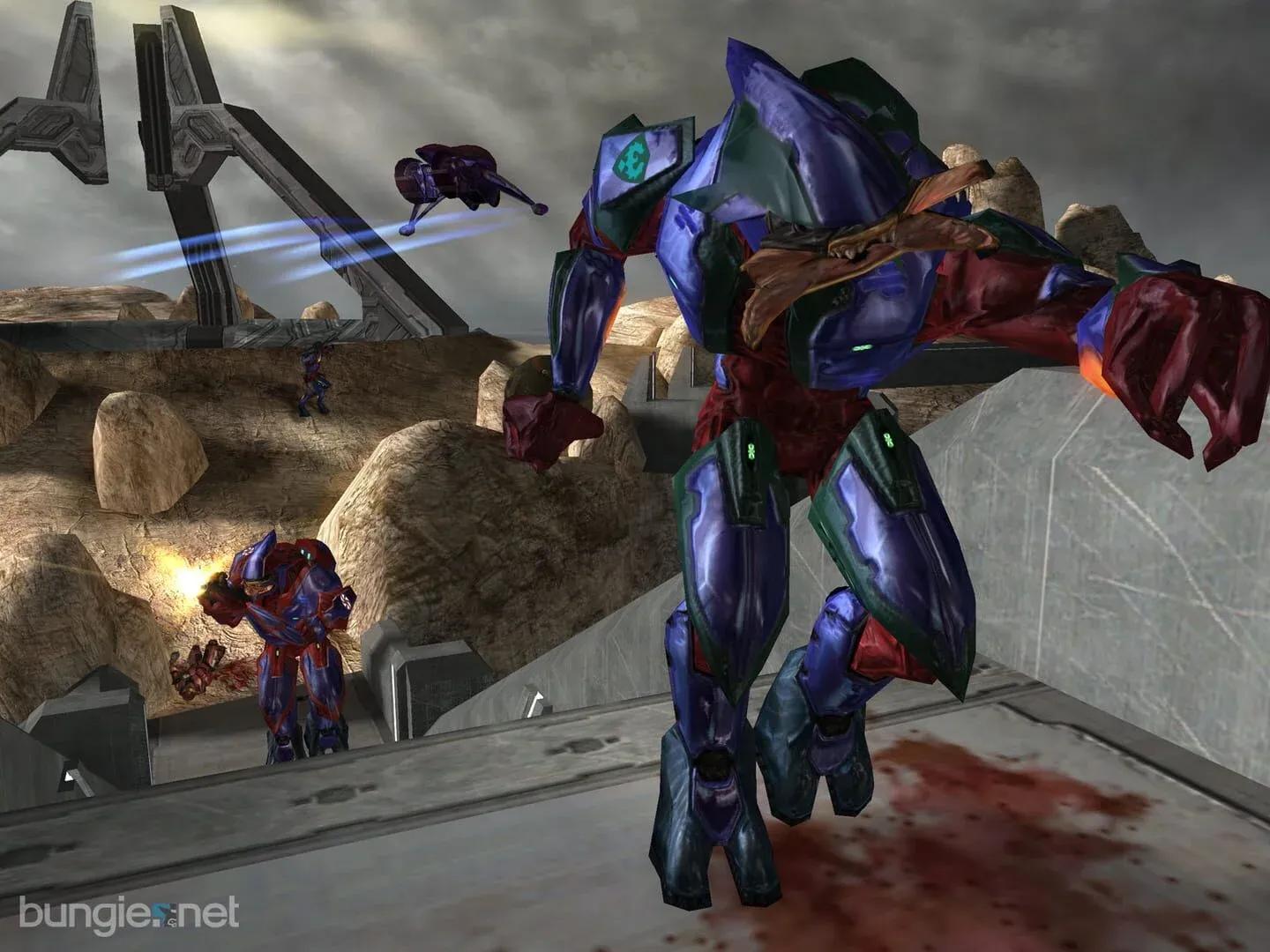
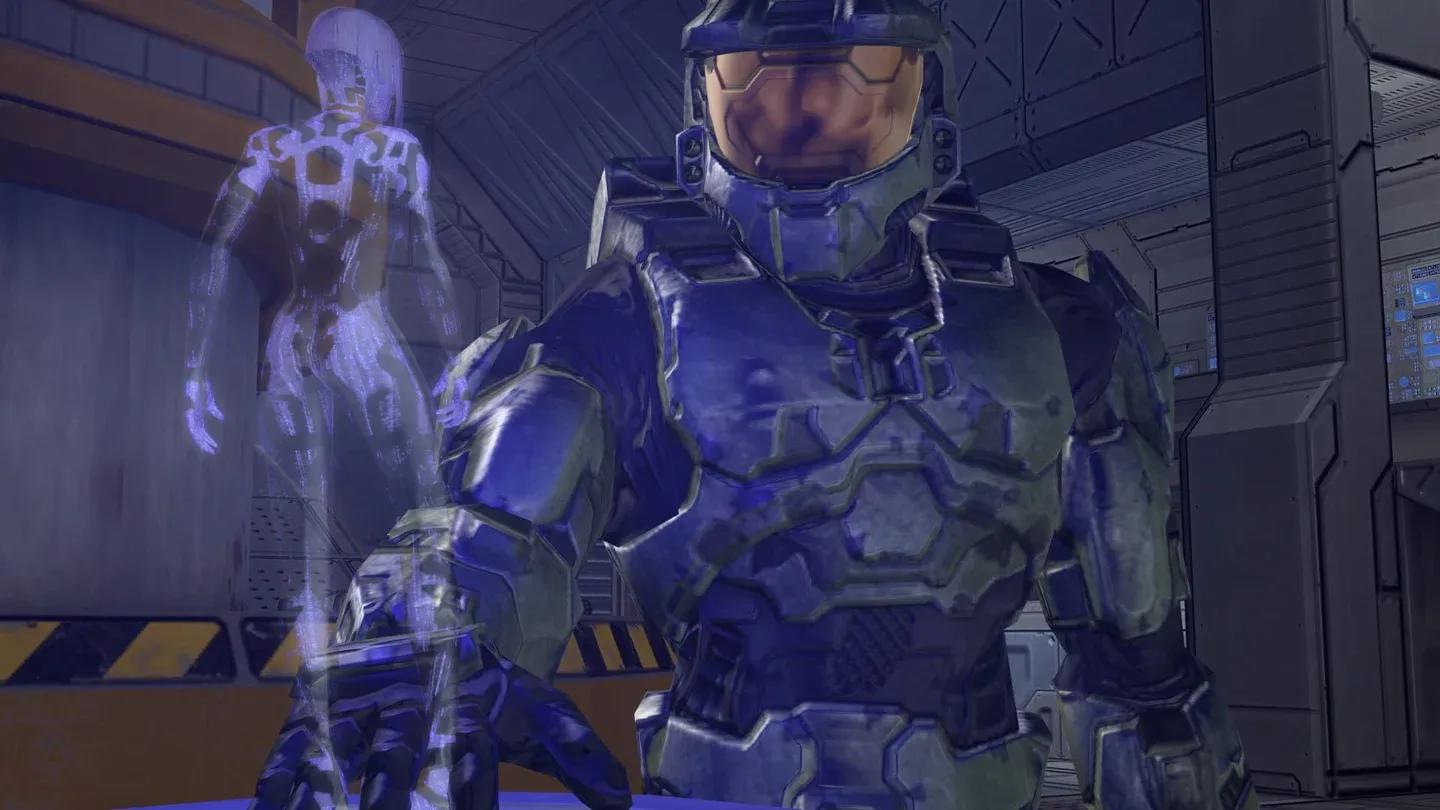
Master Chief, the supersoldier defending humanity, shares the spotlight with the Arbiter, a disgraced Covenant Elite commander forced into a suicidal role after the first Halo's destruction. Playing both sides of the same war transforms what could have been a straightforward shooter into something with actual dramatic tension. By the time the two storylines converge, the Covenant civil war and the returning Flood parasite have reshaped the stakes considerably.
Halo 2 content image
Dual-wielding, hijacking, and what changed in the sandbox
Bungie made targeted additions to the combat sandbox rather than overhauling everything that worked in the original. The key changes:
Halo 2 content image
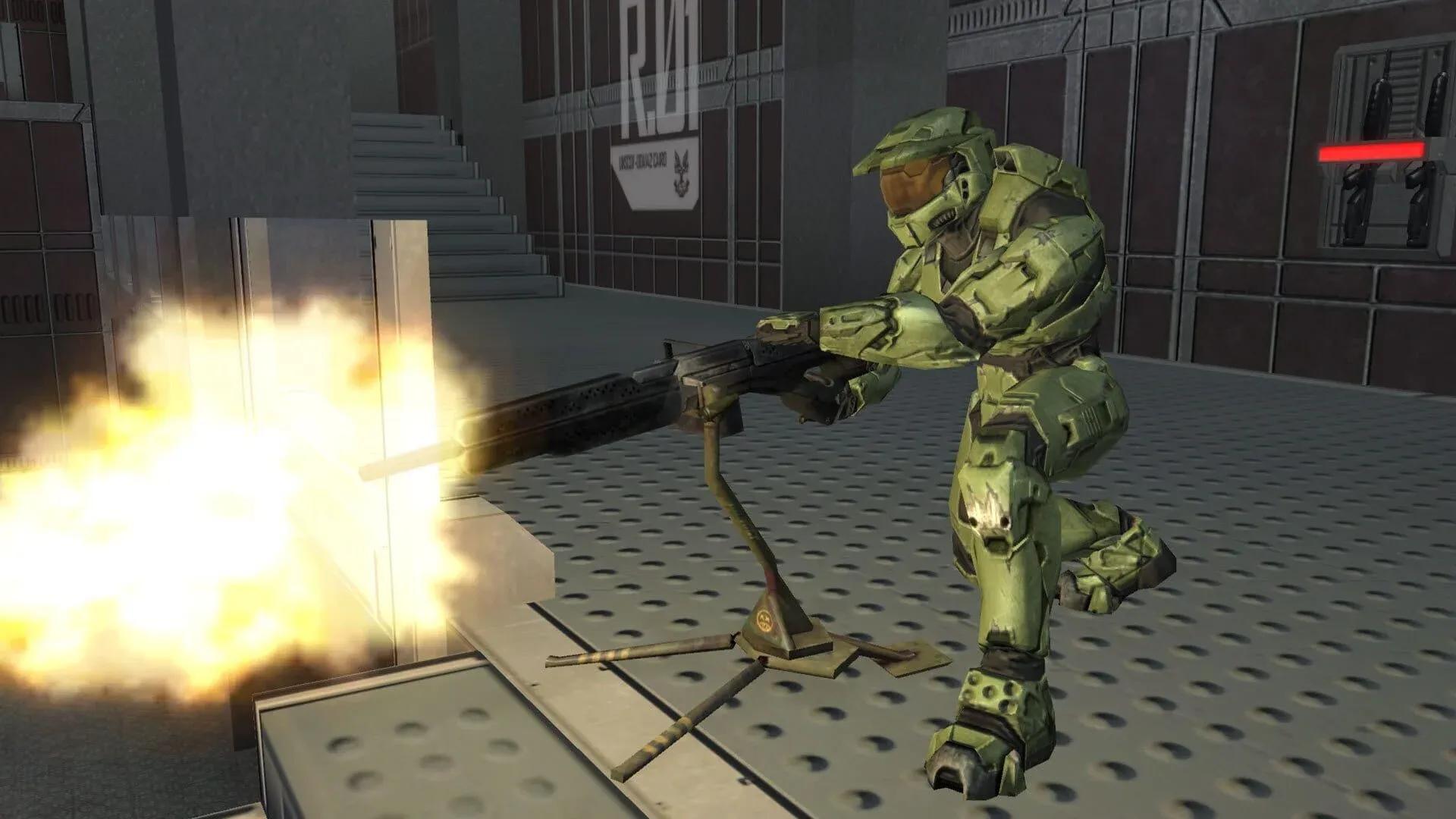
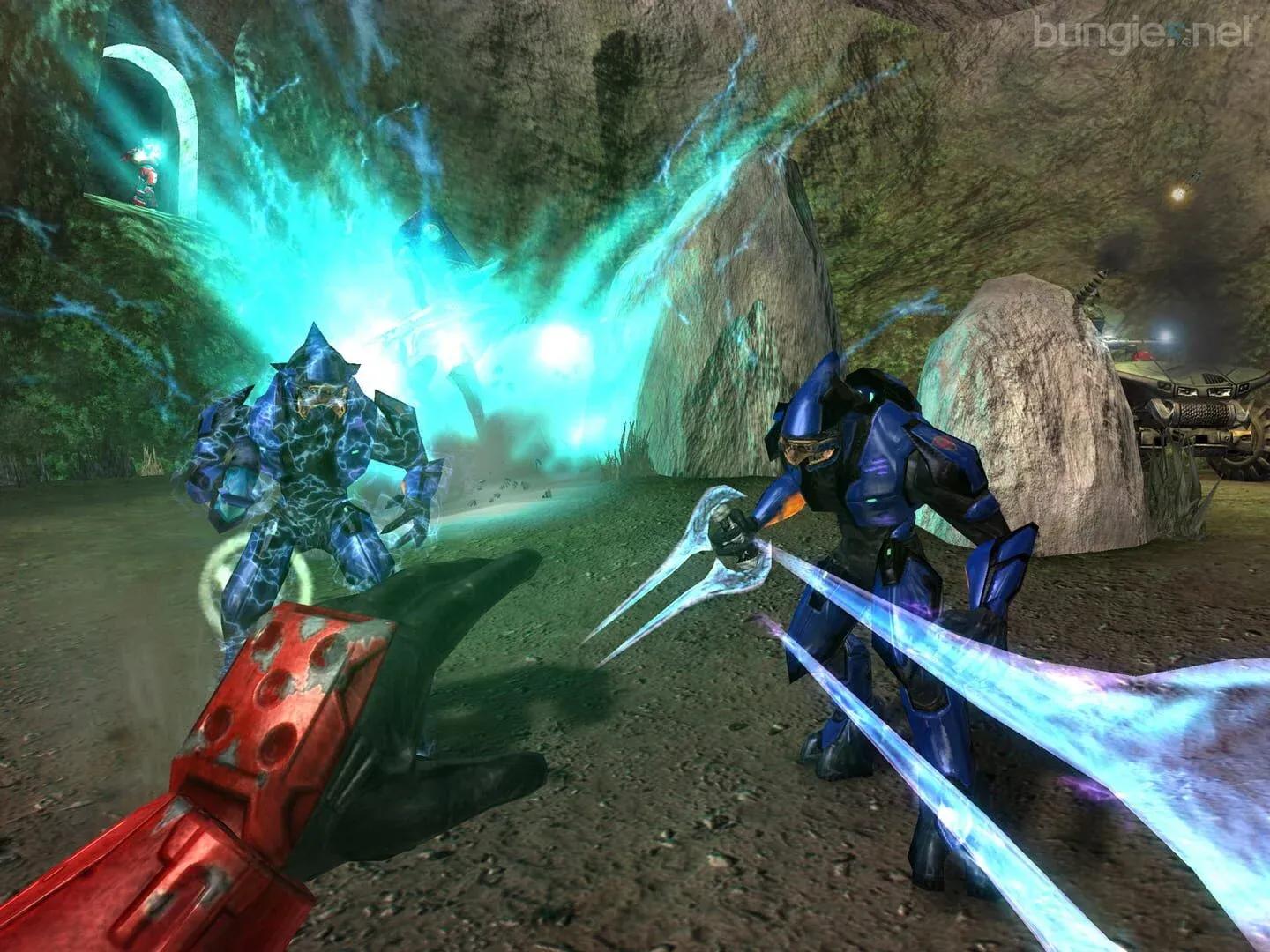
- Dual-wielding select weapons like the SMG and plasma pistol
- Vehicle hijacking from moving Ghosts and Wraiths
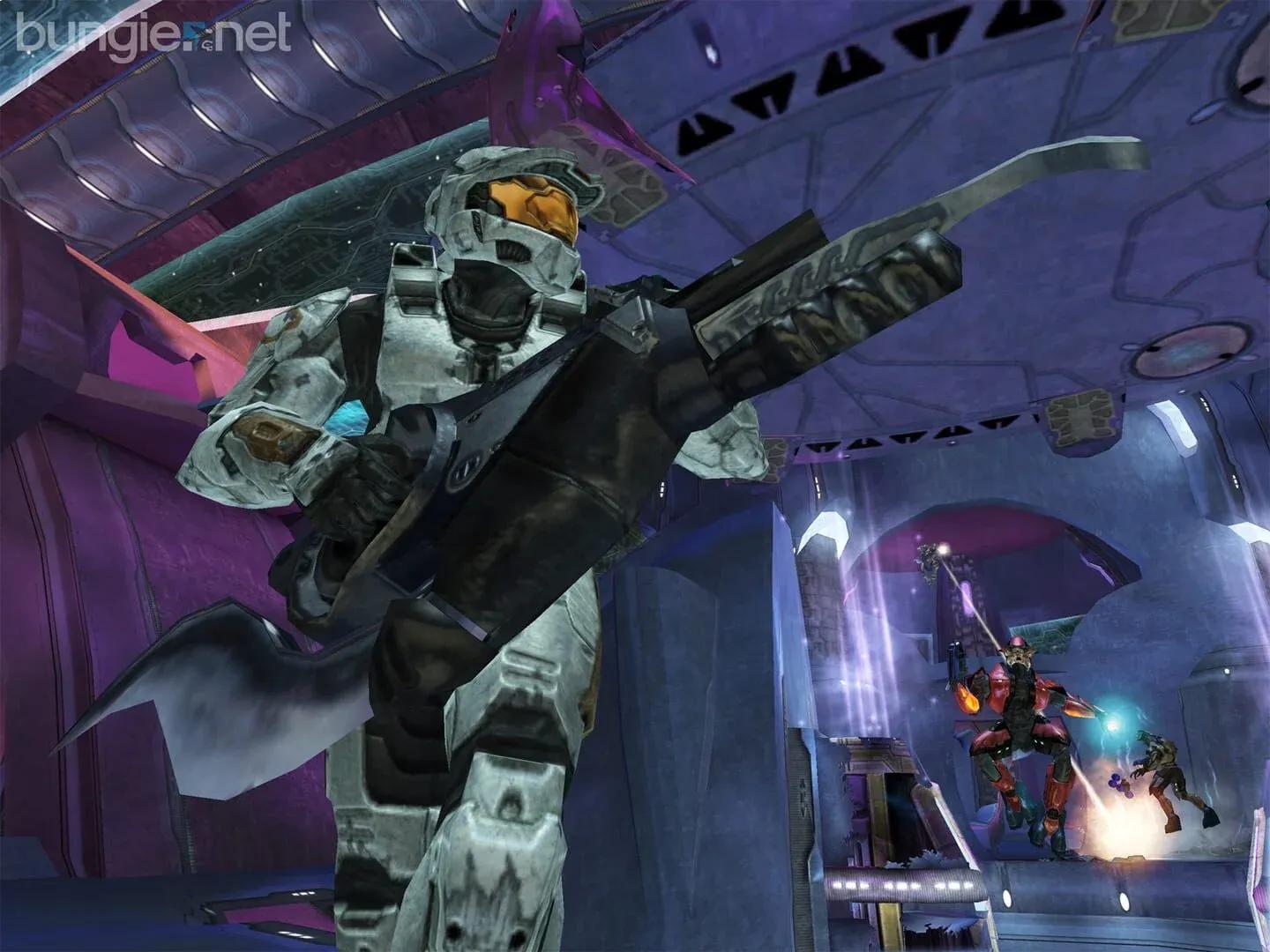
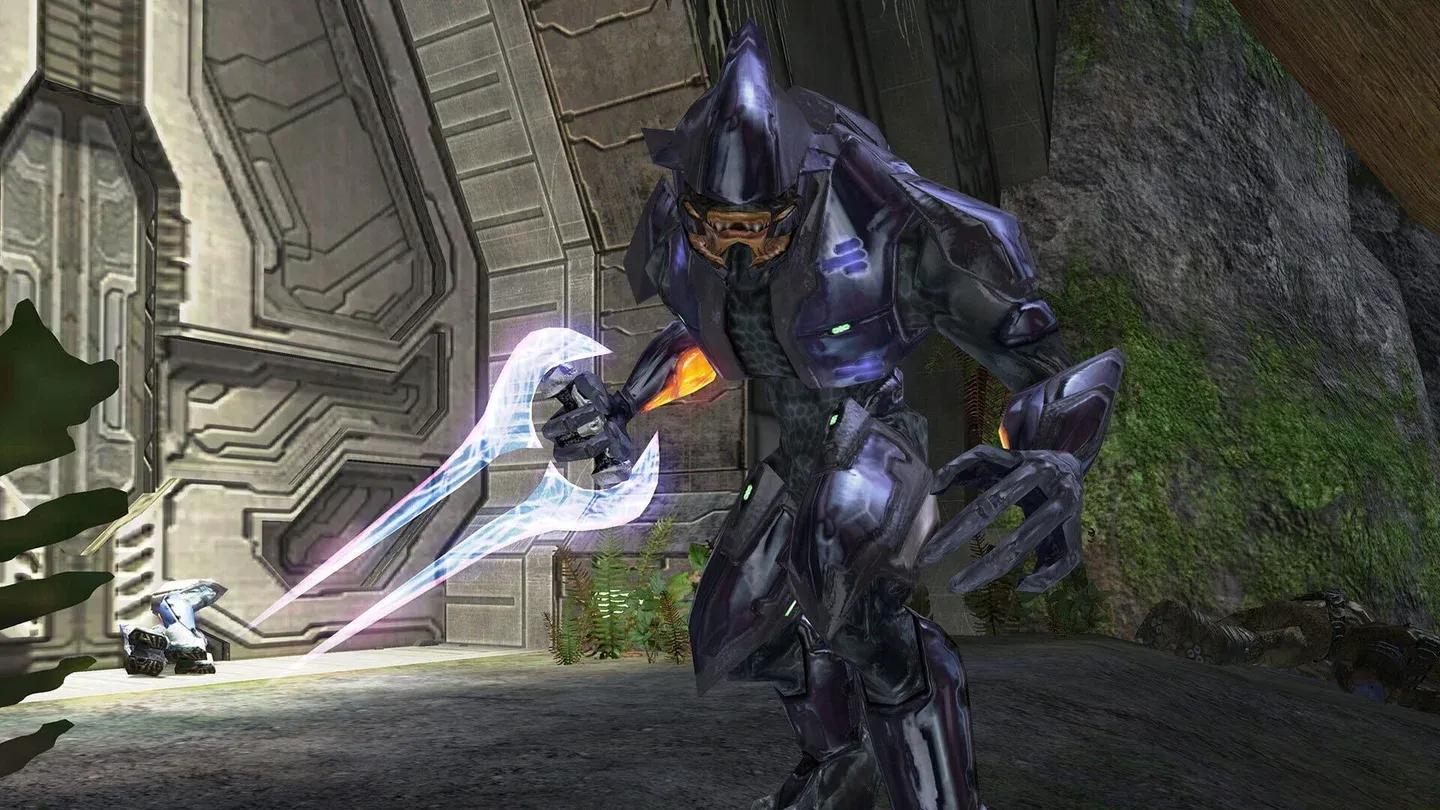
- New Covenant weapons including the Energy Sword and Brute Shot
- Expanded enemy roster with Brutes as a new frontline threat
- Deployable energy shields for the Arbiter
Dual-wielding trades grenades and melee for raw firepower, which forces real trade-off decisions mid-fight. Hijacking, meanwhile, turns vehicles from obstacles into opportunities. Neither mechanic feels tacked on, both slot naturally into Halo's existing push-pull between offense and positioning.
Halo 2 content image
How did Halo 2 change online multiplayer?
Halo 2's Xbox Live integration is where the game's legacy gets cemented. The matchmaking system automatically paired players based on skill and availability, removing the need to manually browse server lists. For console players in 2004, that was a revelation. The game became the best-selling title on the original Xbox and held the top spot on Xbox Live for years after launch.
Halo 2 content image
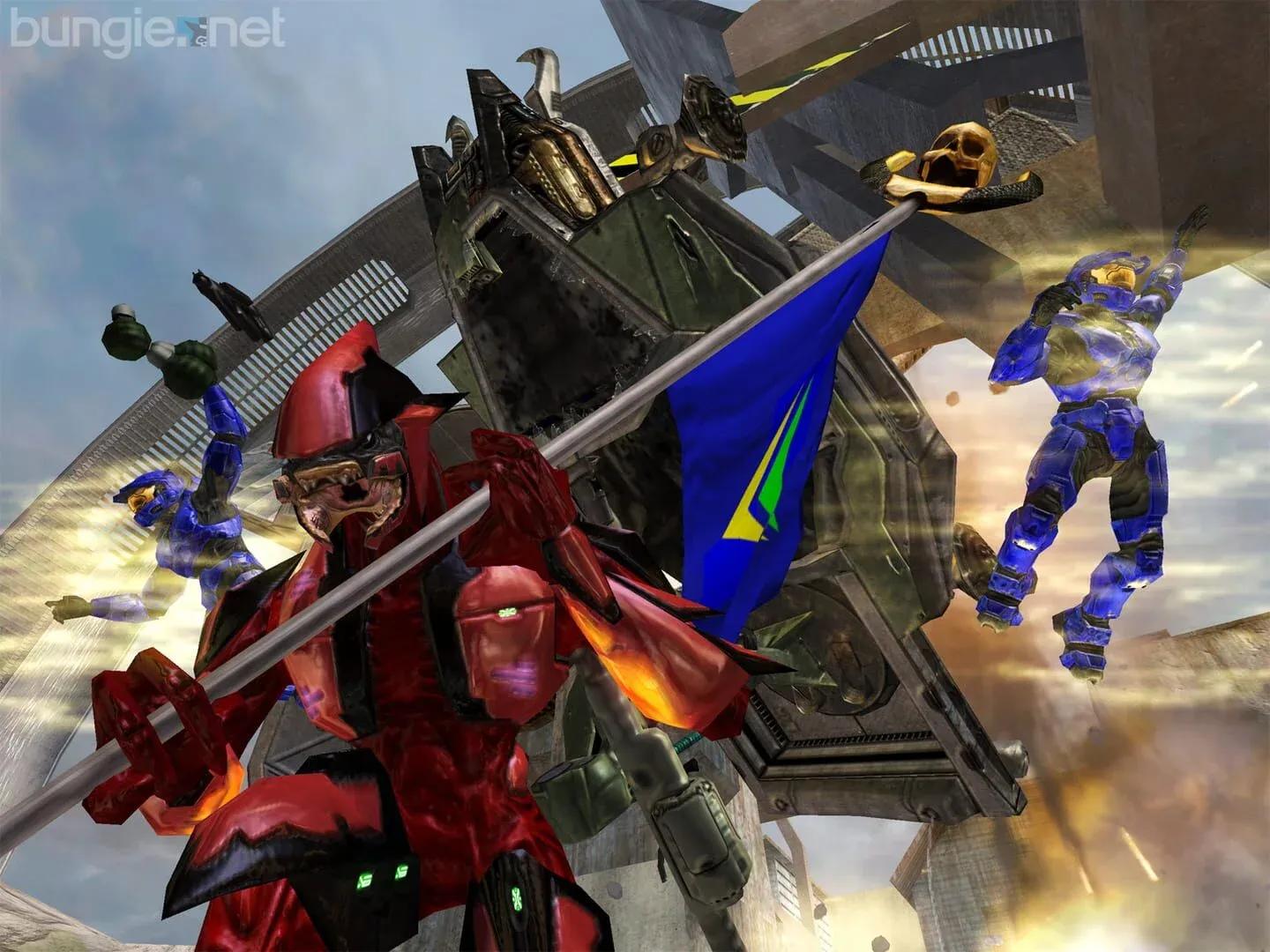
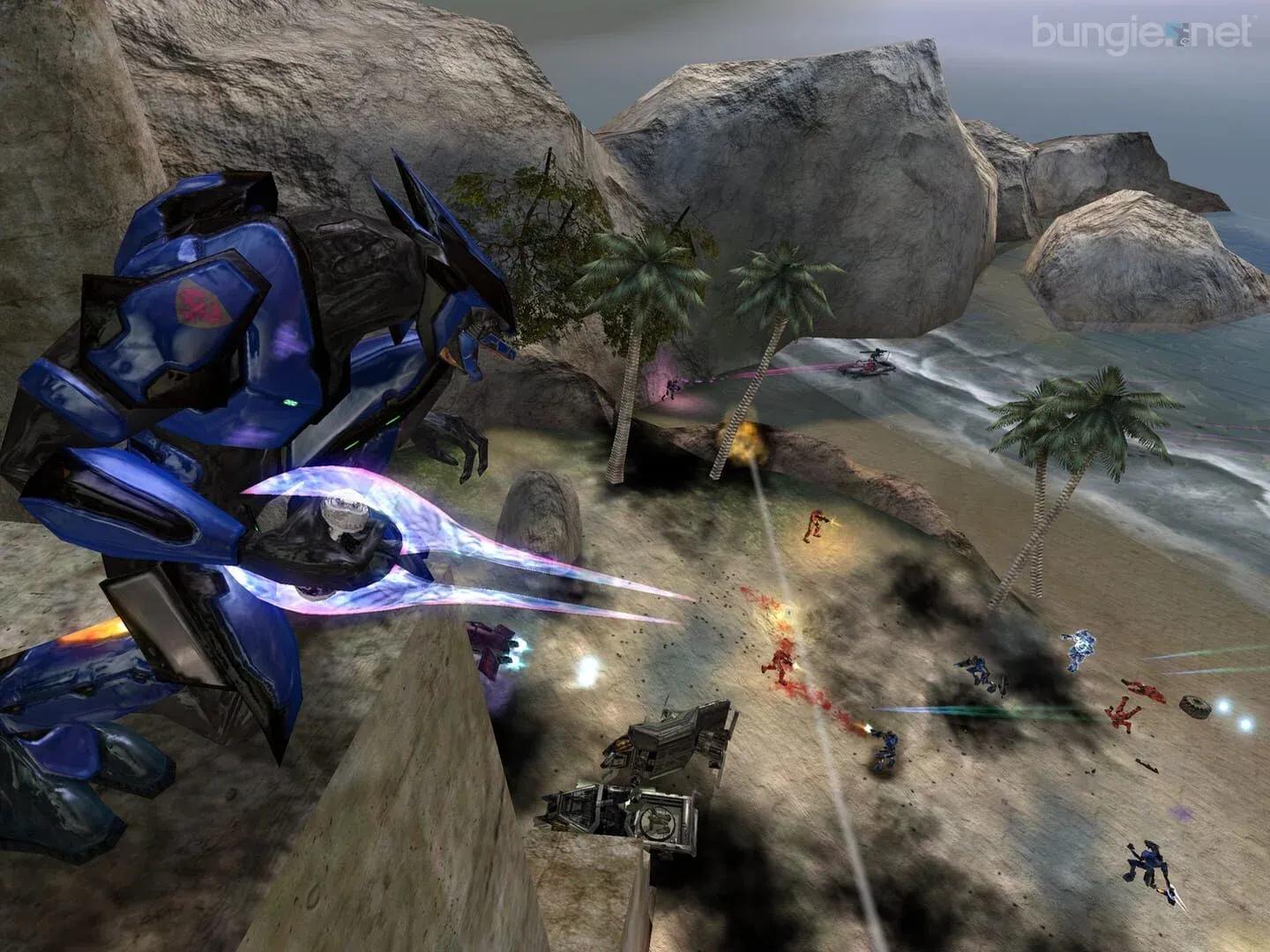
The multiplayer suite shipped with 11 maps and a set of modes covering slayer, capture the flag, oddball, and king of the hill variants. The sandbox's balance across these modes held up well enough that competitive communities formed quickly and stayed active long after the Xbox 360 launched. Bungie's design philosophy of readable geometry and weapon placement on neutral ground gave Halo 2's maps a structural logic that rewarded players who studied them.
World and setting
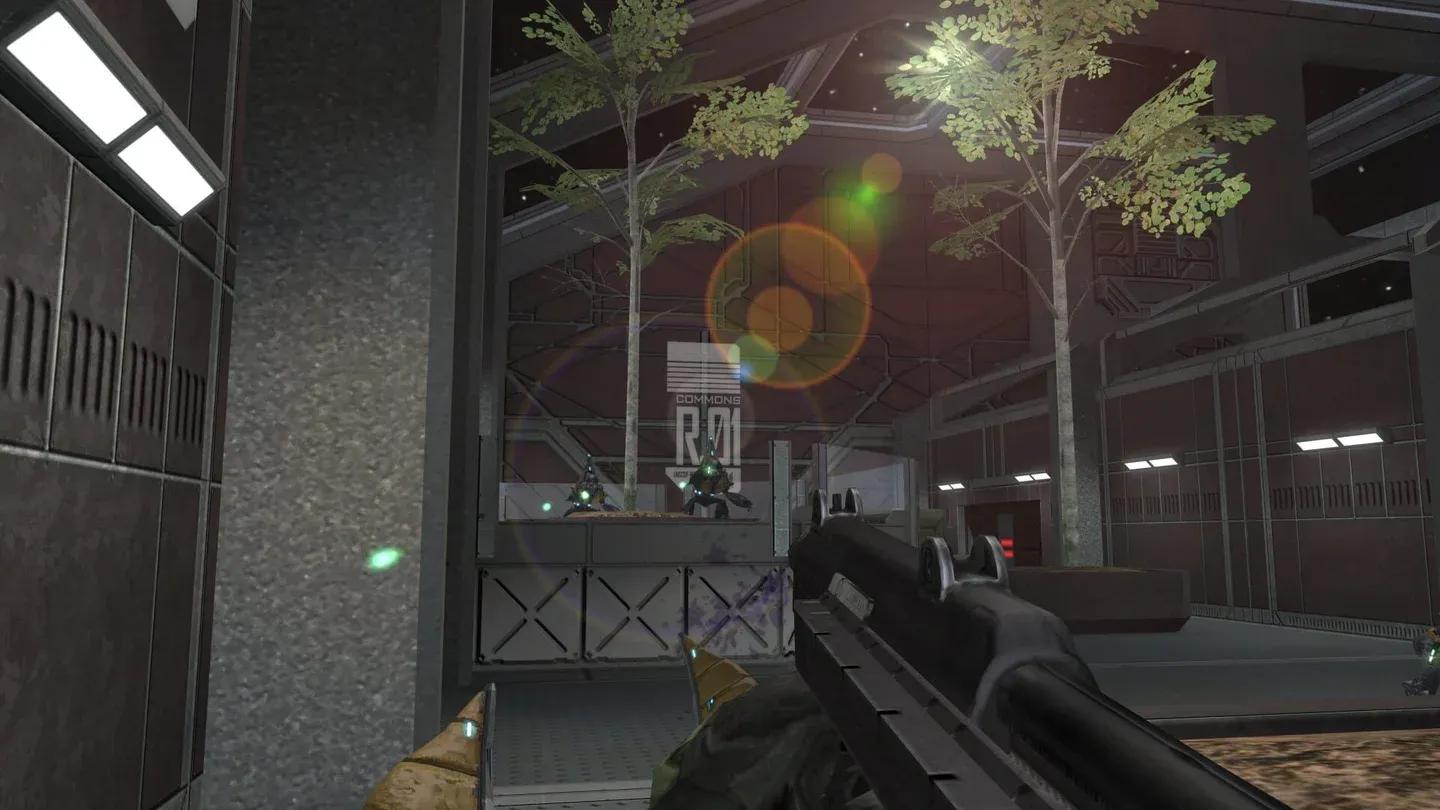
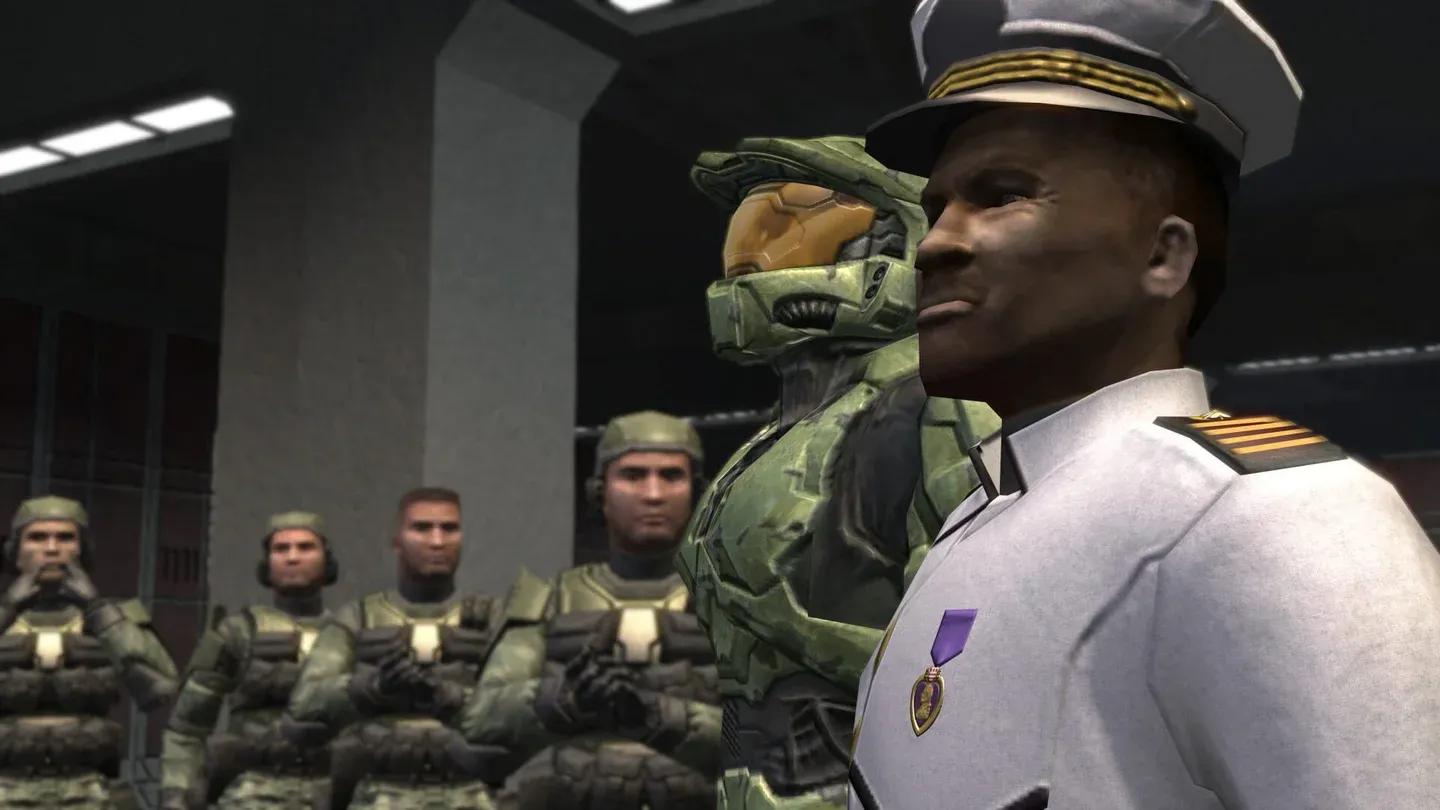
The campaign spans locations that feel meaningfully different from each other: the orbital defense platforms above Earth, the streets of New Mombasa, and the interior corridors of the second Halo ring. Bungie used the Arbiter sections to expand Covenant culture beyond the faceless enemy role they occupied in the first game. Seeing the Covenant's internal politics, the High Prophet hierarchy, and the growing fractures between species adds dimension to a faction that was mostly background in Combat Evolved.
Impact and legacy
Halo 2 is available on PC through the Master Chief Collection, which brings the remastered version alongside the rest of the mainline Halo games. The dual-narrative campaign, the matchmaking system, and the refined first-person shooter mechanics all influenced how the genre approached console multiplayer for years. The game's Gravemind sequences and the cliffhanger ending remain some of the most discussed moments in the series, proof that a shooter can carry genuine narrative ambition without losing sight of what makes the combat work.