Overview
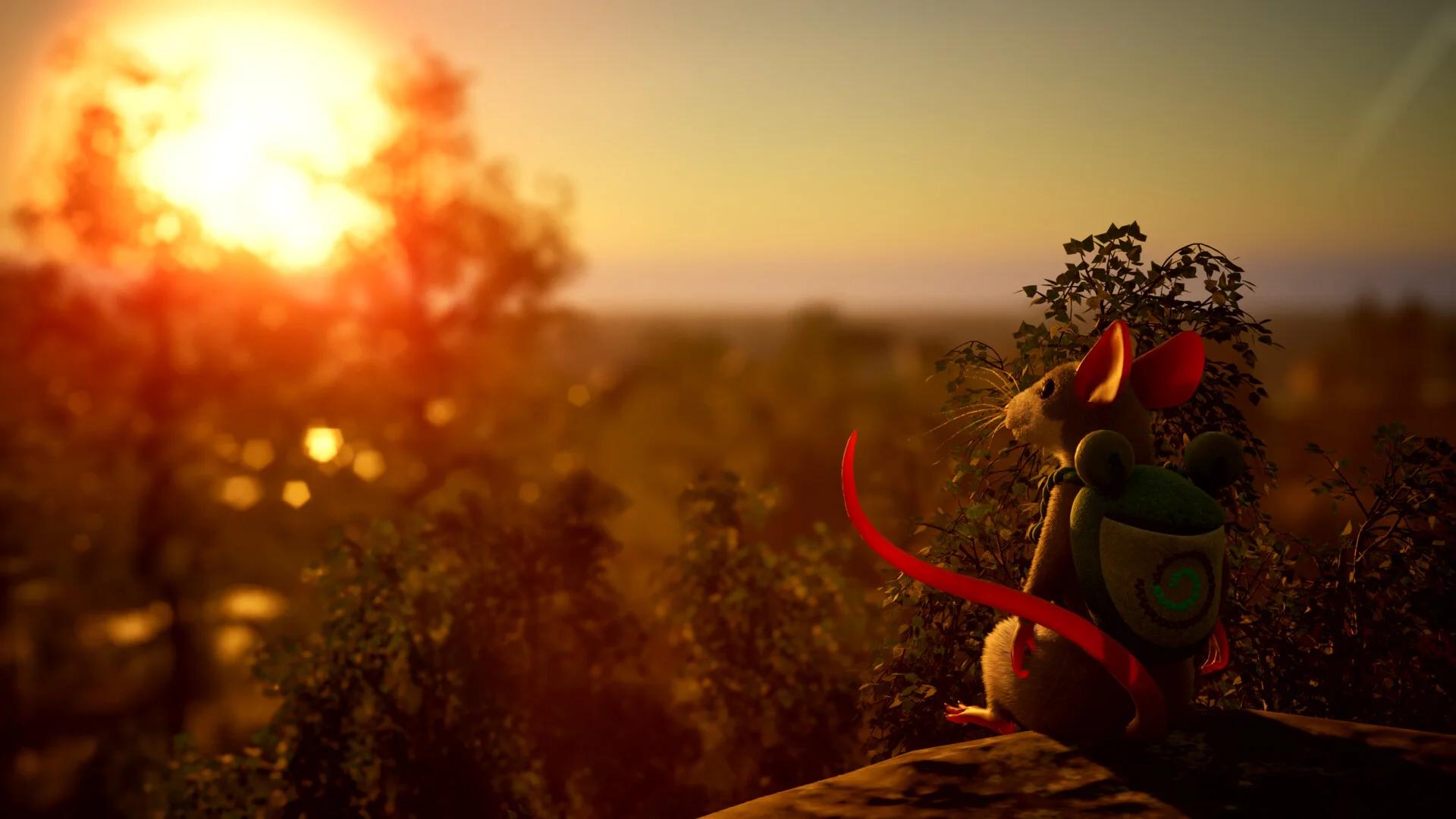
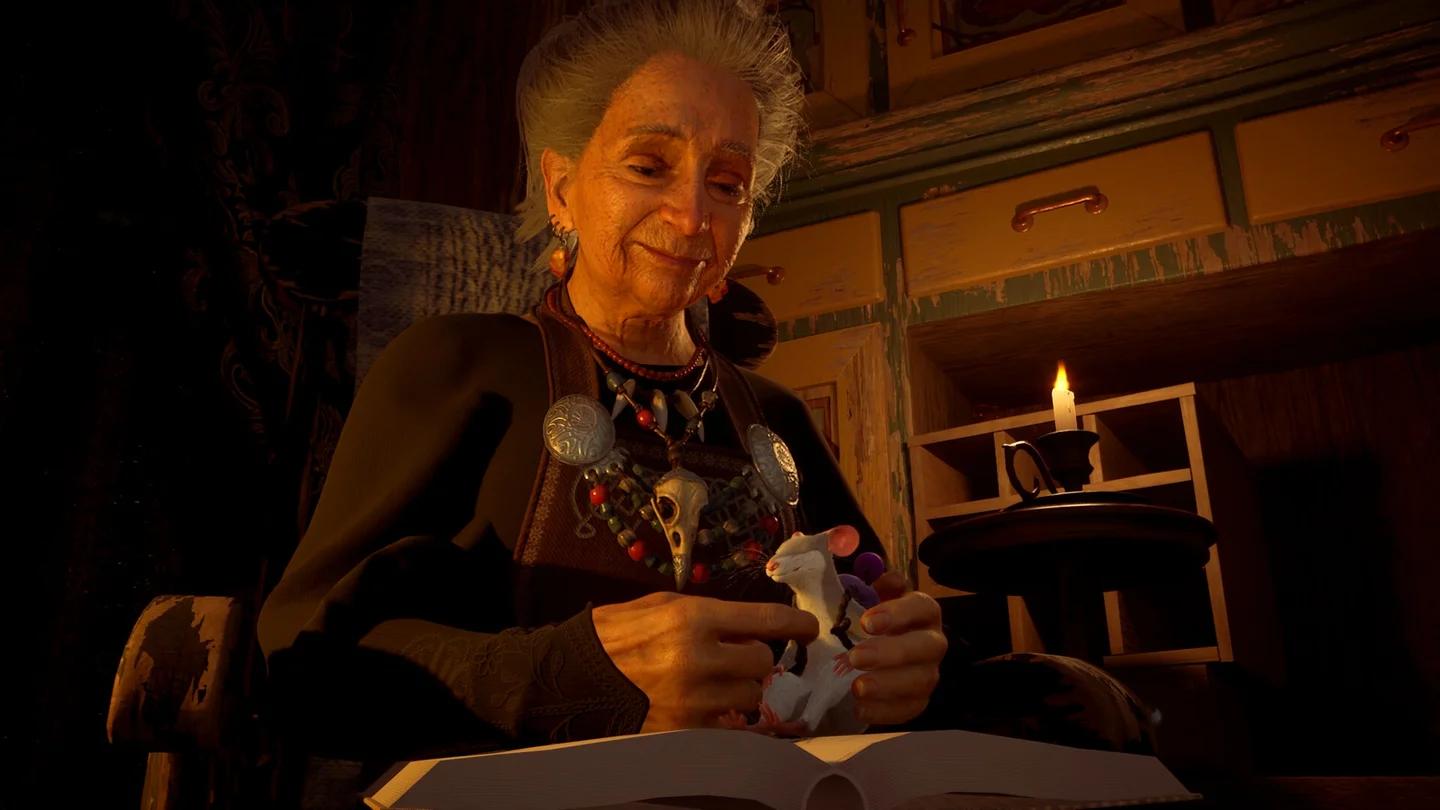
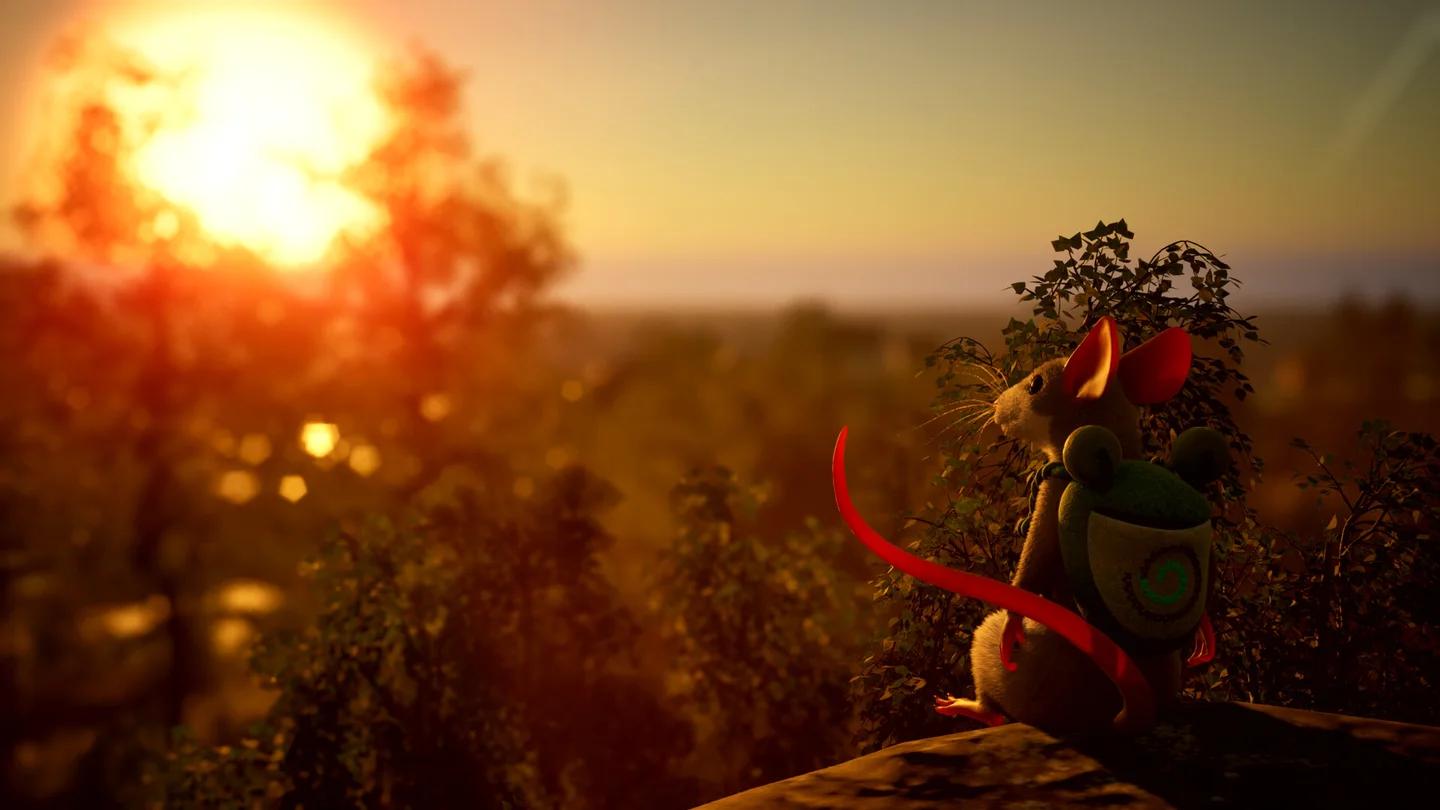
Hela: of Mice & Magic is a 3D open-world adventure from developer Windup, published by Knights Peak, set for release on December 1, 2026. Players take on the role of a small mouse familiar whose guardian witch has fallen ill, leaving the forest she once protected drifting out of harmony. The premise is simple but carries real weight: a world that depended on one caretaker now depends on the smallest, least-prepared creatures to keep it together.
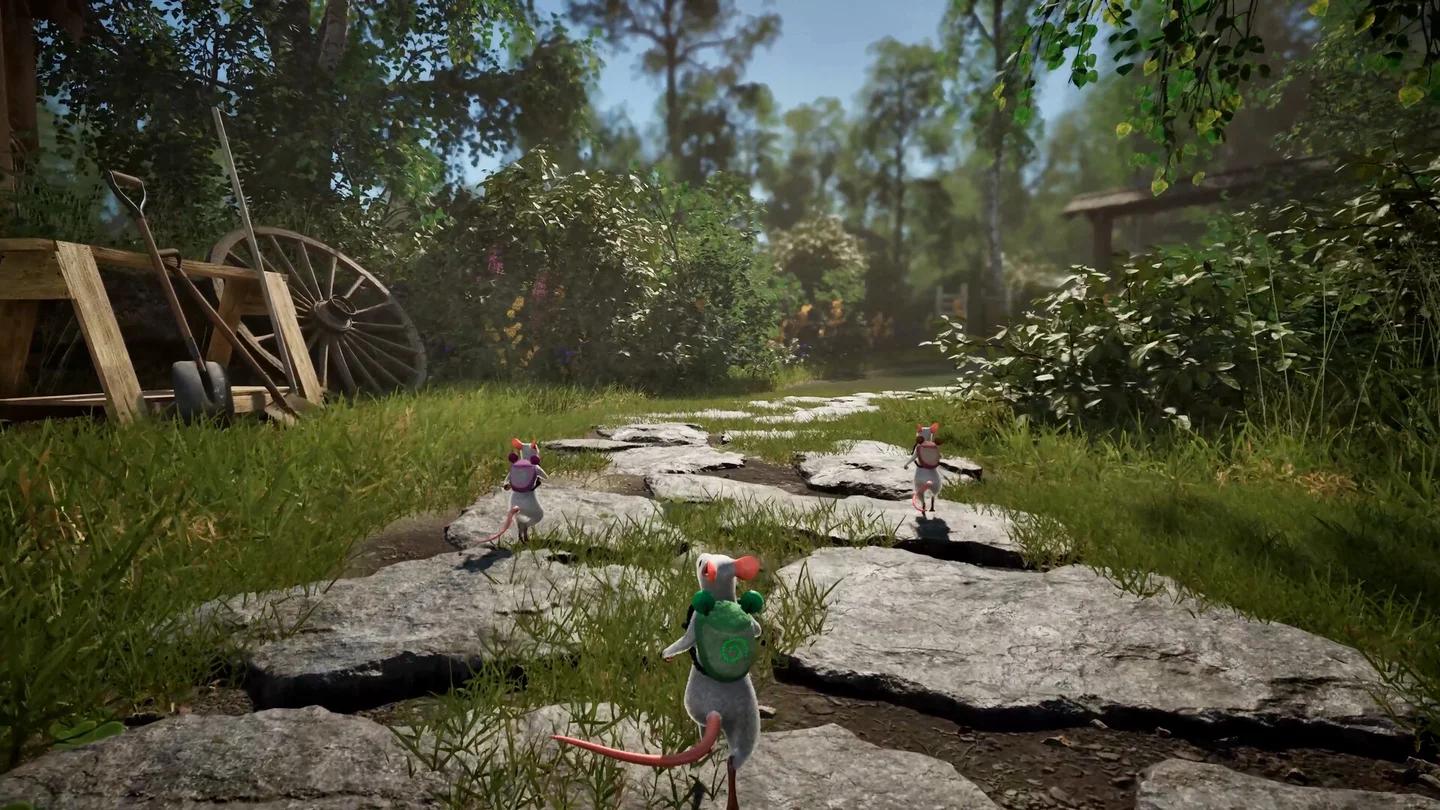
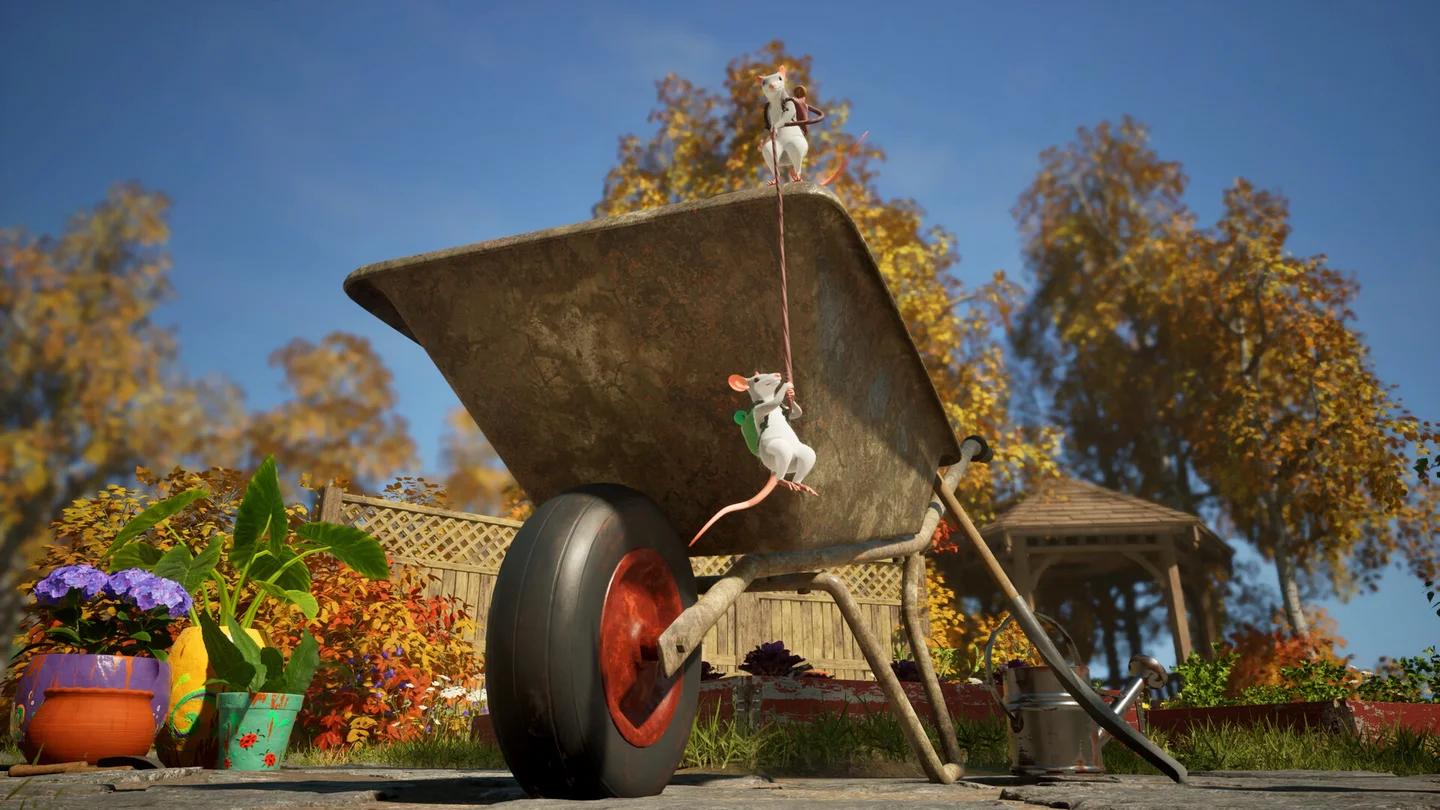
The game draws its visual identity from the landscapes of Northern Sweden, translating mountain trails, wetlands, and dense forest into spaces that feel enormous at mouse-eye level. Everyday objects become terrain. A stack of logs is a climbing challenge. A shallow puddle is a crossing puzzle. That consistent shift in perspective is what gives Hela its most distinctive quality as an open-world exploration game.
Gameplay and mechanics
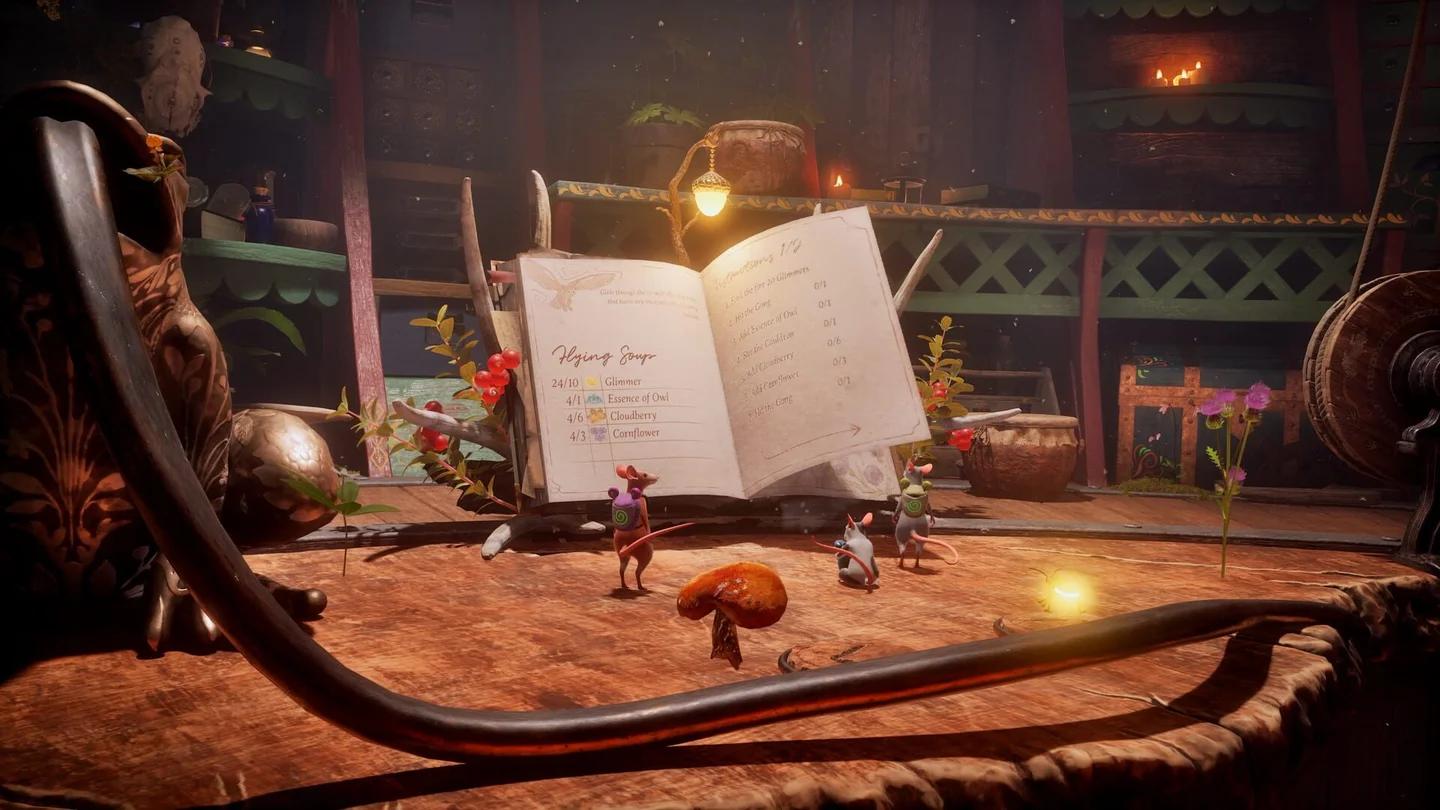
At its core, Hela runs on a loop of exploration, resource gathering, and puzzle-solving. Players collect ingredients scattered across the world and brew magical potions with specific properties, then apply those remedies to environmental challenges or hand them off to the animals and communities they meet along the way. The key features shaping that loop include:
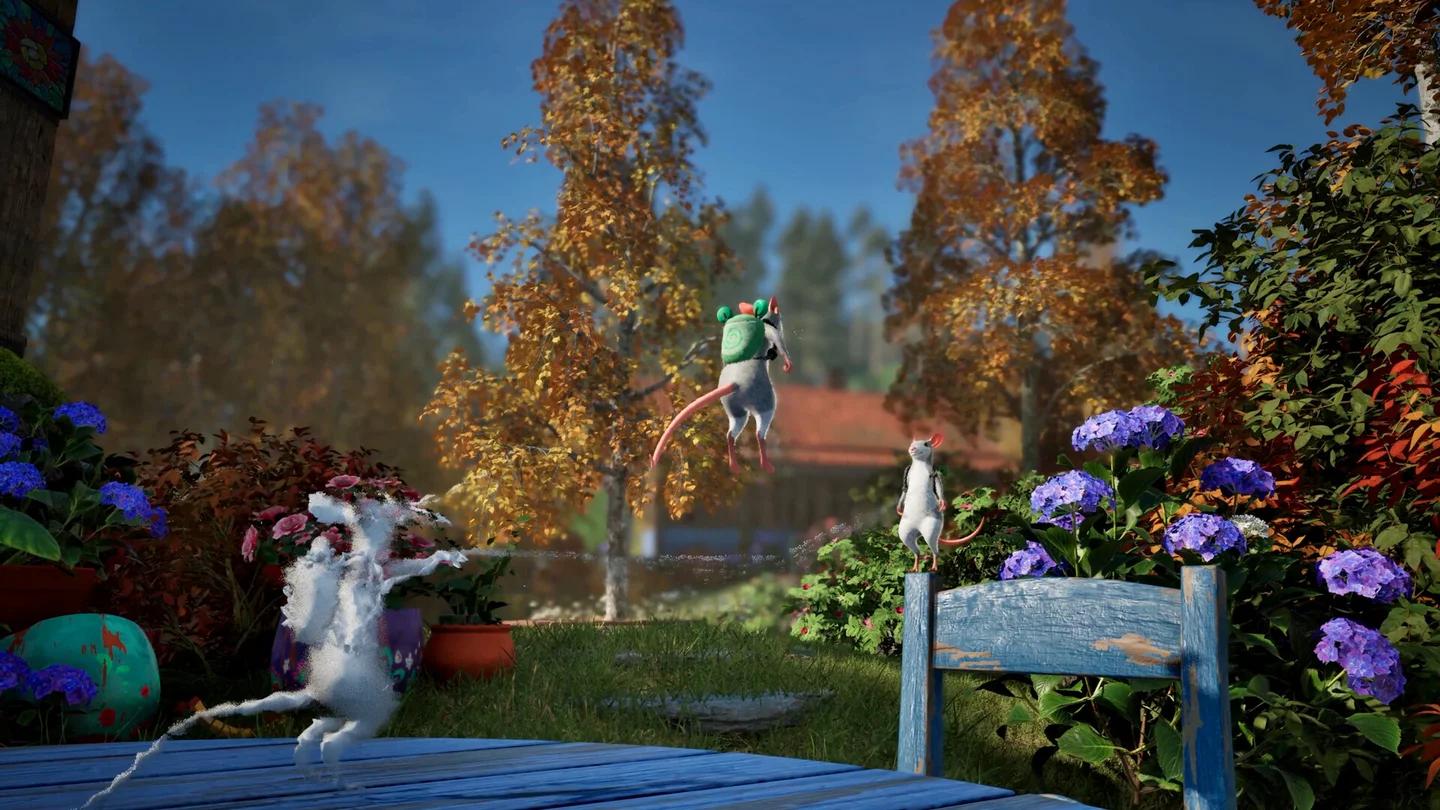
- Potion brewing using gathered ingredients
- Physics-based object interaction
- Gliding and climbing traversal
- Froggy backpack for resource collection and puzzle use
- Shade System for solo puzzle-solving
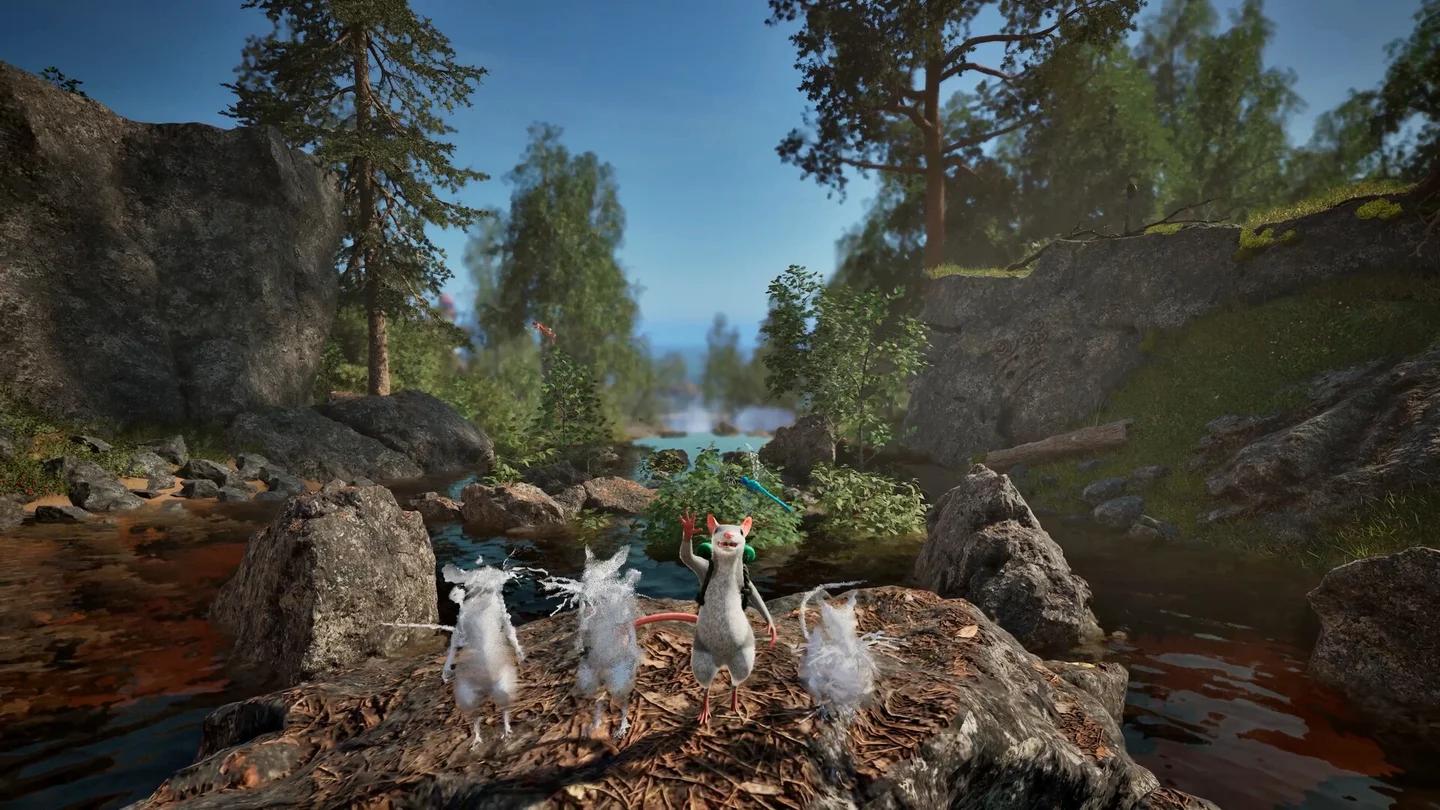
The Shade System deserves particular attention. When playing alone, players can summon magical copies of themselves to hold switches, occupy pressure plates, or interact with objects simultaneously. It's a smart solution to the problem of designing co-op puzzles that still work for a solo player, and it keeps every part of the open world accessible without requiring a second person.
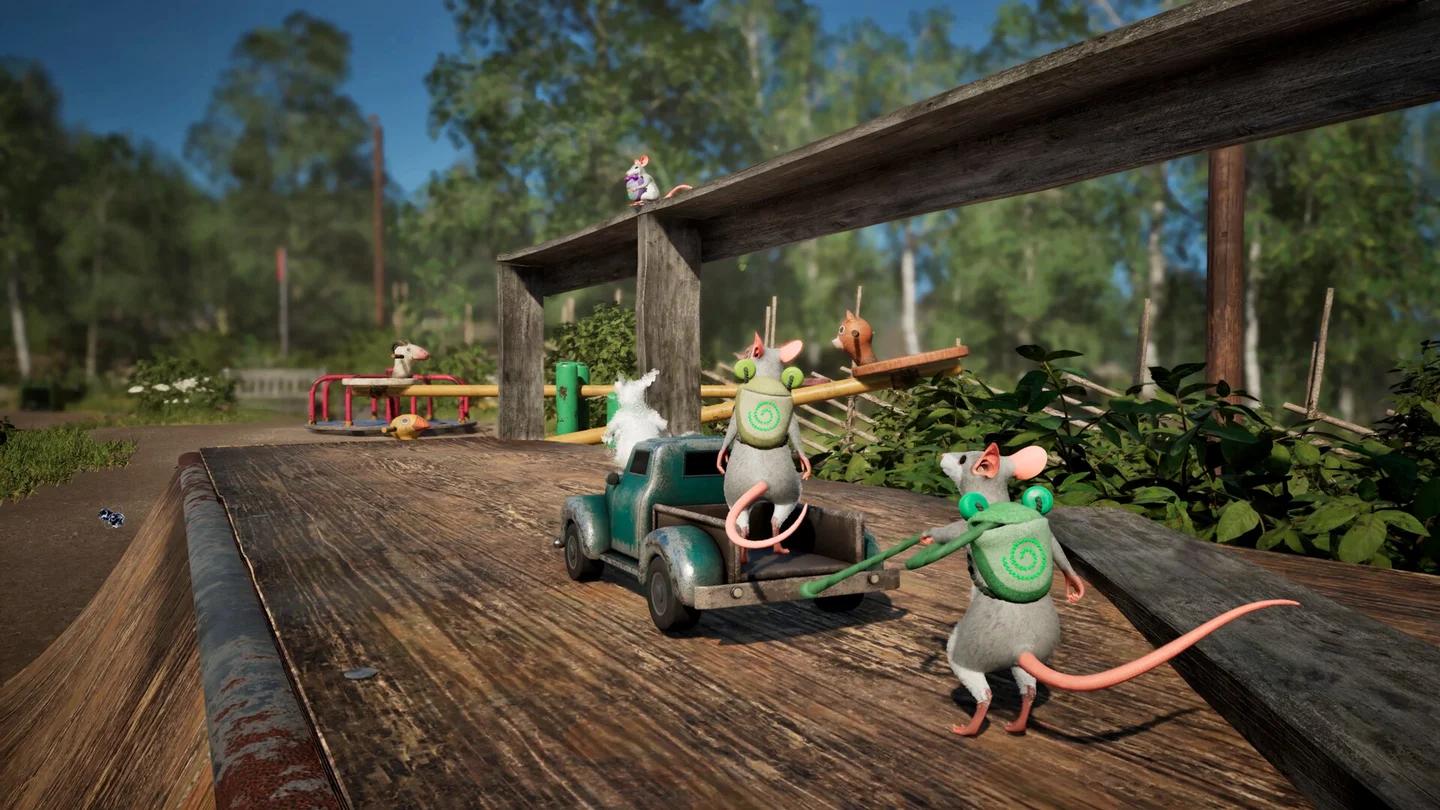
What does co-op look like in Hela?
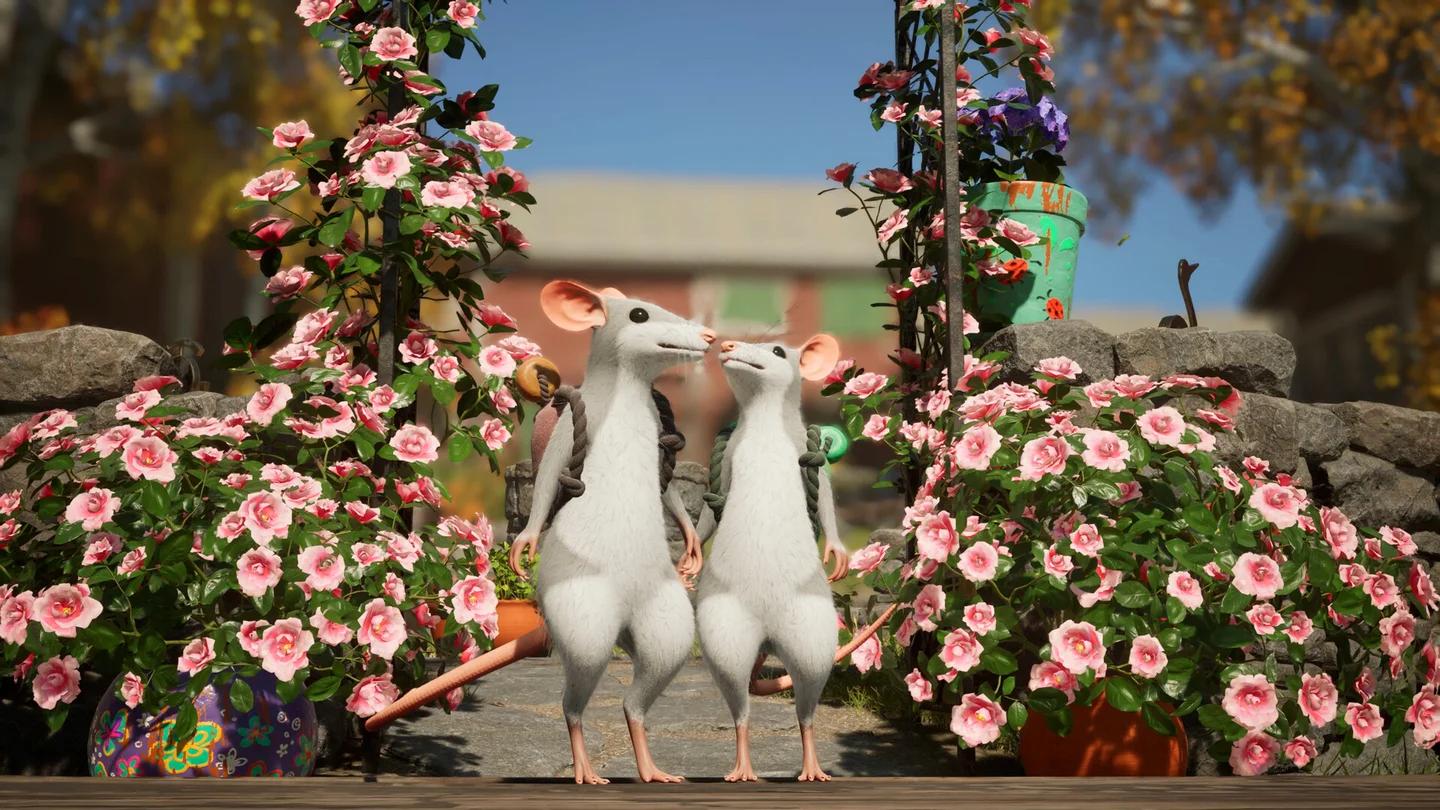
Hela supports up to 4 players in online co-op and also offers local split-screen for 2 players, making it one of the more flexible co-op setups in the genre. The full adventure is available across all modes, so nothing is gated behind a specific player count. Groups work together to solve puzzles, explore the world, and help the communities scattered across the map.
For solo players, the Shade System replaces the need for human partners entirely, ensuring the puzzle design never collapses when played alone. The game is built to be completed either way, which matters for a title with this kind of puzzle-heavy structure.
World and setting
The Northern Sweden inspiration gives Hela a visual consistency that distinguishes it from the generic fantasy forests common to the genre. Rugged mountain paths, misty wetland stretches, and tranquil lakesides all appear within the same open world, each biome carrying a different mood while maintaining the same grounded naturalism. Hidden paths and scattered story fragments reward players who take time to explore off the main route.
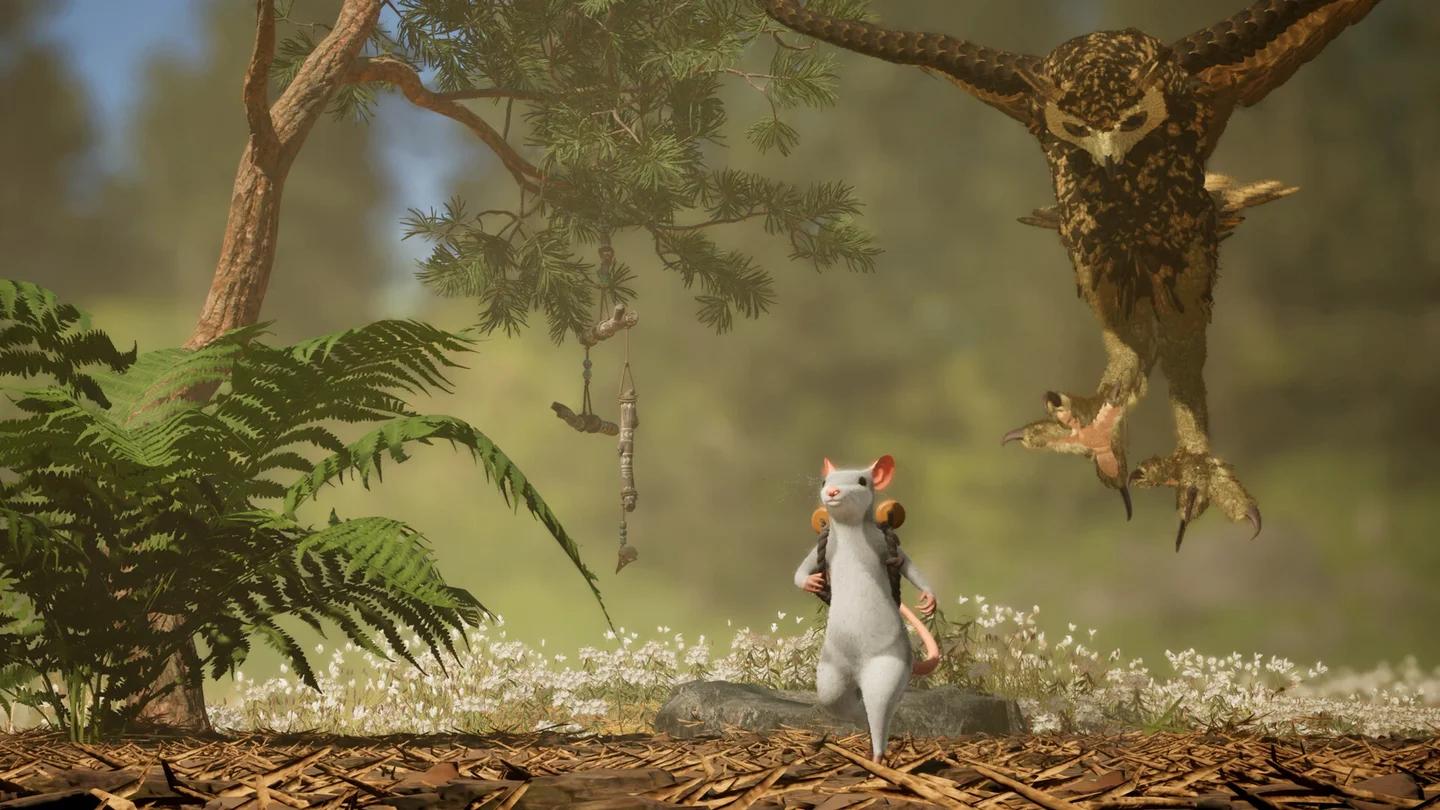
The witch's presence runs through the world even in her absence. Her magic acts as a safety net, catching the player when things go wrong, which keeps the tone gentle rather than punishing. Hela is clearly not trying to be a difficult game. The challenge lives in creative thinking and curiosity, not reflexes or attrition.
Multiplayer and social
Hela's co-op structure is one of its most practical strengths as an open-world adventure game. Local split-screen makes it genuinely playable on a single screen with a friend, while the 4-player online option opens it up to groups spread across different locations. The physics system, which governs how objects in the world behave, creates space for players to find their own solutions rather than following a single scripted path. That freedom becomes more interesting with multiple players experimenting simultaneously, making the co-op experience feel collaborative rather than just doubled.