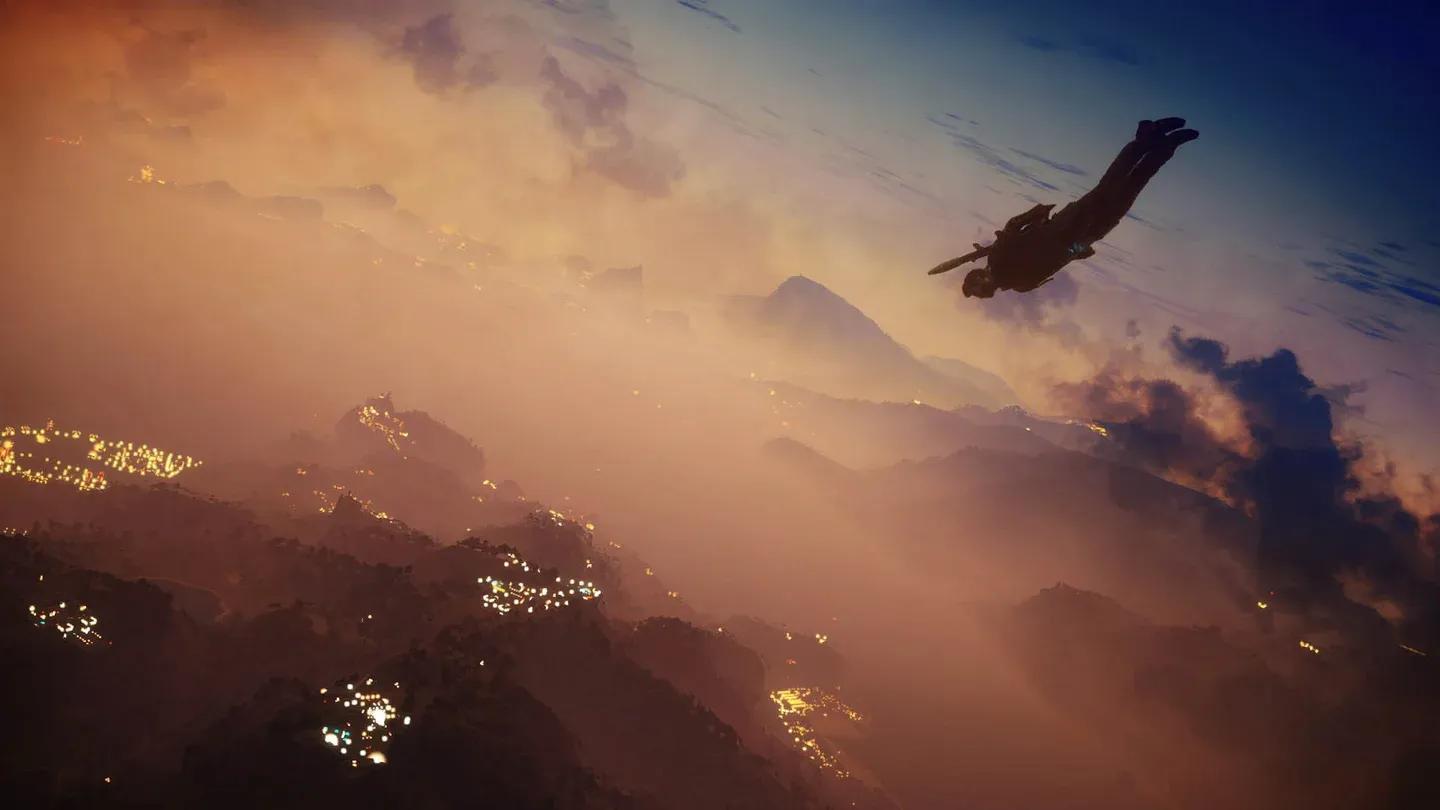
Overview
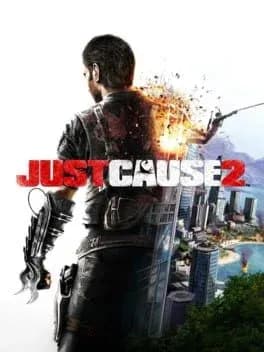
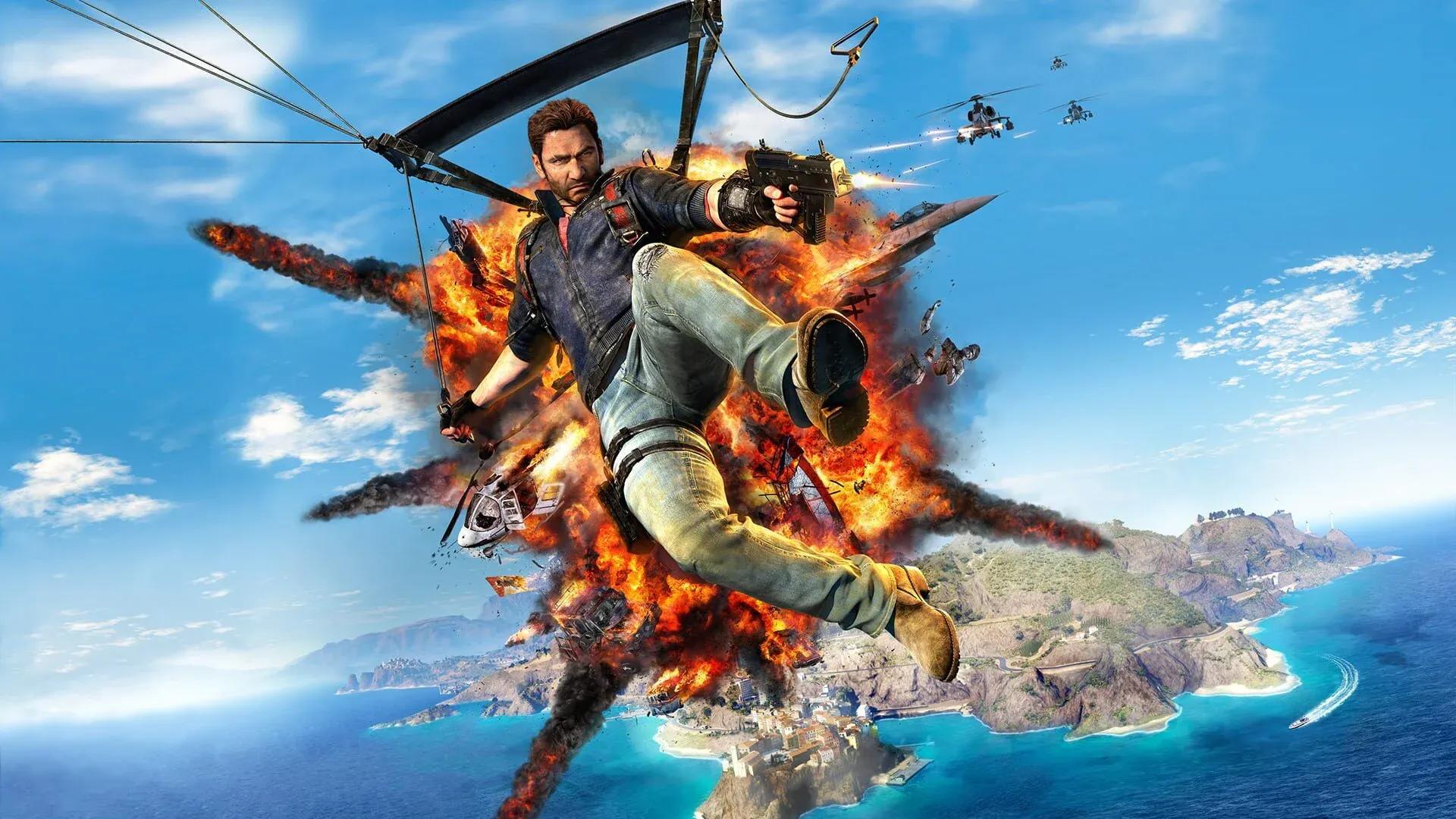
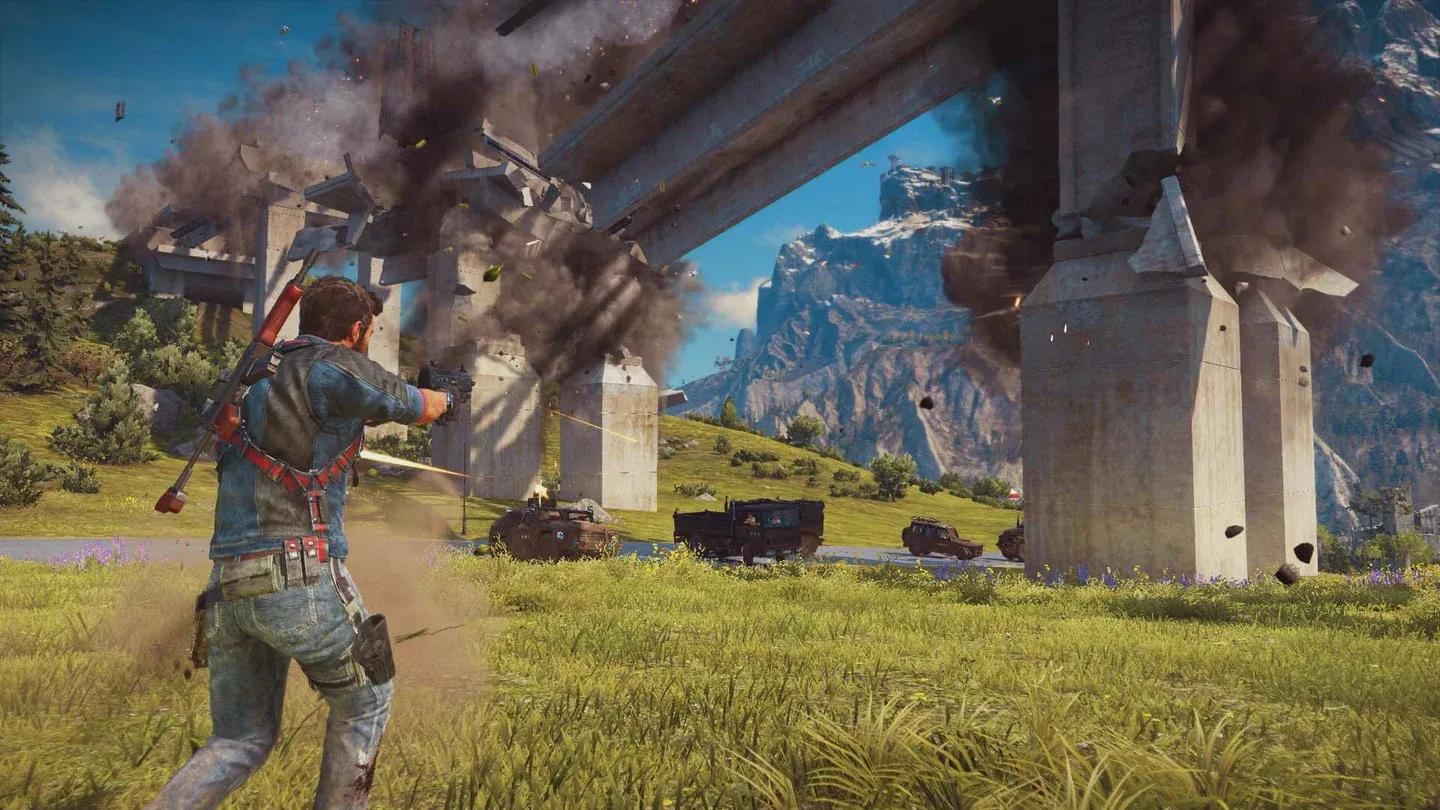
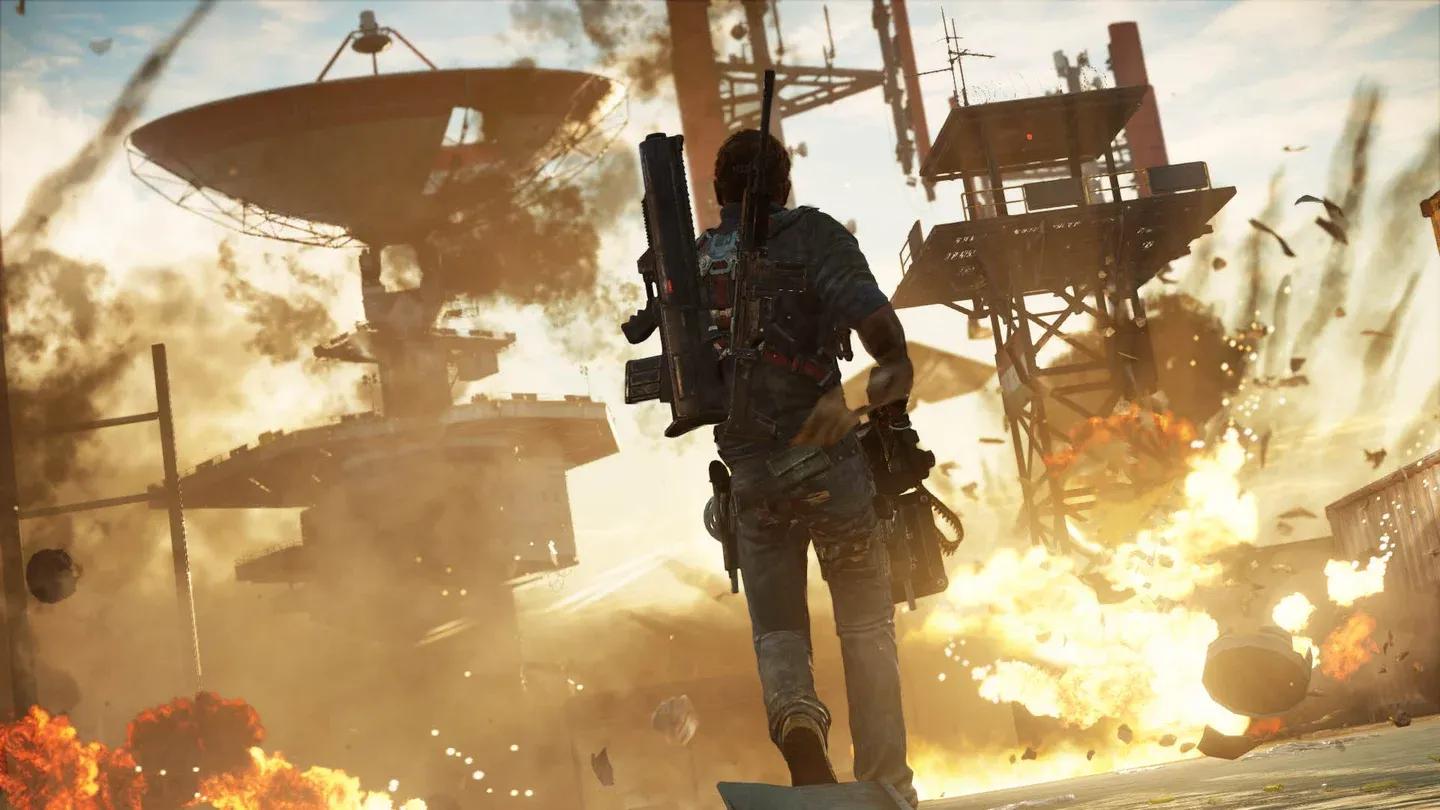
Just Cause 3 drops Rico Rodriguez into Medici, a fictional Mediterranean republic locked under the iron grip of General Di Ravello. The mission is straightforward: liberate every town, base, and outpost on the island by destroying the regime's infrastructure. What makes it memorable is how it gets there. Avalanche Studios built a 400-square-mile playground where the answer to almost every problem is creative, spectacular destruction.
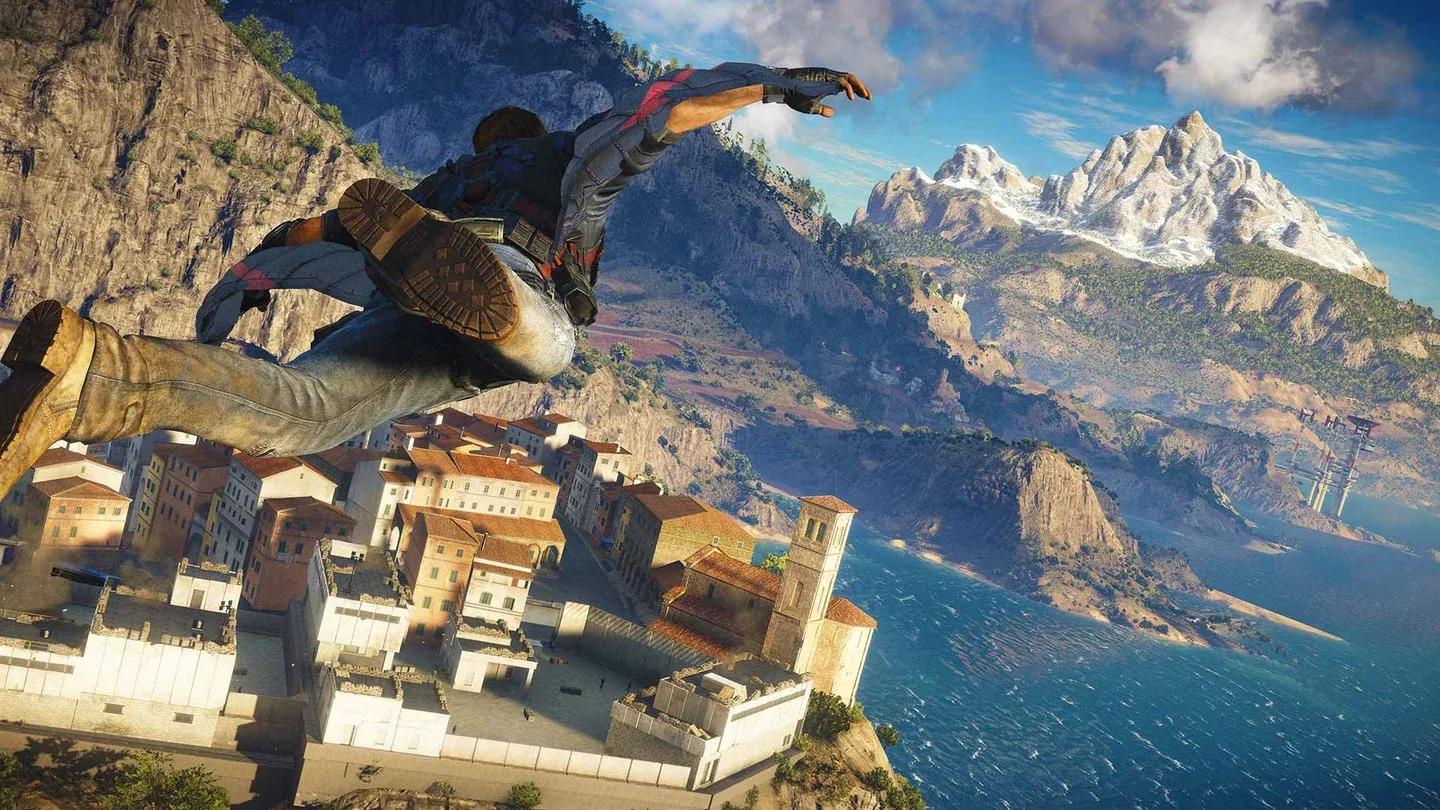
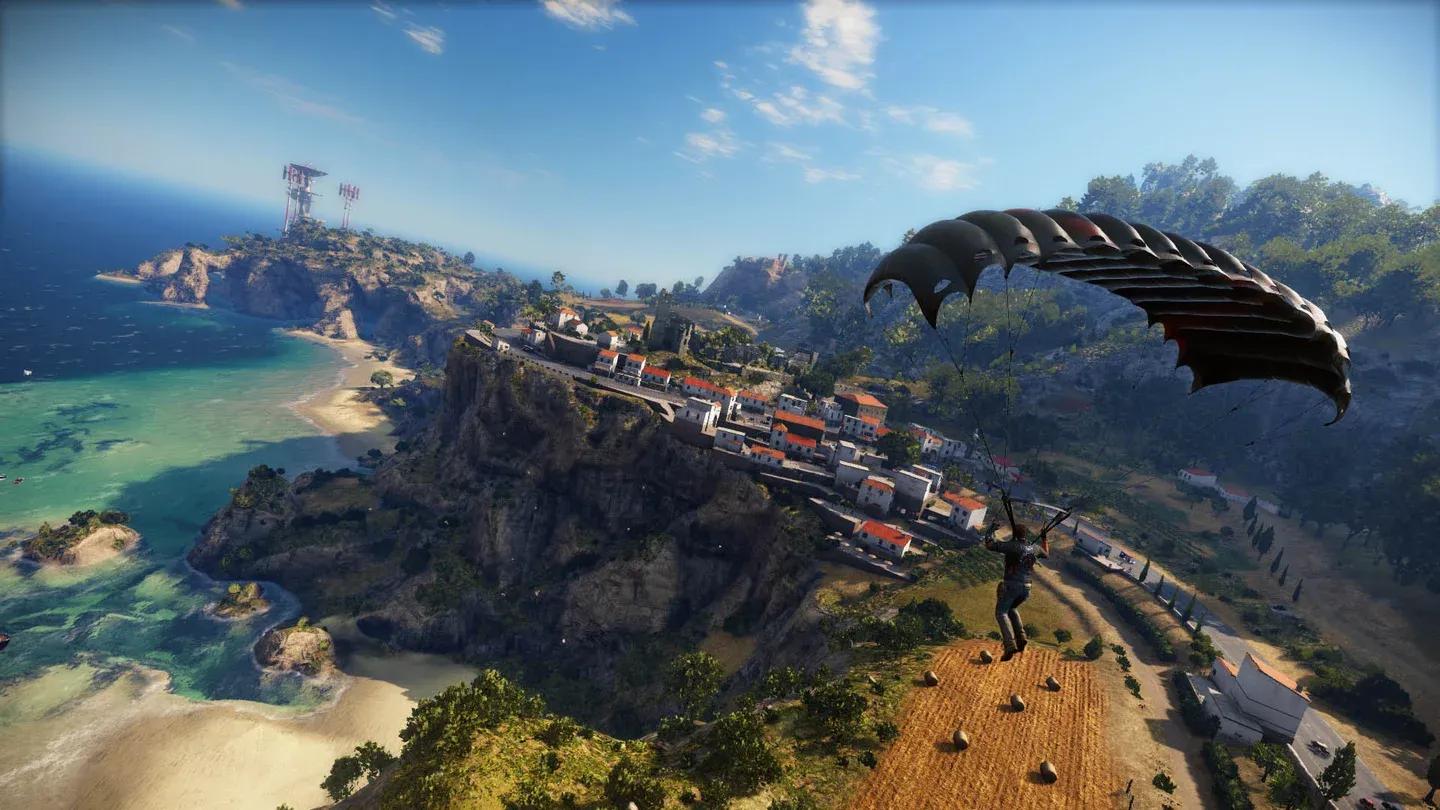
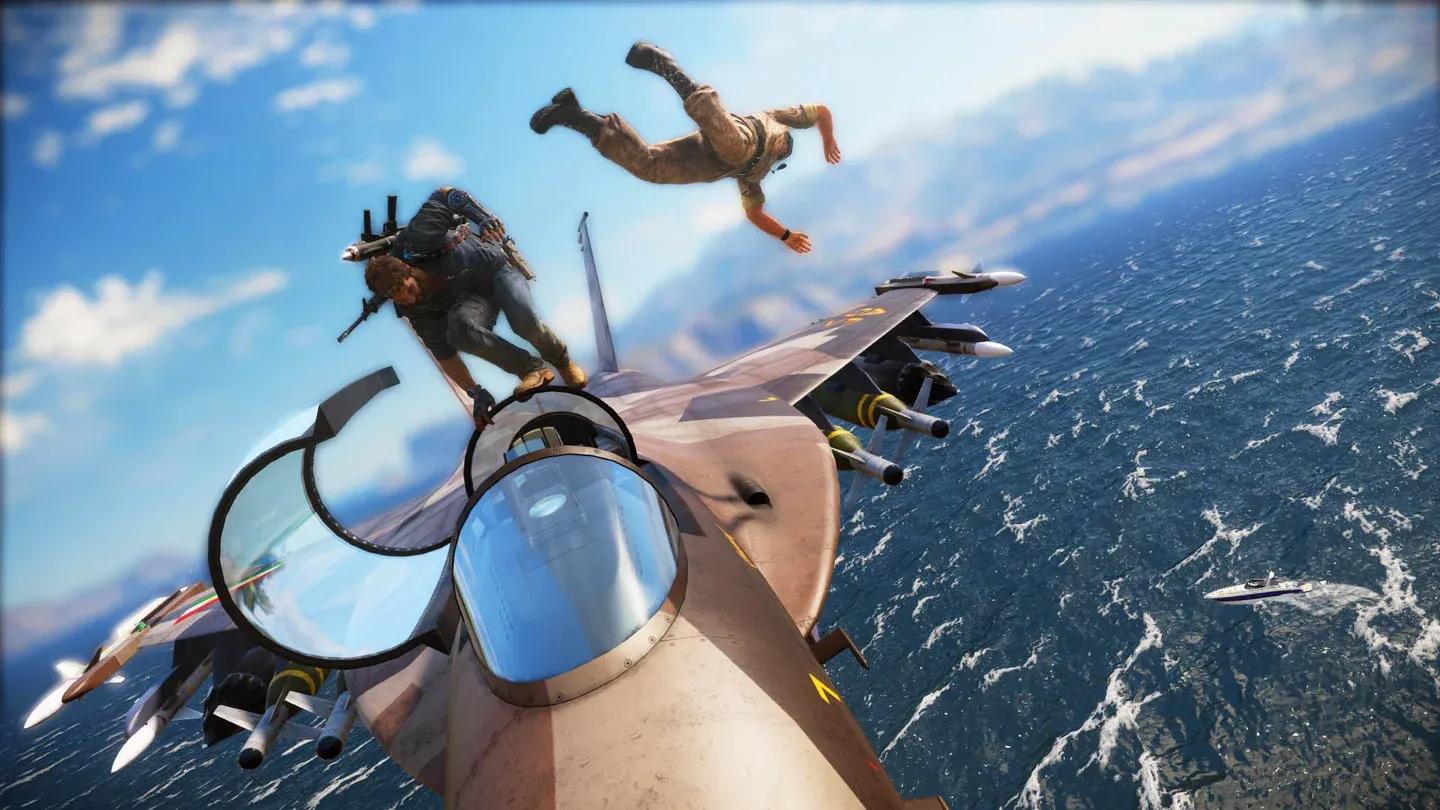
The open world stretches from sea floor to sky, and the game means that literally. Rico can skydive from jets, BASE jump off cliffs, free dive into the ocean, and transition between all three in seconds. The sheer verticality separates Just Cause 3 from most open-world action games, where movement usually stays grounded. Here, the air is as much a tool as any weapon in the arsenal.
Just Cause™ 3 content image
Gameplay and mechanics: how does Just Cause 3 actually play?
The core loop centers on liberation. Every region of Medici contains military installations filled with destructible objectives, and completing them hands control back to the resistance. It sounds simple, but the execution is the point. Rico's toolkit includes:
Just Cause™ 3 content image
- Grapple hook with multi-tether function
- Wingsuit for aerial traversal
- Parachute for rapid deployment
- Full vehicle hijacking
- Airstrike calling
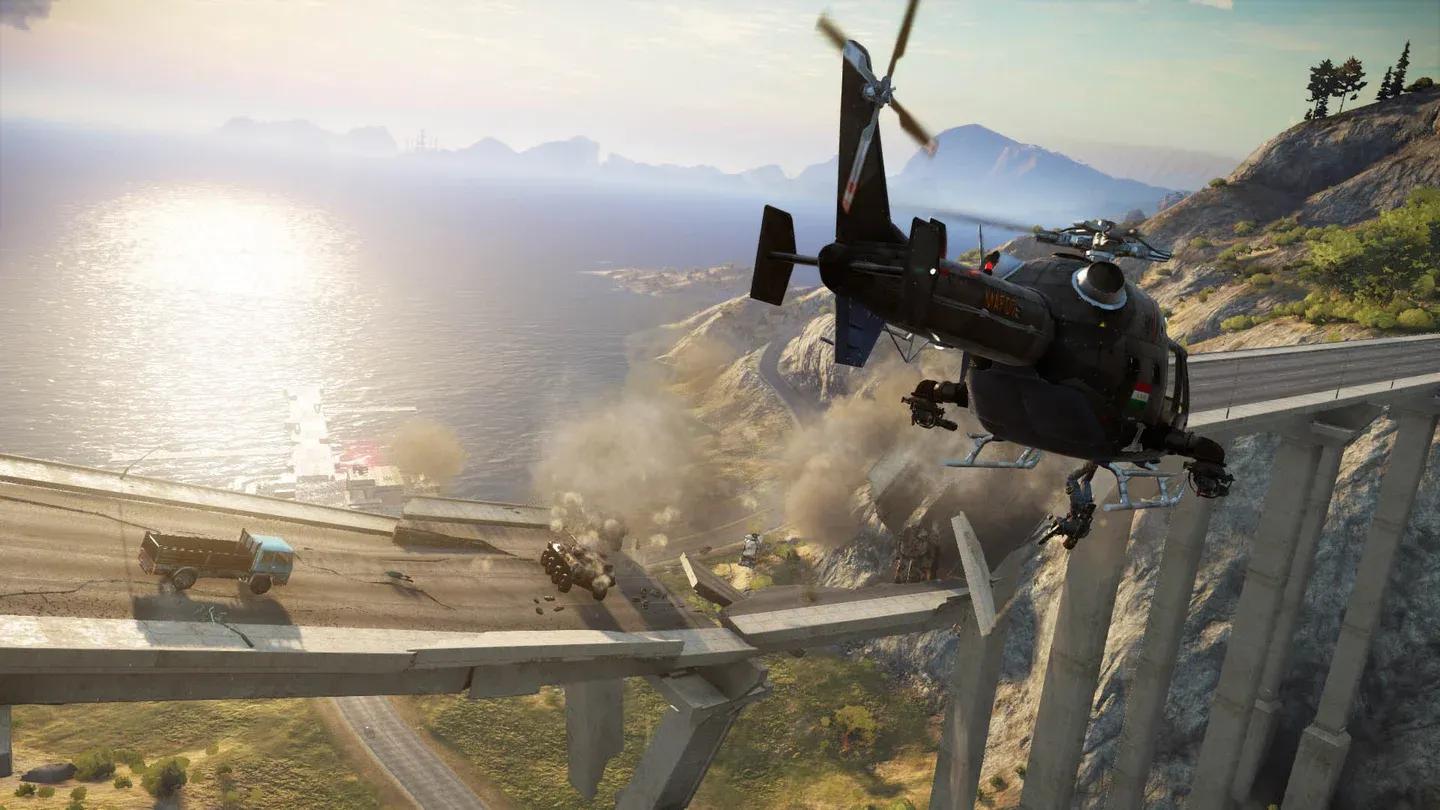
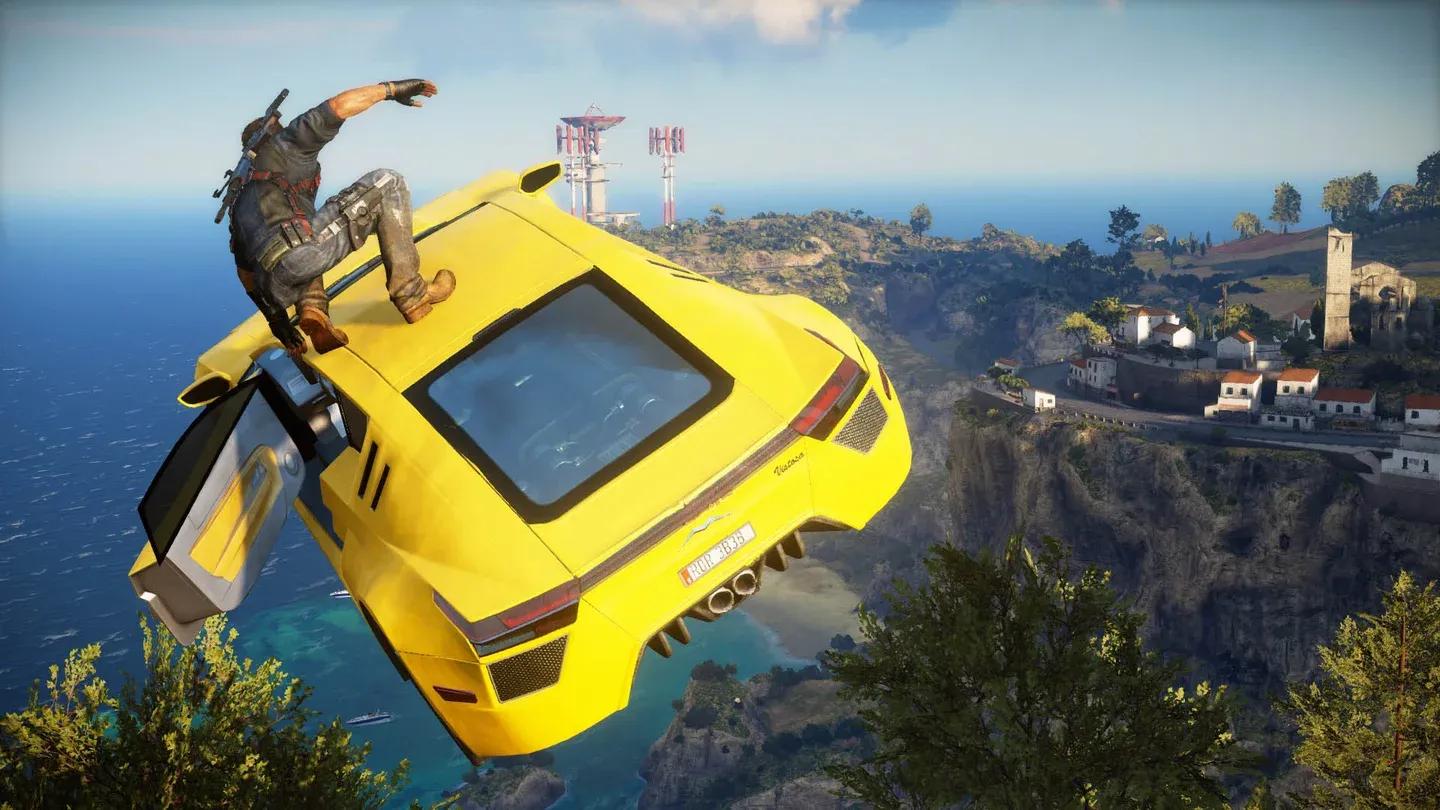
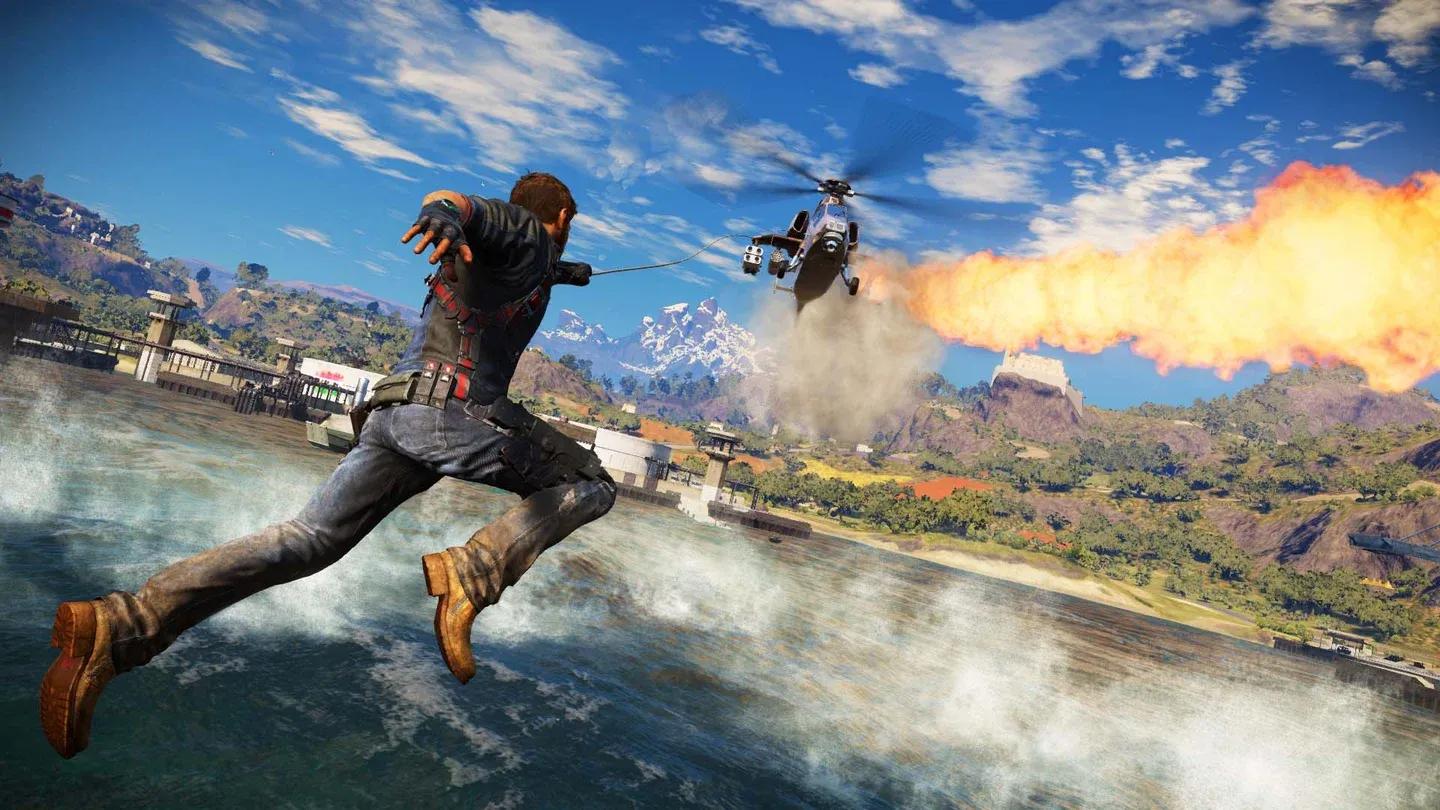
The multi-tether grapple is where the game finds its personality. Connecting a fuel tank to a soldier, a helicopter to a watchtower, or two enemy vehicles to each other produces chains of destruction that feel genuinely player-authored. No two base liberations play out the same way, and that's the mechanic that kept critics scoring it between 8 and 9.5 out of 10 across major outlets.
World and setting: what is Medici?
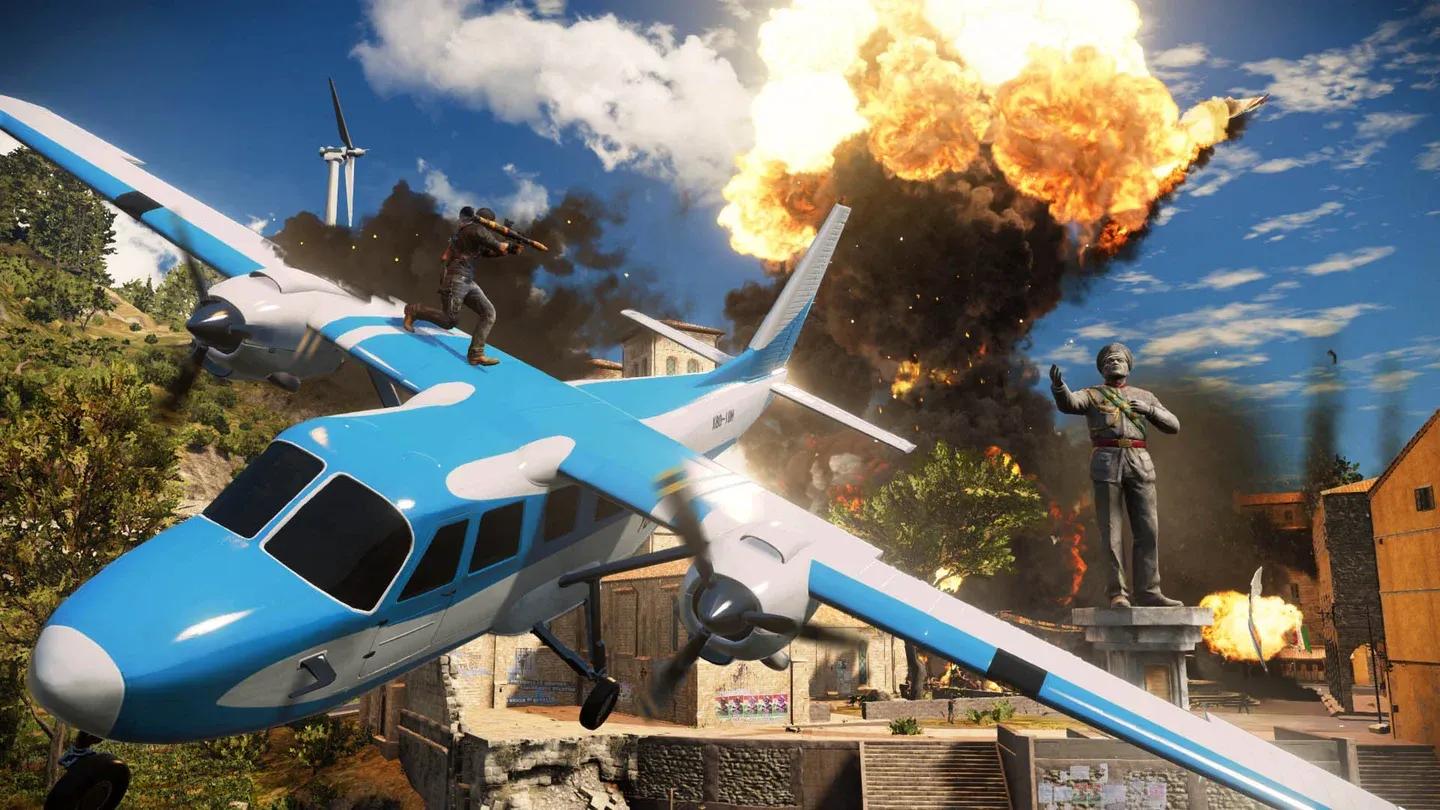
Medici is a sun-drenched island nation that reads like a Mediterranean holiday gone catastrophically wrong. Coastal towns, mountain fortresses, industrial complexes, and prison facilities are scattered across the map, each with its own visual identity. The setting gives the destruction a backdrop worth caring about, even if the story never quite matches the spectacle of the sandbox itself.
General Di Ravello makes for a serviceable villain, his appetite for a mysterious mineral called Bavarium driving the plot forward. The narrative is thin by design, existing mainly to justify the next explosion. That's not a flaw so much as an honest statement of priorities.
Just Cause™ 3 content image
Content and replayability
Beyond the main campaign, Just Cause 3 includes dozens of challenge missions tied to vehicles, combat, and traversal, each with leaderboard scores that push for replay. The XXL Edition bundles the Air, Land and Sea Expansion Pass alongside the Weaponized Vehicle Pack, Explosive Weapon Pack, Reaper Missile Mech, and Kousavá Rifle, adding mech combat, a Sky Fortress assault, and the Bavarium Sea Heist to the base game's already substantial content.
The expansion content meaningfully changes how the game plays. Mech Land Assault introduces pilotable mechs with gravity guns. Sky Fortress adds a jetpack and a massive aerial installation to tear apart. These aren't cosmetic additions; they each introduce new movement and combat options that extend the sandbox's range.
Just Cause™ 3 content image
Impact and legacy
Just Cause 3 sits in a specific category of open-world games that prioritize player expression over narrative density. The grapple-wingsuit-parachute movement system influenced how later games approached traversal freedom, and the destruction model still holds up as one of the more satisfying in the genre. Its movement and destruction systems still make it a distinctive open-world action sandbox.
| Requirement | Minimum | Recommended |
|---|---|---|
| Processor | Intel Core i5-2500k, 3.3GHz / AMD Phenom II X6 1075T 3GHz | Intel Core i7-3770, 3.4 GHz / AMD FX-8350, 4.0 GHz |
| Memory | 8 GB RAM | 8 GB RAM |
| Graphics | NVIDIA GeForce GTX 670 (2GB) / AMD Radeon HD 7870 (2GB) | NVIDIA GeForce GTX 780 (3GB) / AMD R9 290 (4GB) |