
Biggest discounts, free games, and limited-time offers across every major gaming store.
Never pay full price again.
Overview
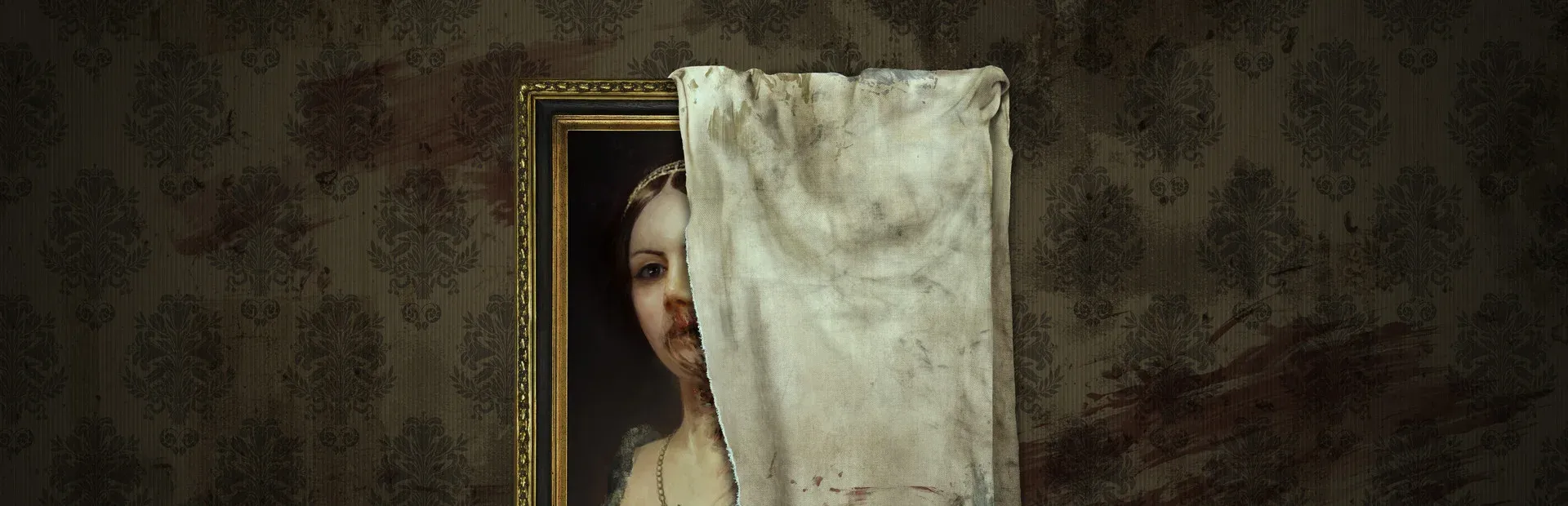
Layers of Fear, released on February 15, 2016 by Bloober Team, is a first-person psychological horror game set inside a sprawling Victorian mansion that shifts and mutates with every step. The player inhabits a painter deep in the grip of obsession and madness, moving through a house that doesn't follow the rules of architecture or logic. The goal is to complete a masterpiece, but the path to finishing it peels back layer after layer of trauma, grief, and deterioration.
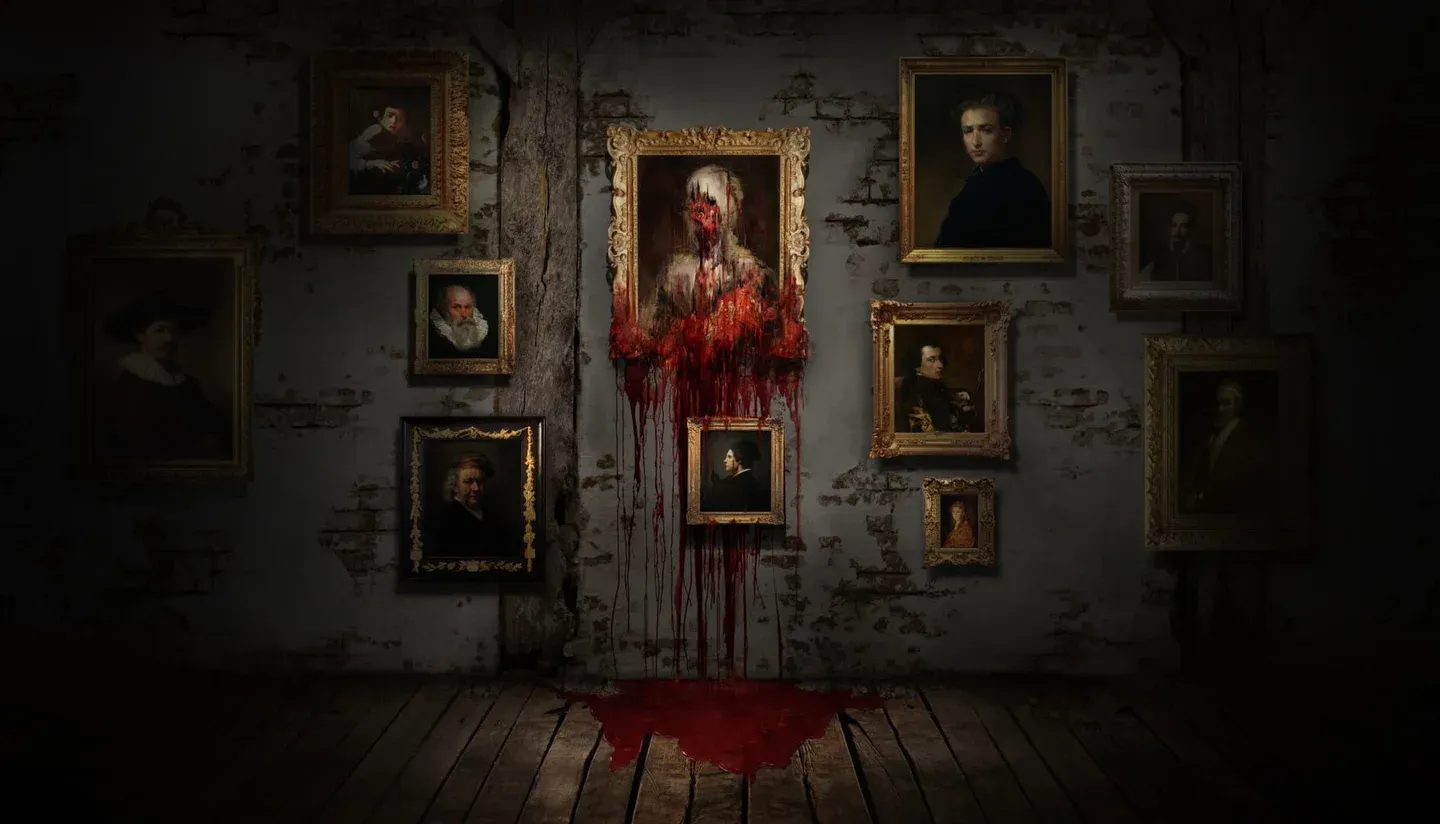
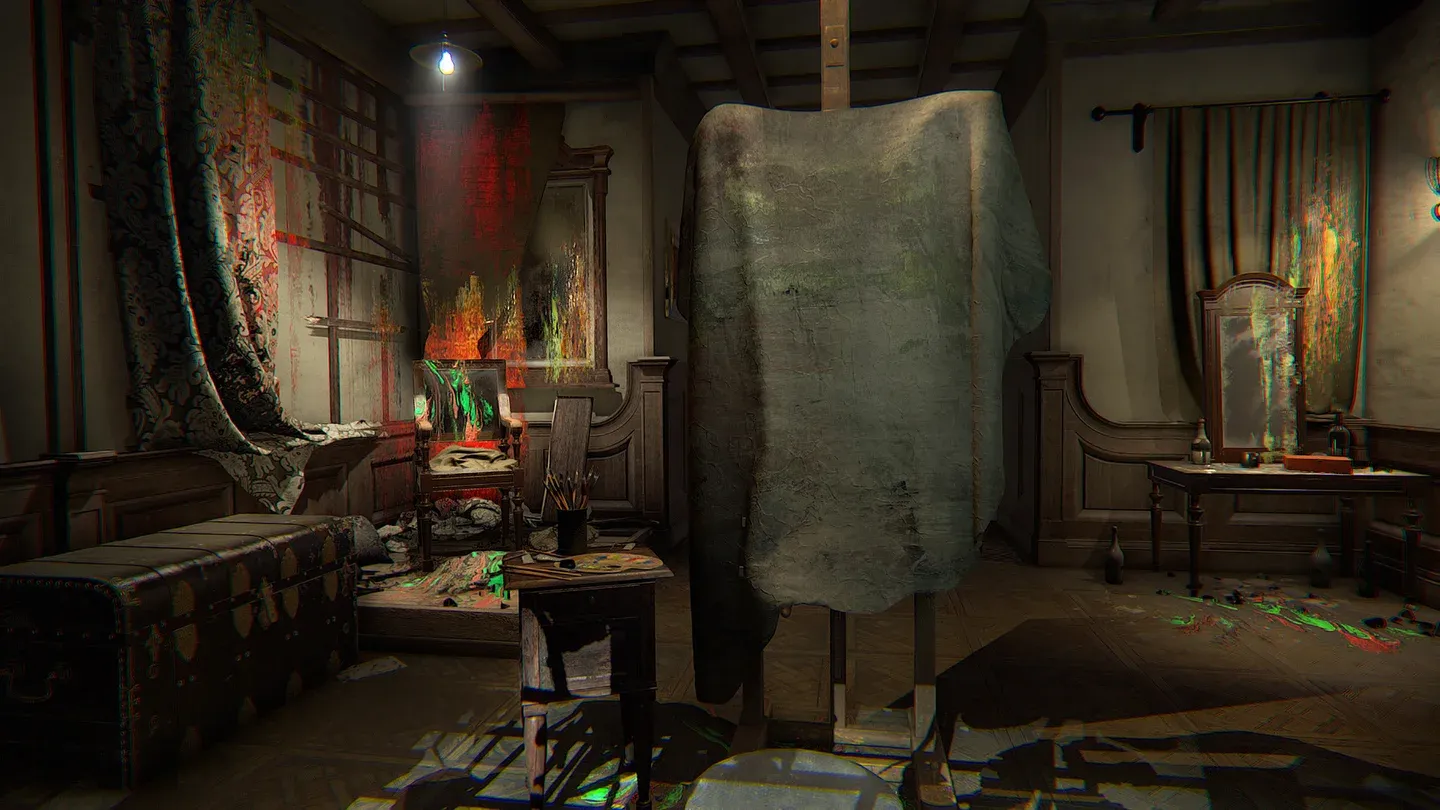
The game draws heavily from 19th-century painting traditions and Victorian-era aesthetics, referencing the kind of grand, brooding canvases that hang in museums and unsettle viewers who look too long. Bloober Team built an entire visual language around this influence, and it shows in every room the painter stumbles through.
Layers of Fear (2016) content image
Gameplay and mechanics
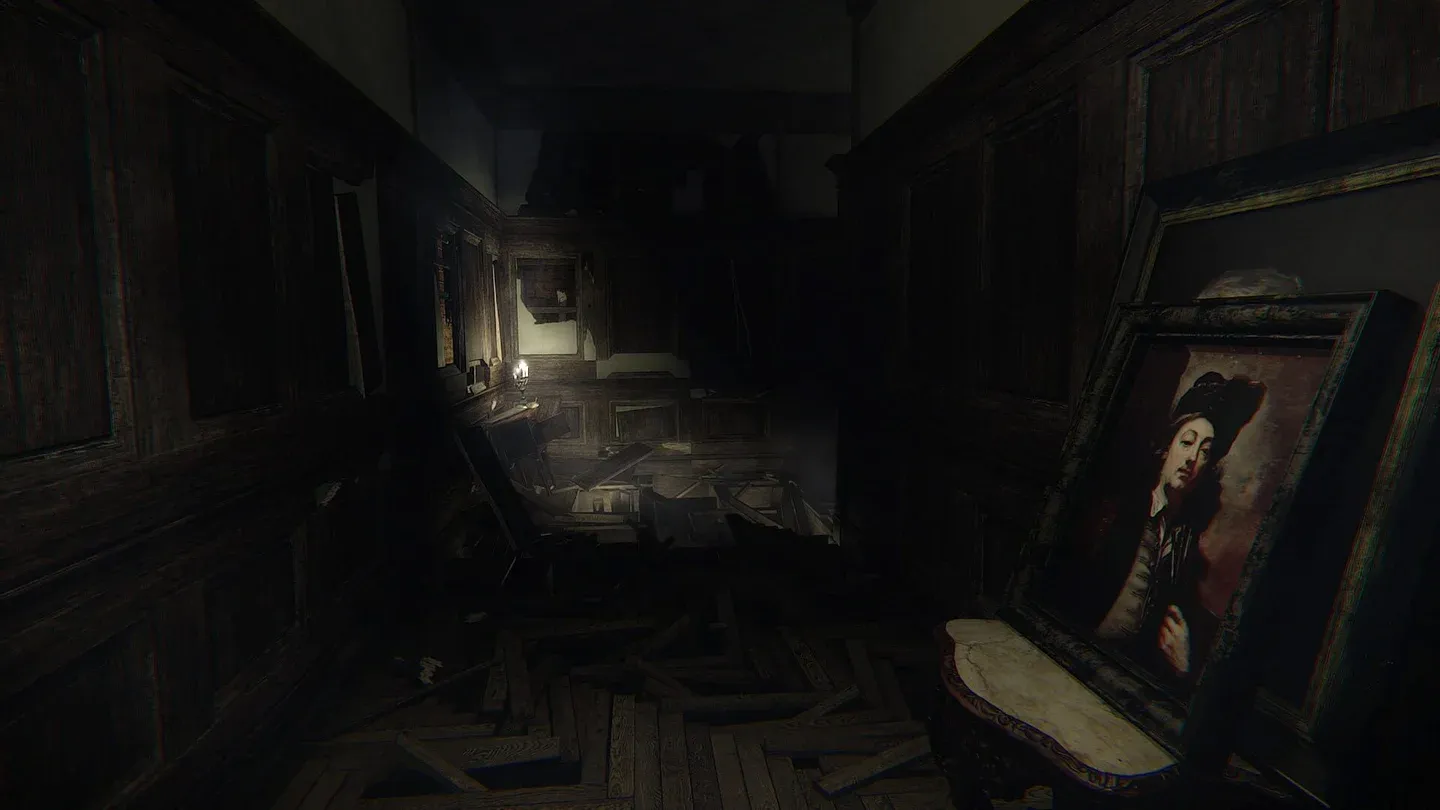
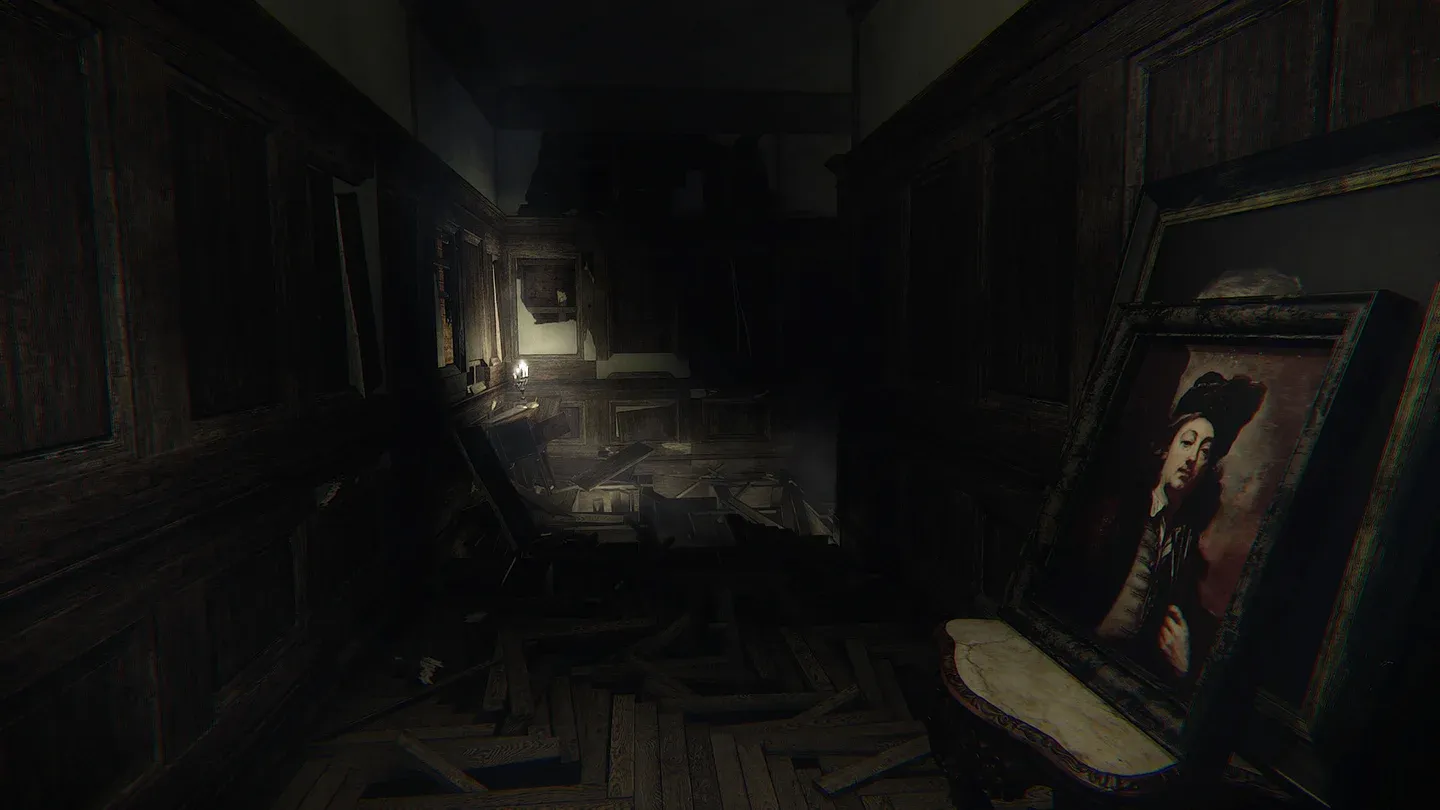
Layers of Fear is a walking simulator at its core, with puzzle elements woven in to break up the exploration. There are no enemies to fight and no health bar to manage. The tension comes entirely from environmental storytelling and the house's habit of rearranging itself when you turn around.
Layers of Fear (2016) content image
Key gameplay elements include:
- Environmental exploration through shifting rooms
- Collectible notes, letters, and objects that build the story
- Multiple endings based on player choices
- Puzzle sequences tied to specific memories
- A constantly evolving map that defies repetition
The lack of traditional horror mechanics is a deliberate choice. Bloober Team wanted dread to come from atmosphere rather than jump-scare loops, and the game largely succeeds at that. Rooms that looked one way thirty seconds ago now look entirely different, and the disorientation never fully lets up.
Layers of Fear (2016) content image
World and setting
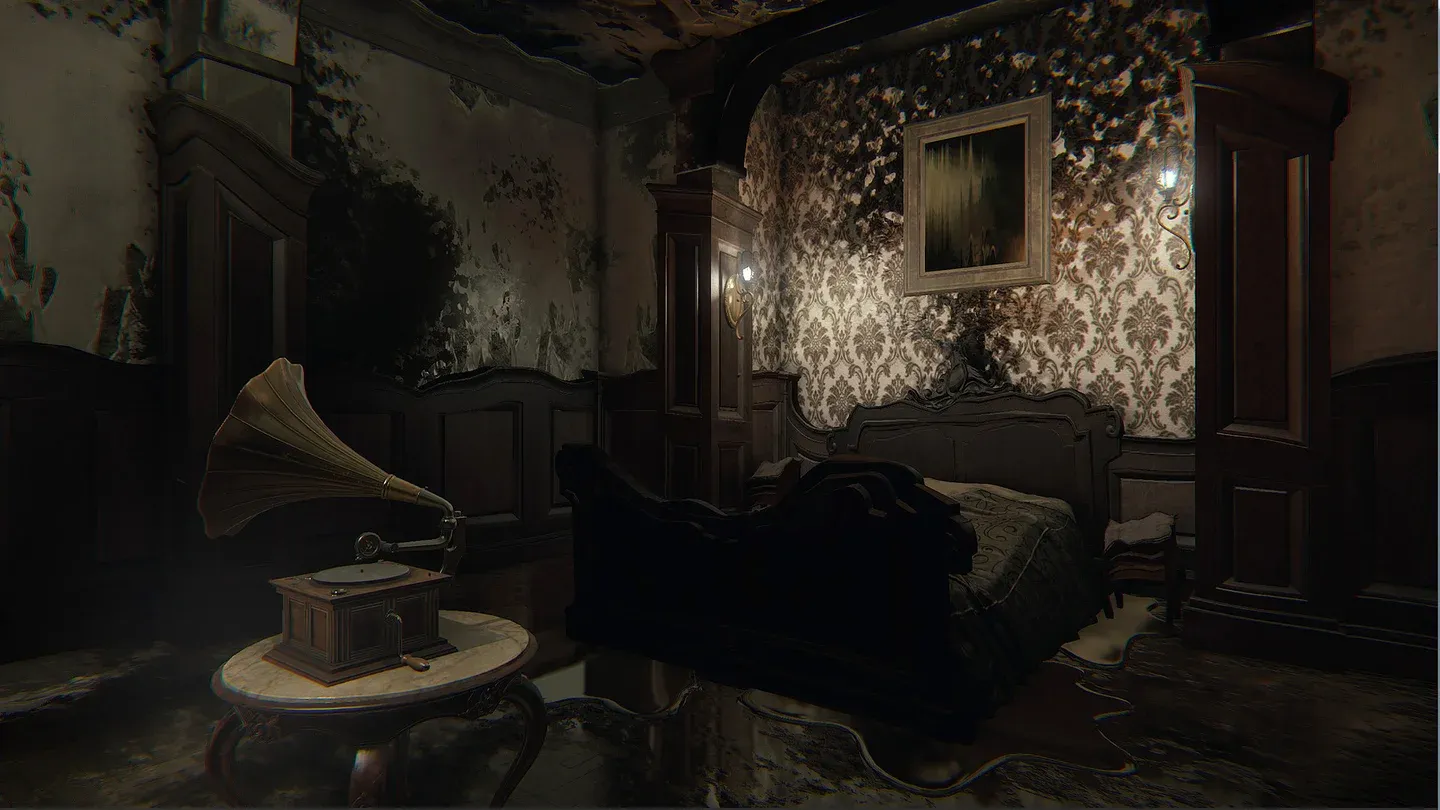
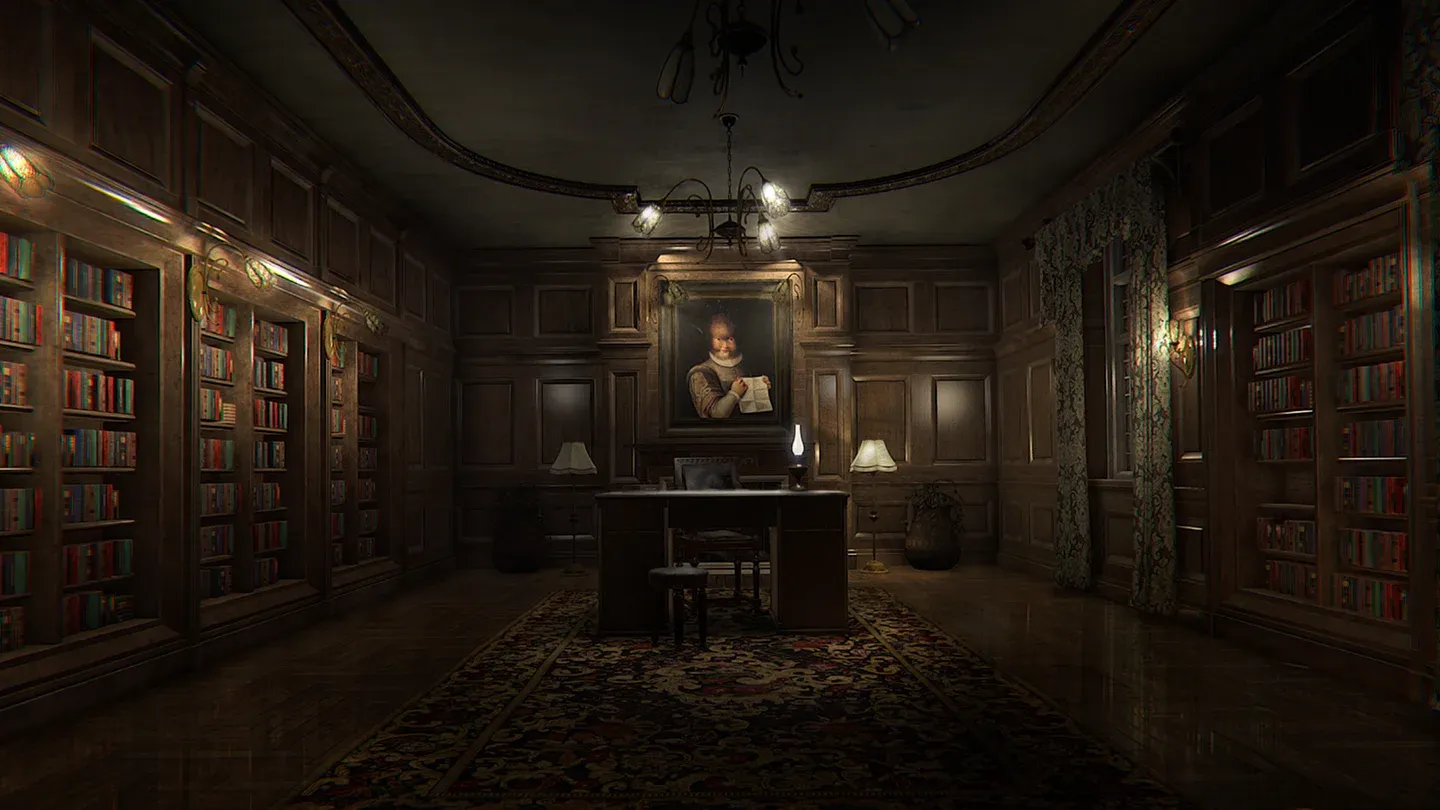
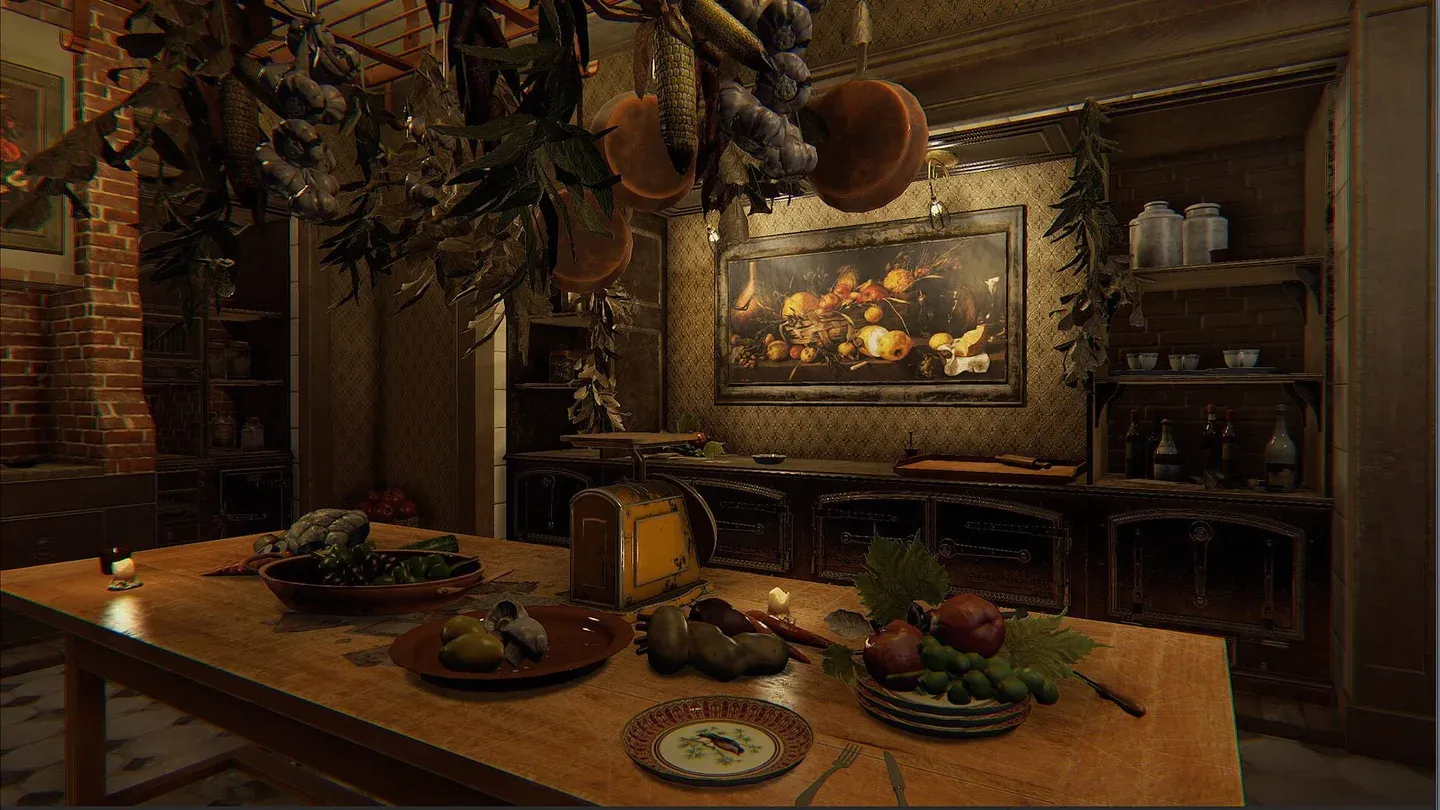
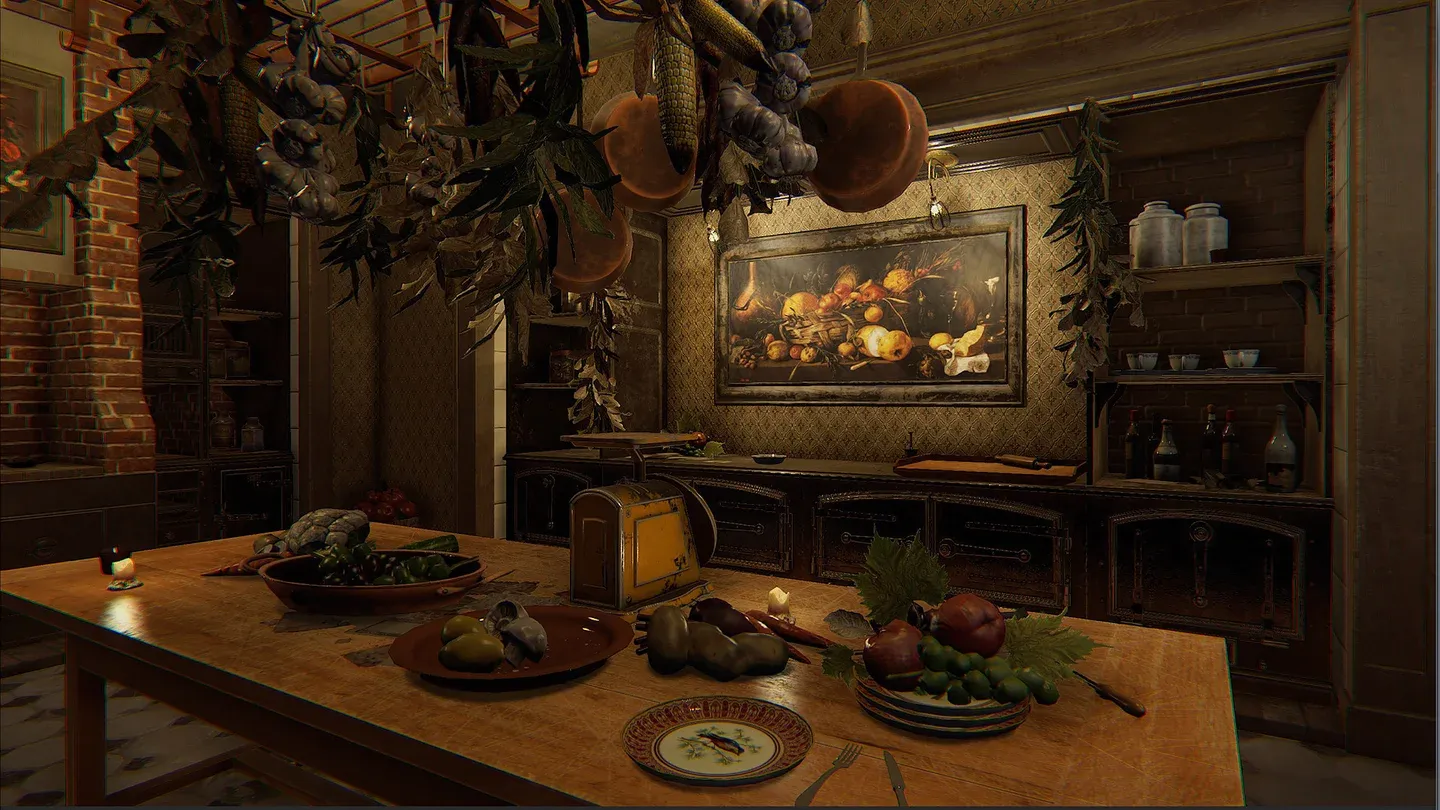
The Victorian mansion is the real protagonist here. Every room is stuffed with period-accurate furniture, decaying personal effects, and paintings that shift in tone as the painter's mental state deteriorates. The house functions as a physical representation of a broken mind, which sounds like a tired metaphor until you're standing in a hallway that has inexplicably filled with black water up to your ankles.
The narrative unfolds through environmental clues rather than cutscenes. Scattered letters, photographs, and newspaper clippings fill in the backstory of the painter, his wife, and the tragedy that set everything in motion. Players who pay close attention get a much richer story than those who rush through.
Visual and audio design
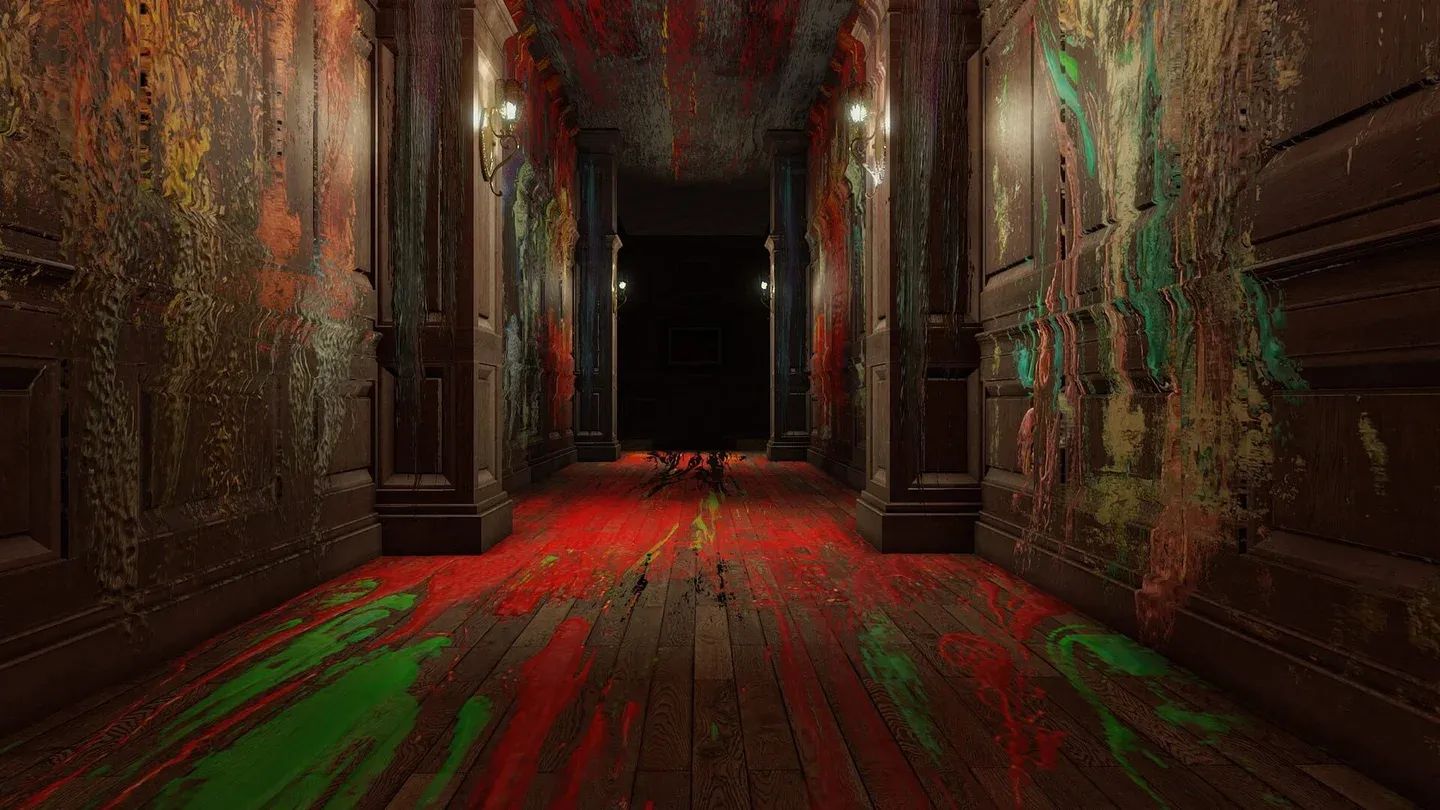
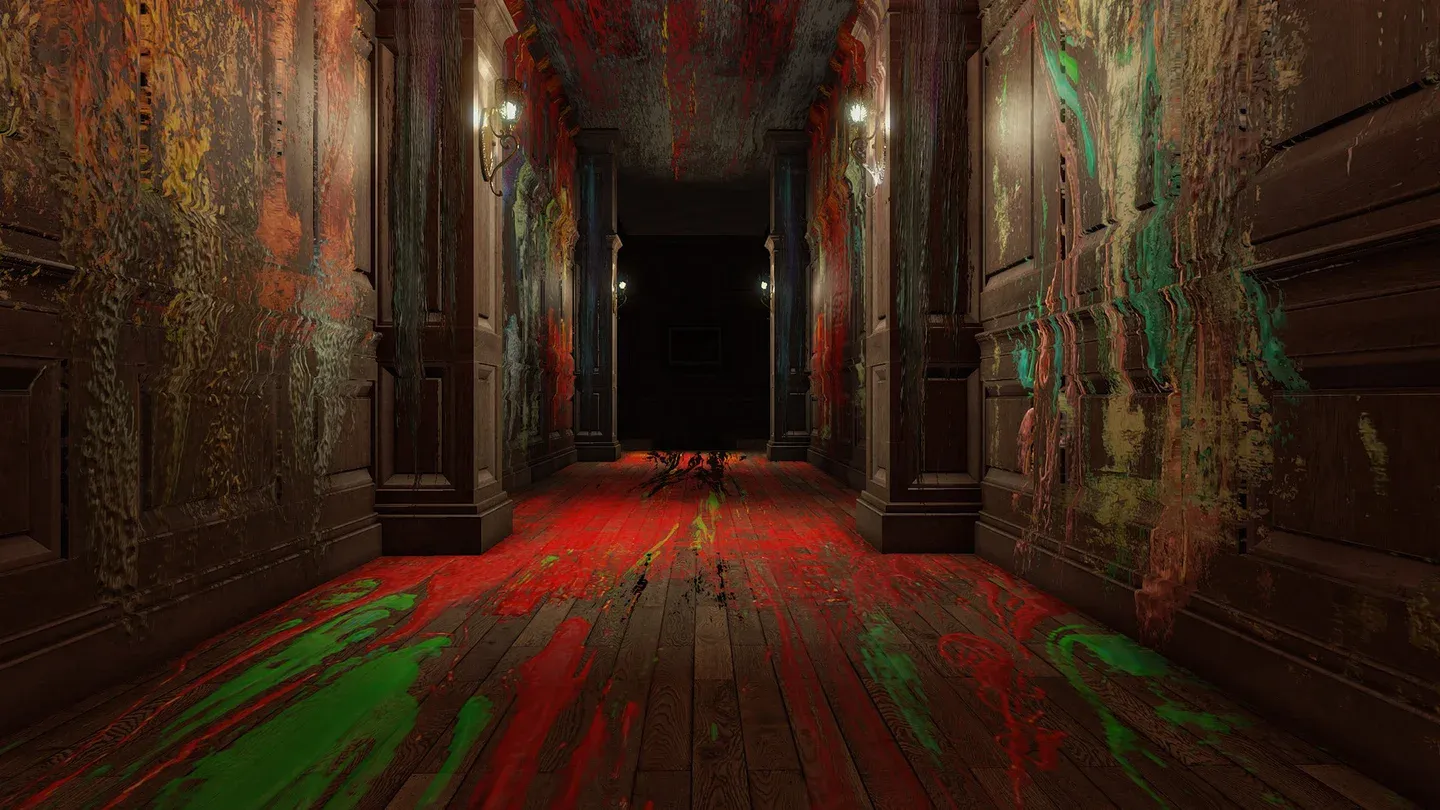
The art direction in Layers of Fear is where Bloober Team spent most of their creative energy. The game references real 19th-century painting styles, and the way the environment transitions between states has a genuinely painterly quality. Colors bleed and shift. Textures transform mid-glance. It's the kind of visual design that earns the psychedelic horror label the game carries.
The audio design matches the visual ambition. The score uses dissonant strings and ambient noise to keep the player in a constant low-level state of unease, and the sound effects tied to the house's transformations are particularly effective. Footsteps, creaking wood, and distant piano notes do more work here than most horror game soundtracks manage.
Layers of Fear (2016) content image
Impact and legacy
Layers of Fear arrived at a moment when first-person horror games were finding a serious audience, and it helped establish Bloober Team as a studio worth watching. The PlayStation Store rating sits at 4.47 out of 5 from nearly 9,000 ratings, which reflects a playerbase that responded genuinely to what the game was trying to do. It spawned a DLC called Inheritance, a Nintendo Switch version titled Legacy, and eventually fed into Bloober Team's larger catalog of psychological horror games. For a studio debut that cost $19.99 and ran on a relatively modest scope, its footprint in the genre is hard to dismiss.