




Overview
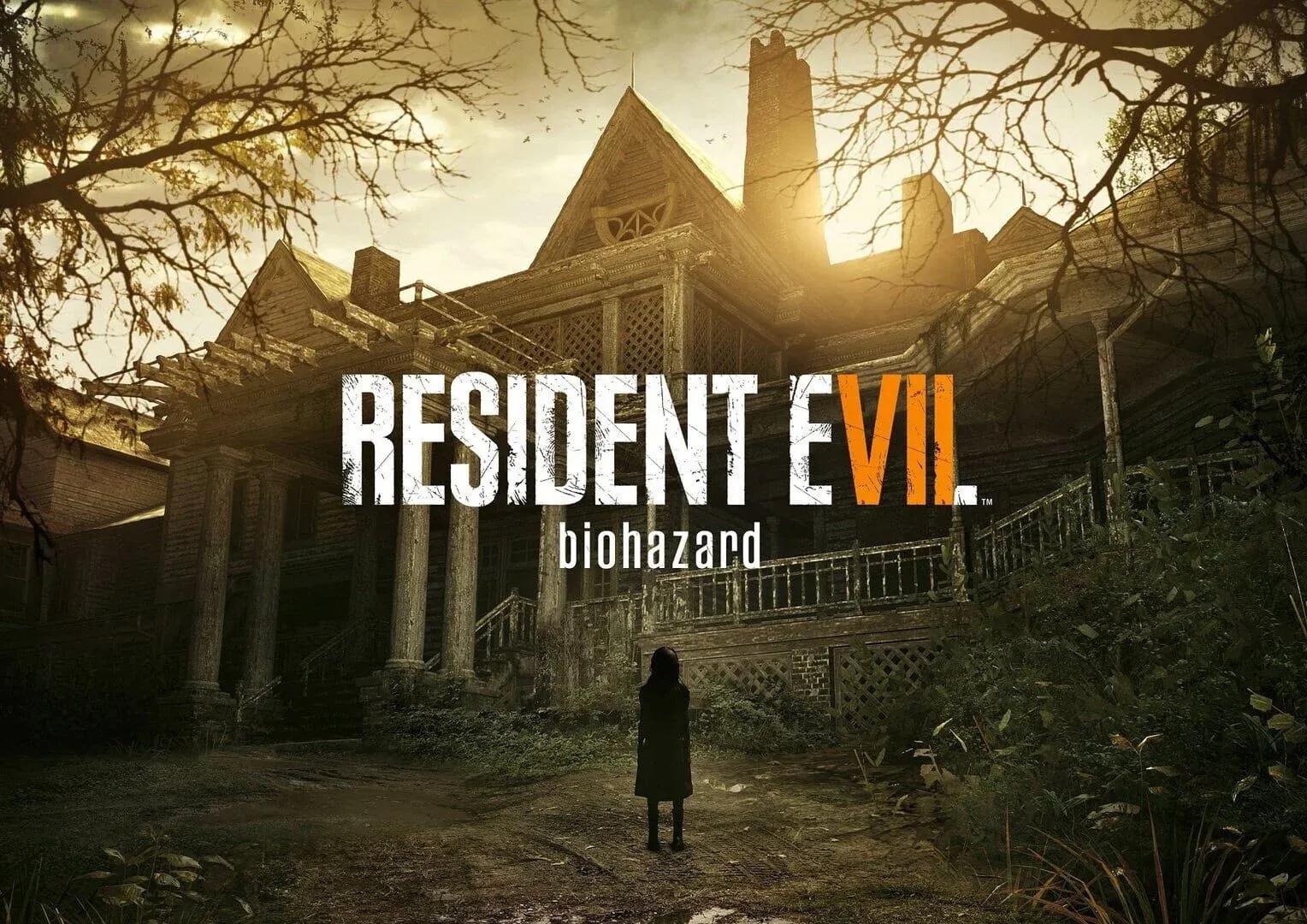
Resident Evil 7 Biohazard launched on January 23, 2017, and immediately changed the conversation around what a long-running franchise could do with a hard reset. Capcom stripped away the over-the-top action that defined Resident Evil 5 and 6, replacing it with something far more personal and far more frightening. The shift to a fully first-person perspective, powered by Capcom's proprietary RE Engine, puts players inside the boots of Ethan Winters, a civilian with no military training and no particular reason to be in a crumbling Louisiana plantation except that his missing wife Mia was last seen there.
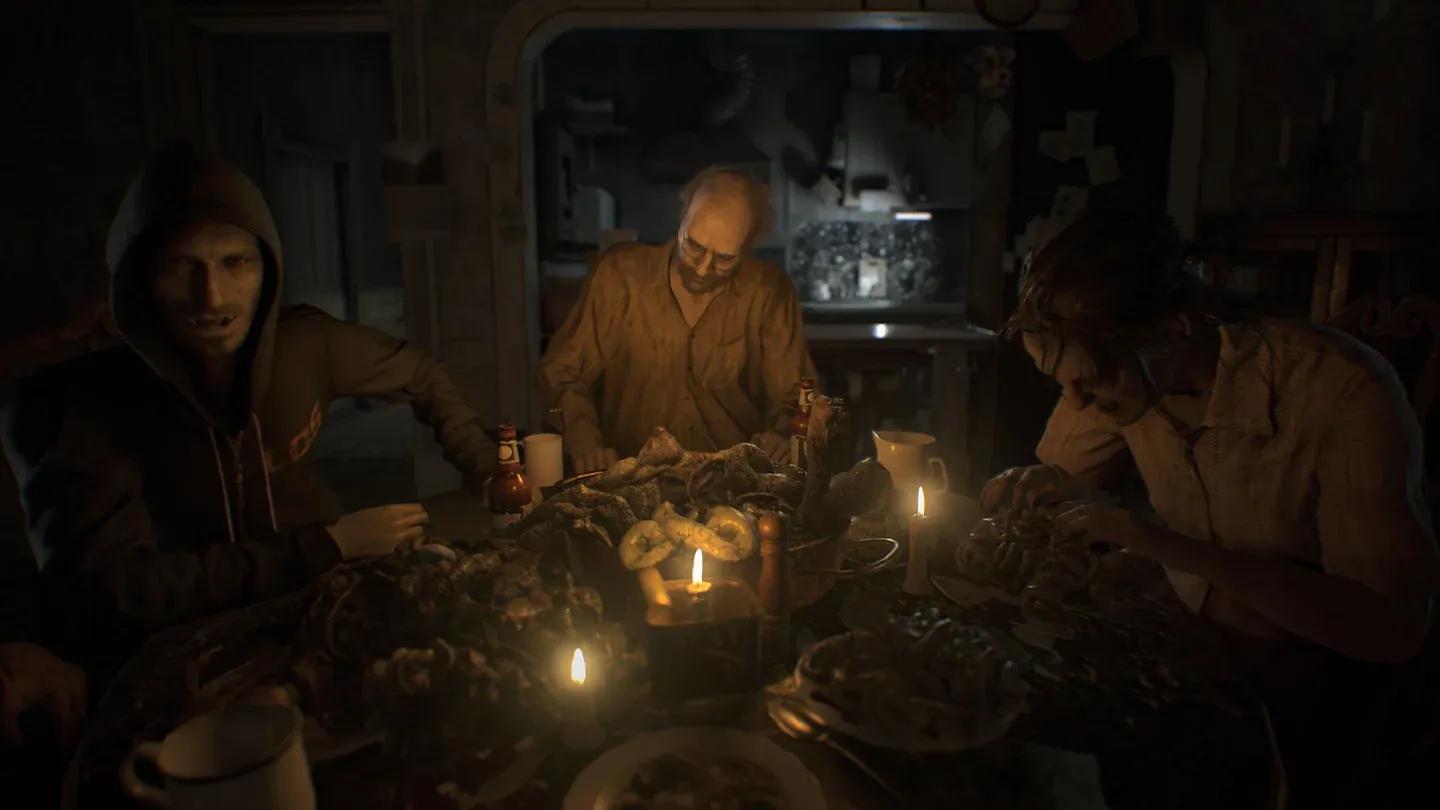
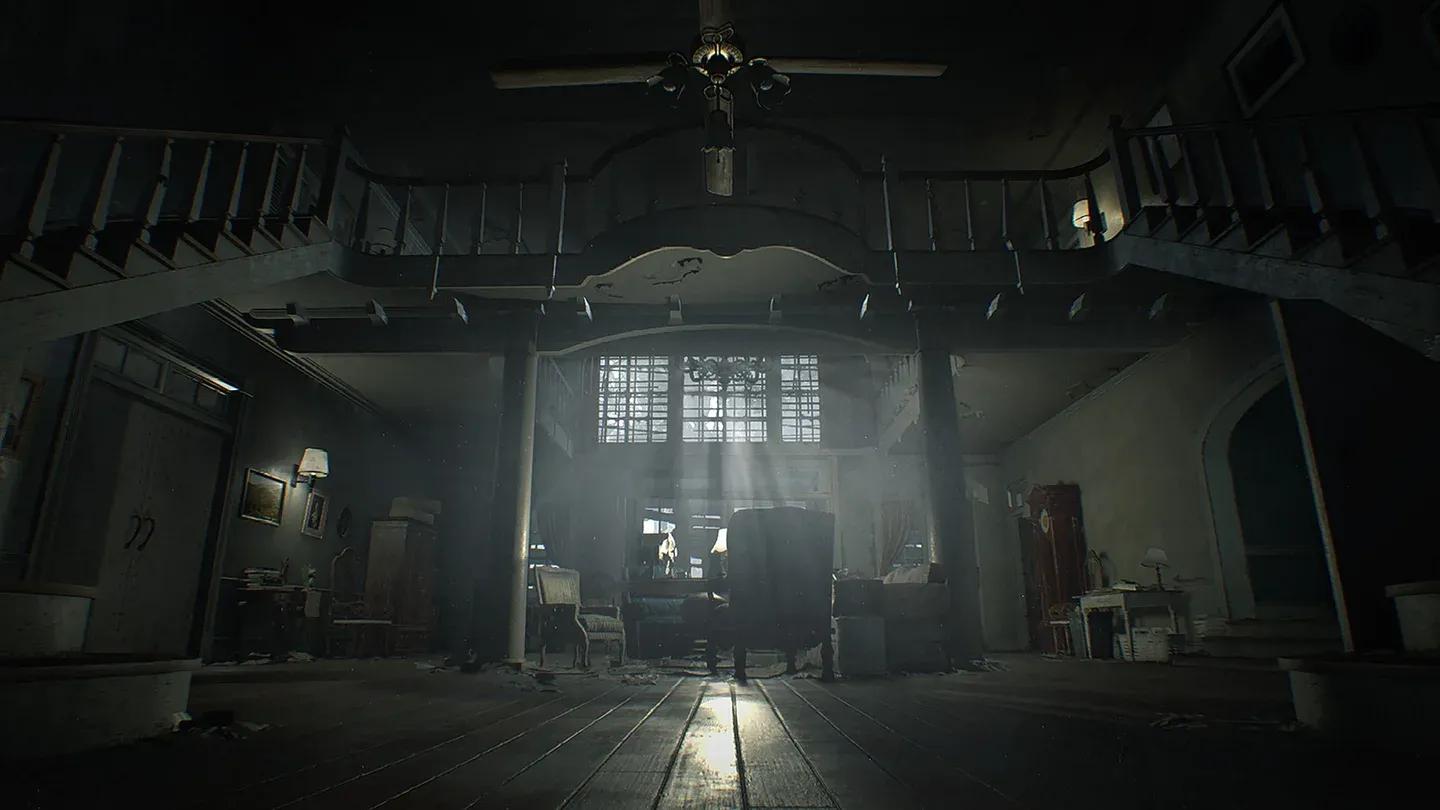
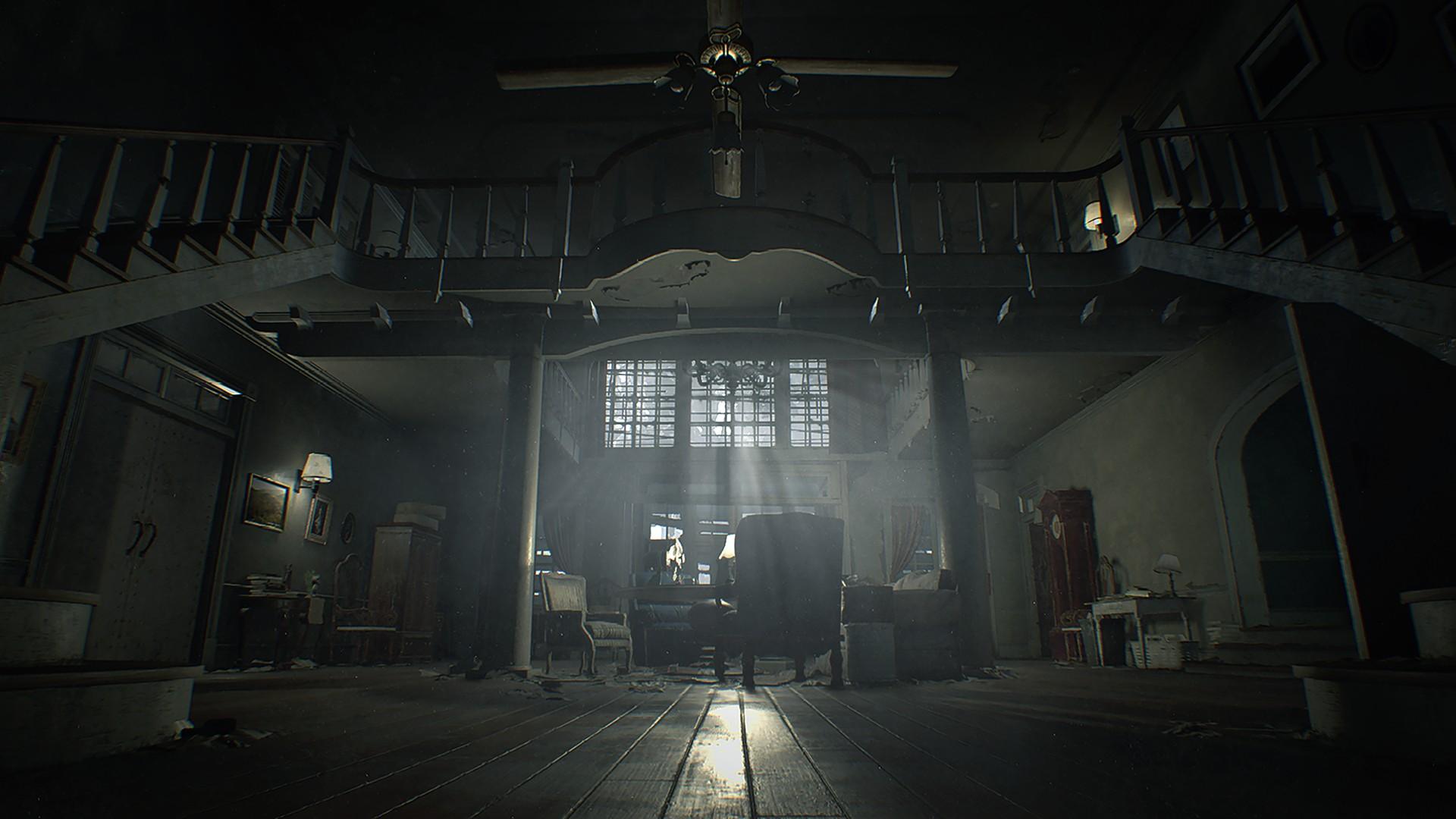
The Baker family estate is the game's true antagonist. Every hallway feels deliberately wrong, every room holds something you don't want to find, and the photorealistic visual style the RE Engine delivers makes it all land harder than the series' older fixed-camera or over-the-shoulder approaches ever could. This isn't a game about shooting your way through hordes. Ammunition is scarce, healing items take planning to craft, and the Baker family members who stalk you through the house are not the kind of enemies you can simply outgun.
Gameplay and mechanics: how does Resident Evil 7 actually play?
RE7 is a survival horror game built around resource scarcity and environmental puzzle-solving. The core loop asks you to manage a small inventory, find crafting materials scattered across the estate, and solve the puzzles that gate off new areas. Combat exists, but it's never comfortable. Ethan is not a soldier, and every encounter carries real cost.
Key mechanics include:
- First-person exploration and item management
- Crafting system for ammo, health, and defensive items
- Puzzle-solving tied to environmental storytelling
- Stealth and evasion against unkillable pursuer sequences
- Boss encounters tied to each Baker family member
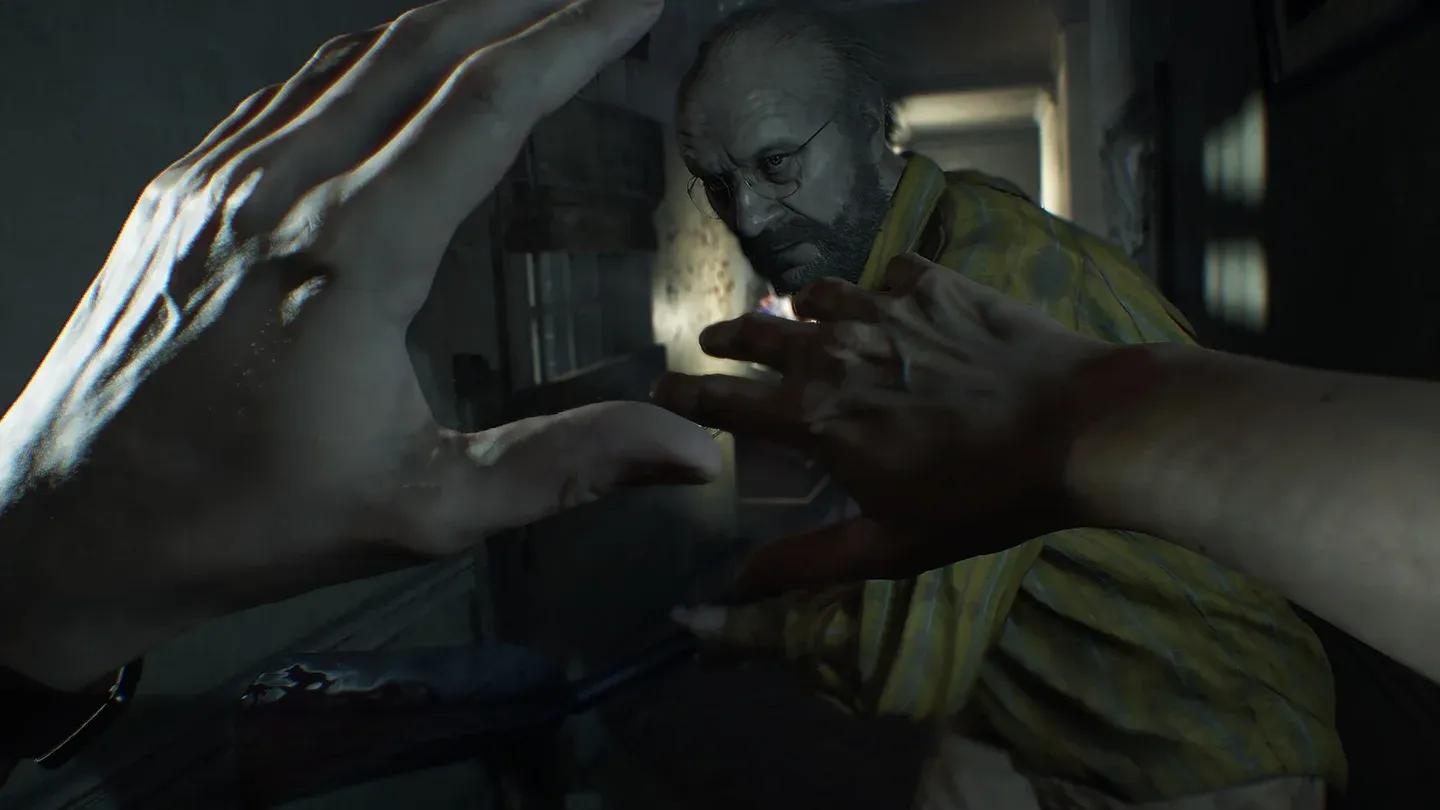
The Jack Baker sequences in the early game set the tone perfectly. He can't be killed with the resources available, so the game forces you to run, hide, and think rather than fight. It's a design philosophy that runs through the entire experience.
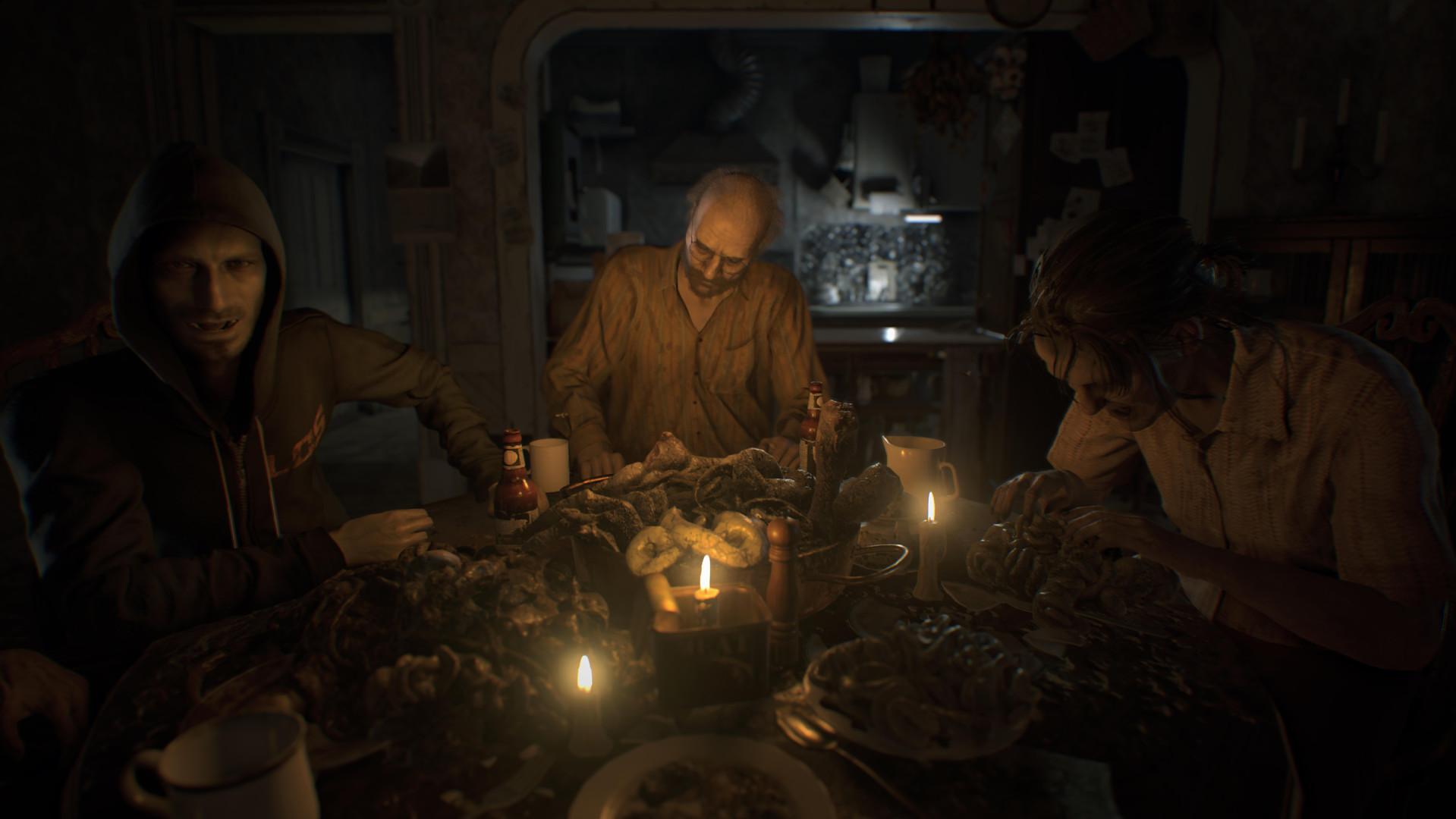
World and setting: the Baker estate
The southern Gothic setting does a lot of heavy lifting. The Baker plantation feels like a real place that has been wrong for a long time, not a game level dressed up with horror props. Cassette tapes left by previous victims fill in the backstory, and the estate itself shifts and opens as the story progresses, rewarding exploration with both narrative context and practical supplies.
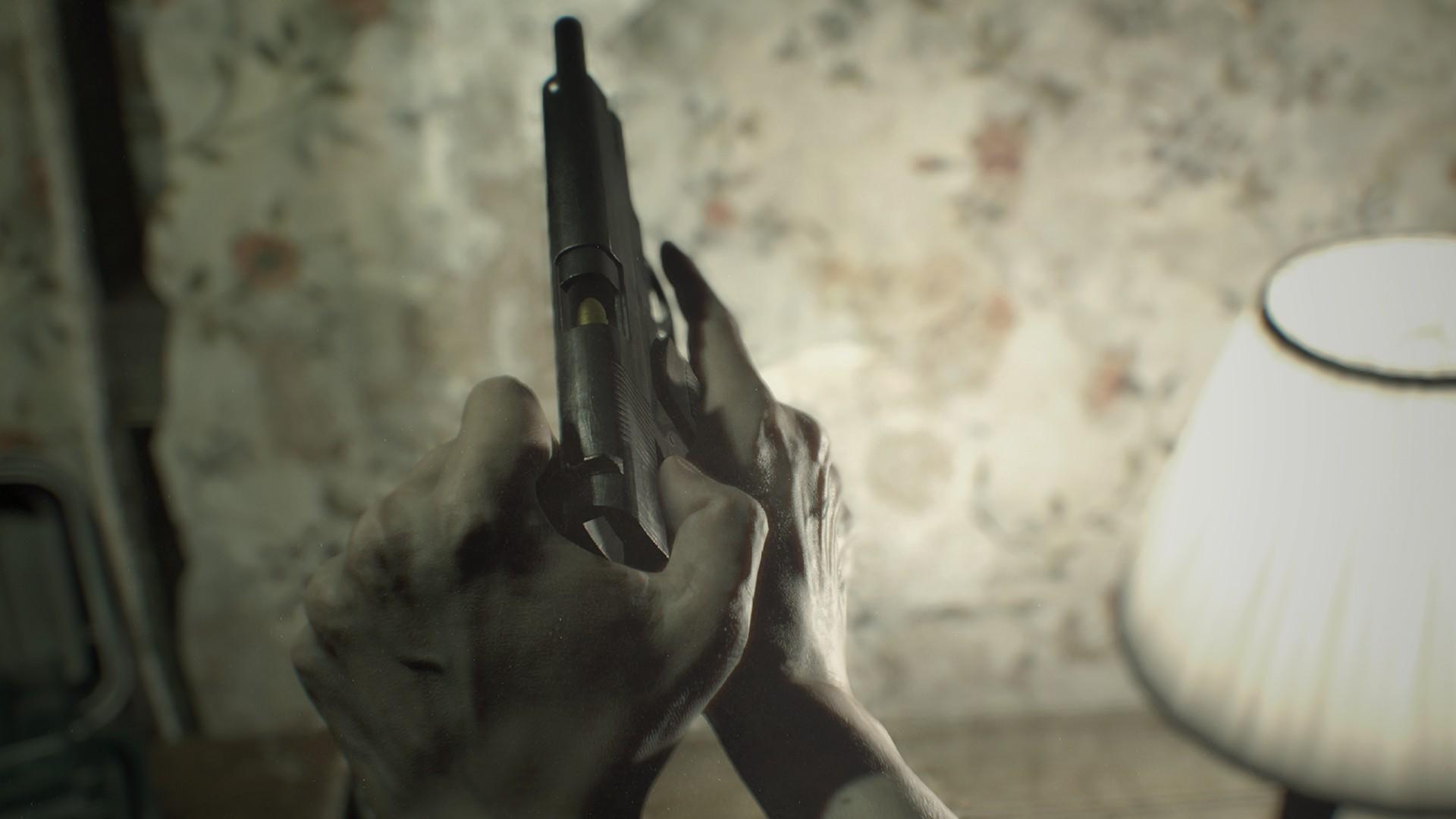
Ethan Winters was a deliberate departure from the series' tradition of trained operatives. He reacts to horror the way a normal person would, which makes the first-person perspective land with more weight. His search for Mia connects the personal stakes to the larger mystery of what the Baker family has become and who is responsible.
Visual and audio design
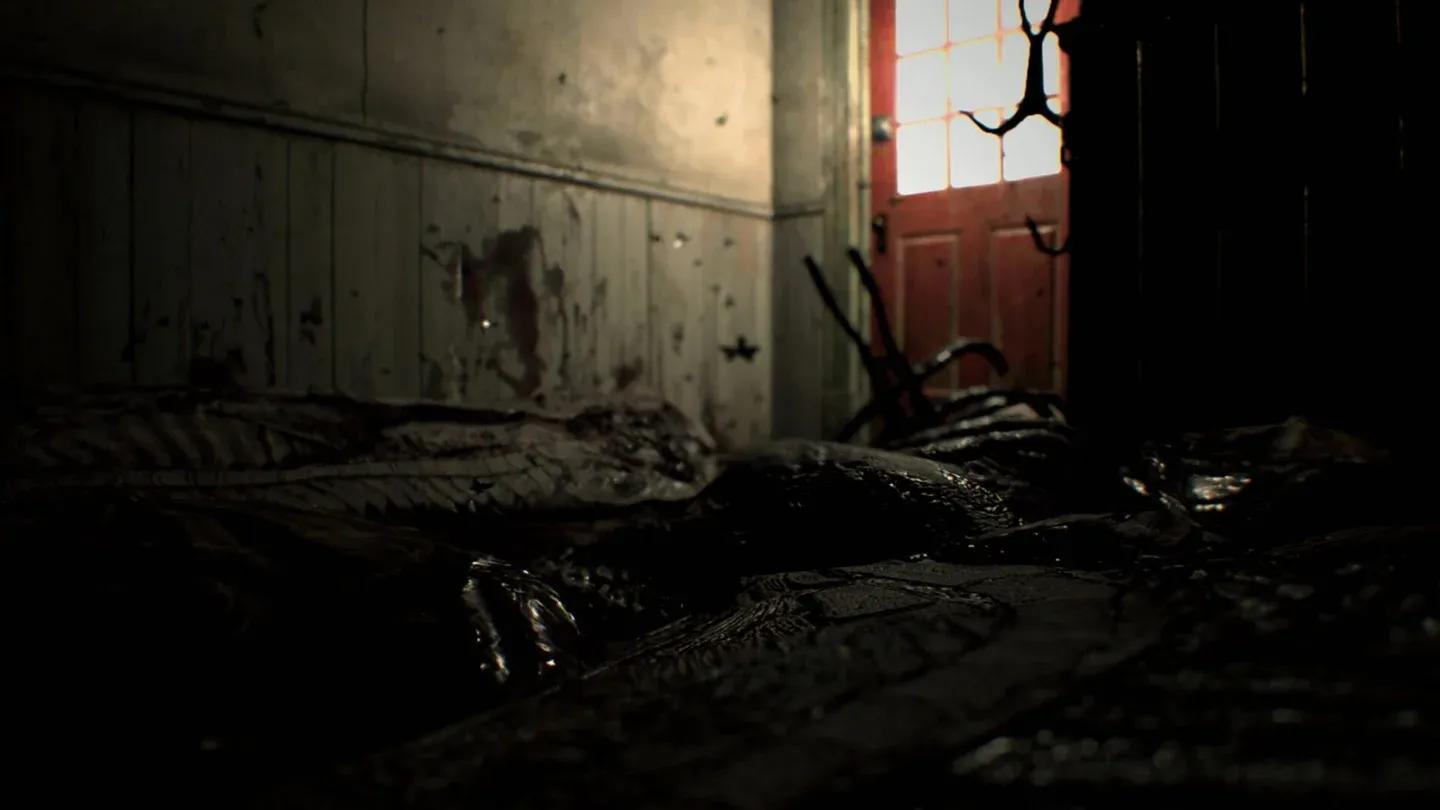
The RE Engine debut here still holds up in 2026. Lighting in particular does serious work, with the estate's interior shifting between murky darkness and sudden harsh illumination in ways that keep the tension constant. The sound design is equally considered: the creak of floorboards, the distant sound of Jack Baker humming to himself, the wet audio of combat that makes every hit feel genuinely unpleasant.

PS VR support at launch made RE7 one of the most discussed VR experiences of its generation. Playing the full game in virtual reality through a PS4 headset was, by most accounts, almost too effective. The first-person perspective that works well on a flat screen becomes something else entirely when the Baker house surrounds you completely.
Content and replayability
The Gold Edition bundles the base game with all released DLC, including the two-part Not a Hero and End of Zoe storylines that expand the ending and introduce new playable characters. Banned Footage Vol. 1 and Vol. 2 add standalone scenarios that experiment with the formula, including a tense card game with Marguerite Baker and a one-hit-kill nightmare mode. The base campaign runs roughly 8 to 10 hours, but the DLC adds meaningful time and tonal variety. Speedrun categories and the Madhouse difficulty setting give returning players a reason to go back through the estate with far less margin for error.
| Requirement | Minimum | Recommended |
|---|---|---|
| OS | WINDOWS® 10 (64-BIT Required) | WINDOWS® 10 (64-BIT Required) / Windows 11 (64-BIT Required) |
| Processor | Intel® Core™ i5-4460, 2.70GHz or AMD FX™-6300 or better | Intel® Core™ i7 3770 3.4GHz or AMD equivalent or better |
| Memory | 8 GB RAM | 8 GB RAM |
| Graphics | NVIDIA® GeForce® GTX 960 or AMD Radeon™ RX 460 | NVIDIA® GeForce® GTX 1060 with 3GB VRAM |
| DirectX | Version 12 | Version 12 |
| Storage | 24 GB available space | 24 GB available space |