Overview
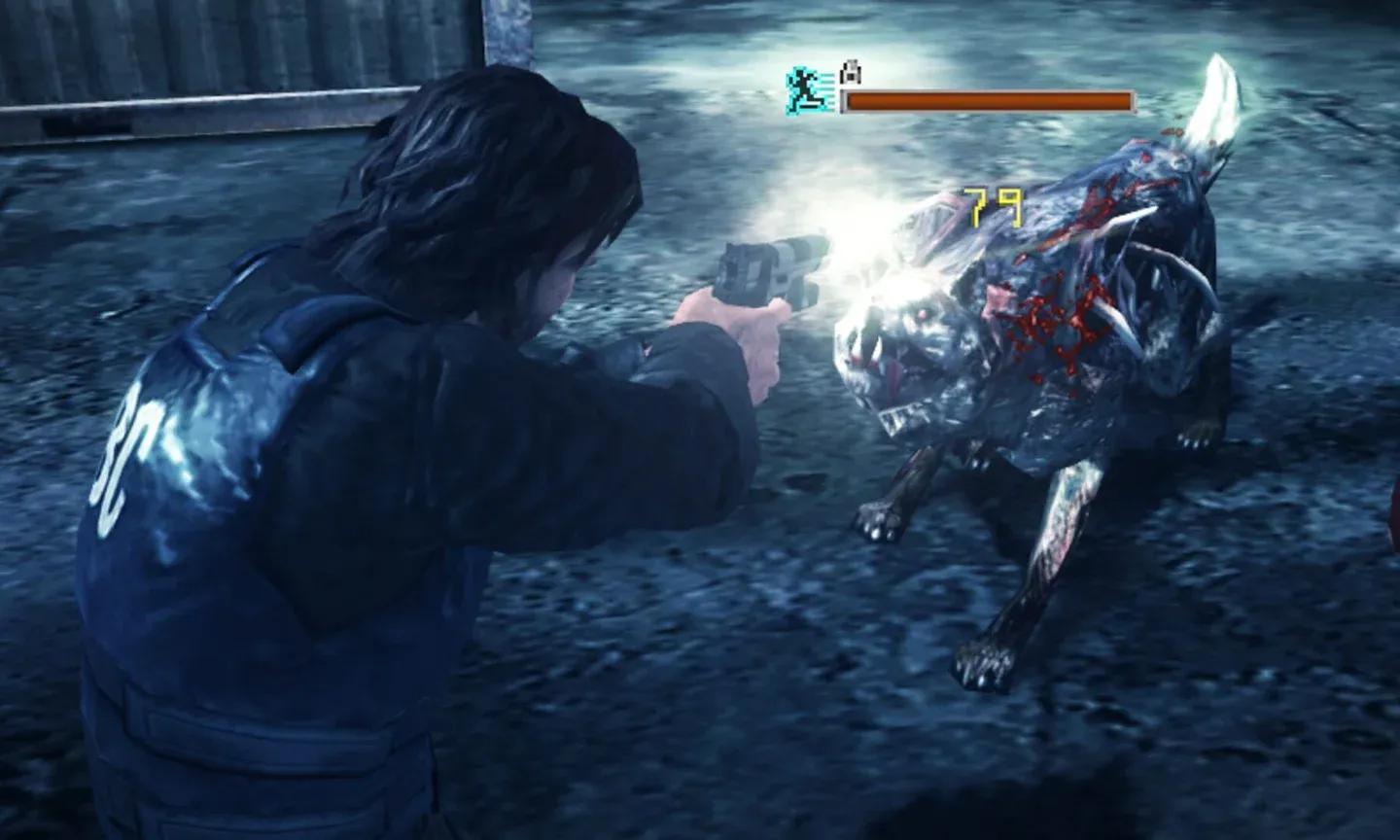
Resident Evil: Revelations occupies a specific and interesting place in Capcom's long-running horror franchise. Originally released in January 2012 for the Nintendo 3DS before making its way to consoles and PC, it serves as a deliberate course correction after the action-heavy Resident Evil 5. The game trades bombastic set pieces for claustrophobic corridors, limited ammo, and the kind of tension that makes you think twice before rounding every corner.
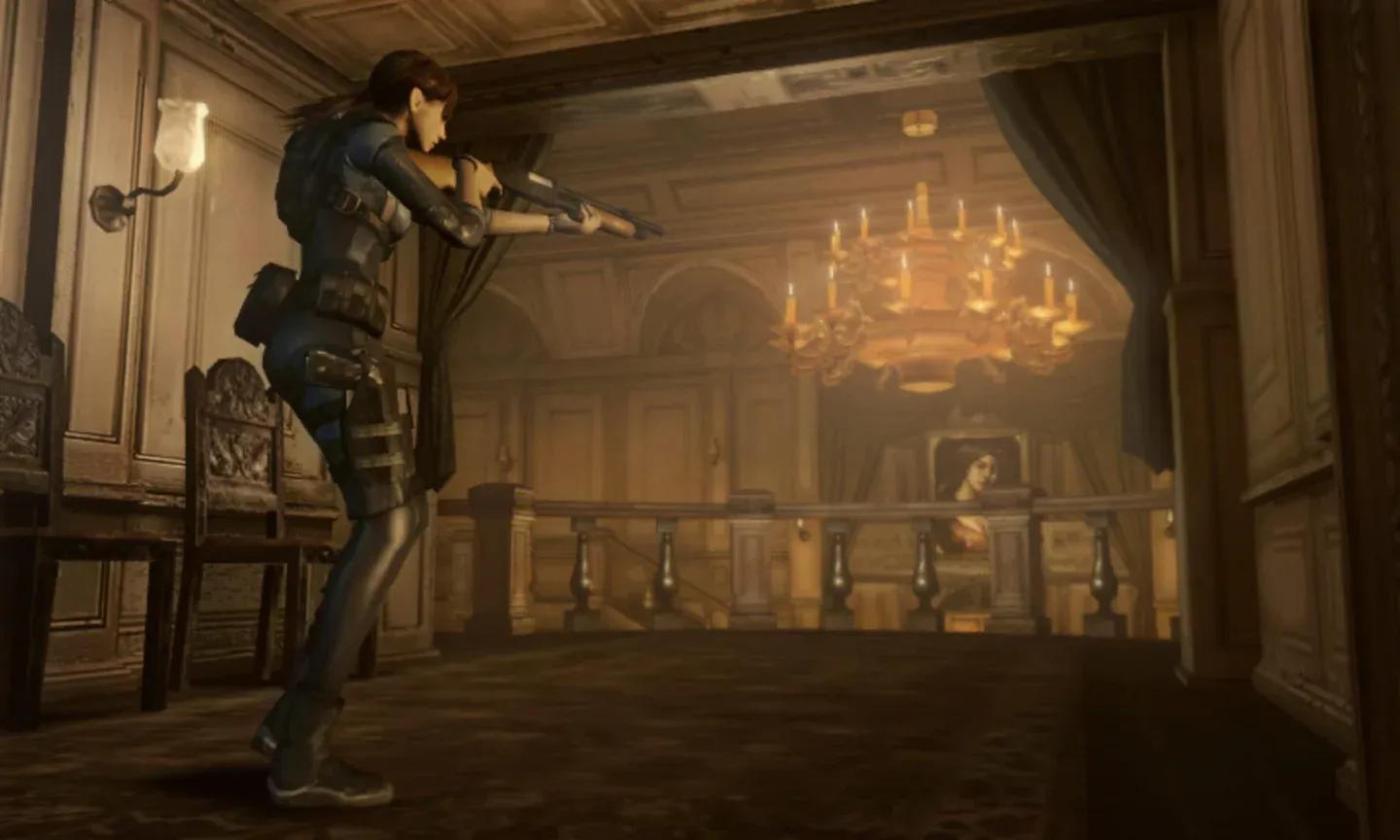
The setting does a lot of heavy lifting. The Queen Zenobia, a derelict cruise liner drifting through the Mediterranean Sea, is one of the series' more memorable environments. Flooded lower decks, narrow maintenance passages, and dimly lit ballrooms give the ship a personality that feels genuinely oppressive. The confined space also serves a mechanical purpose: there's nowhere to run, which keeps the pressure constant.
The story picks up shortly after Resident Evil 4, following BSAA agents Jill Valentine and Chris Redfield as they investigate a bio-terrorist organization with plans to contaminate the world's oceans. The narrative unfolds across episodic chapters that jump between characters and locations, keeping the pacing varied without losing momentum.
Resident Evil: Revelations content image
Gameplay and mechanics
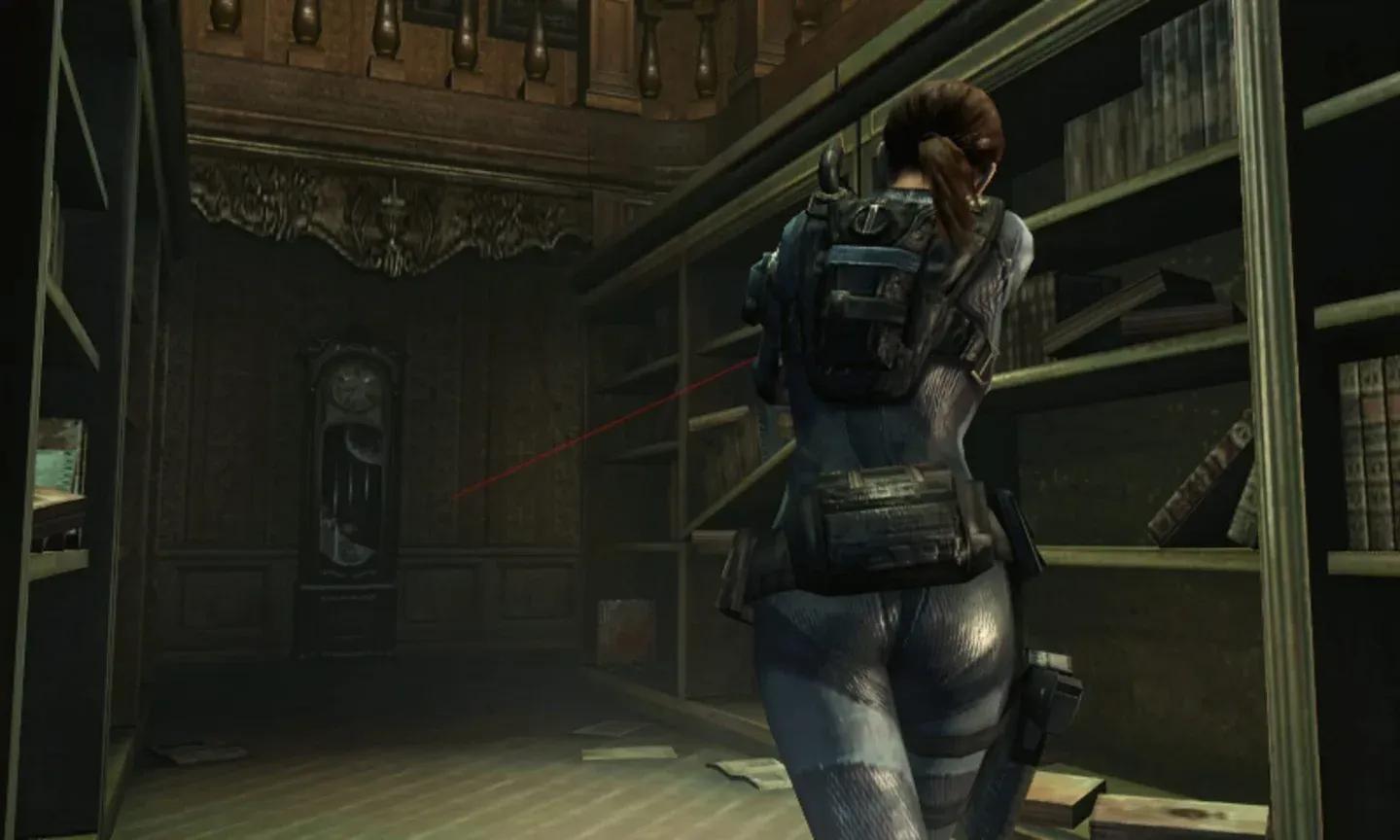
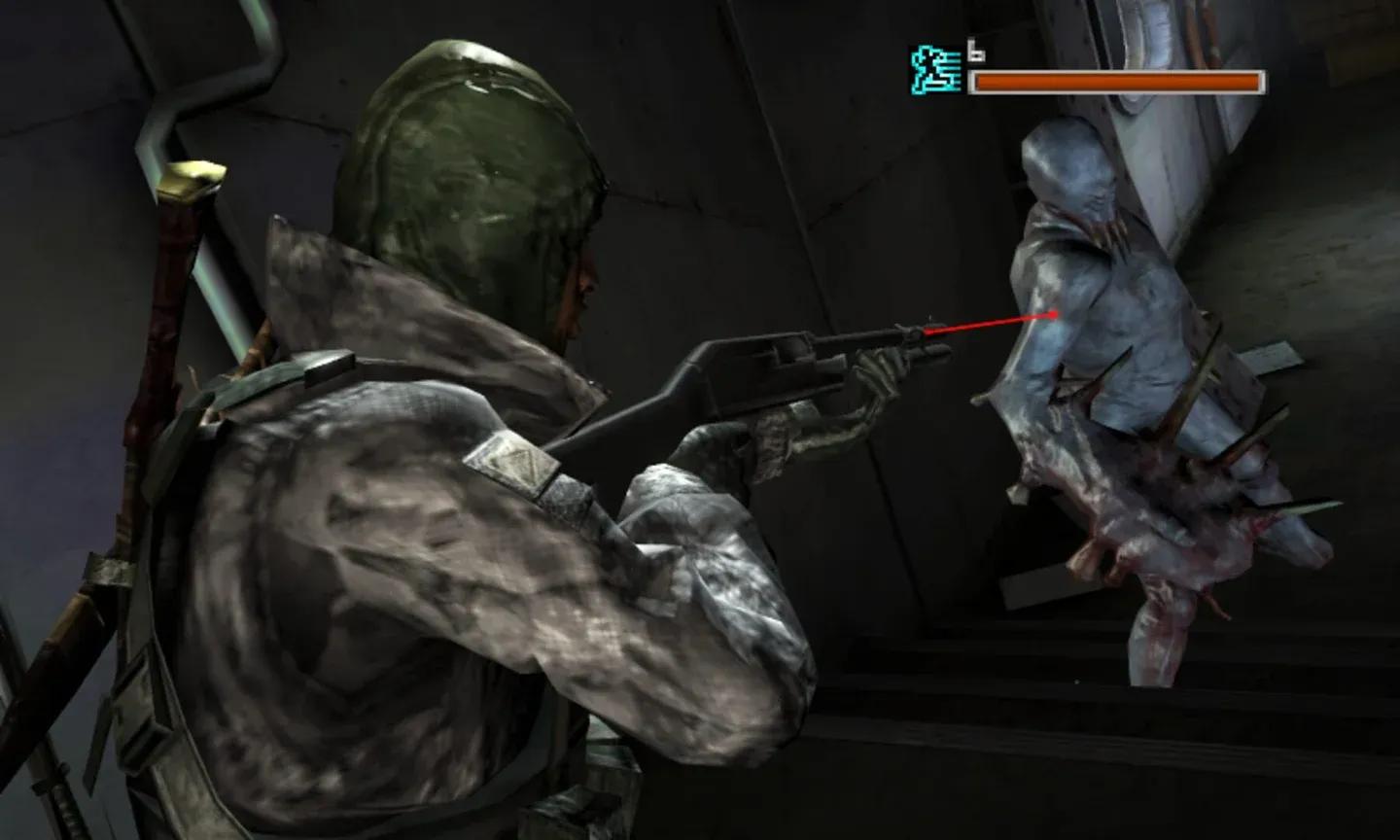
The core loop in Revelations leans hard into resource management, which is where the survival horror identity reasserts itself. Ammo is scarce enough to matter, and the Genesis scanner adds a light exploration layer by letting players scan environments and enemies to find hidden items.
Resident Evil: Revelations content image
Key mechanics include:
- Genesis scanner for item discovery
- Dodge and melee counters in combat
- Episodic chapter structure
- Weapon customization with parts
- Co-op support in Raid Mode
Resident Evil: Revelations content image
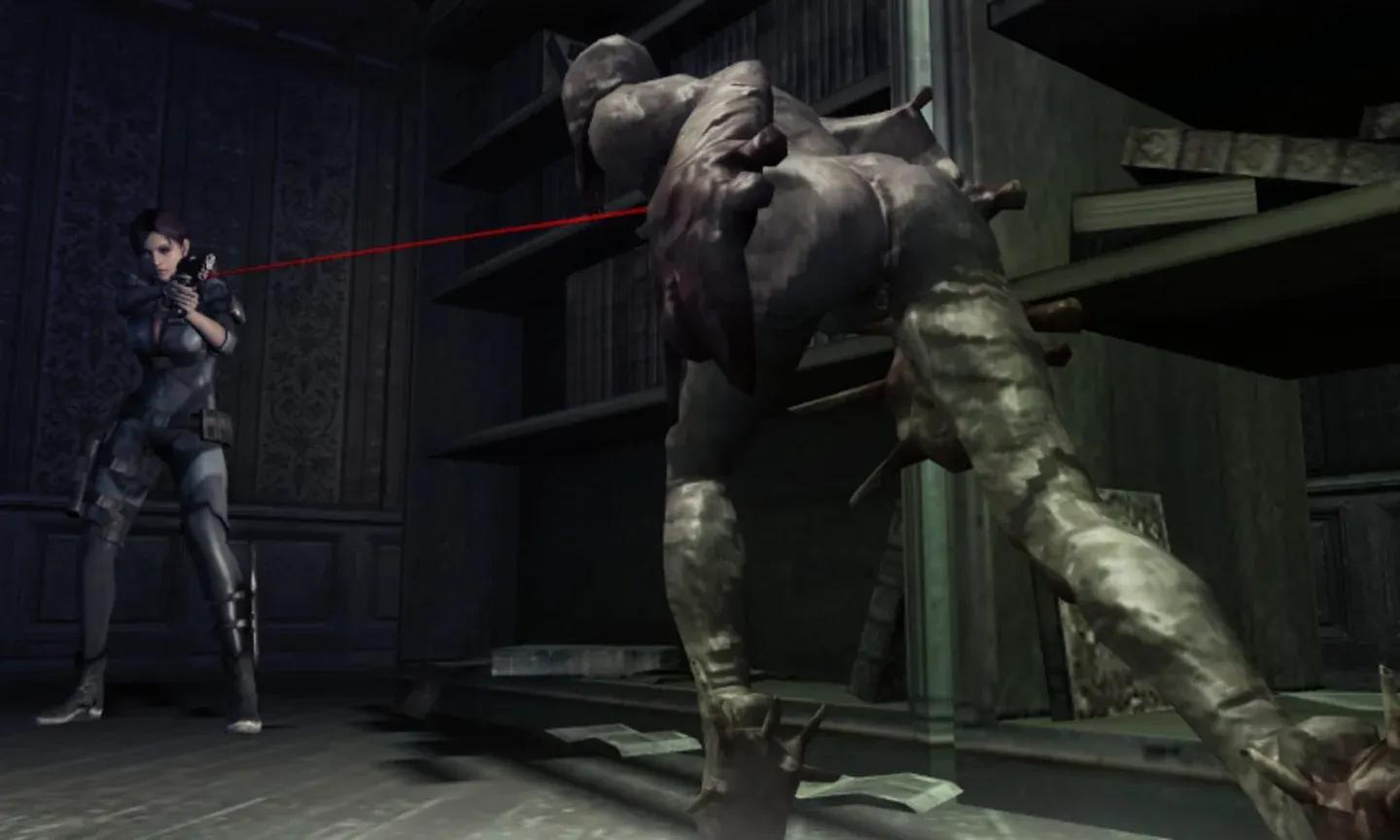
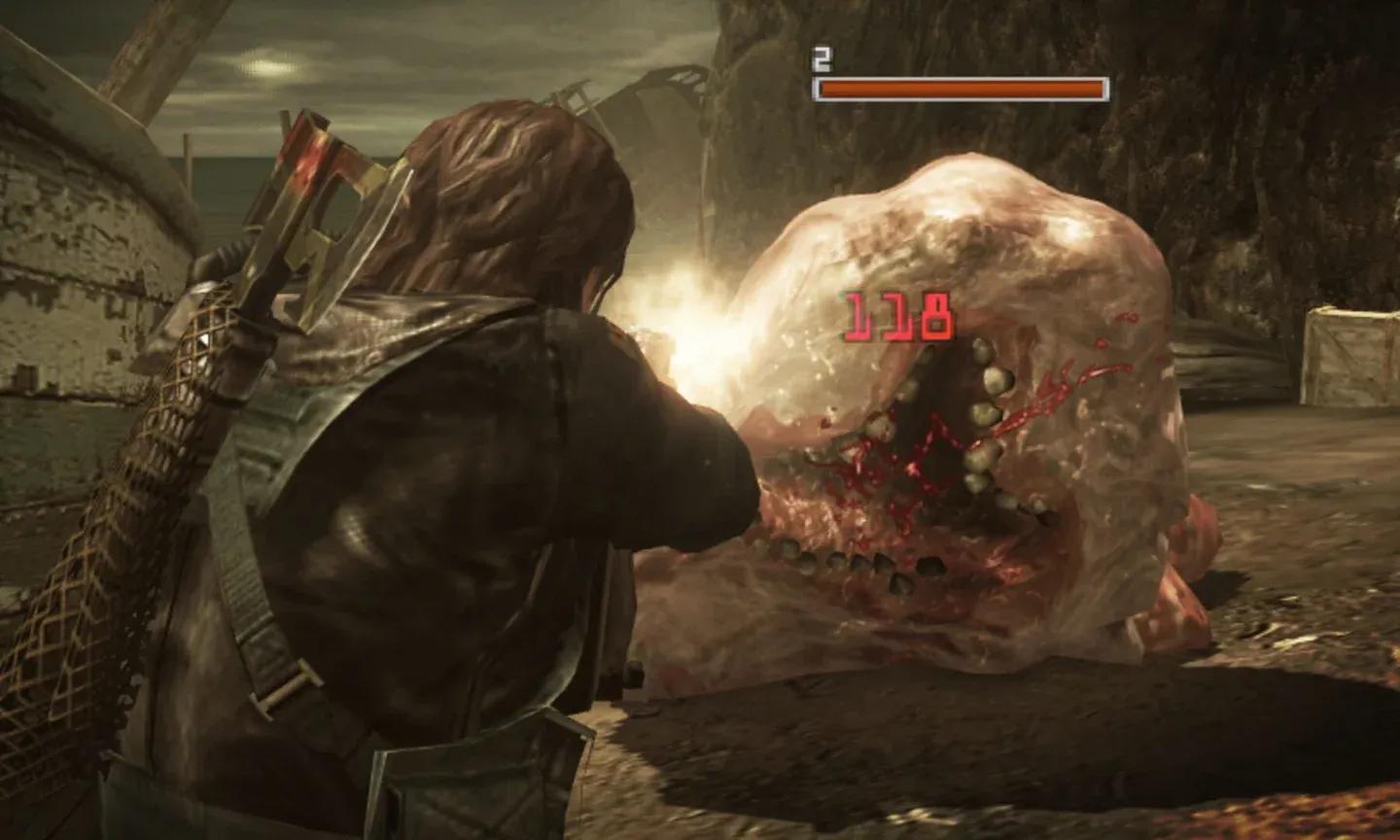
The enemy design reinforces the tension. The Ooze, grotesque humanoid creatures formed from the T-Abyss virus, move unpredictably and can regenerate if not finished properly. Boss encounters demand patience and positioning rather than just burning through ammunition.
World and setting
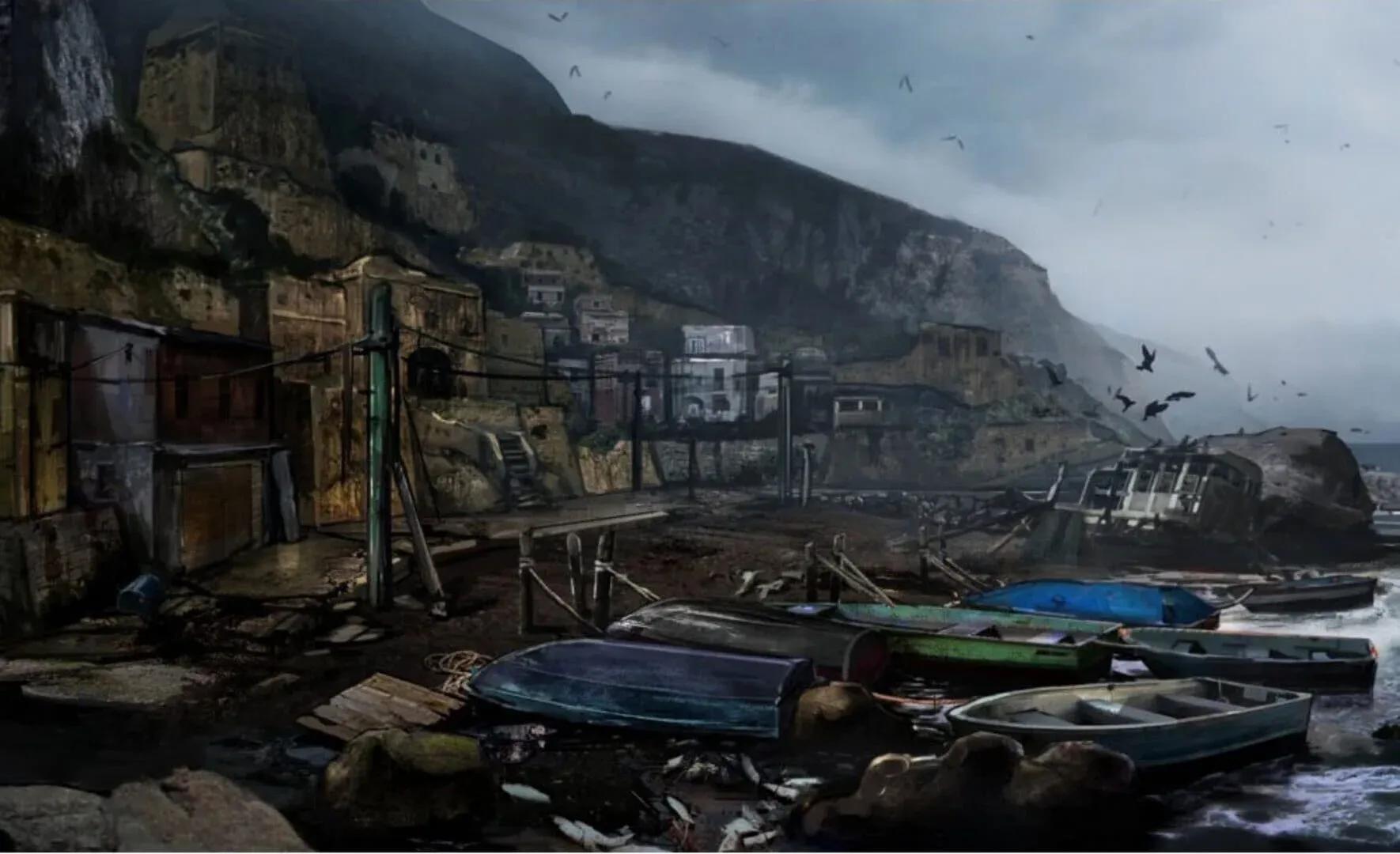
The Queen Zenobia is the game's strongest asset. Capcom built the ship as a self-contained world with distinct zones that each carry a different mood. The upper decks feel abandoned and eerie, while the engine rooms and lower compartments push into outright dread. Water plays a recurring visual and mechanical role, with flooded sections slowing movement and adding a layer of vulnerability that the game exploits well.
Resident Evil: Revelations content image
Flashback sequences that take players off the ship to other locations provide breathing room without undermining the central atmosphere. These segments also flesh out the broader BSAA storyline, connecting Revelations to the wider Resident Evil continuity in ways that fans of the series will appreciate.
Does Raid Mode add replay value?
Raid Mode is the answer for players who want something beyond the main campaign. It takes combat sections from the single-player game and reframes them as score-attack stages with RPG-style character progression. Players level up, unlock new weapons, and can tackle the mode solo or with a partner online in 2-player co-op.
The mode supports multiple playable characters from across the Resident Evil series, and weapon parts carry over between runs, giving it a loop that holds up well past the campaign's roughly ten-hour runtime. For a game that launched on a handheld, the amount of content packed into Revelations is genuinely impressive. The console and PC versions include all previously released DLC, making the complete package the definitive way to play through one of the more underrated entries in survival horror.