Overview
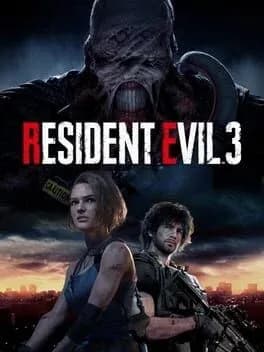
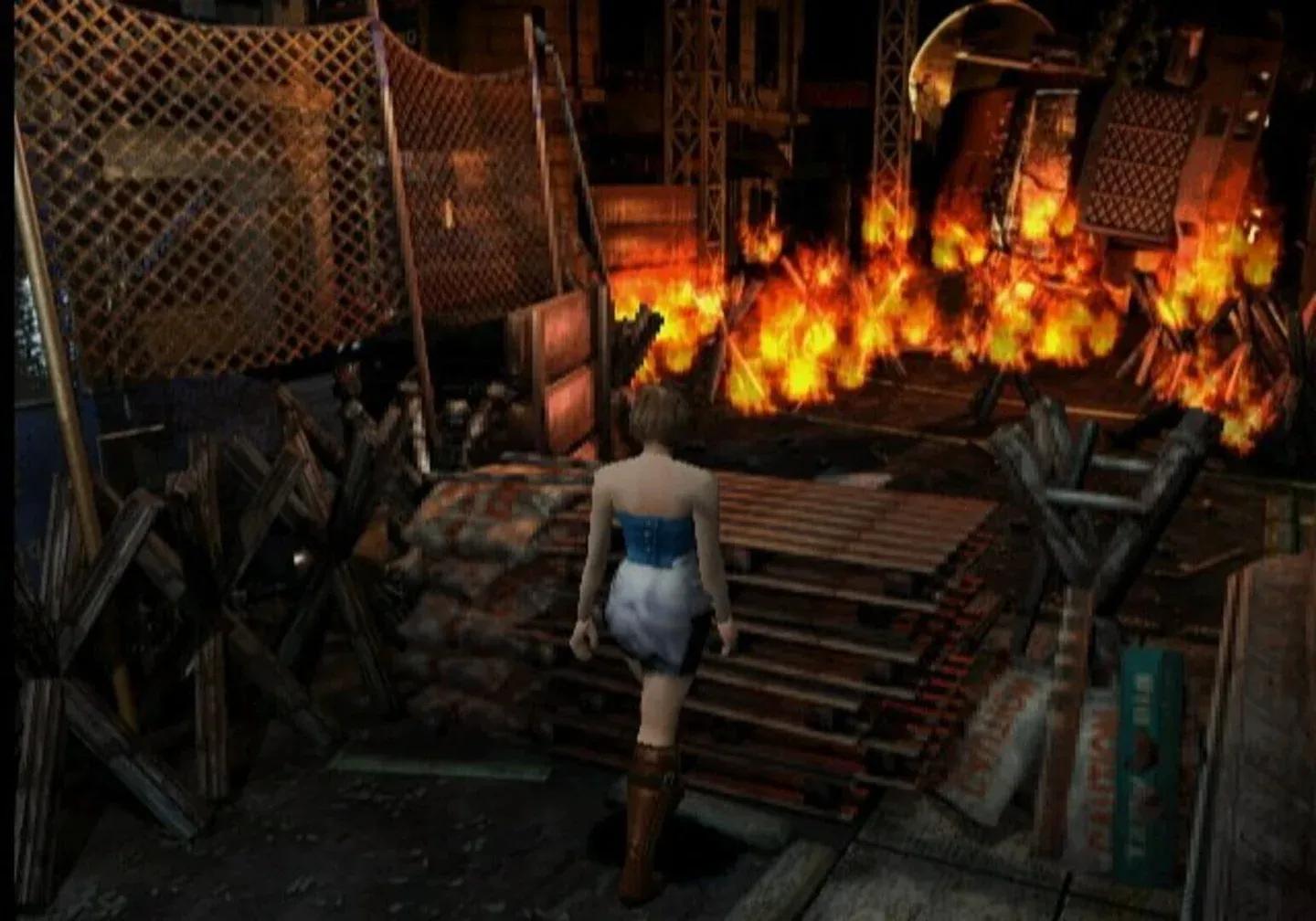
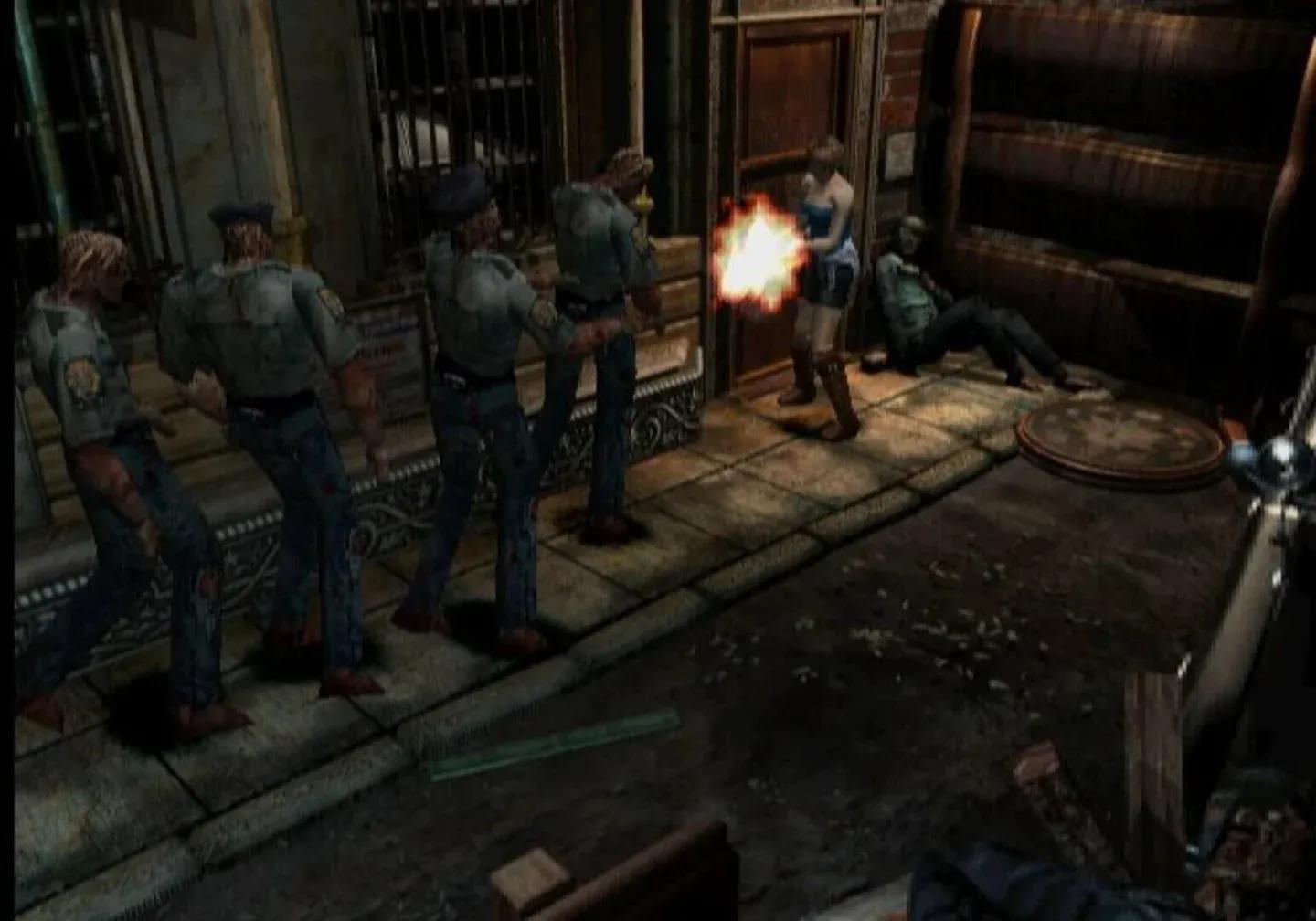
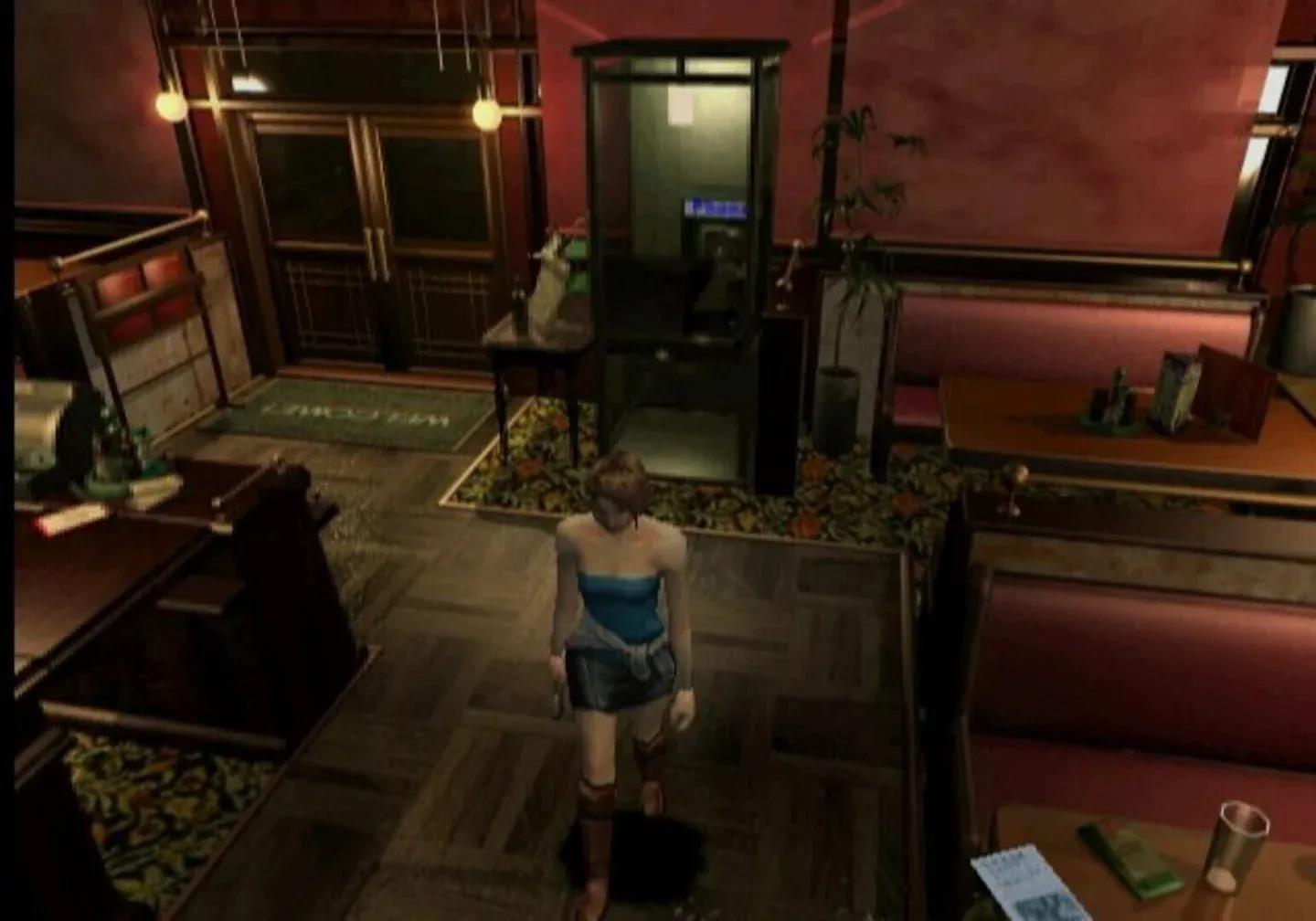
Released on September 22, 1999, Resident Evil 3: Nemesis is the third entry in Capcom's survival horror series and one of the most mechanically refined games of its generation. Developed by Capcom Planning Room 2, it runs on the same foundational engine as its predecessors, using pre-rendered backgrounds with polygonal characters and cinematic fixed camera angles. The difference here is in the details: tighter controls, smarter enemy design, and one of gaming's most iconic antagonists.
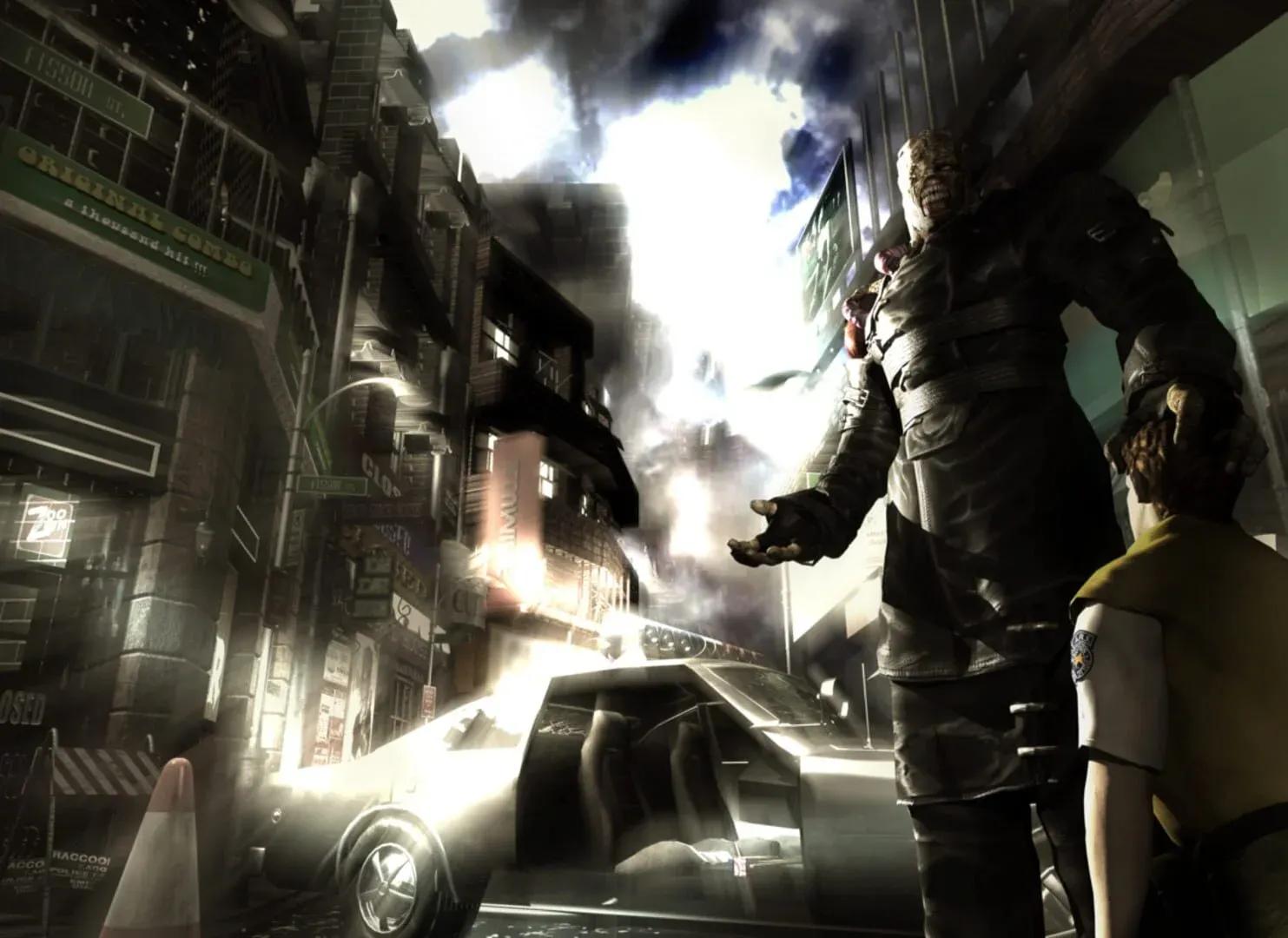
The story begins on September 28, 1998, placing players in the boots of former S.T.A.R.S. member Jill Valentine as she attempts to escape a city that has already lost the fight. Umbrella's T-virus has turned most of Raccoon City's population into zombies, and the pharmaceutical giant has deployed something worse to clean up loose ends. The Nemesis, a hulking bioweapon programmed to hunt and eliminate S.T.A.R.S. members, tracks Jill across the city with terrifying persistence. The narrative threads directly into Resident Evil 2's timeline, filling in gaps and delivering a definitive conclusion to Raccoon City's fate.
Gameplay and mechanics
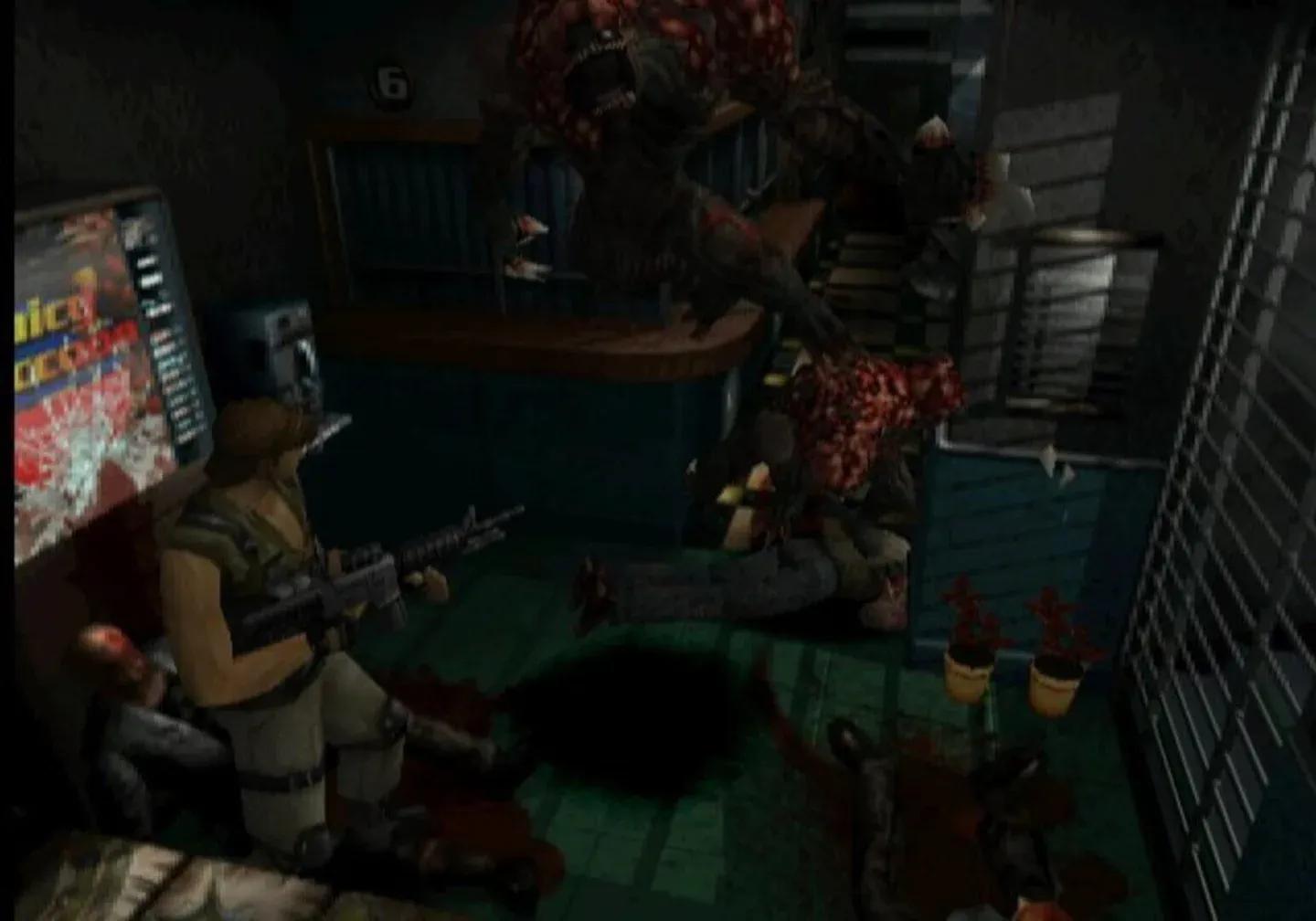
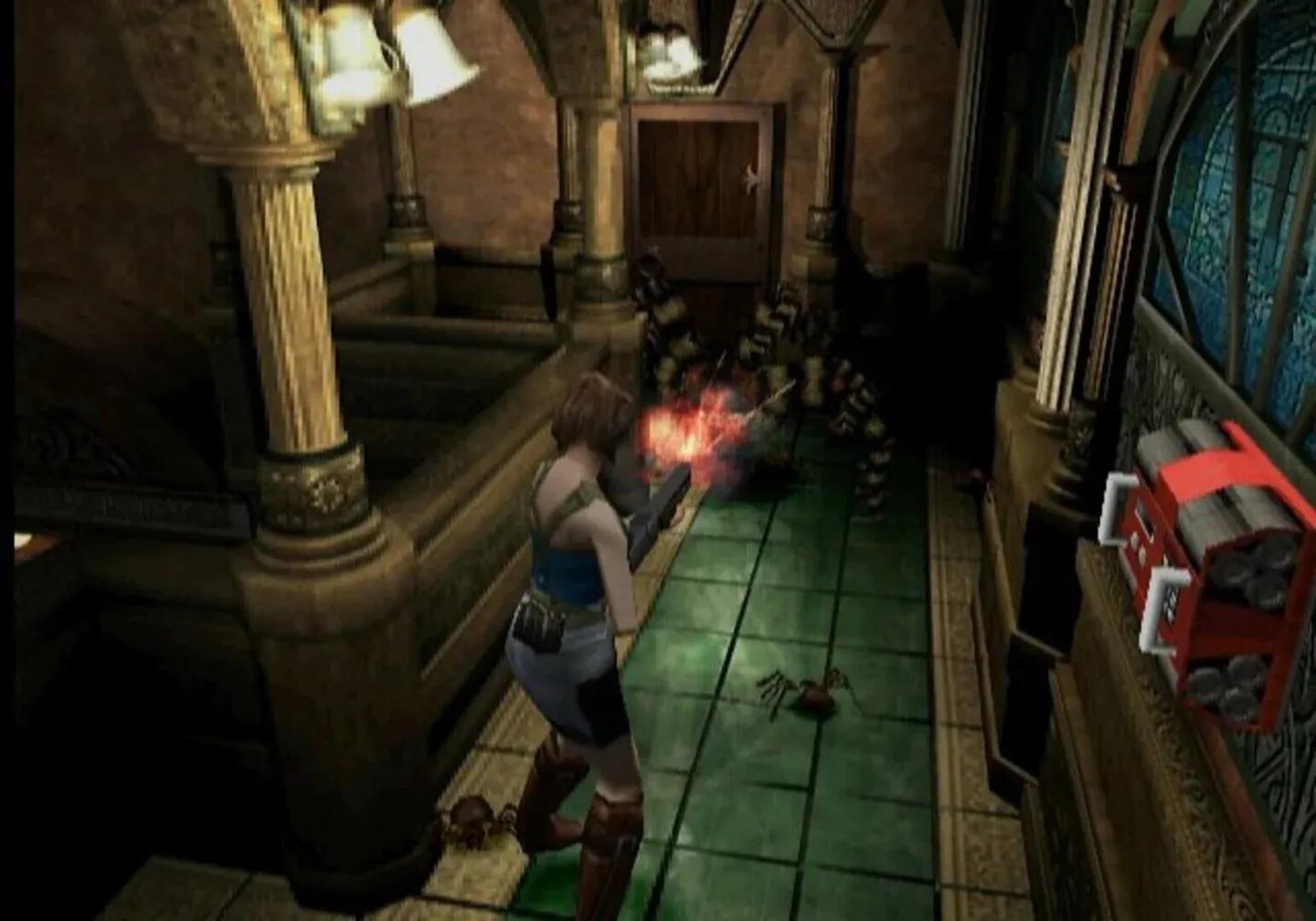
The core survival horror loop of managing inventory, conserving ammunition, and solving light puzzles carries over from the earlier games, but Resident Evil 3 introduces three meaningful additions that change how combat feels:
Resident Evil 3: Nemesis content image
- Auto-targeting reduces friction in encounters
- The 180-degree spin lets Jill turn instantly without losing momentum
- A dodge move allows her to sidestep attacks with correct timing
- Reactive ammunition crafting lets players combine gunpowder mid-game
- The Nemesis pursuer appears at scripted and semi-random moments throughout the campaign
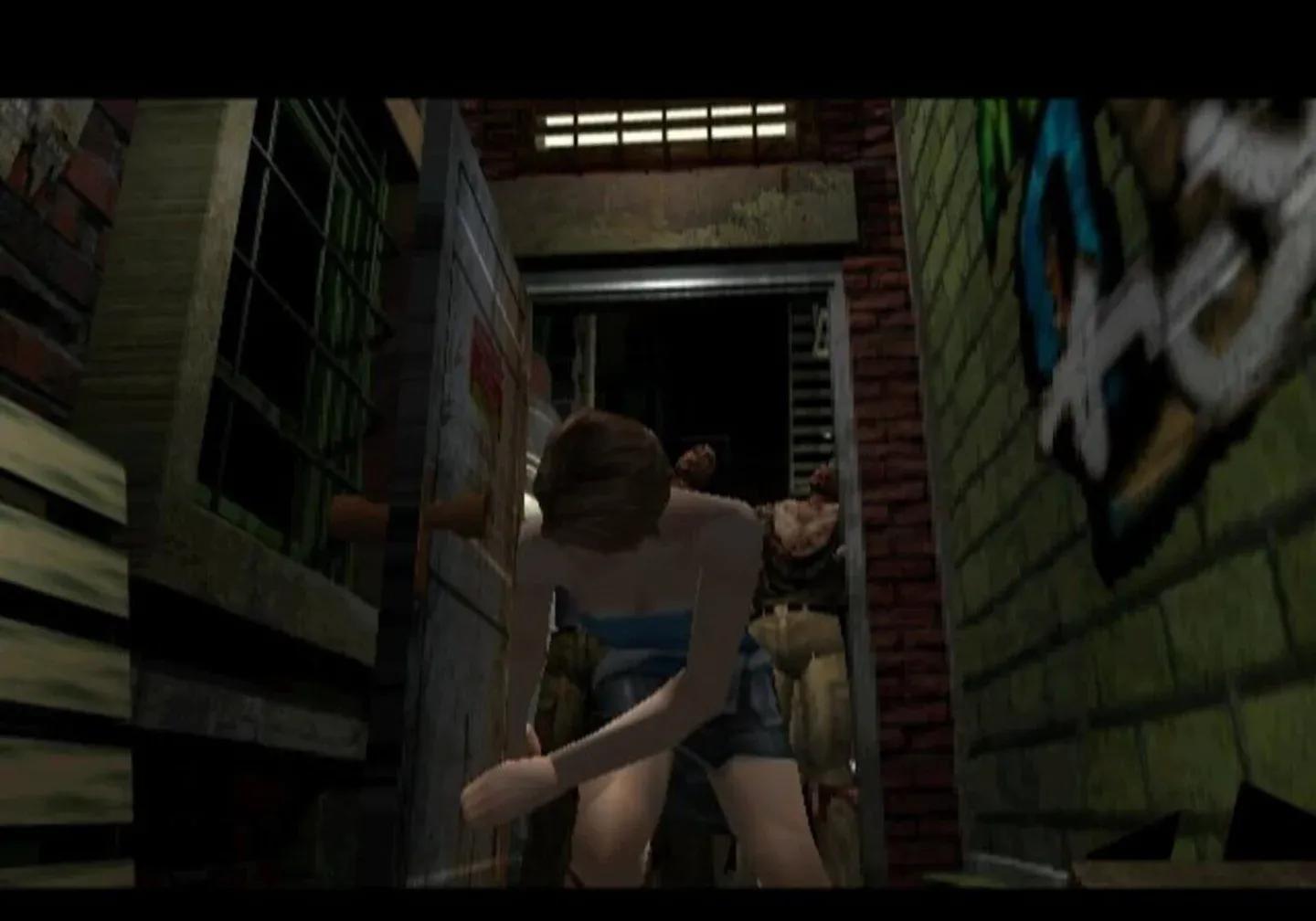
These additions make Jill more mobile than previous protagonists, which matters because the game puts her in situations where standing still is a death sentence. The Nemesis doesn't just wander. It pursues, it adapts, and it occasionally uses a rocket launcher.
Resident Evil 3: Nemesis content image
What makes the Nemesis different from standard enemies?
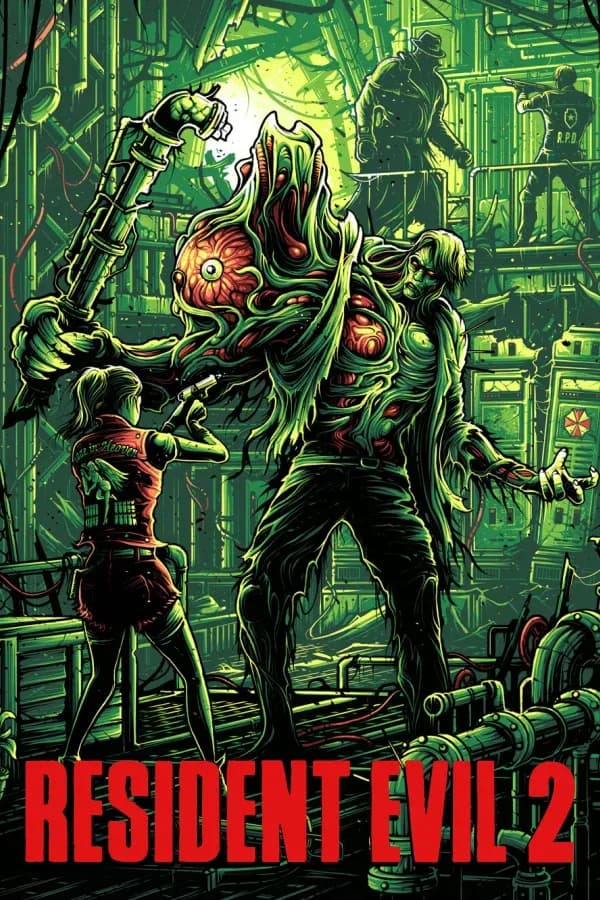
Most enemies in survival horror games follow predictable patterns. The Nemesis breaks that contract. It can open doors, follow Jill between areas, and absorb a genuinely alarming amount of damage before going down. When it does drop, it leaves behind items, giving players a reason to engage rather than always run. This risk-reward tension is what separates Resident Evil 3 from the more puzzle-focused pacing of Resident Evil 1 and the dual-protagonist structure of Resident Evil 2.
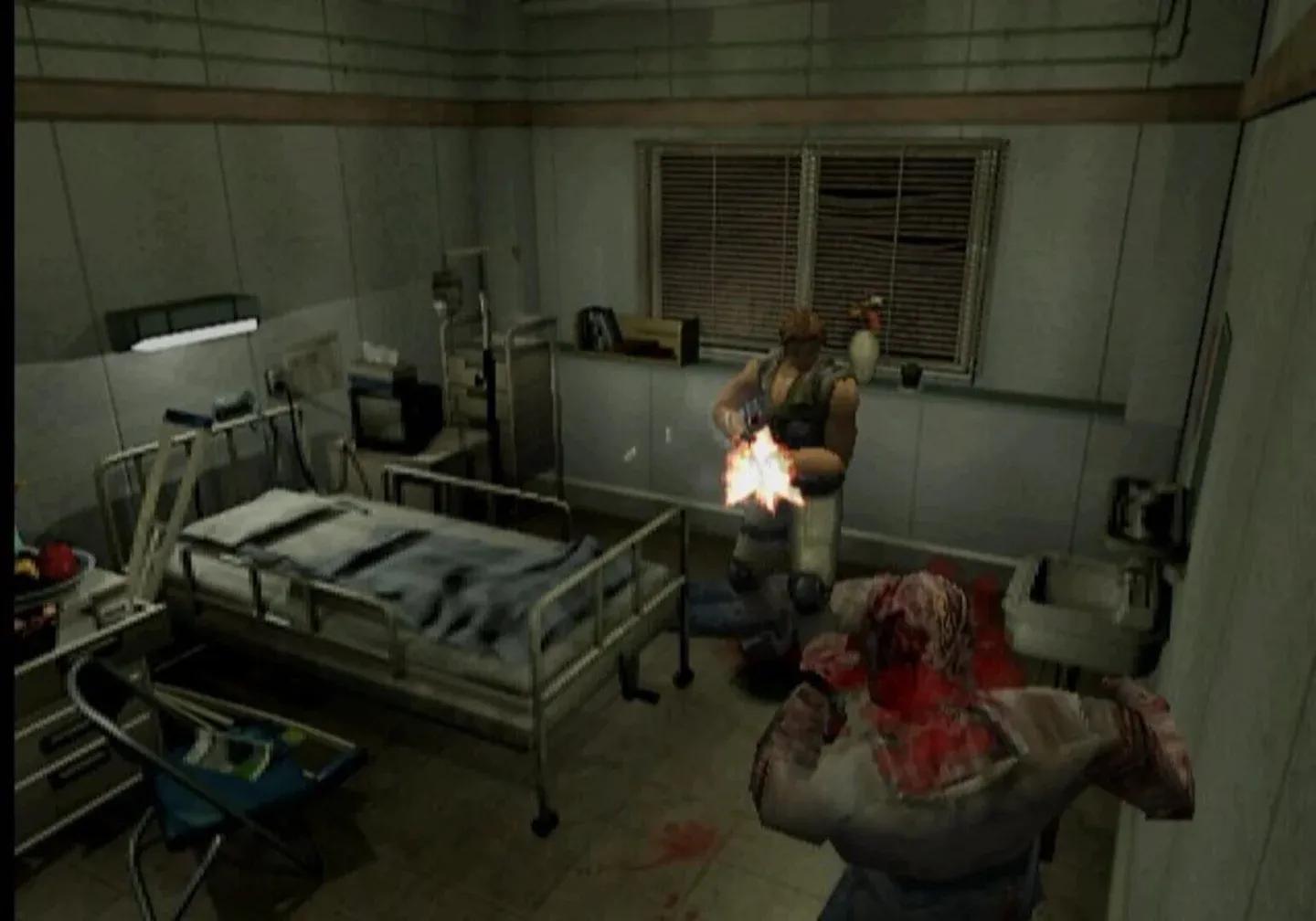
Resident Evil 3: Nemesis content image
Content and replayability
The PC and Dreamcast versions ship with all eight of Jill's alternate costumes unlocked from the start, along with Operation Mad Jackal, a standalone mercenary mini-game where players control one of three Umbrella soldiers racing through Raccoon City against a countdown timer. On PlayStation, these features require beating the main game with a high enough score, which gives the base campaign genuine replay value beyond a single playthrough.
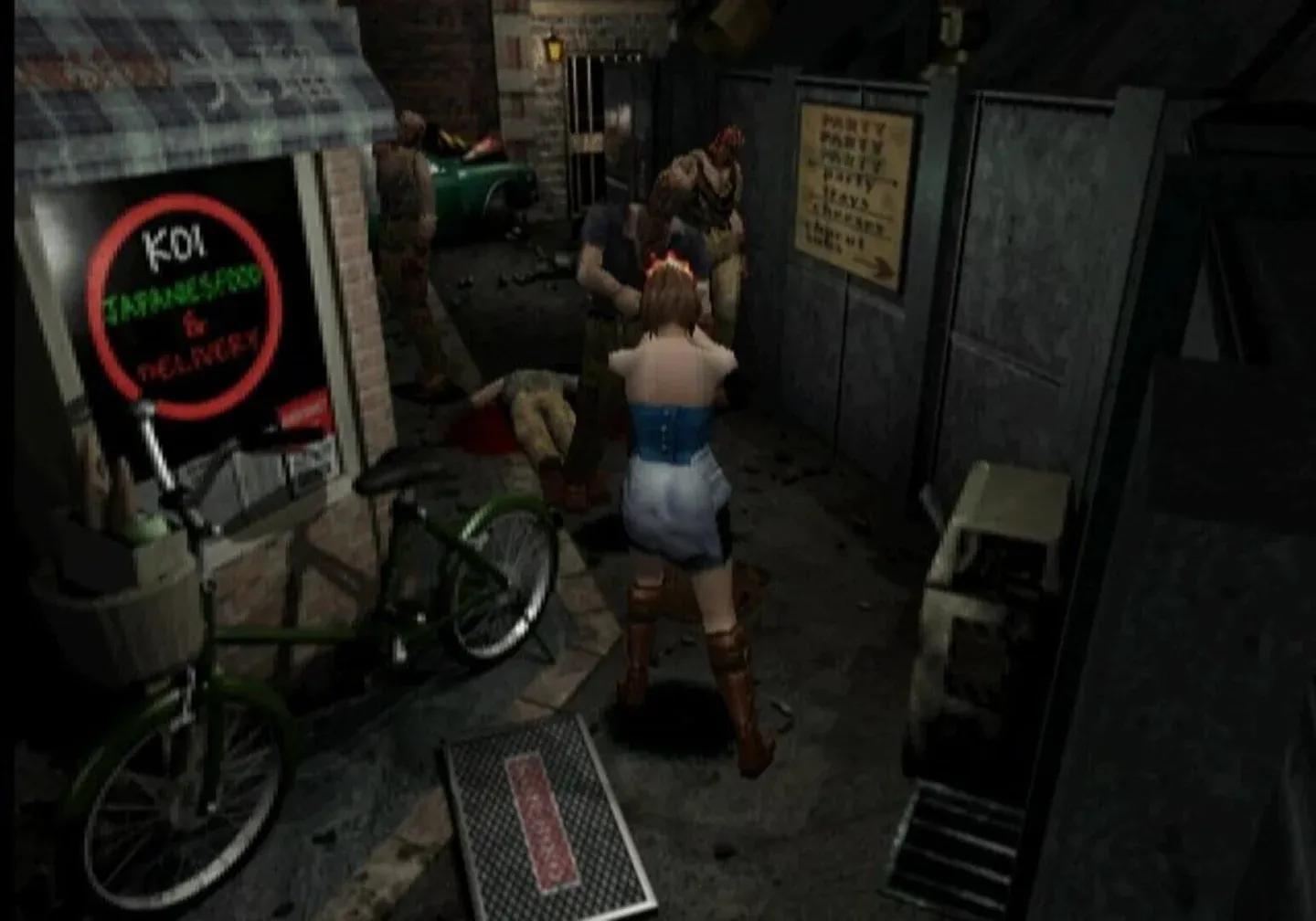
Resident Evil 3: Nemesis content image
Operation Mad Jackal shifts the tone considerably. The soldiers play differently from Jill, the scoring system rewards aggression, and the time pressure creates a completely different kind of stress than the main campaign's resource scarcity. It's a compact but surprisingly engaging second layer that extends the game's lifespan well past the credits.
Impact and legacy
Resident Evil 3: Nemesis arrived at a point when the series had already defined survival horror as a genre, and it pushed that definition further by proving that a single, persistent enemy could carry more dread than a hundred standard zombies. The Nemesis design directly influenced how games approach pursuer enemies, a concept that resurfaced decades later in everything from Alien: Isolation to modern asymmetric horror titles. The game's availability across PlayStation, Windows, Steam, and iOS means it remains accessible today, and its core tension holds up in a way that few games from 1999 can claim.