
Advertisement

Overview
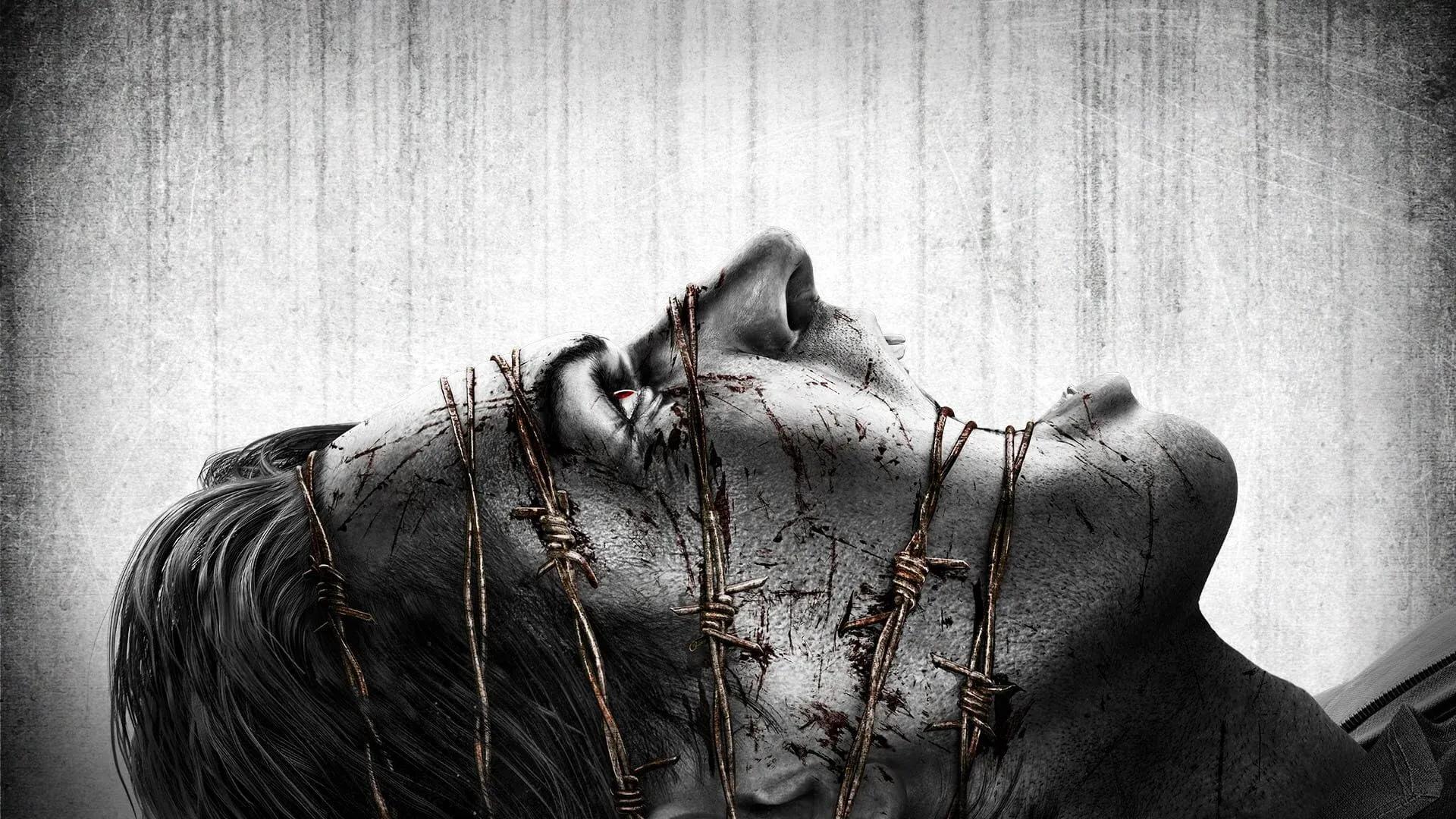
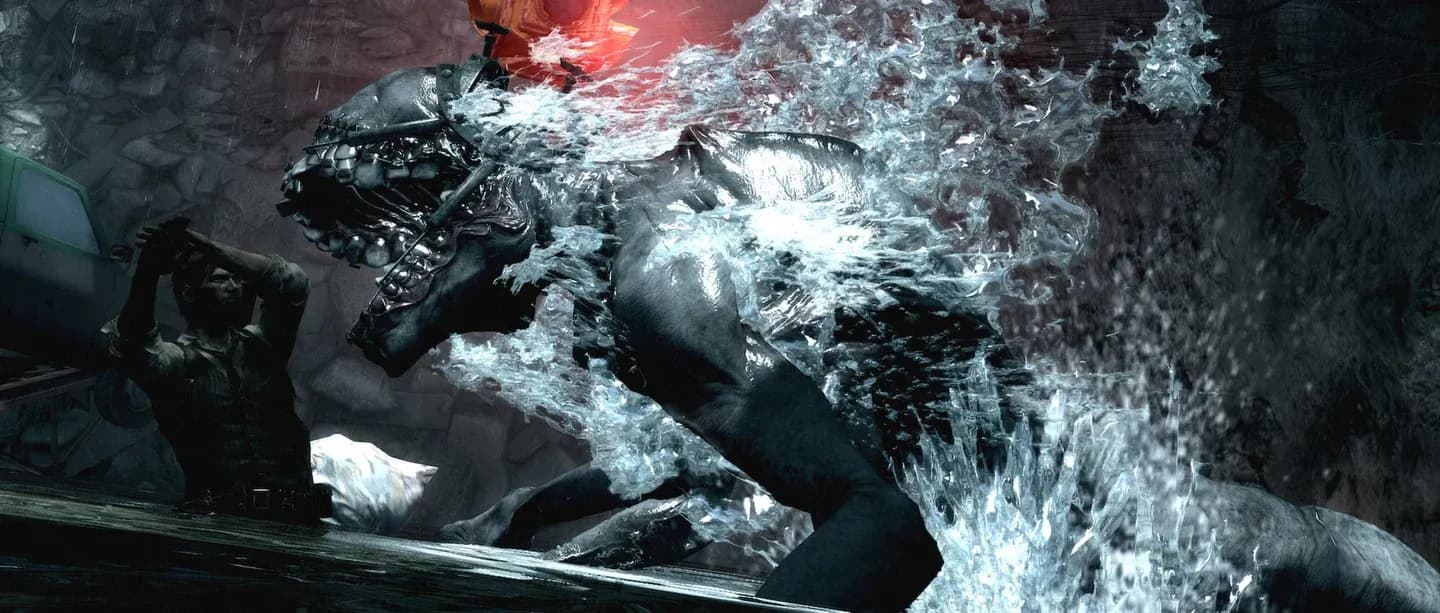
The Evil Within launched in October 2014, developed by Tango Gameworks and published by Bethesda Softworks. Shinji Mikami directed the project with a clear mission: strip survival horror back to its roots after years of the genre drifting toward action. The result is a third-person horror game built around resource scarcity, environmental danger, and a story that keeps you questioning what's real.
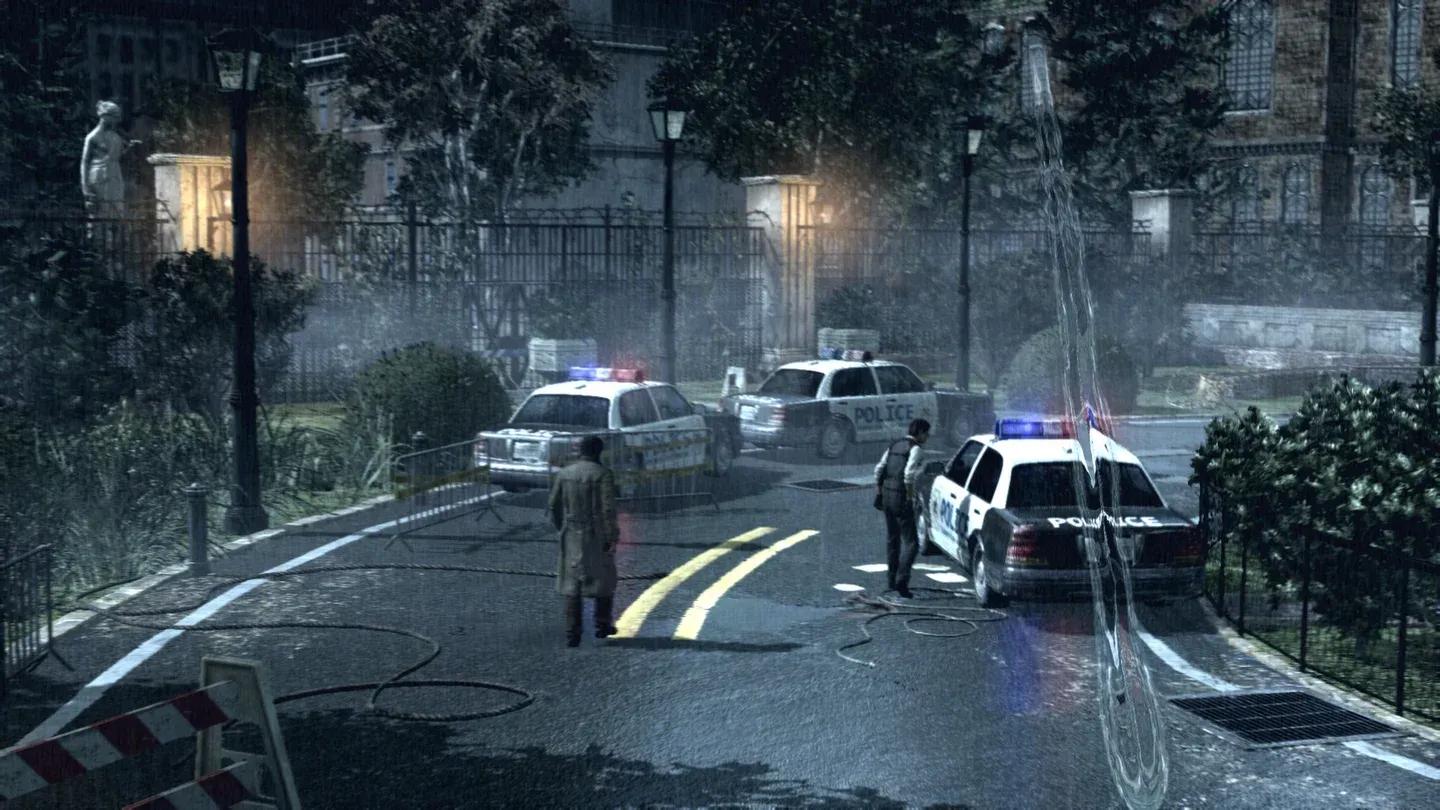
Detective Sebastian Castellanos arrives at Beacon Mental Hospital to investigate a mass murder, only to be ambushed by something he can't explain. He wakes up in a world that shouldn't exist, populated by grotesque creatures and shifting architecture that rearranges itself without warning. The narrative unfolds across 15 chapters, slowly peeling back the mystery behind a device called STEM and the monstrous presence known as Ruvik.
The Evil Within content image
Gameplay and mechanics
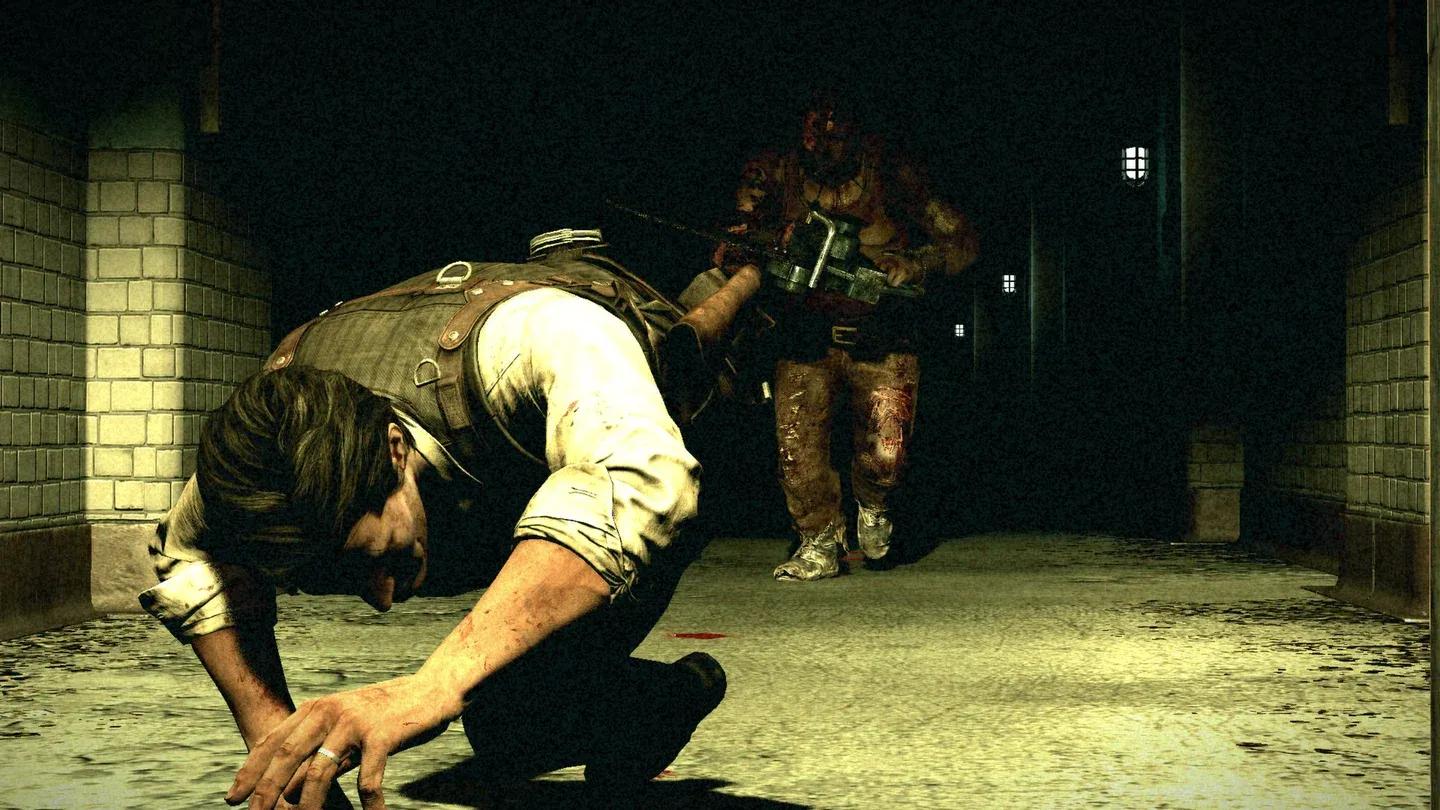
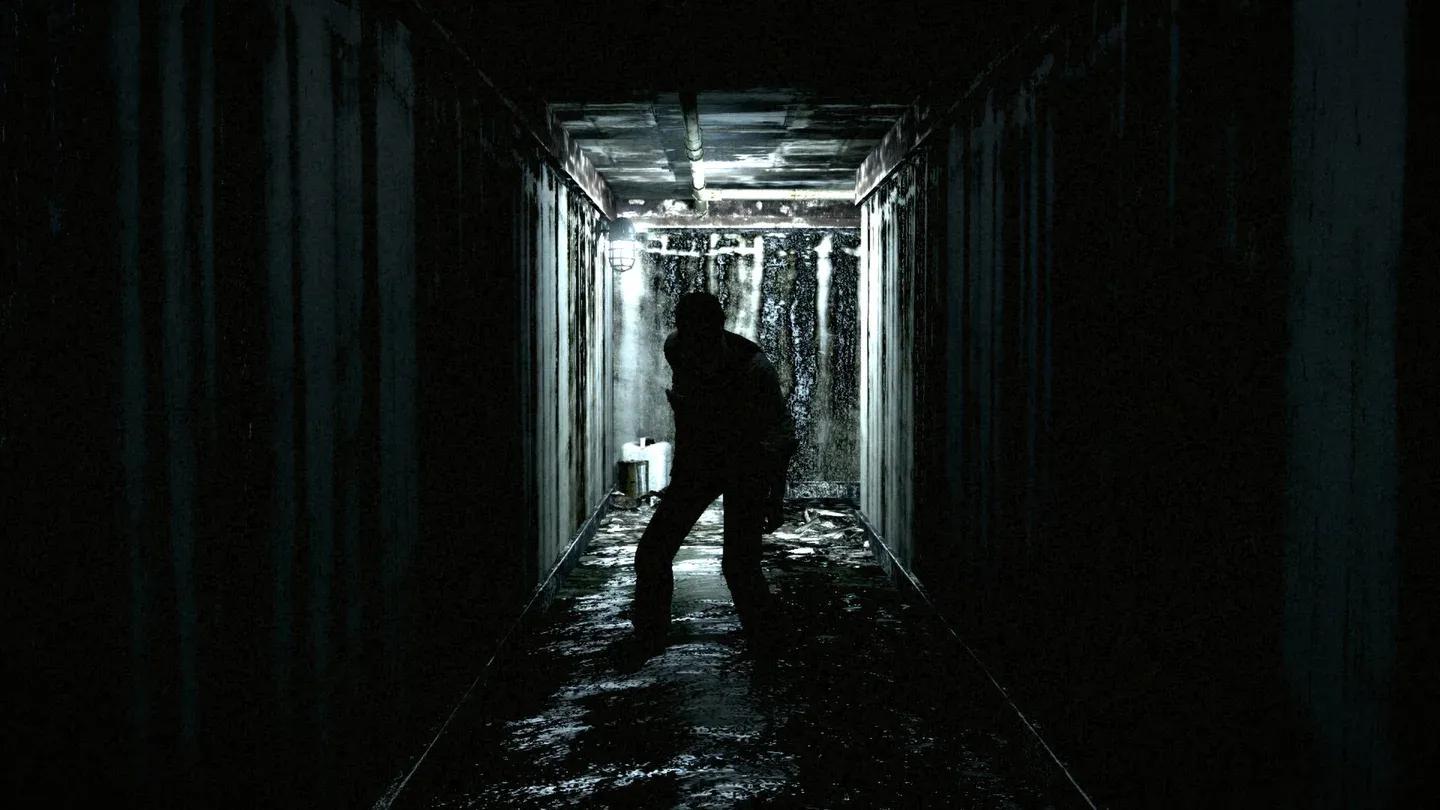
The Evil Within's core loop centers on survival under pressure. Ammunition is scarce, enemies soak up punishment, and running past danger is rarely a clean option. Key mechanics include:
The Evil Within content image
- Stealth takedowns to conserve ammo
- Trap disarming and repurposing against enemies
- Upgrade system using green gel collected from kills
- Match-based fire kills to prevent enemy revival
- Limited inventory forcing constant triage decisions
The upgrade system, powered by green gel, lets you invest in Sebastian's stamina, weapon damage, or item capacity over time. Nothing feels free. Every upgrade is earned through careful play, and the game punishes hoarding by regularly stripping your resources through scripted encounters.
The Evil Within content image
What makes the world so unsettling?
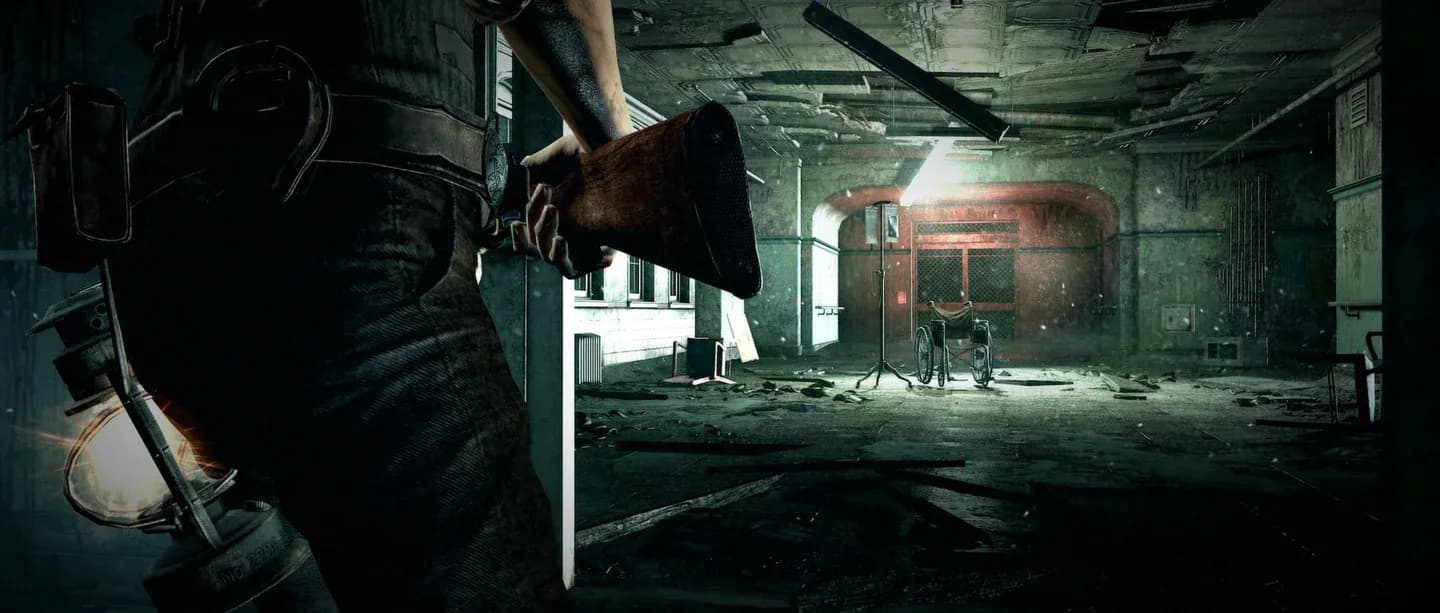
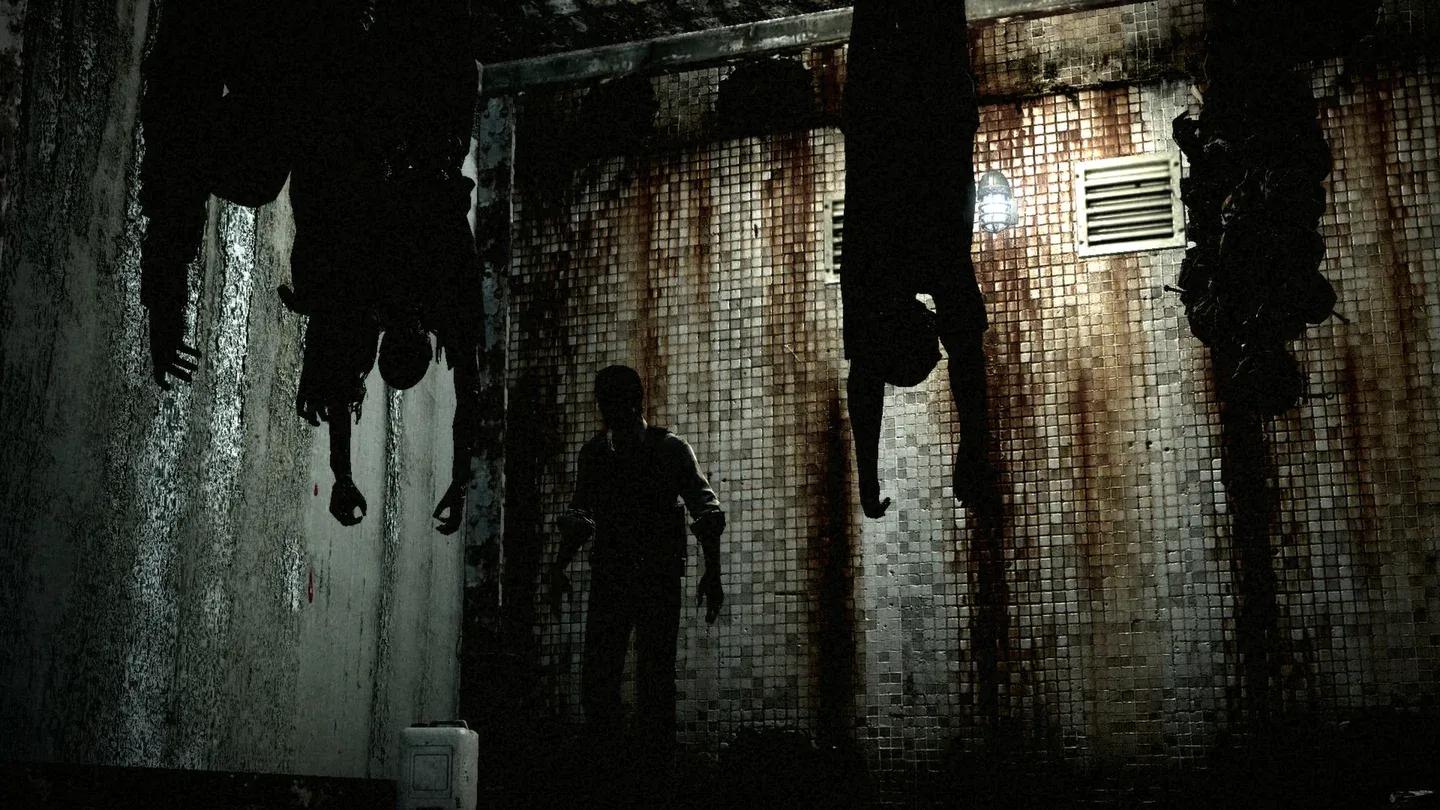
The environments in The Evil Within don't follow architectural logic. Corridors collapse, rooms flood with blood, and entire buildings warp mid-chase. This isn't just visual noise: the world shifting around you is a core tension mechanic, removing the safety of memorized layouts. Tango Gameworks built a setting where familiarity offers no comfort.
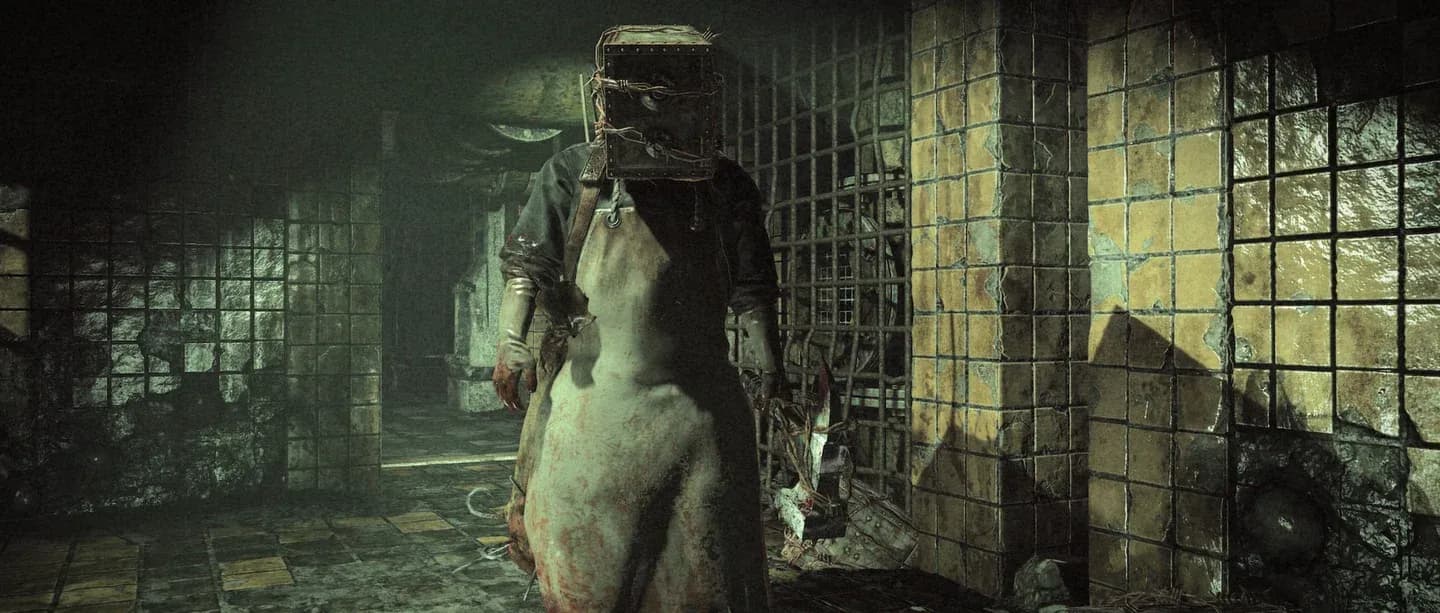
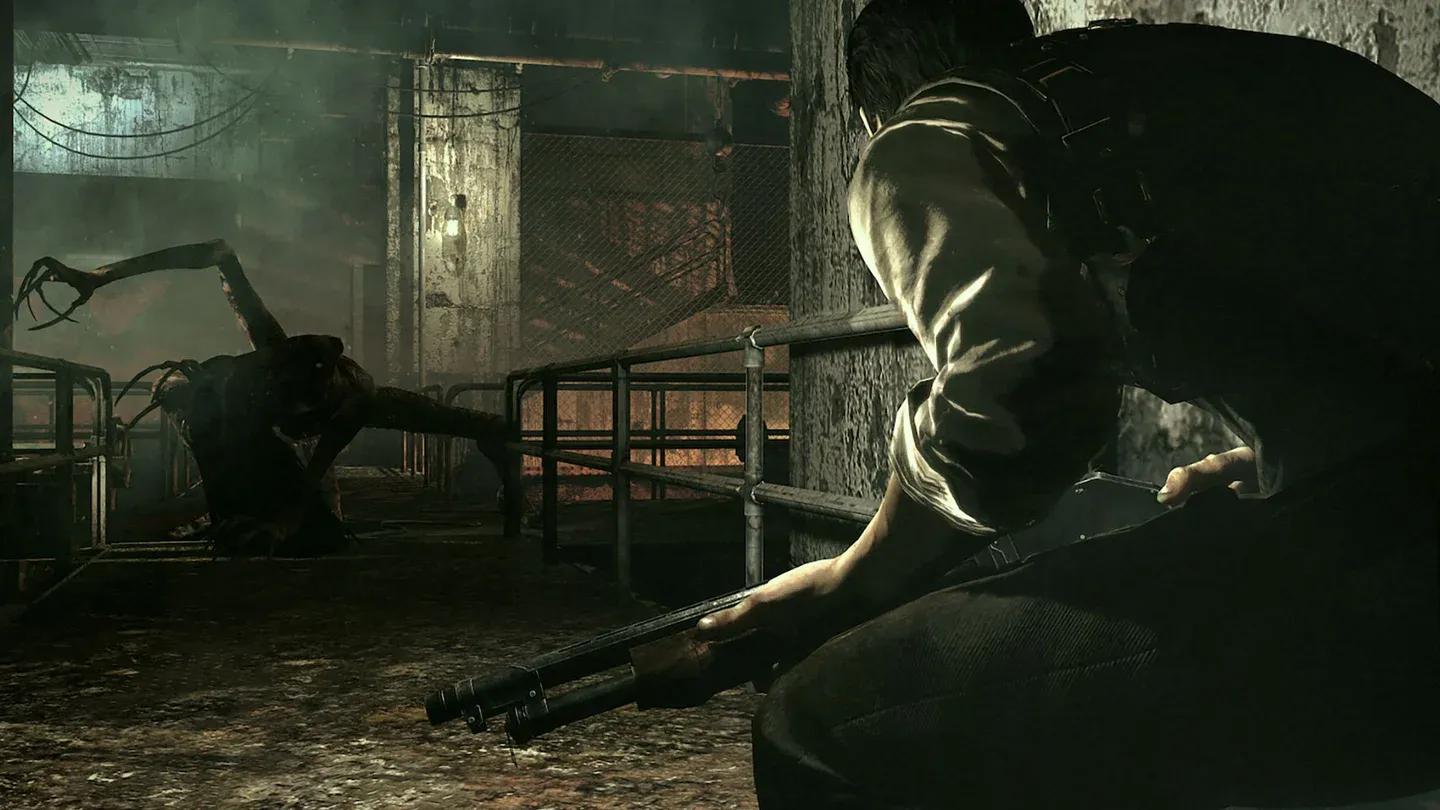
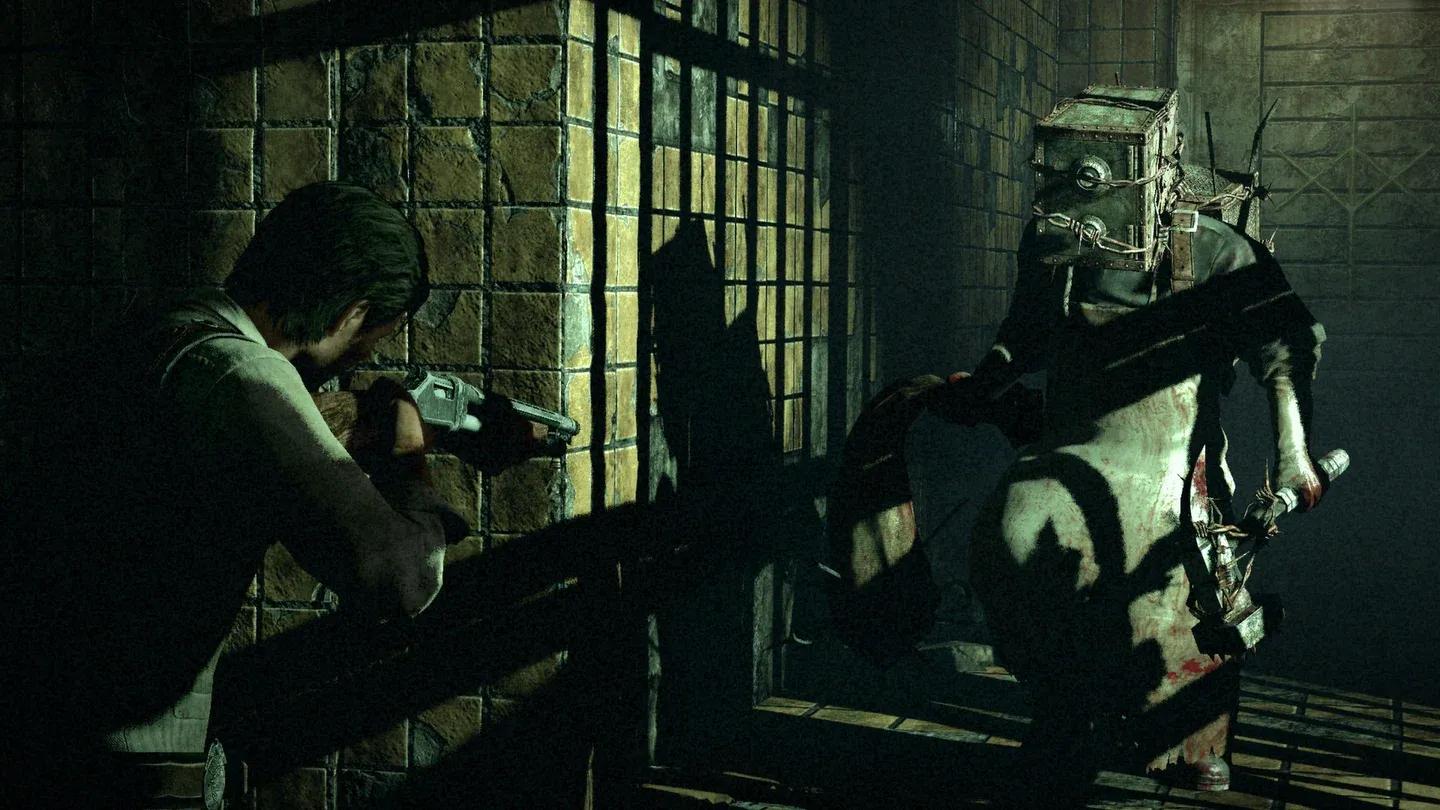
The creature design reinforces this. The Haunted, reanimated corpses with erratic movement, are the standard enemy type, but the game escalates into boss encounters that are genuinely difficult to read on a first attempt. The recurring antagonist Ruvik appears without warning, triggering instant-kill chase sequences that redefine what a safe room feels like.
Visual and audio design
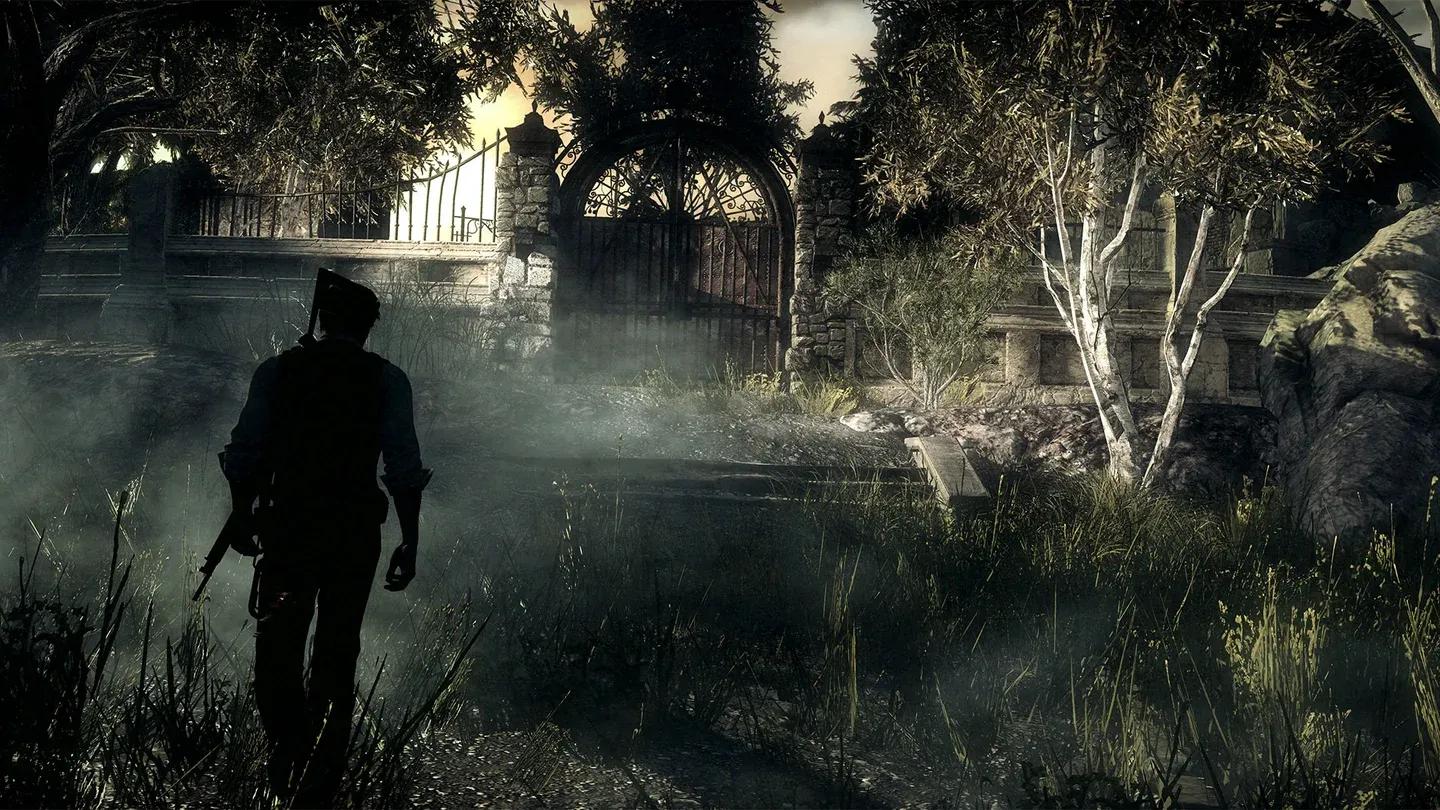
The Evil Within runs in a letterboxed format, cropping the screen to a cinematic 2.35:1 ratio. This was a deliberate artistic choice to increase claustrophobia, though it drew criticism on release. The color palette skews toward sickly greens, deep shadows, and industrial rust, with environments ranging from rural villages to operating theaters to surreal nightmare spaces.
The audio design does serious work. Environmental cues signal nearby enemies before they're visible, and the score shifts between oppressive silence and dissonant strings. Playing with headphones on significantly changes how threatening the game feels.
The Evil Within content image
Impact and legacy
The Evil Within arrived at a moment when third-person survival horror had largely abandoned its tension-first roots. Critics were divided at launch, with scores reflecting disagreement over pacing and technical performance on older hardware. Over time, the game's reputation has improved considerably, particularly among players who appreciate deliberate, punishing horror design.
The game supports PC, PlayStation, Xbox, and is available on Steam. Three DLC packs expanded the story, with The Assignment and The Consequence offering a first-person perspective through the eyes of agent Juli Kidman, adding meaningful context to the main campaign. The Evil Within remains one of the clearest examples of what survival horror feels like when scarcity and dread are treated as design pillars rather than inconveniences.
| Requirement | Minimum | Recommended |
|---|---|---|
| Processor | i7 or an equivalent with four plus core processor | i7 with four plus cores |
| Memory | 4 GB RAM | 4 GB RAM |
| Graphics | GTX 460 or equivalent 1 GB VRAM card | GeForce GTX 670 or equivalent with 4GBs of VRAM |
| DirectX | Version 11 | Version 11 |
| Storage | 50 GB available space | 50 GB available space |