

Biggest discounts, free games, and limited-time offers across every major gaming store.
Never pay full price again.
Overview
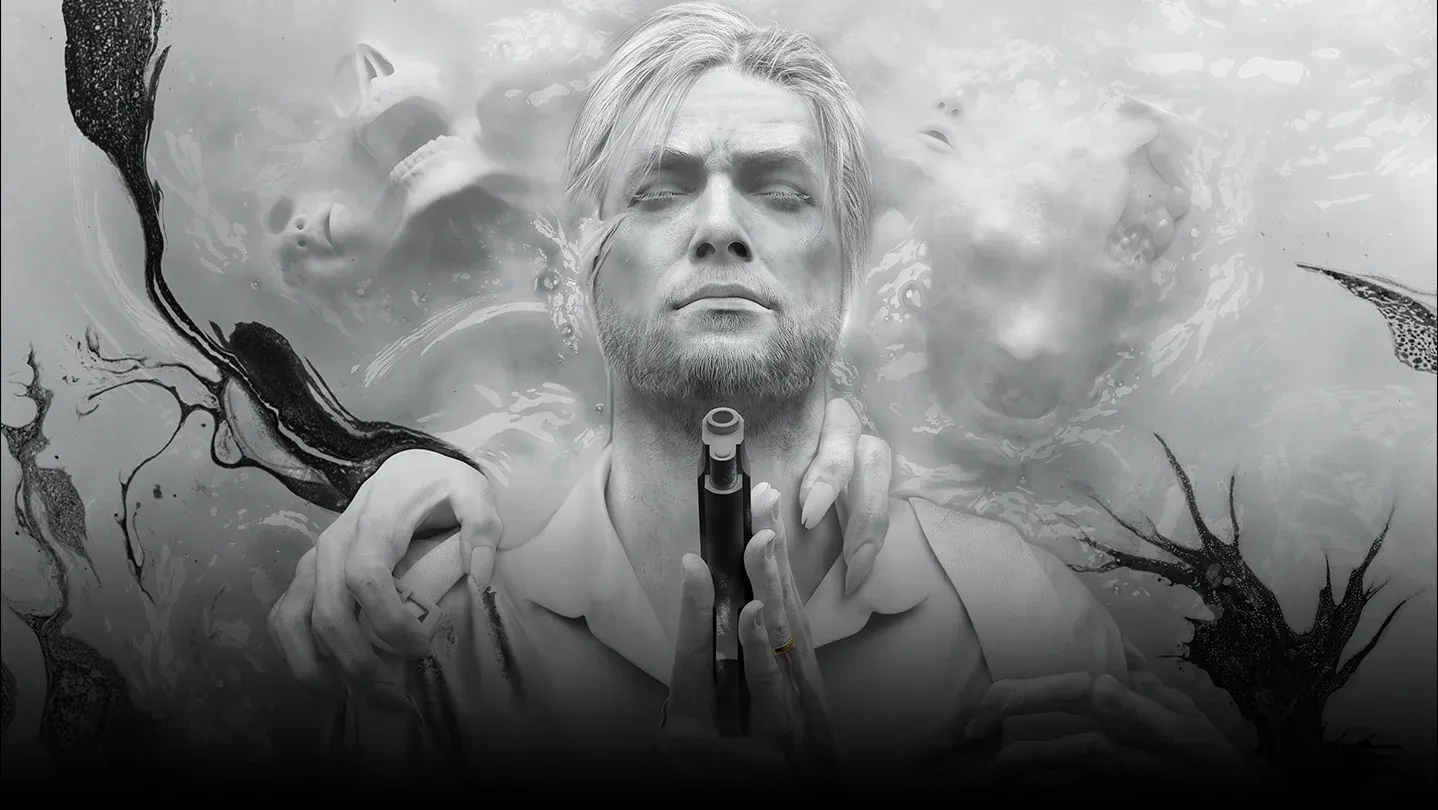
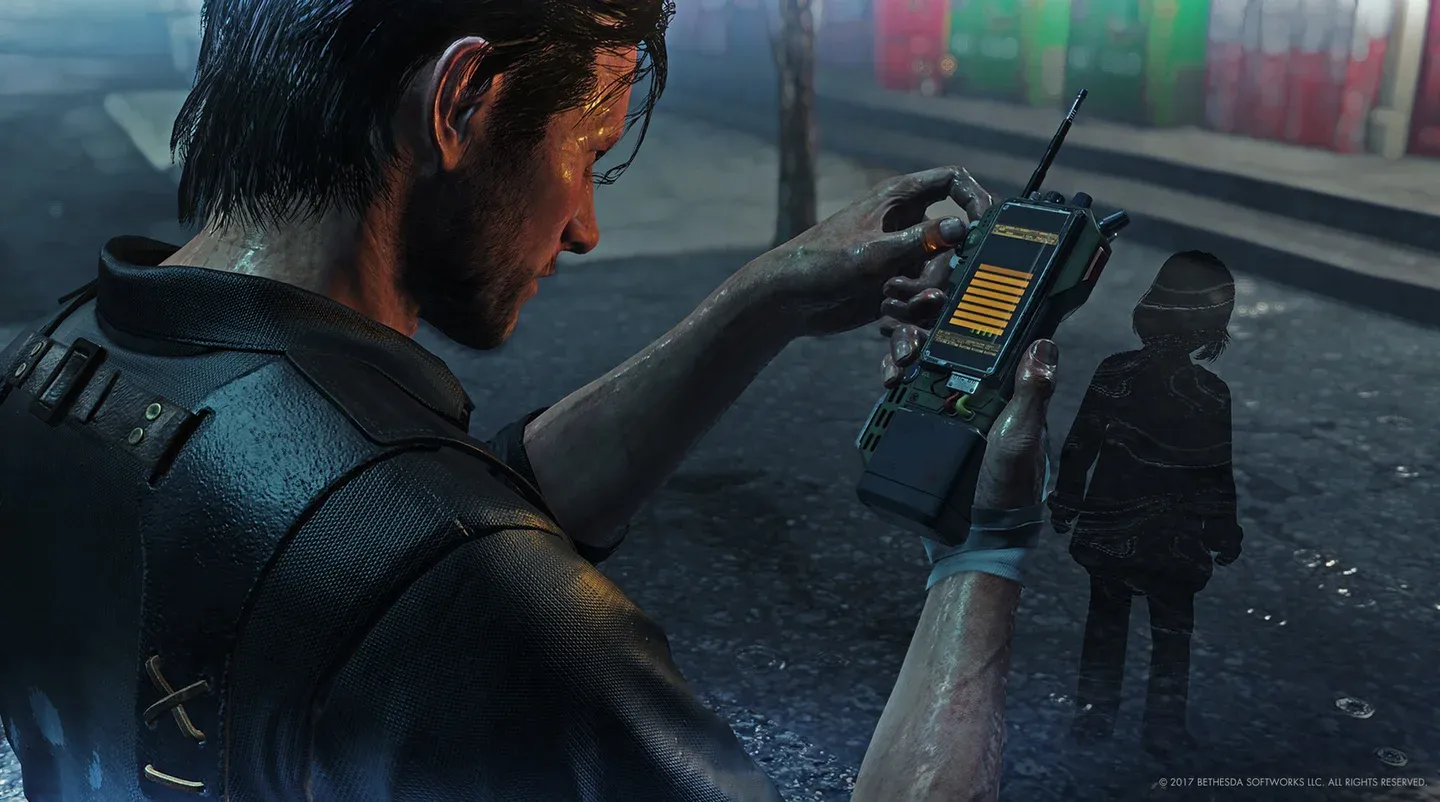
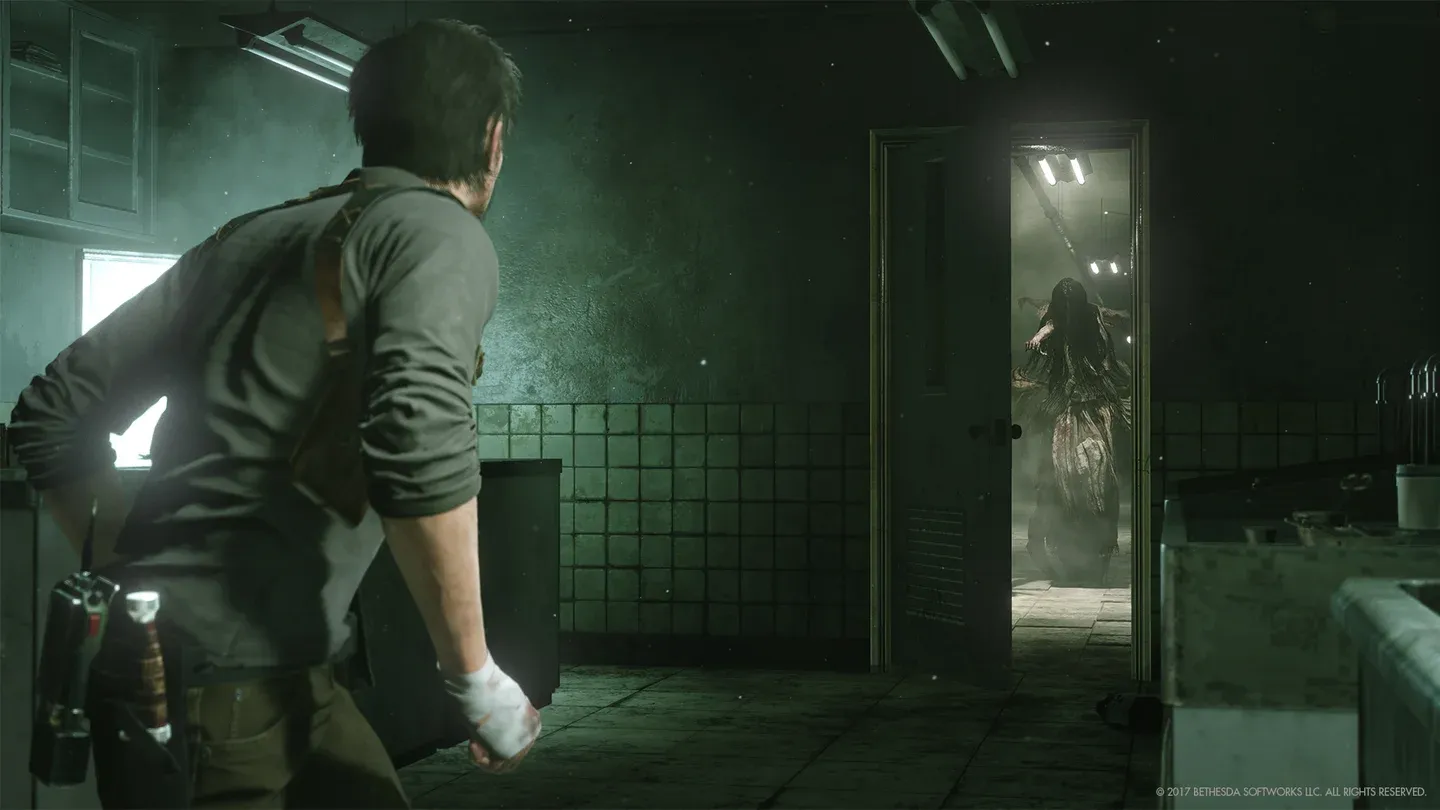
The Evil Within 2 drops Sebastian Castellanos into Union, a manufactured idyllic town that serves as the core simulation within STEM. His daughter Lily, presumed dead years ago, is alive inside this world and acting as its signal source. When the simulation begins to collapse and something starts hunting its inhabitants, Sebastian has no choice but to go back in. The setup is personal in a way the first game never quite managed, and it gives the horror a grounded emotional weight.
Directed by John Johanas under Shinji Mikami's supervision, the game opens up considerably compared to the original. Union's semi-open neighborhoods let you move between objectives, scavenge for resources, and stumble into side content that fills in the story. The pacing is uneven in places, but the freedom to approach encounters on your own terms makes up for it. You can burn through a chapter aggressively or spend an hour quietly looting abandoned houses while something circles outside.
The Evil Within 2 content image
Gameplay and mechanics
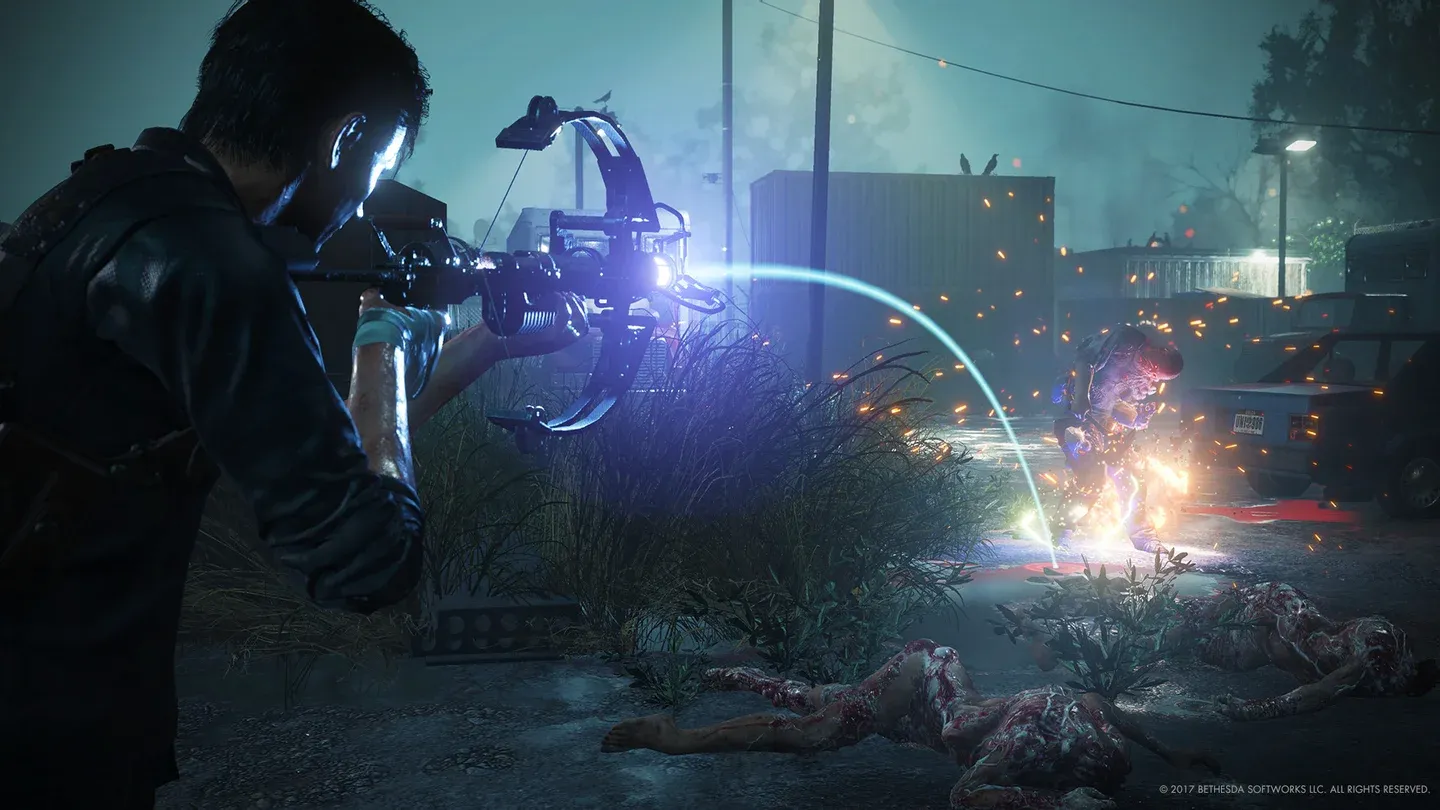
Survival horror lives and dies by resource management, and The Evil Within 2 keeps that tension tight throughout. Ammunition is scarce enough that gunfighting feels genuinely risky, but the crafting system lets you convert salvaged parts into bolts, traps, and medkits at workbenches scattered across Union. Sebastian's skill tree covers stealth, combat, and traversal, so builds can lean into either playstyle without feeling locked out of the other.
The Evil Within 2 content image
Key mechanics at a glance:
- Stealth takedowns and bottle distractions
- Crossbow with interchangeable bolt types
- Crafting from scavenged components
- Skill tree upgrades across multiple categories
- AKUMU difficulty for one-hit-kill challenge runs
The AKUMU difficulty mode, available as a post-launch addition, strips away any margin for error. One hit from most enemies ends the run. It transforms a tense game into something genuinely punishing and gives seasoned survival horror players a reason to replay the whole thing.
World and setting
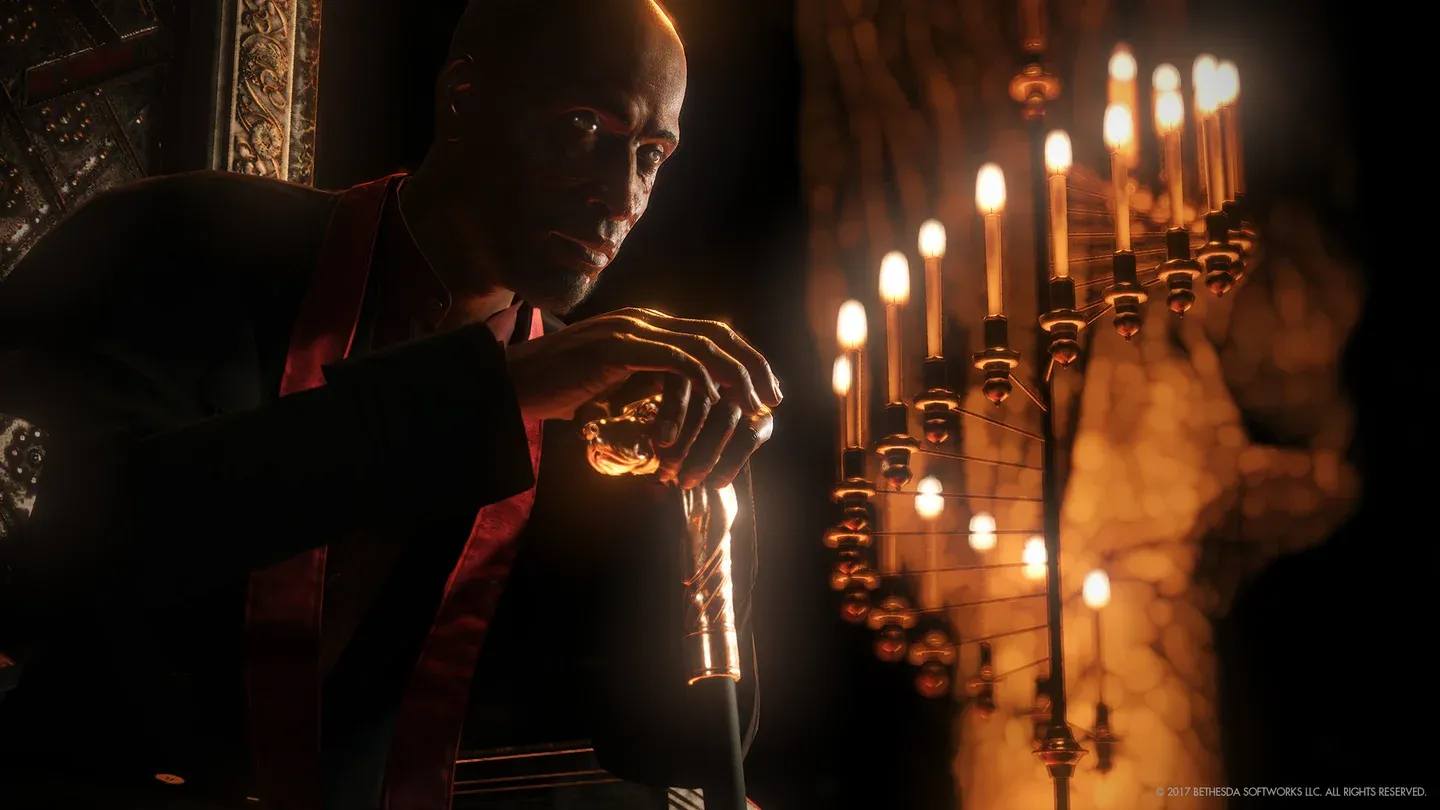
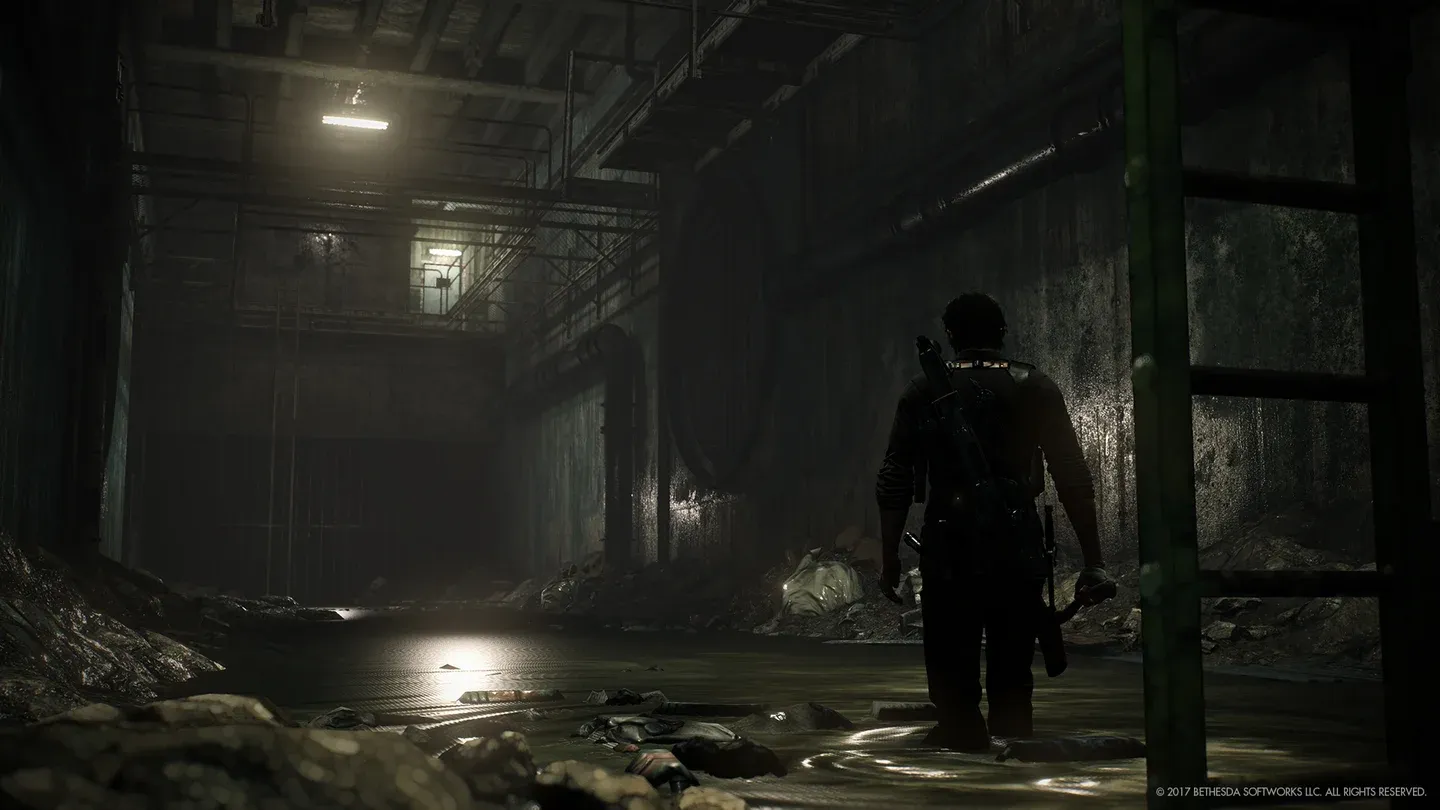
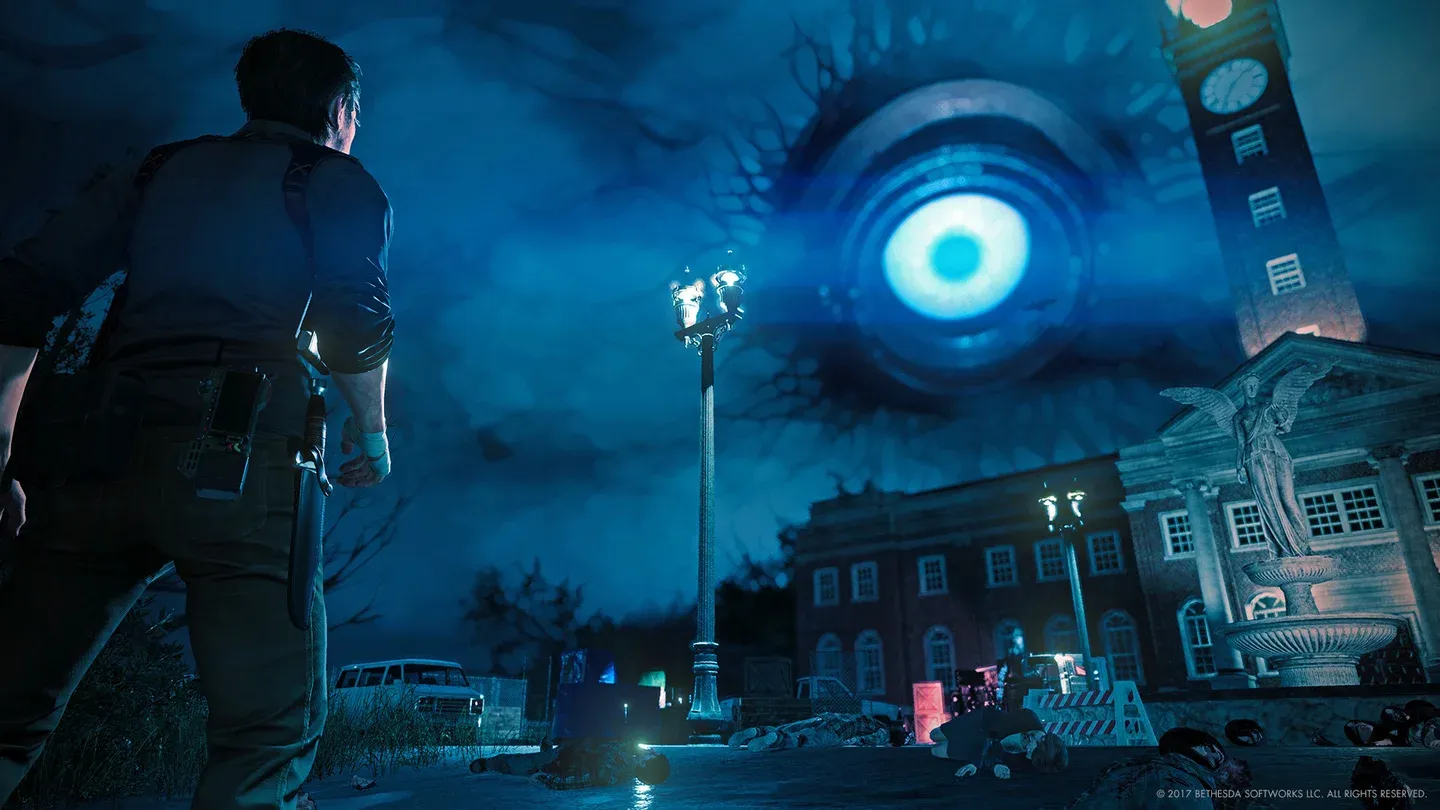
Union is the most interesting space Tango Gameworks has built. On the surface it looks like a peaceful American suburb frozen in time, but the simulation's decay tears that facade apart as the story progresses. Streets warp, buildings collapse inward, and the creatures that emerge are tied directly to the psychology of the people who shaped STEM. The horror has internal logic, which makes it land harder than random monster placement would.
The Evil Within 2 content image
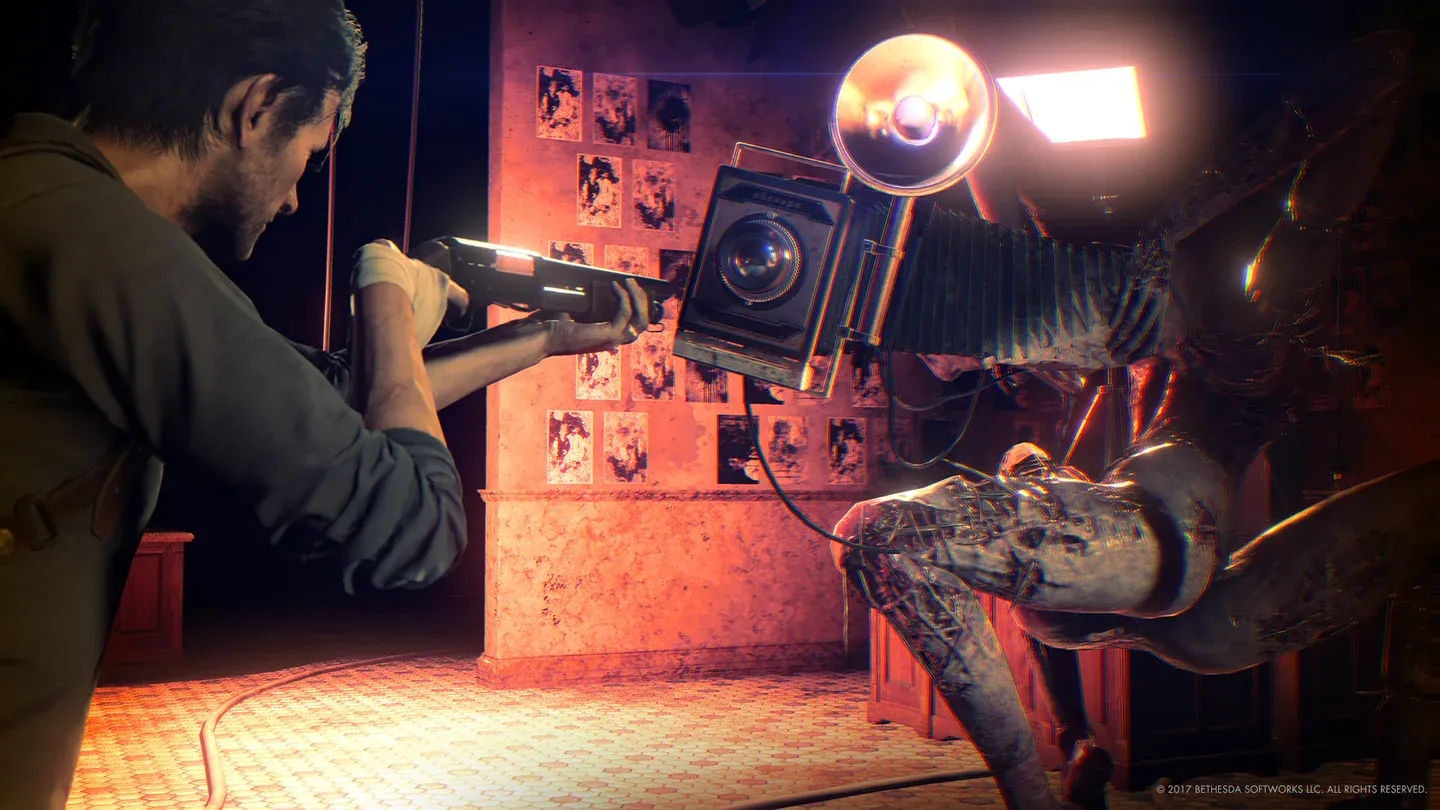
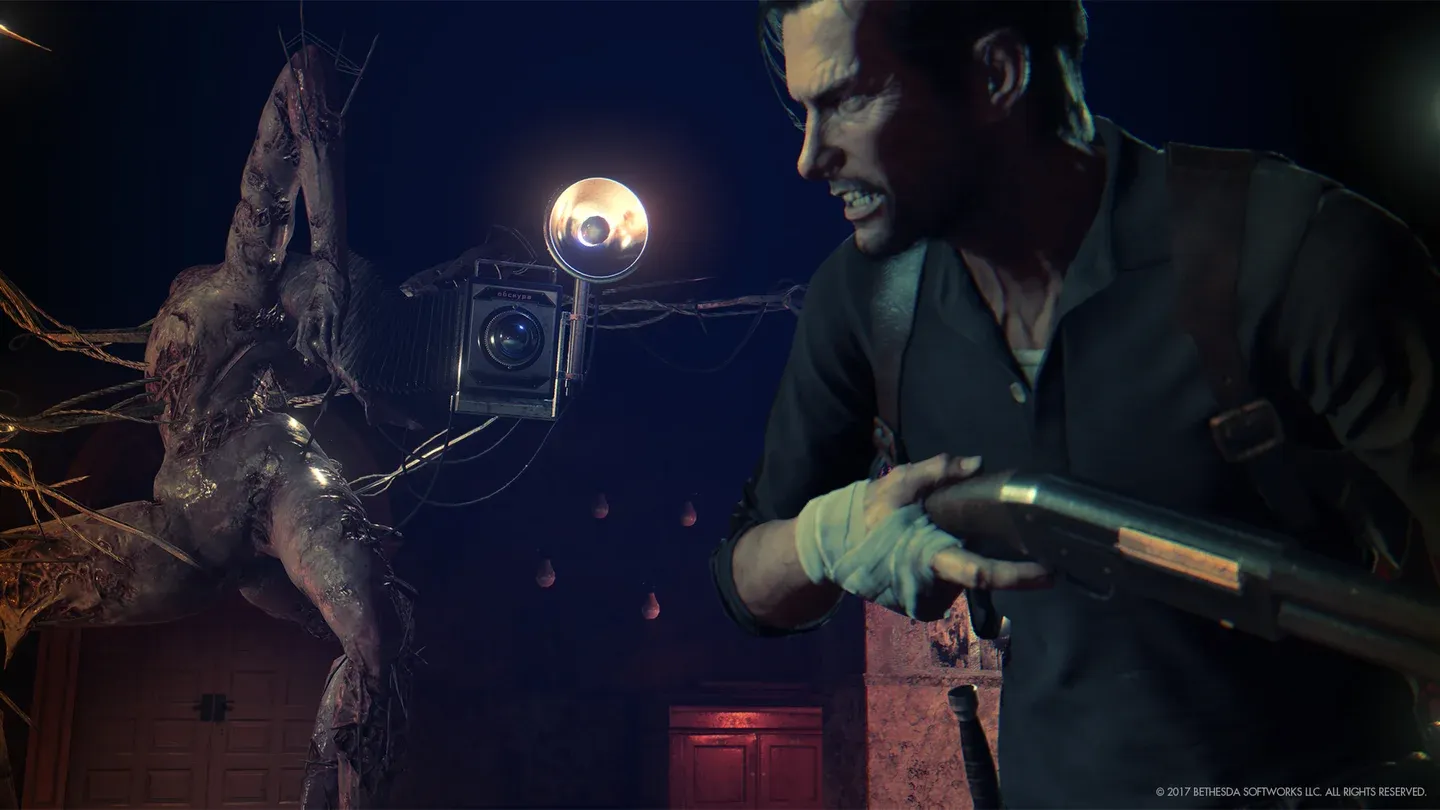
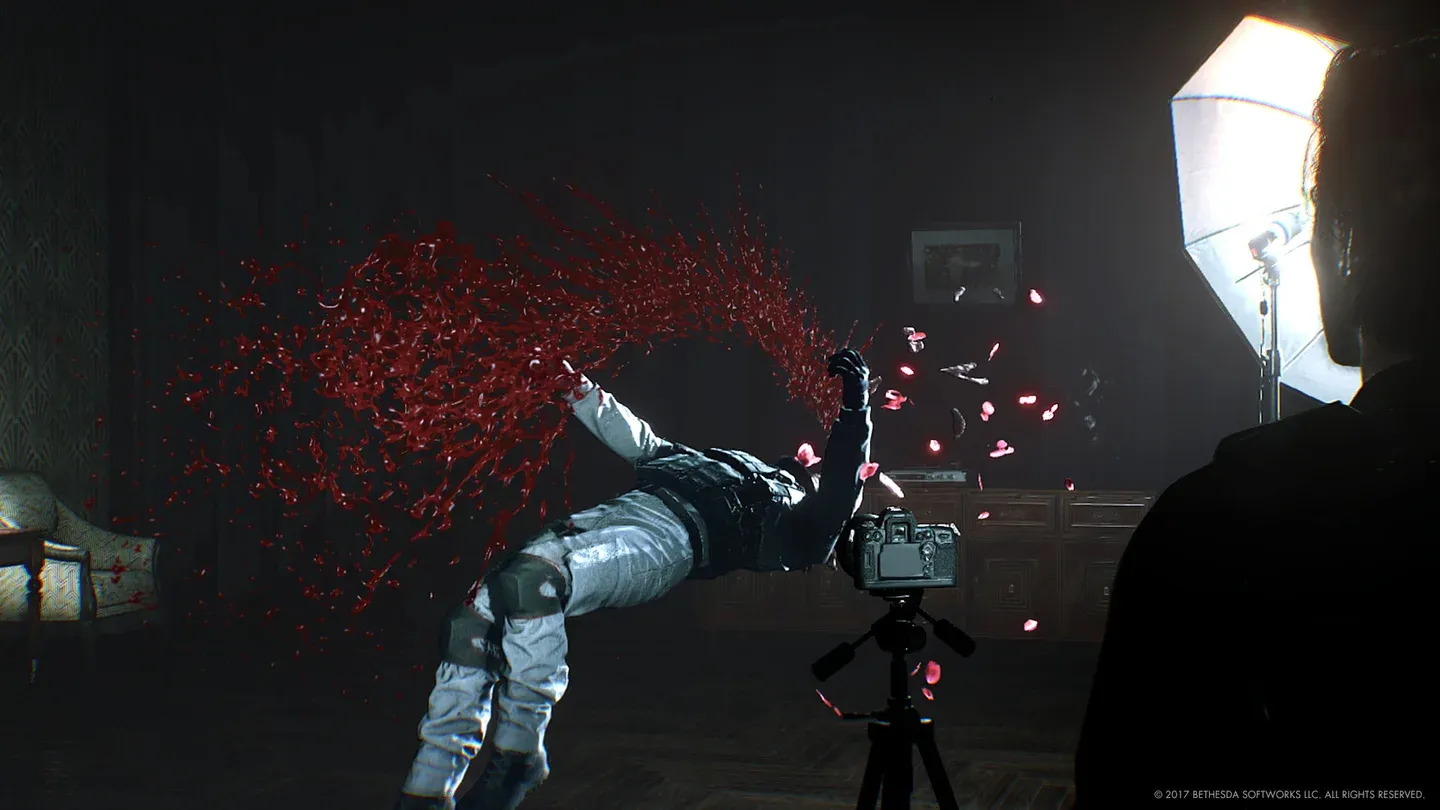
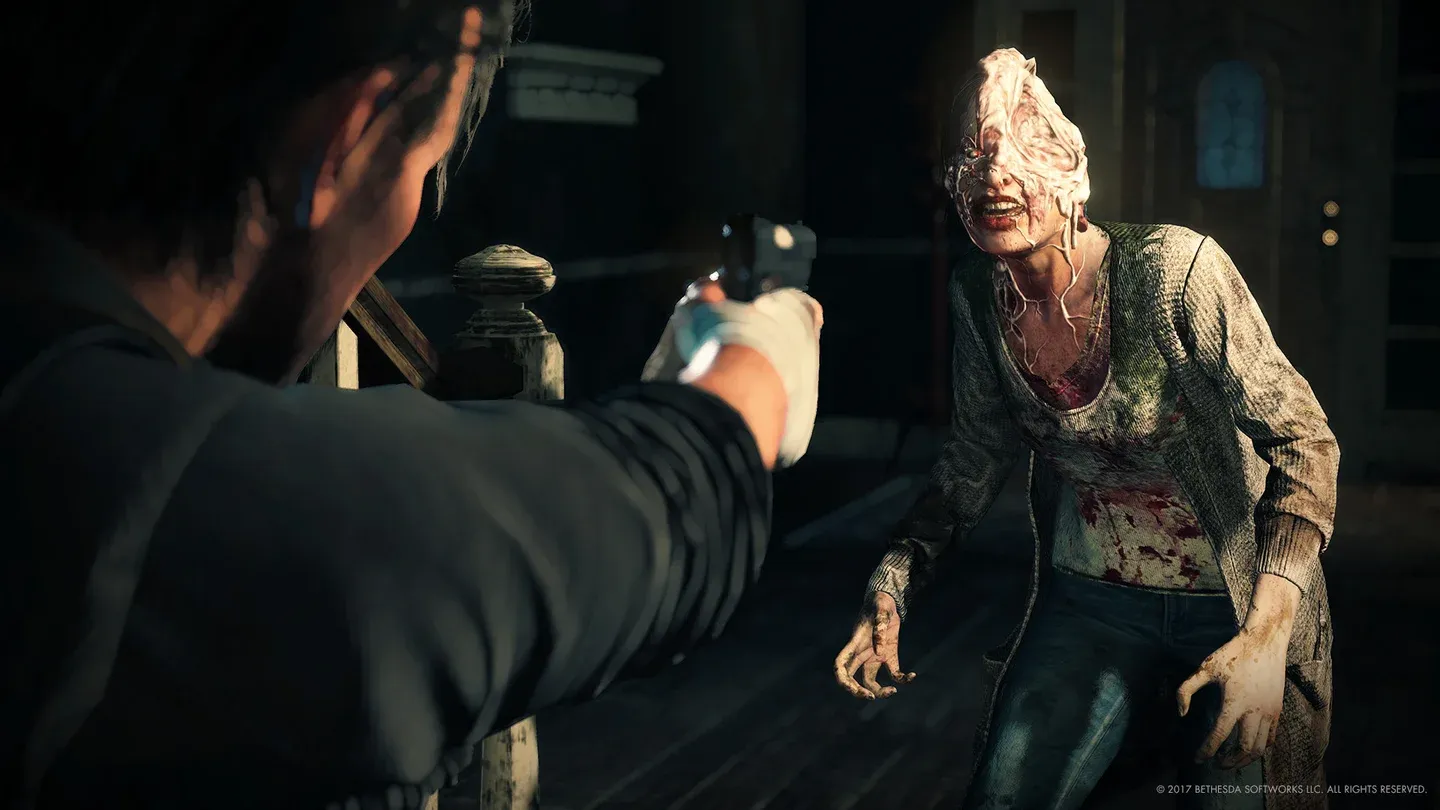
The game's antagonists each occupy distinct domains carved out of Union's collapsing structure. Stefano Valentini, a photographer who treats murder as performance art, creates set-piece encounters that feel like walking into someone else's fever dream. These boss-driven subzones break up the open-world exploration and give the pacing somewhere to go.
Content and replayability
The Evil Within 2 holds up well across multiple runs because the semi-open structure rewards different approaches. A stealth-focused playthrough feels like a completely different game than an aggressive one, and the skill tree supports both without forcing a reset. The two story DLC chapters, The Consequence and The Assignment (originally from the first game's DLC structure), are not included in the base game, but the core campaign runs roughly 15 to 20 hours depending on exploration depth.
The Evil Within 2 content image
The post-launch update added Infinite Stamina, One-Shot Kills, and Invincibility options alongside AKUMU, which effectively turn the game into a horror sandbox for players who want to experience the story without the survival pressure. That flexibility makes The Evil Within 2 more accessible than most entries in the genre without softening what it does best: building dread out of ordinary spaces and refusing to let you feel safe in any of them.