
Biggest discounts, free games, and limited-time offers across every major gaming store.
Never pay full price again.
Overview
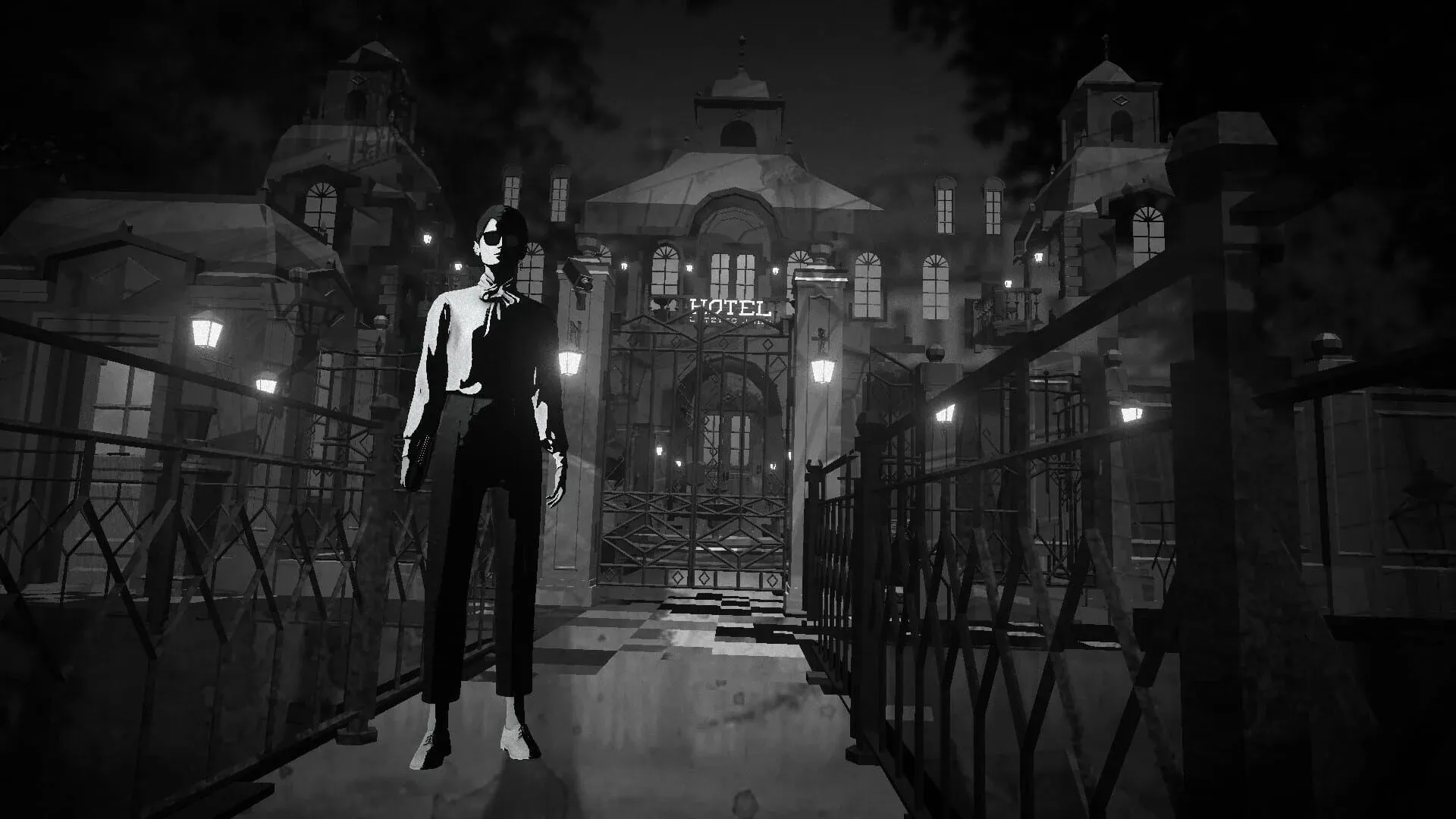
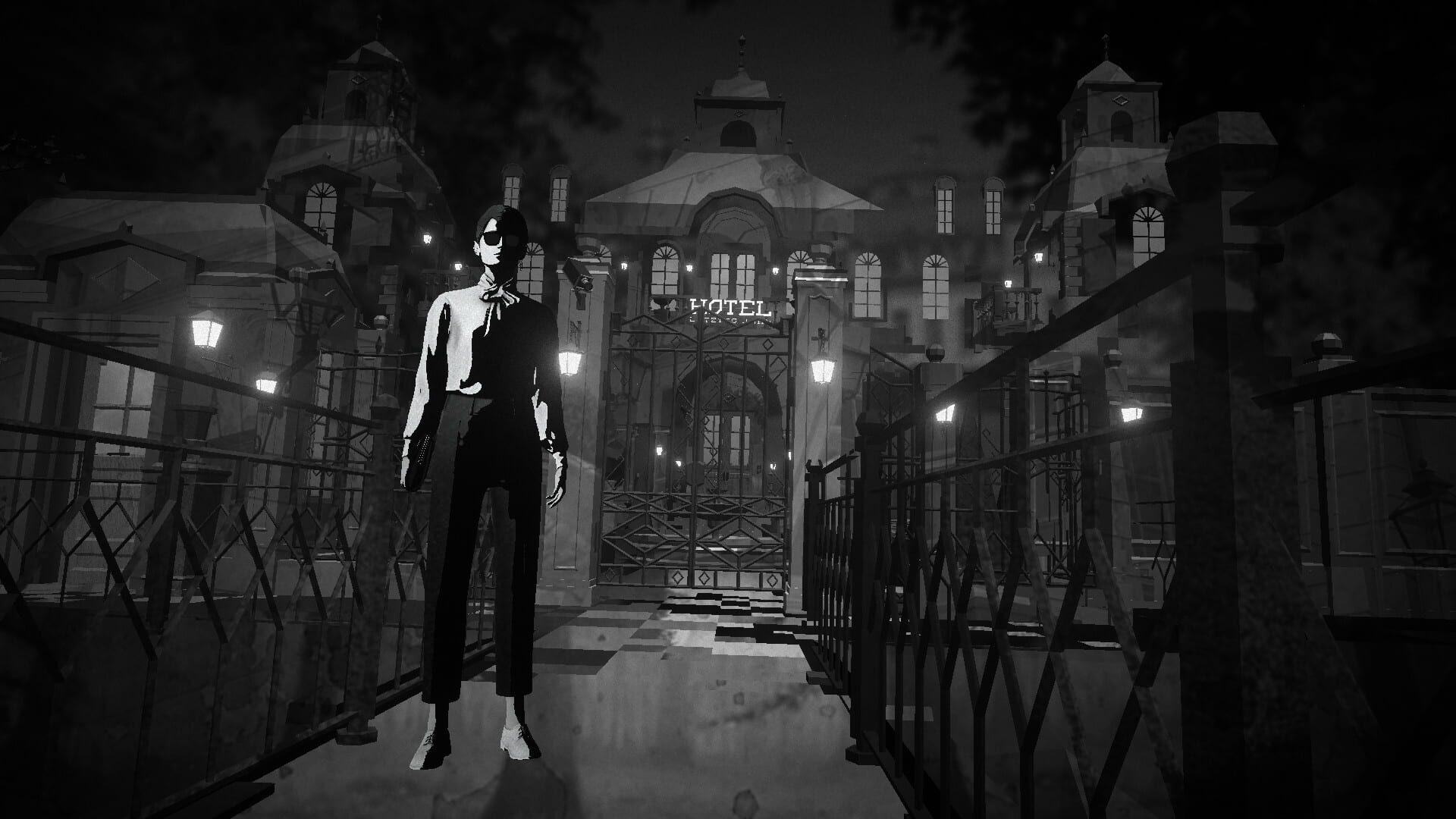
Lorelei and the Laser Eyes arrives as one of the most distinctive puzzle-adventure games in recent memory. Developed by Simogo, the studio behind Sayonara Wild Hearts and Year Walk, the game plants you inside an enigmatic old hotel somewhere in central Europe, where a woman has been summoned by an eccentric man to participate in a mysterious project. What unfolds is a non-linear descent into illusion, paranoia, and increasingly surreal danger. The atmosphere is deliberate, the pacing unhurried, and the sense of dread quietly relentless.
The game's black-and-white visual identity is not merely an aesthetic choice; it is a structural one. Simogo made the deliberate decision to strip away color after the vibrant palette of Sayonara Wild Hearts, opting instead for a slower, more contemplative experience. Every shadow, every corridor, and every cryptic document feels intentional. The monochromatic world forces attention onto shapes, text, and spatial relationships, which are precisely the tools the puzzle design relies upon most heavily.
Gameplay and Mechanics: What Kind of Puzzle Game Is This?
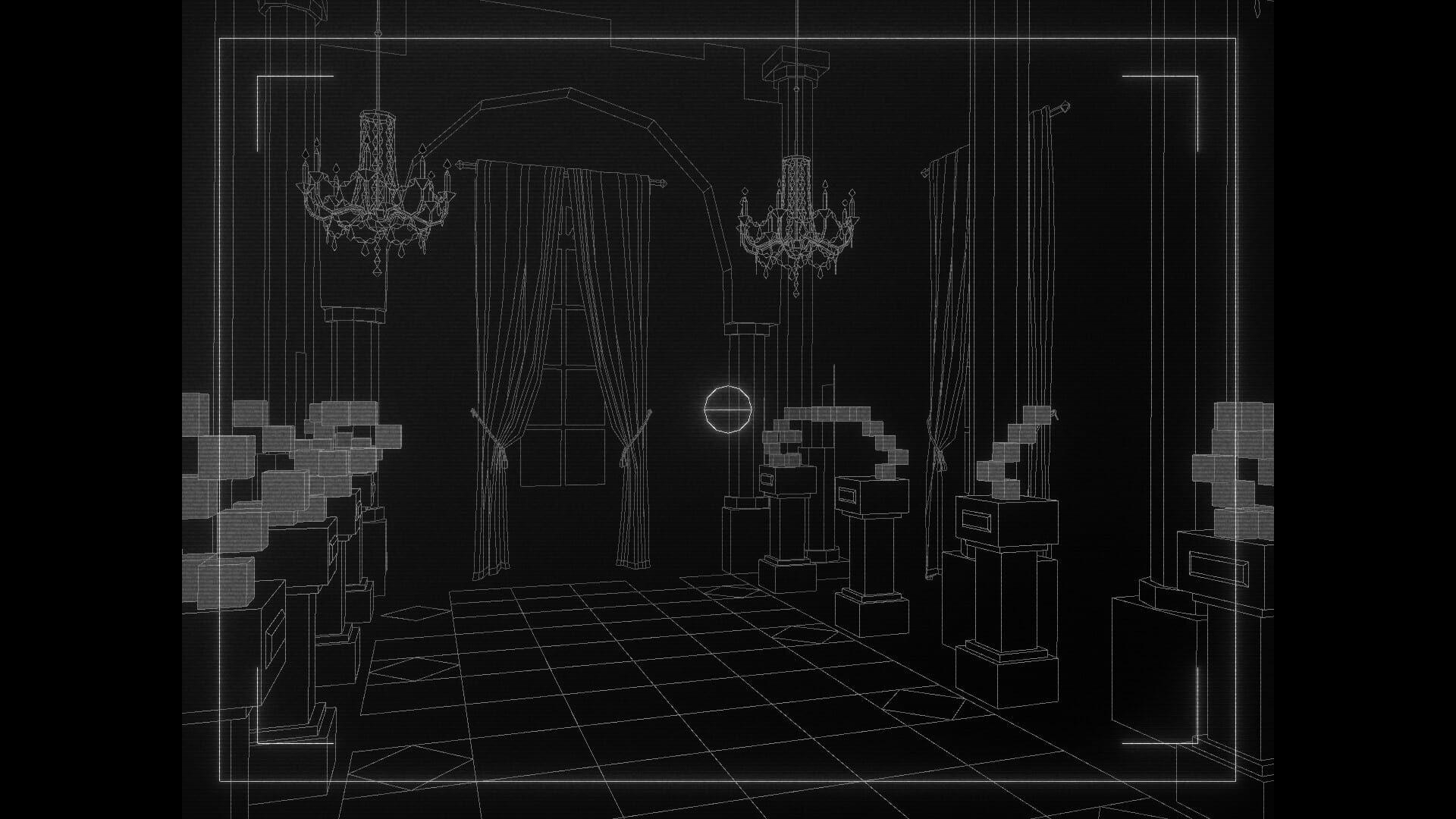
Lorelei and the Laser Eyes is a pure puzzle game at its core, built around an immense library of handcrafted riddles that resist repetition. There are no combat systems, no resource meters, and no waypoint markers guiding you forward. Progress comes entirely from observation, pattern recognition, and the willingness to connect information gathered across disparate parts of the hotel.
Key gameplay characteristics include:
- Non-linear exploration with no prescribed path
- Handcrafted puzzles that introduce new mechanics continuously
- Document and environmental clue cross-referencing
- A note-taking system that encourages active engagement
- Zero hand-holding or hint systems
Each puzzle feels like a carefully constructed lock with a unique key. Some demand mathematical reasoning, others require decoding ciphers or interpreting visual patterns embedded in the environment. The game never recycles a mechanic without evolving it, ensuring that the experience remains intellectually stimulating from the first corridor to the final revelation.
Innovation and Unique Features
What separates Lorelei and the Laser Eyes from other indie puzzle games is its commitment to architectural mystery. The hotel itself functions as a puzzle box, with rooms, objects, and documents forming an interconnected web of clues that only reveal their significance once you've gathered enough context. The non-linear structure means players frequently return to previously visited spaces with fresh eyes and new understanding.
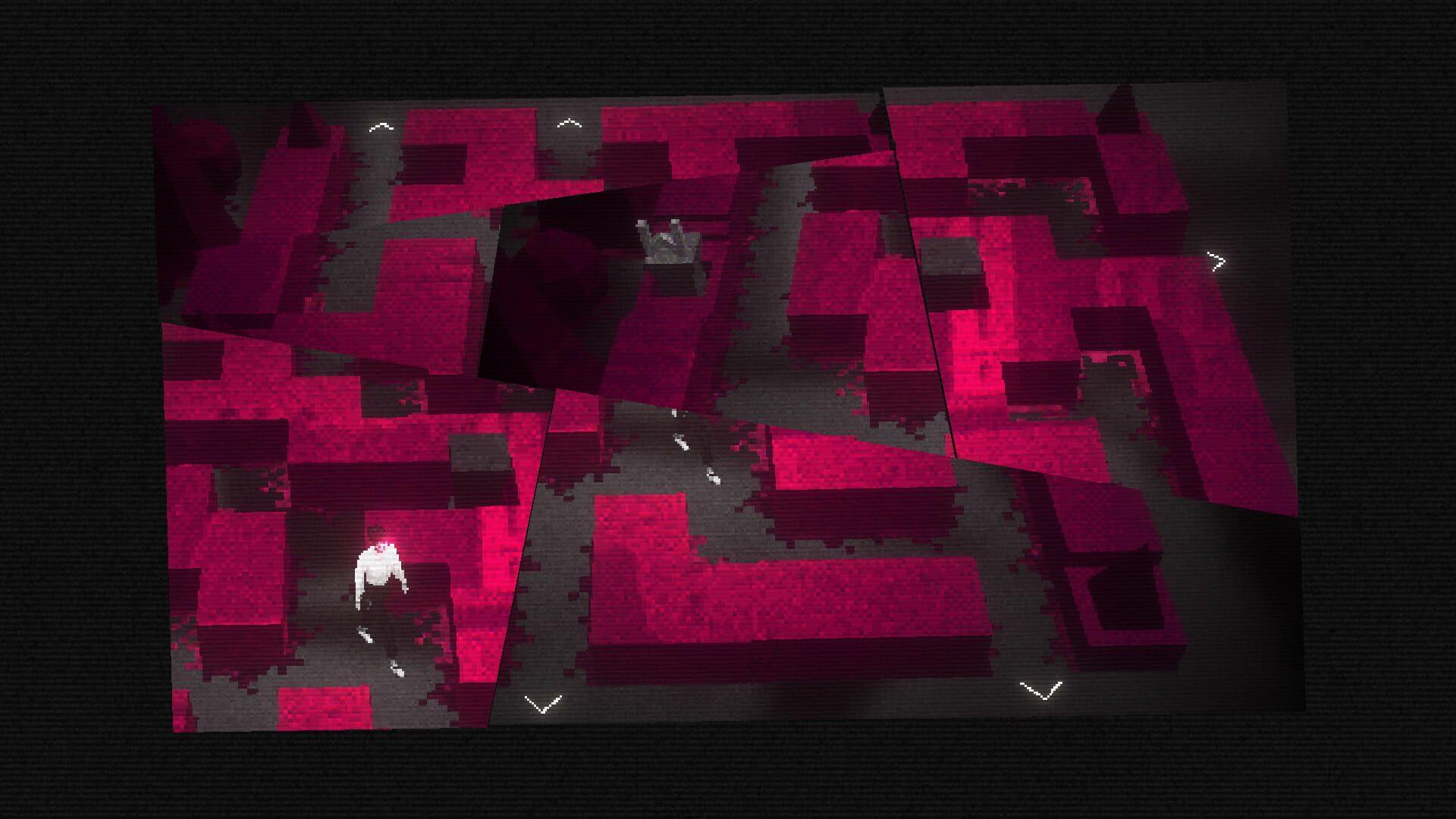
The game also earns distinction through its refusal to patronize. There is no difficulty scaling, no optional tutorials, and no softened entry points. The design trusts that players will engage seriously with the material, and that trust creates a rare sense of accomplishment when solutions click into place.
Visual and Audio Design
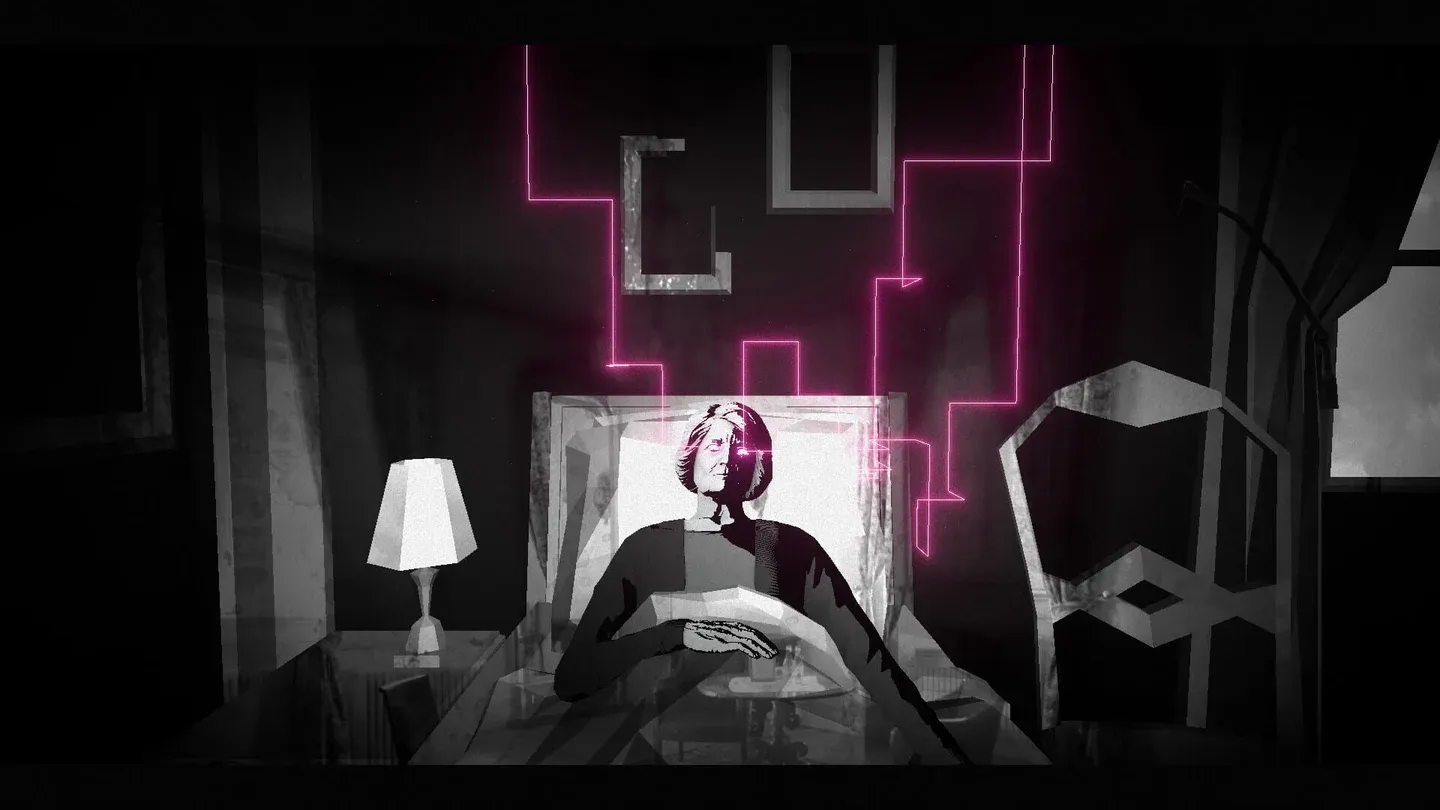
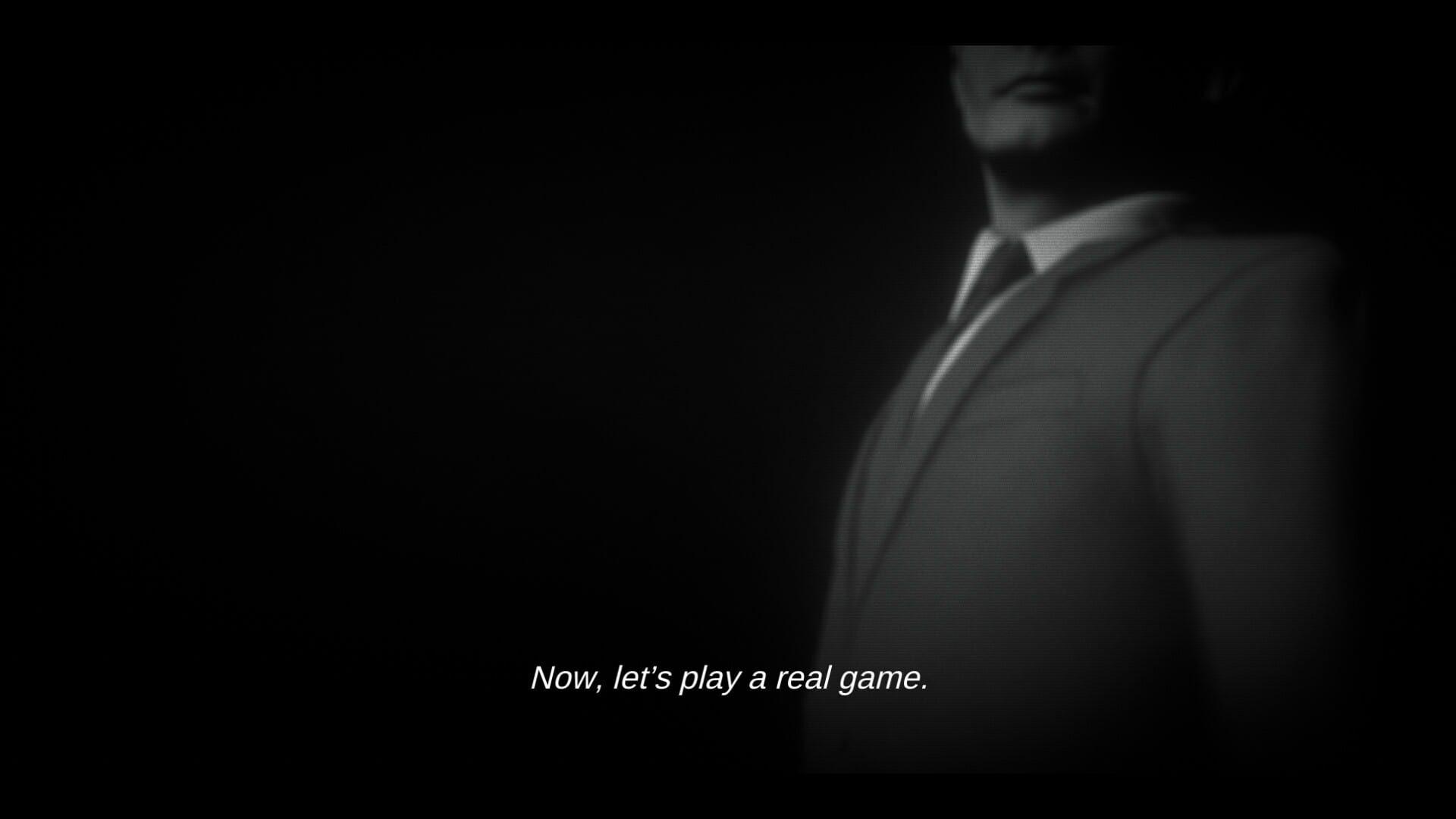
The monochromatic presentation gives Lorelei and the Laser Eyes a cinematic quality reminiscent of European arthouse film. Interior spaces feel cold and architecturally precise, while the occasional intrusion of surreal imagery creates genuine unease. The visual language is consistent and purposeful, never decorative for its own sake.
The audio design complements the restrained visuals with equal discipline. Ambient sound fills the hotel's silence with subtle tension, and the overall soundscape reinforces the game's contemplative rhythm without ever becoming intrusive.
Conclusion
Lorelei and the Laser Eyes is a rigorously designed puzzle-adventure that rewards curiosity, patience, and careful thinking. Simogo has crafted a mystery game that stands apart through its handcrafted puzzle density, its striking black-and-white aesthetic, and its unwavering confidence in the player's ability to piece together a genuinely complex narrative. Available on PlayStation 4, PlayStation 5, Nintendo Switch, and PC via Steam, it represents one of the most intellectually ambitious indie releases of 2024.