Overview
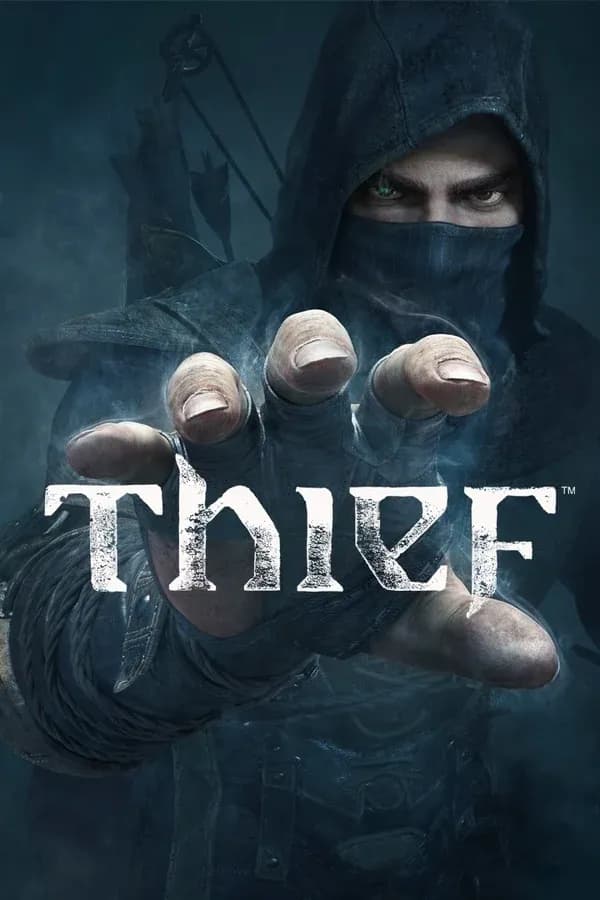
Project Shadowglass is a stealth-focused immersive sim developed and published by Starhelm Studios, set within a dark, oppressive fantasy kingdom where wealth and power are brutally concentrated among the few. Players take on the role of a struggling thief who must rely on skill, preparation, and the tools of the trade to survive. Drawing direct inspiration from genre-defining titles such as Thief, Deus Ex, and System Shock, the game positions itself as a heartfelt tribute to the golden age of immersive sim design, while carving out a distinct identity through its bold artistic vision.
What immediately separates Project Shadowglass from the broader field of indie RPGs is its commitment to a cohesive design philosophy: every system, every mechanic, and every visual choice serves the central fantasy of being a clever, resourceful thief operating in the dark. The game does not ask players to be a warrior or a hero. It asks them to be smart, careful, and invisible.
What Kind of Gameplay Does Project Shadowglass Feature?
Project Shadowglass is a stealth immersive sim at its core. Players plan and execute daring heists across a variety of forbidden locales, infiltrating heavily guarded locations to recover priceless artifacts. The emphasis is firmly on player agency: how you approach each objective, which tools you bring, and how cleanly you execute your escape all shape the experience.

Key gameplay pillars include:
- Stealth-driven heist planning
- Infiltration of restricted locations
- Artifact recovery as a primary objective
- Consequence-based progression
- Tool and resource management

The consequence system is particularly noteworthy. Every action a player takes carries the potential to leave a trail, and that trail can and does catch up with them. This is not a game that resets neatly between missions. Choices accumulate, and the world responds accordingly, creating a sense of persistent tension that elevates routine tasks into genuinely high-stakes decisions.
Innovation and Unique Features
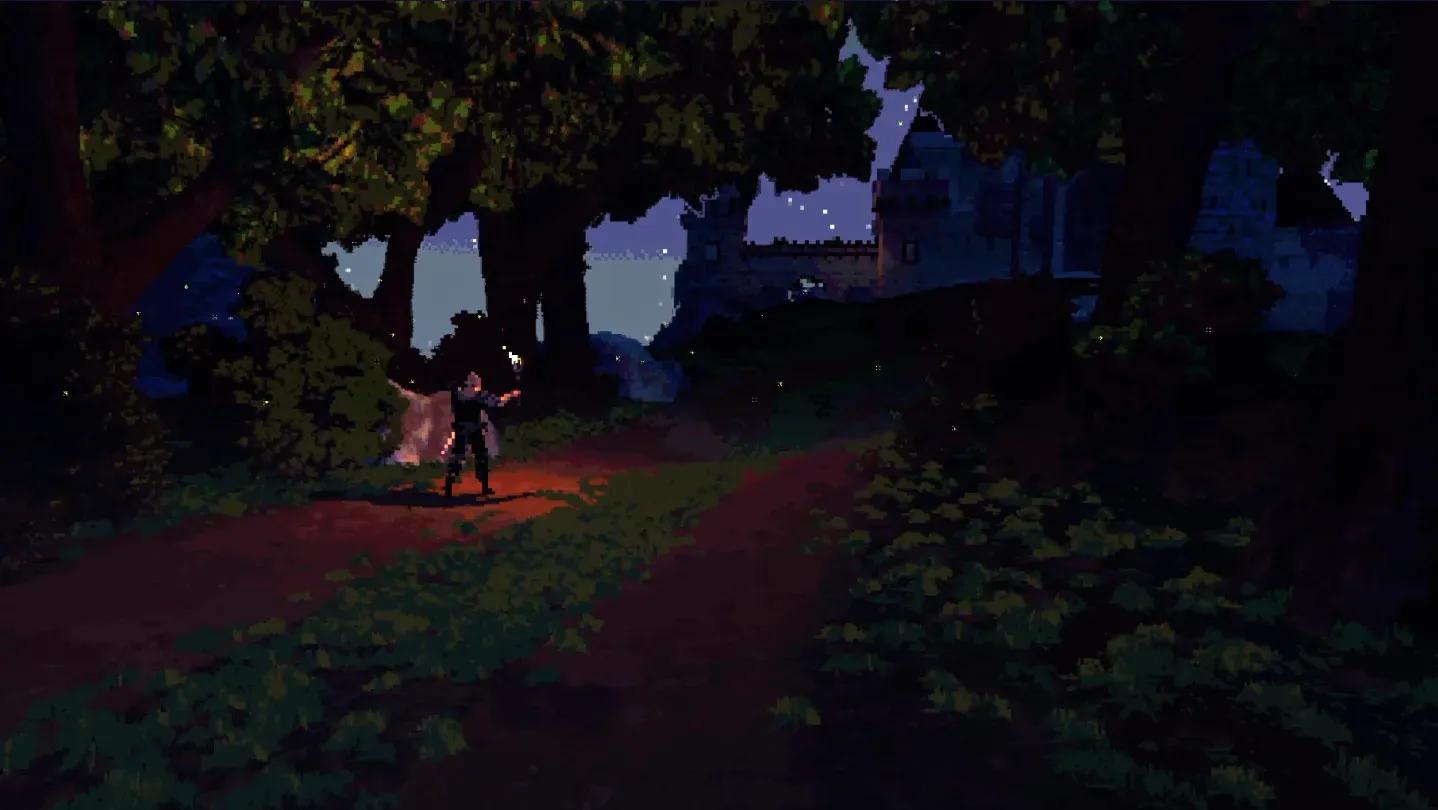
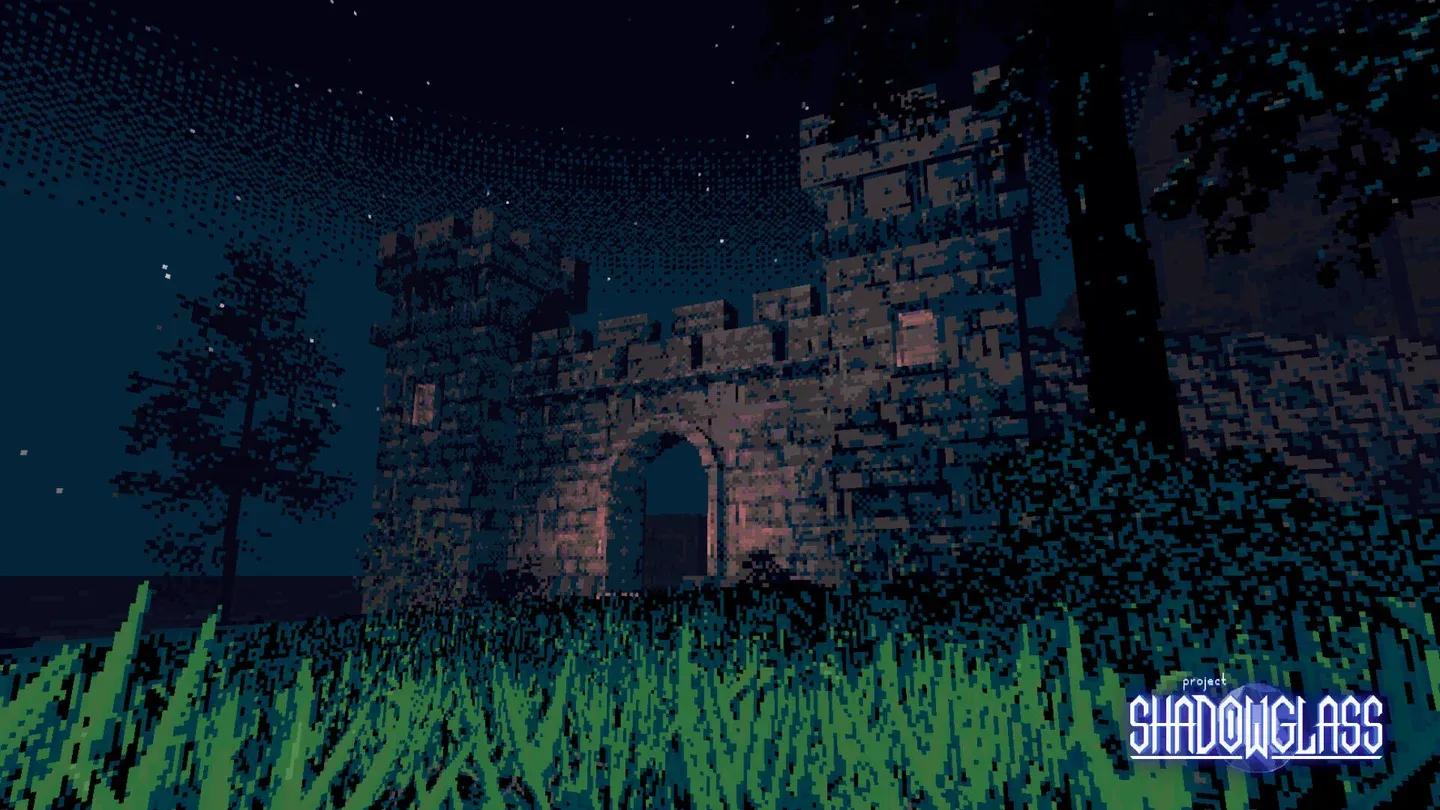
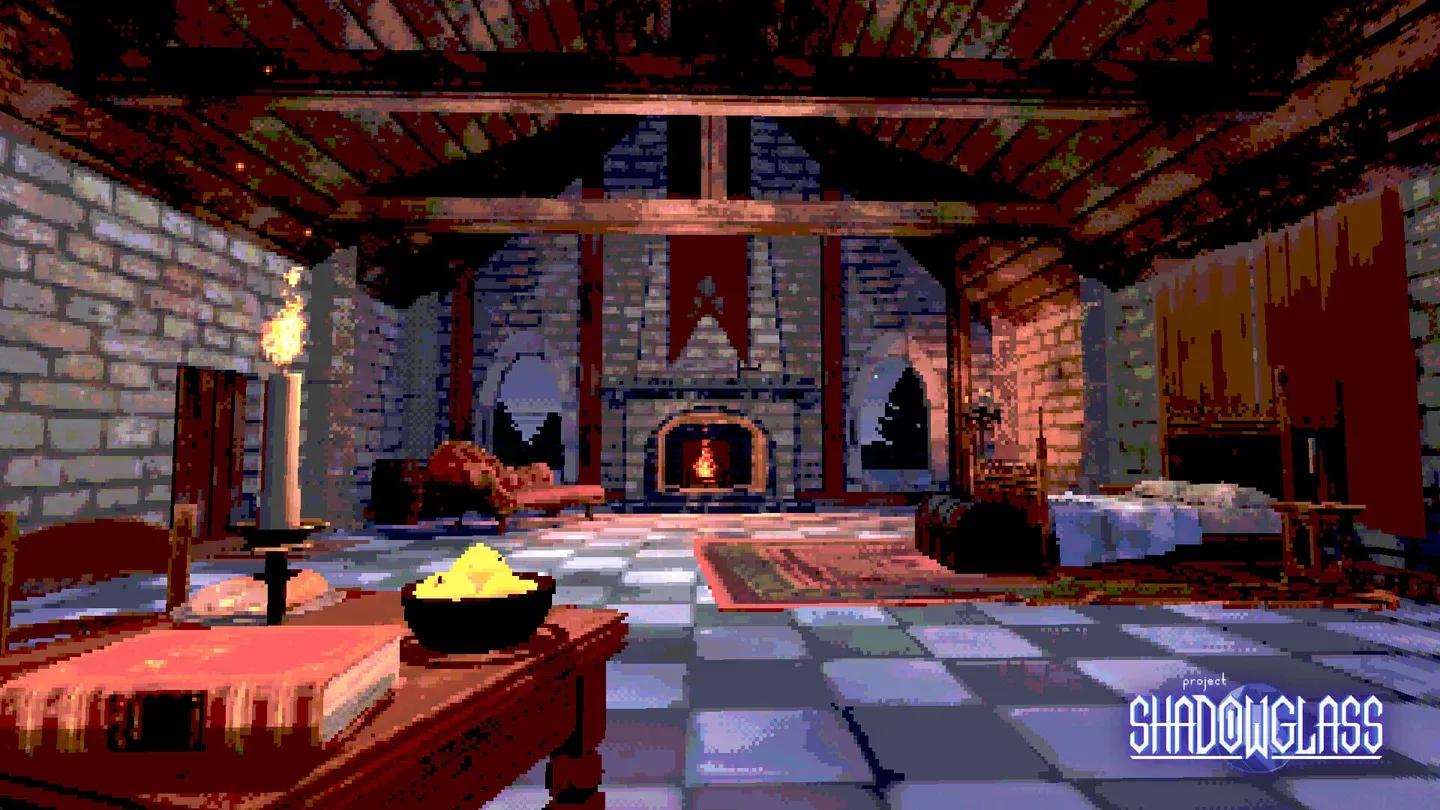
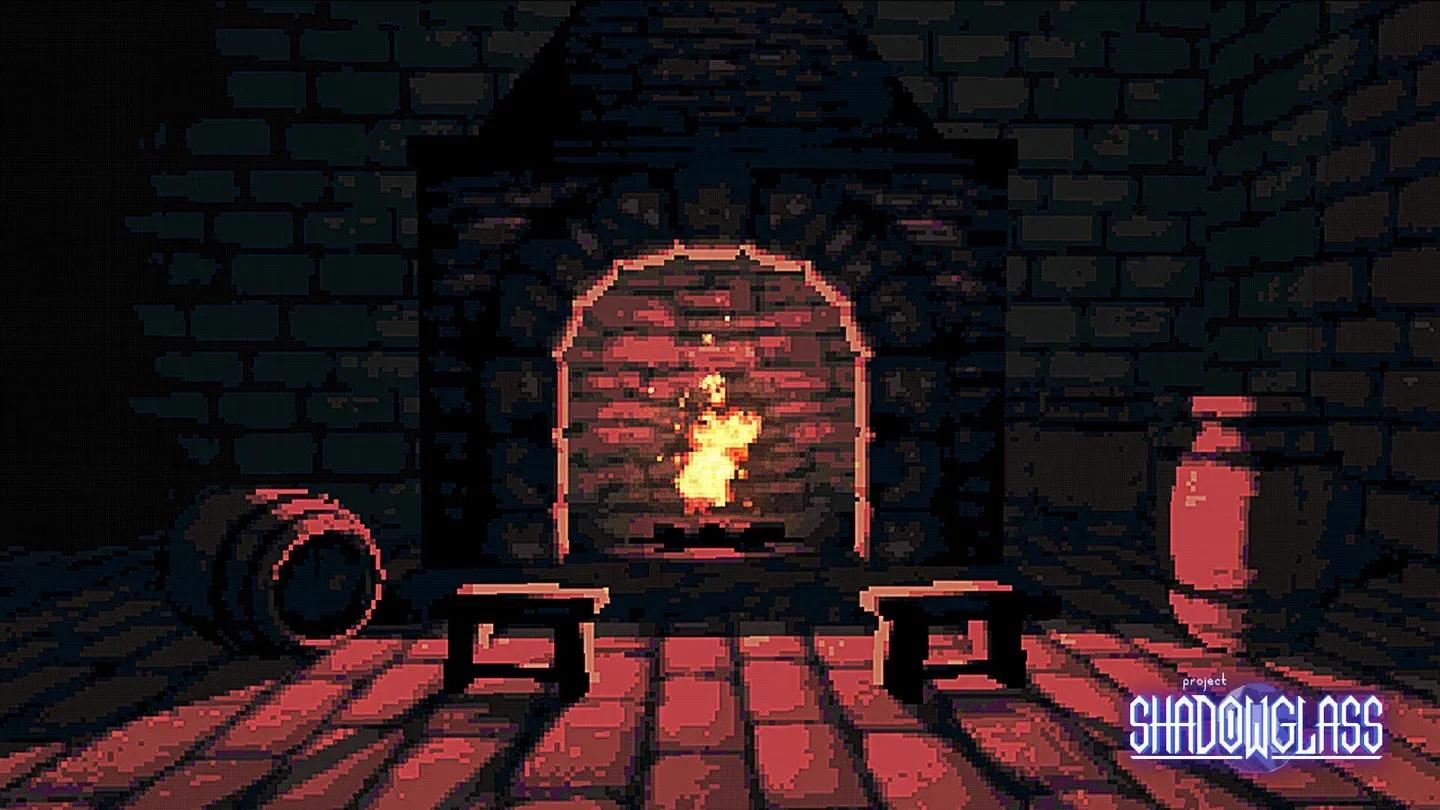
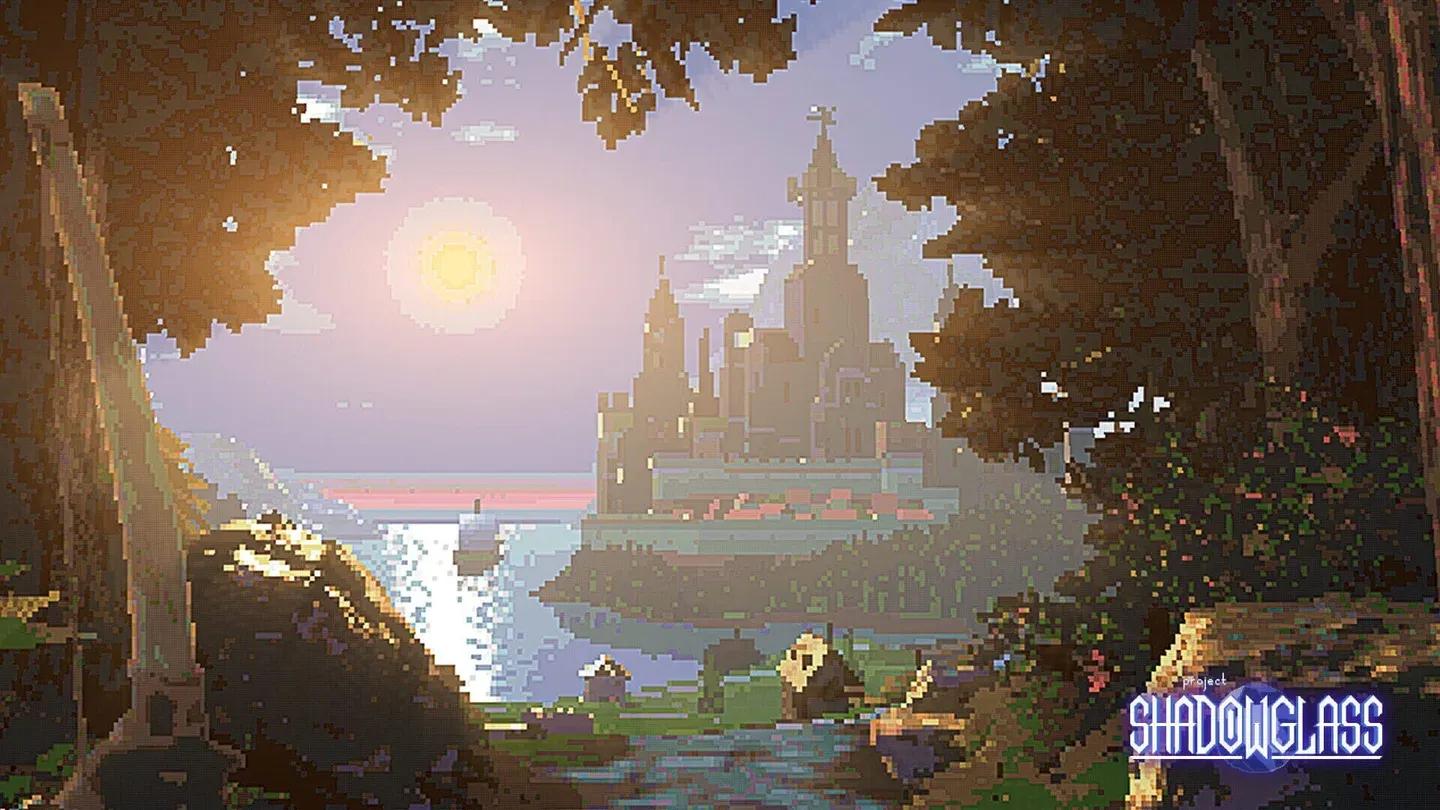
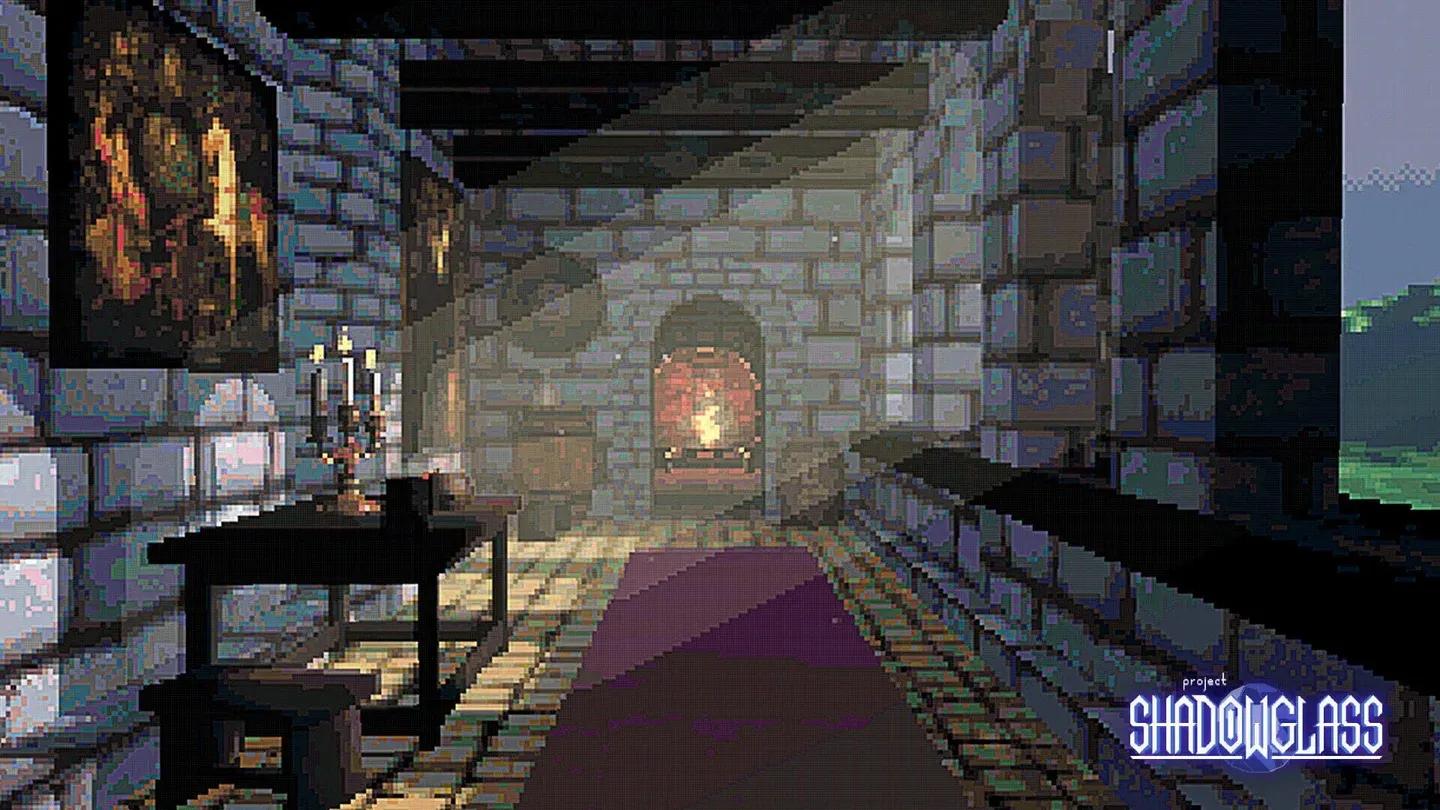
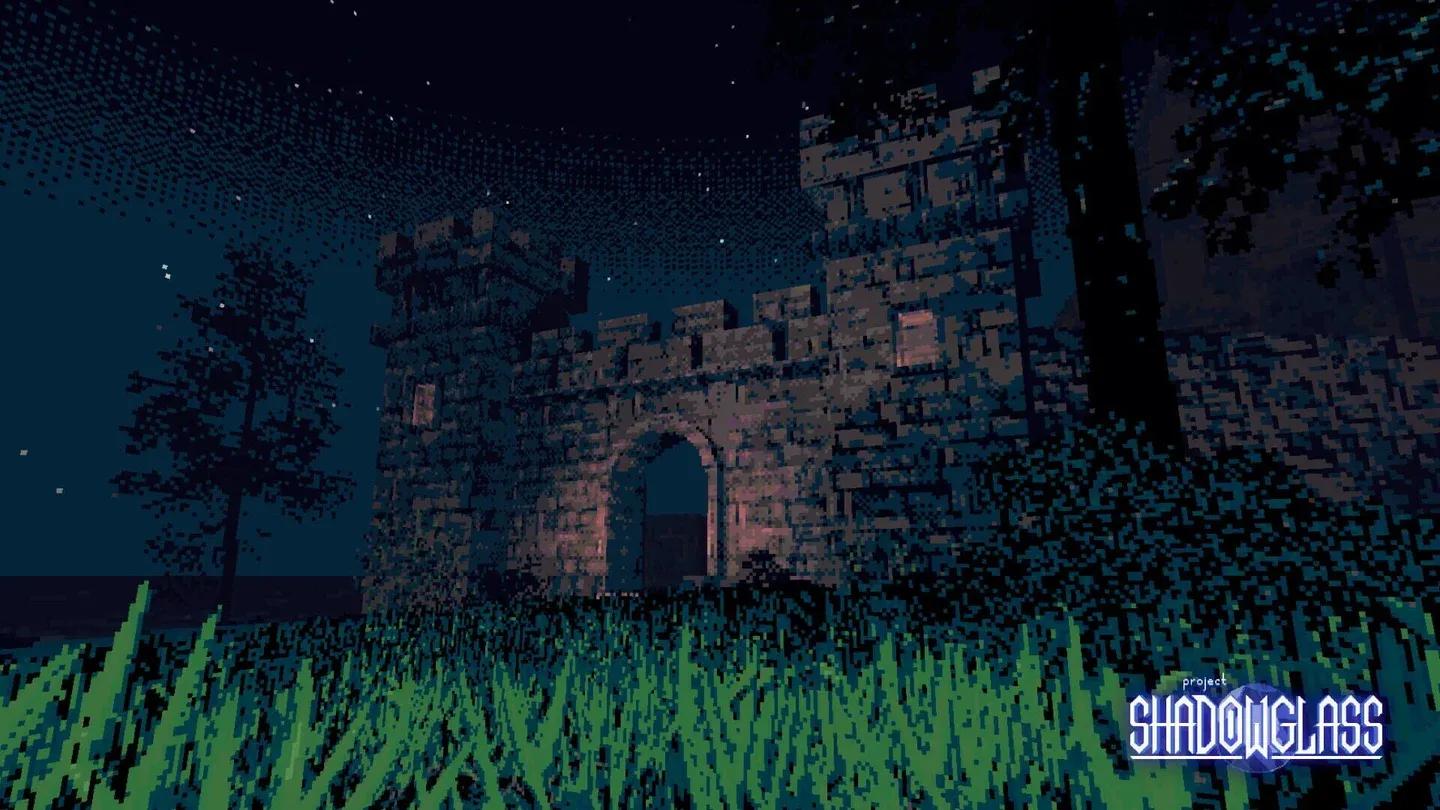
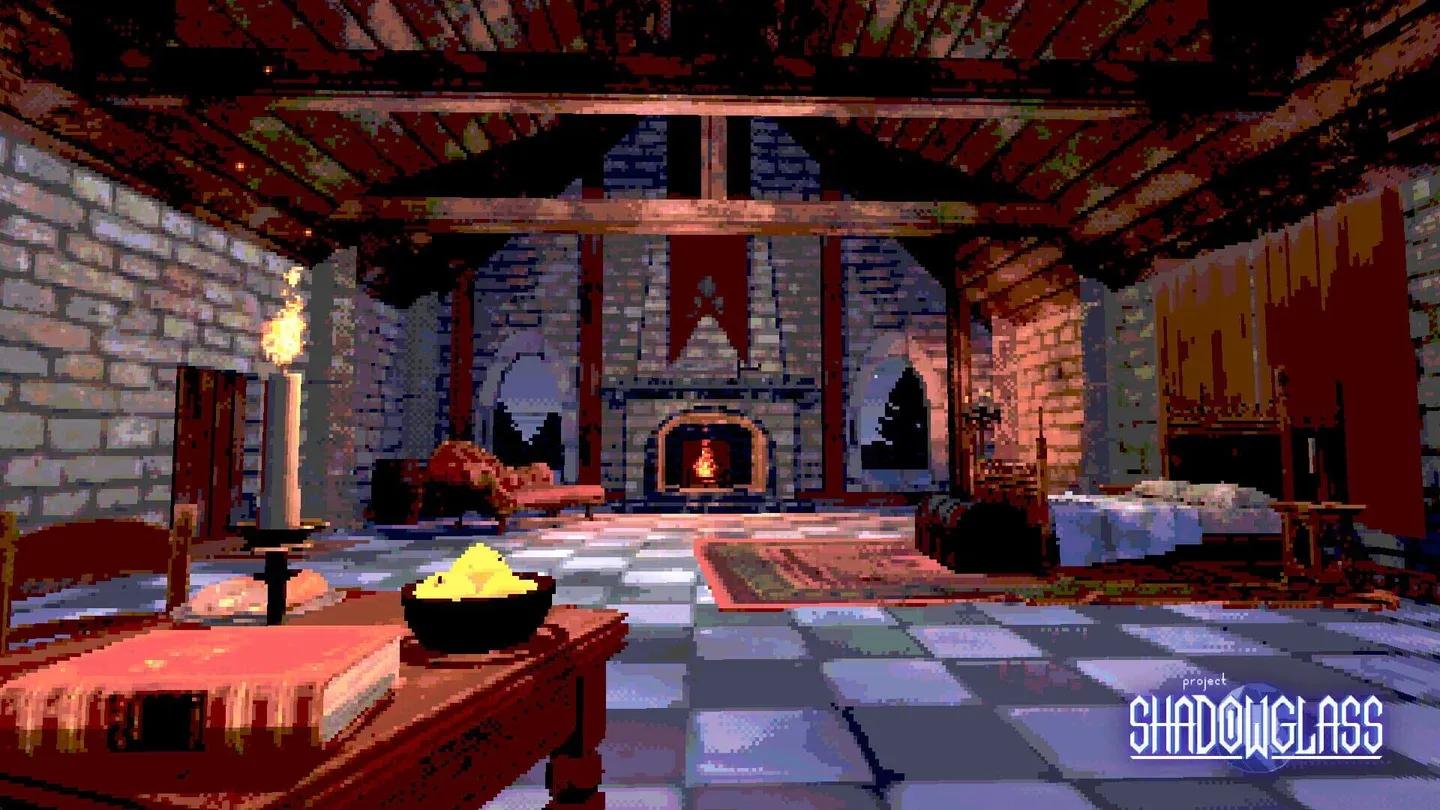
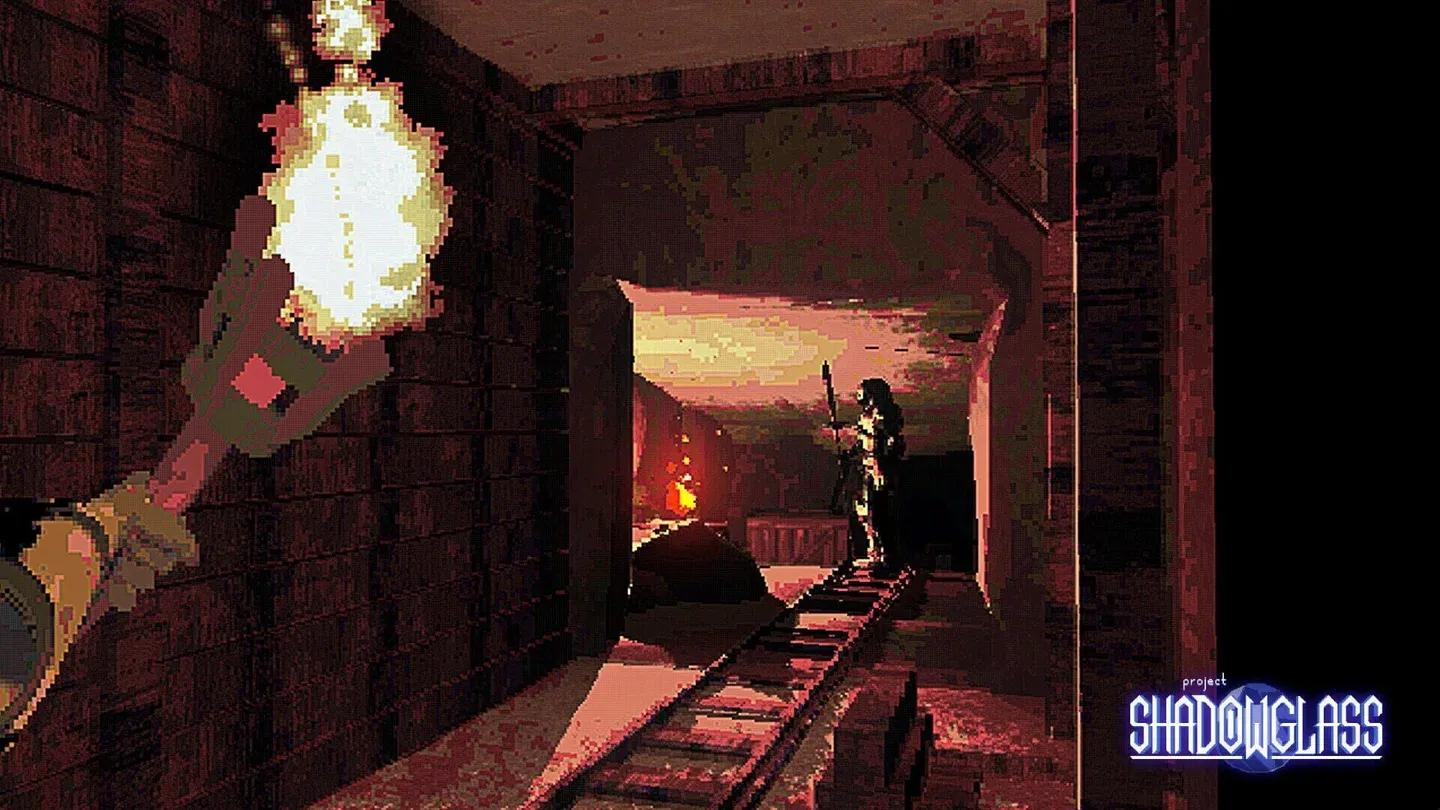
The most visually distinctive aspect of Project Shadowglass is its revolutionary 3D pixel art technology. Rather than adopting conventional pixel art as a flat, nostalgic aesthetic choice, Starhelm Studios has developed a three-dimensional implementation that gives the world genuine depth and spatial complexity. The result is an art style that feels simultaneously retro and entirely fresh, lending the dark fantasy setting an atmosphere that polished 3D environments rarely achieve.

This visual approach also serves a functional purpose. The pixel art aesthetic reinforces the game's moody, shadow-drenched tone, making environments feel suitably claustrophobic and layered with hidden detail. Locations that appear simple at first glance reveal new angles, passages, and opportunities as players explore more carefully.
World and Setting
The kingdom at the heart of Project Shadowglass is deliberately oppressive. The rich accumulate power while the poor are pressed further into obscurity, and the player character exists firmly in that underclass. This social context gives the heist gameplay a moral underpinning that transforms artifact theft into something closer to defiance.
The forbidden locales players infiltrate reflect this dynamic directly: grand estates, restricted vaults, and guarded sanctuaries that symbolize the inaccessible upper world. Navigating these spaces as a thief carries an inherent tension rooted in the setting's class structure.

| Requirement | Minimum | Recommended |
|---|---|---|
| OS | Windows 10 64-bit | Windows 10/11 64-bit |
| Processor | AMD Ryzen 3 1200 / Intel i5-6400 (or Steam Deck equivalent) | Intel i5-9600K / AMD Ryzen 5 3600 |
| Memory | 8 GB RAM | 16 GB RAM |
| Graphics | AMD Radeon Vega 8 / NVIDIA GTX 1050 (2 GB VRAM) | AMD RX 580 / NVIDIA GTX 1660 |
| Storage | 4 GB available space | - |
Conclusion
Project Shadowglass presents a focused, well-considered vision for the stealth RPG and immersive sim genres. Starhelm Studios has built a game around the foundational pleasures of careful planning, skilled execution, and meaningful consequence, wrapped in a 3D pixel art style that distinguishes it visually from anything currently on the market. For players who value patience, strategy, and atmosphere over spectacle, this dark fantasy heist experience is one worth watching closely.