
Biggest discounts, free games, and limited-time offers across every major gaming store.
Never pay full price again.
Overview
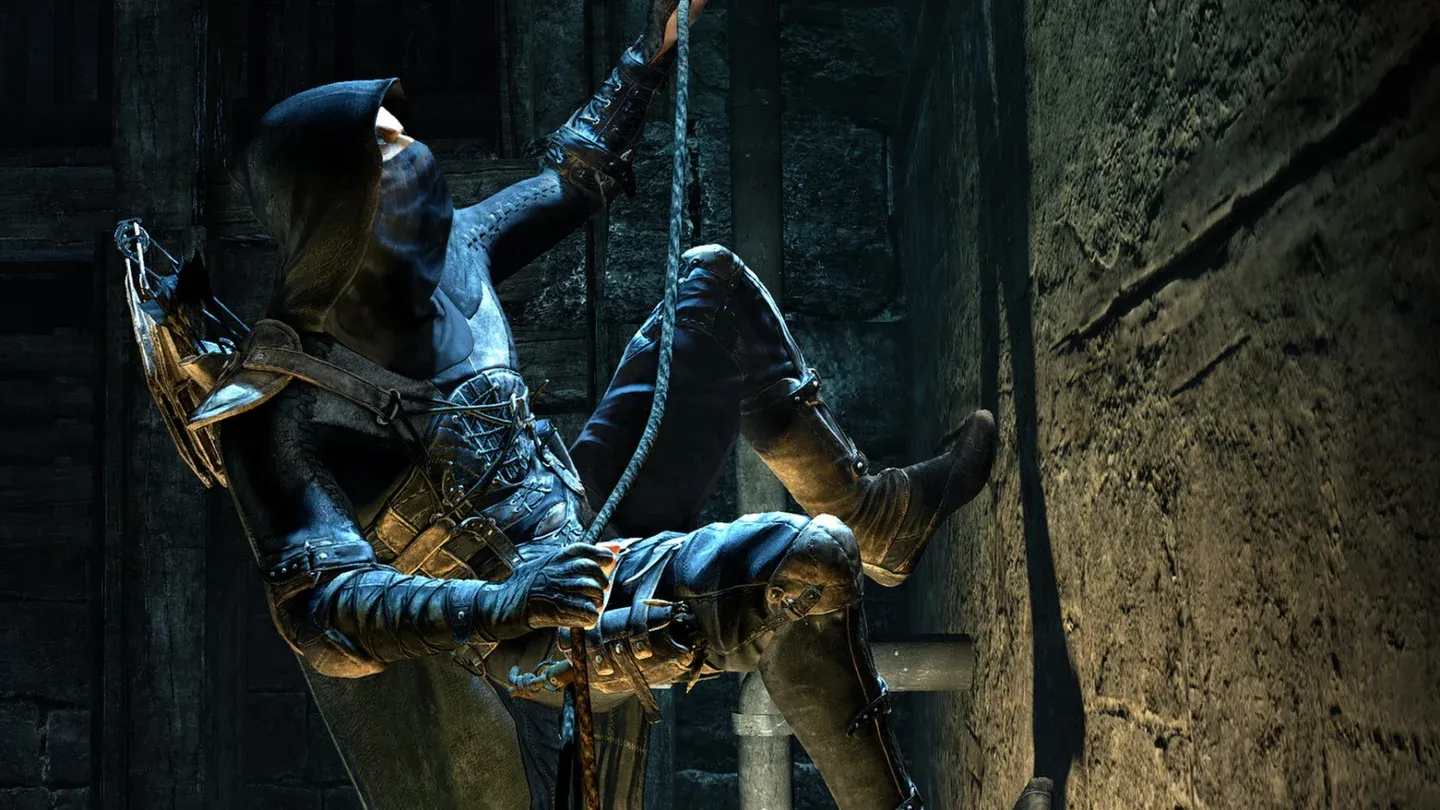
Thief is a first-person stealth action game developed by Eidos-Montréal and released in February 2014. It serves as a reboot of the classic Looking Glass Studios franchise that helped define the stealth genre in the late 1990s. Players step into the role of Garrett, a master thief operating in a grim, Victorian-gothic city gripped by political unrest, disease, and the iron fist of a ruler known only as the Baron.
The story places Garrett at the center of a brewing revolution. Orion, a rebel leader known as the voice of the people, is rallying the city's oppressed citizens against the Baron's Watch, the ruling guard force. Garrett has no particular loyalty to either side, but events quickly make neutrality impossible. The narrative is dark, occasionally brutal, and consistently atmospheric, even when its pacing stumbles.
Thief content image
Gameplay and mechanics
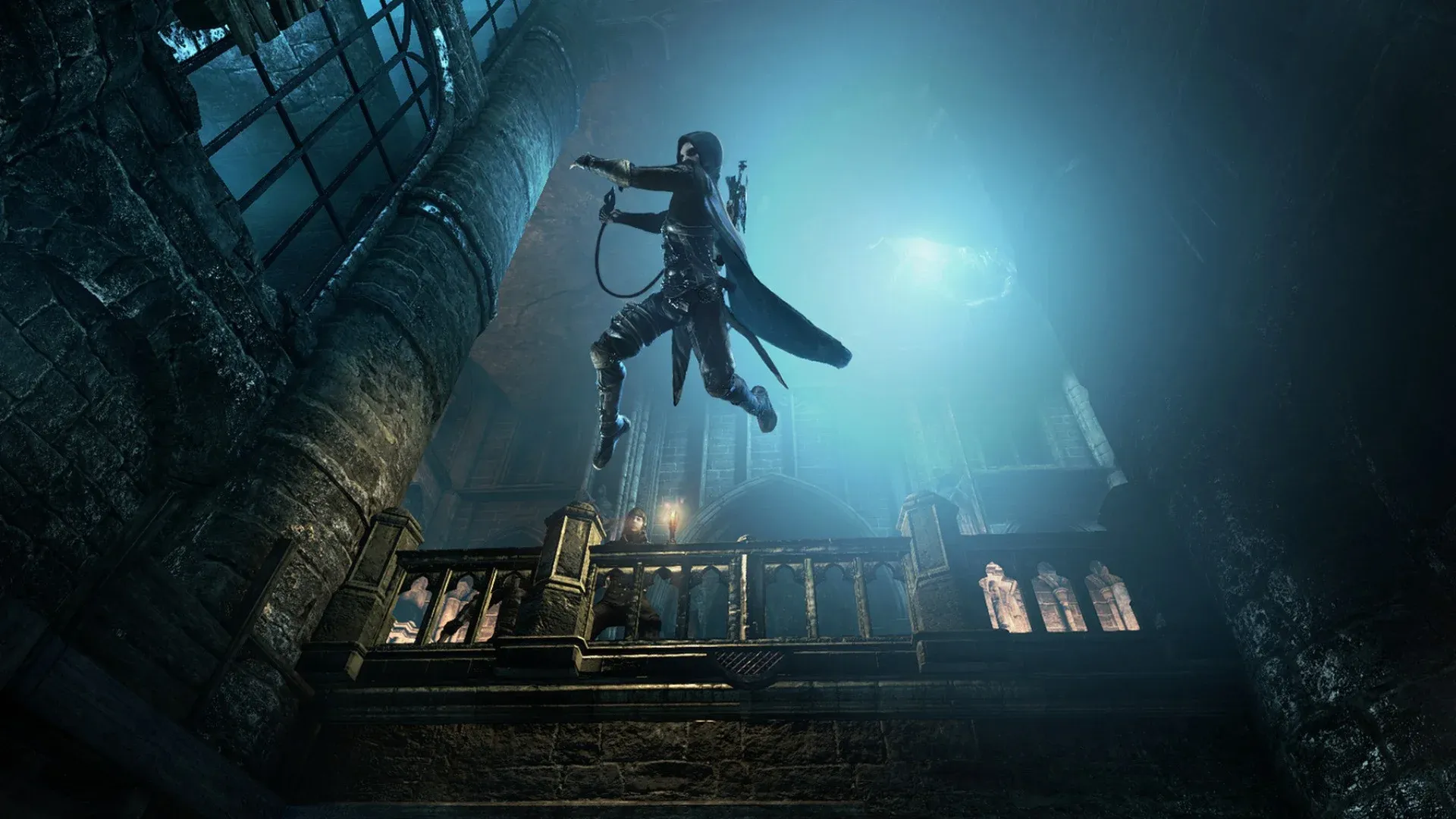
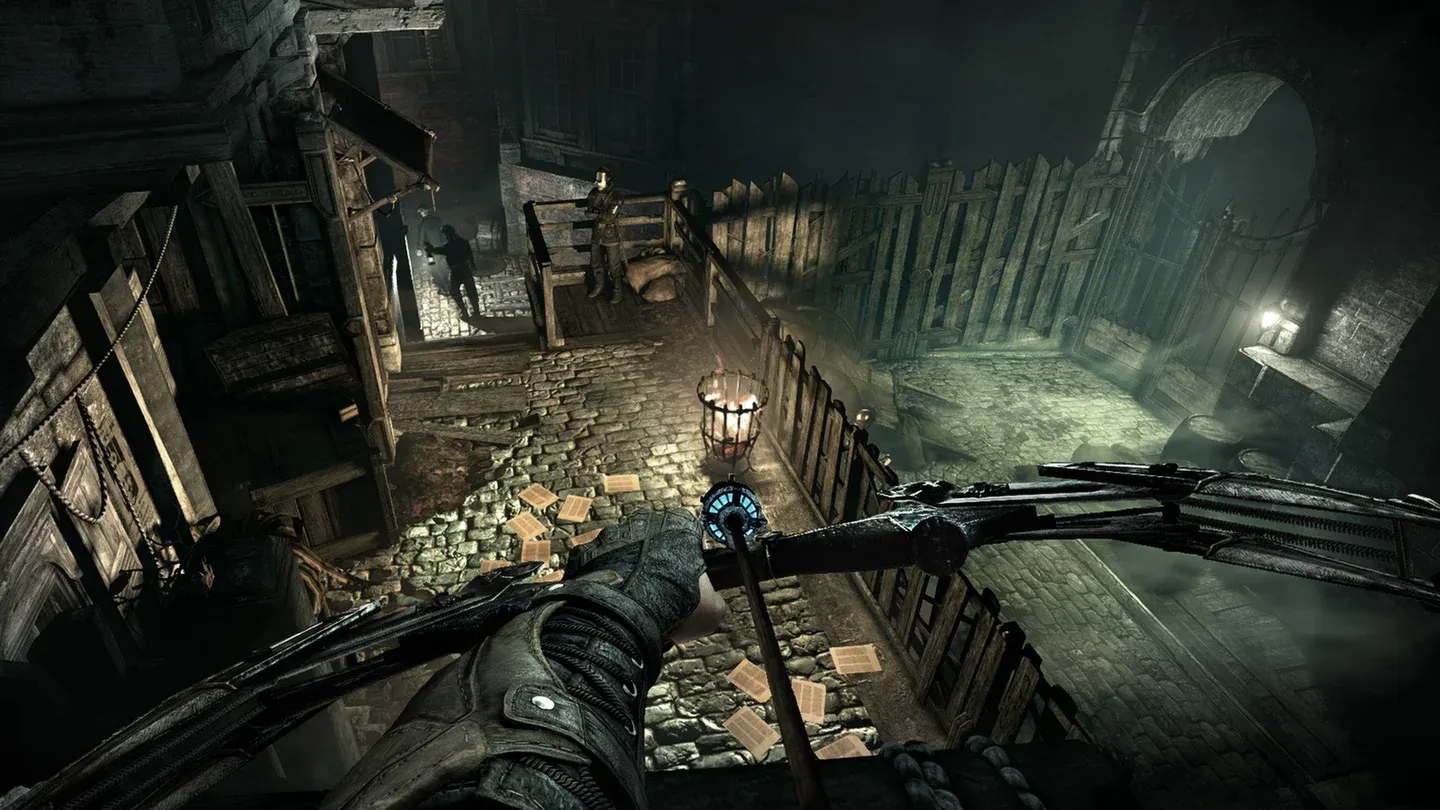
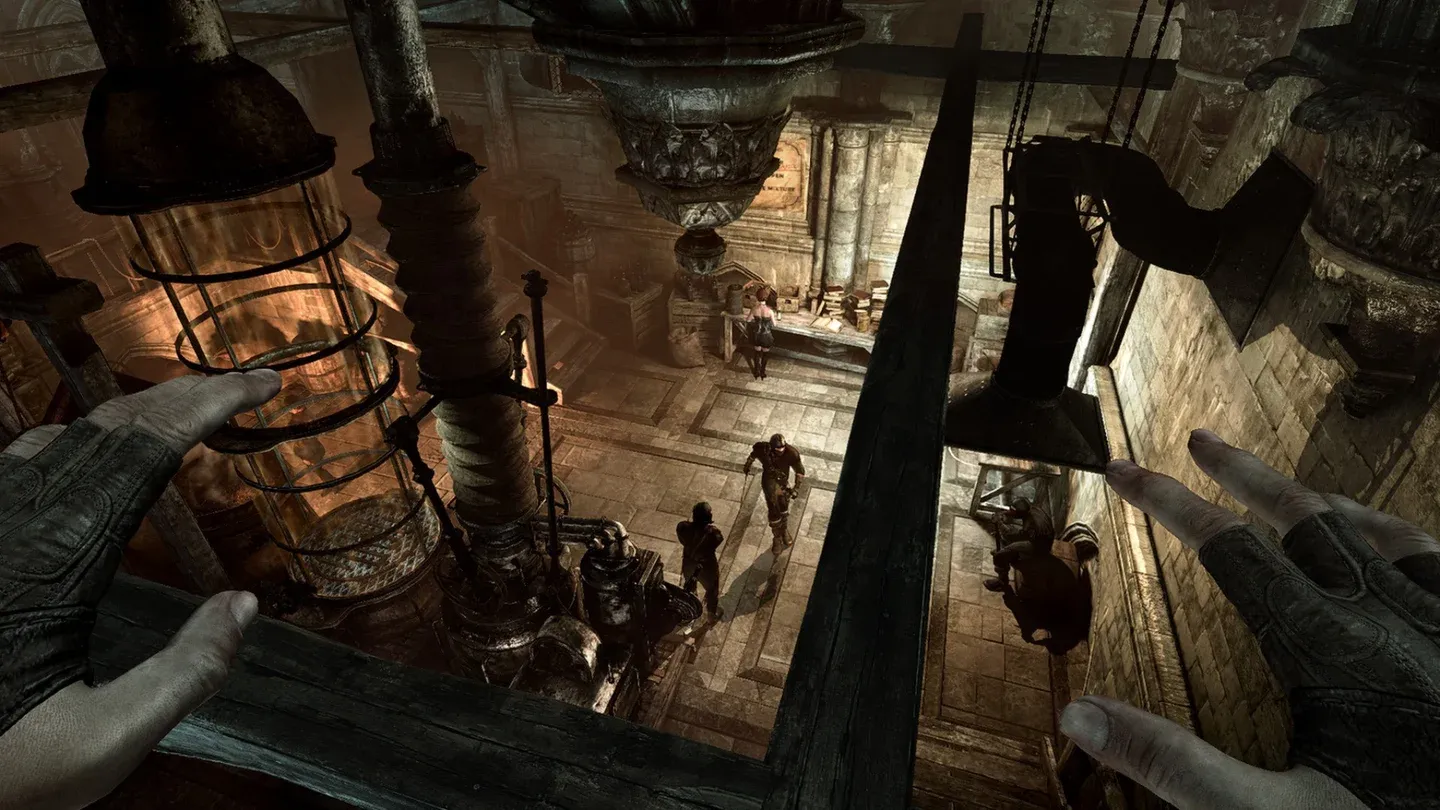
The core stealth loop in Thief is built around light, sound, and patience. Garrett moves silently through shadow, picks locks, and lifts valuables from under the noses of guards who follow patrol routes with reasonable awareness. The game's key features include:
Thief content image
- Swoop dash for quick silent movement
- Focus abilities that slow time and highlight interactive objects
- Multiple arrow types including water, fire, and rope variants
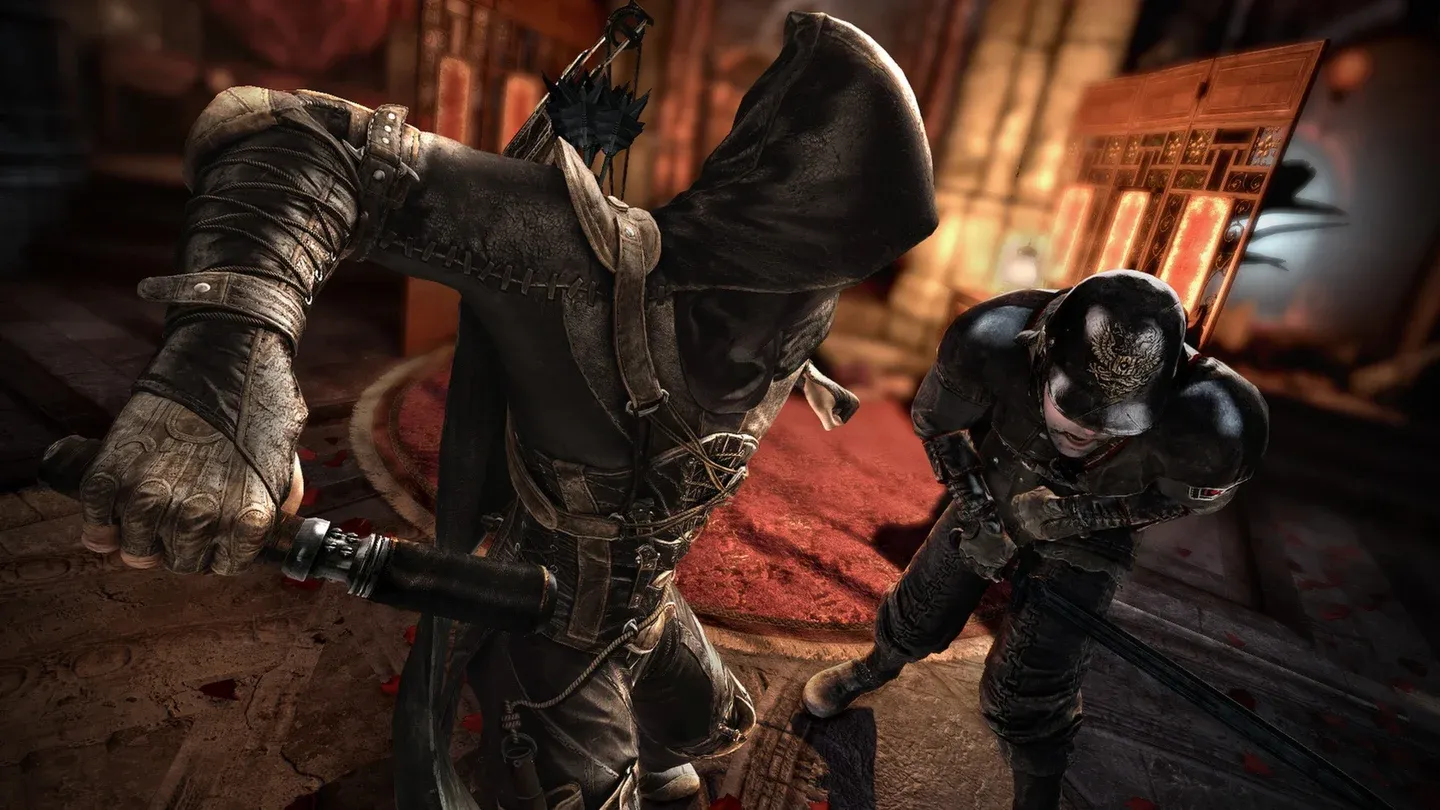
- Blackjack for non-lethal takedowns
- Fully customizable difficulty with optional challenge modifiers
The focus system is the most divisive addition to the classic formula. It lets Garrett briefly enhance his senses, pick pockets with precision, or perform faster takedowns. Purists can disable it entirely, which is a smart concession that gives hardcore stealth players a more demanding experience closer to the original games.
What is the City, and how open is it?
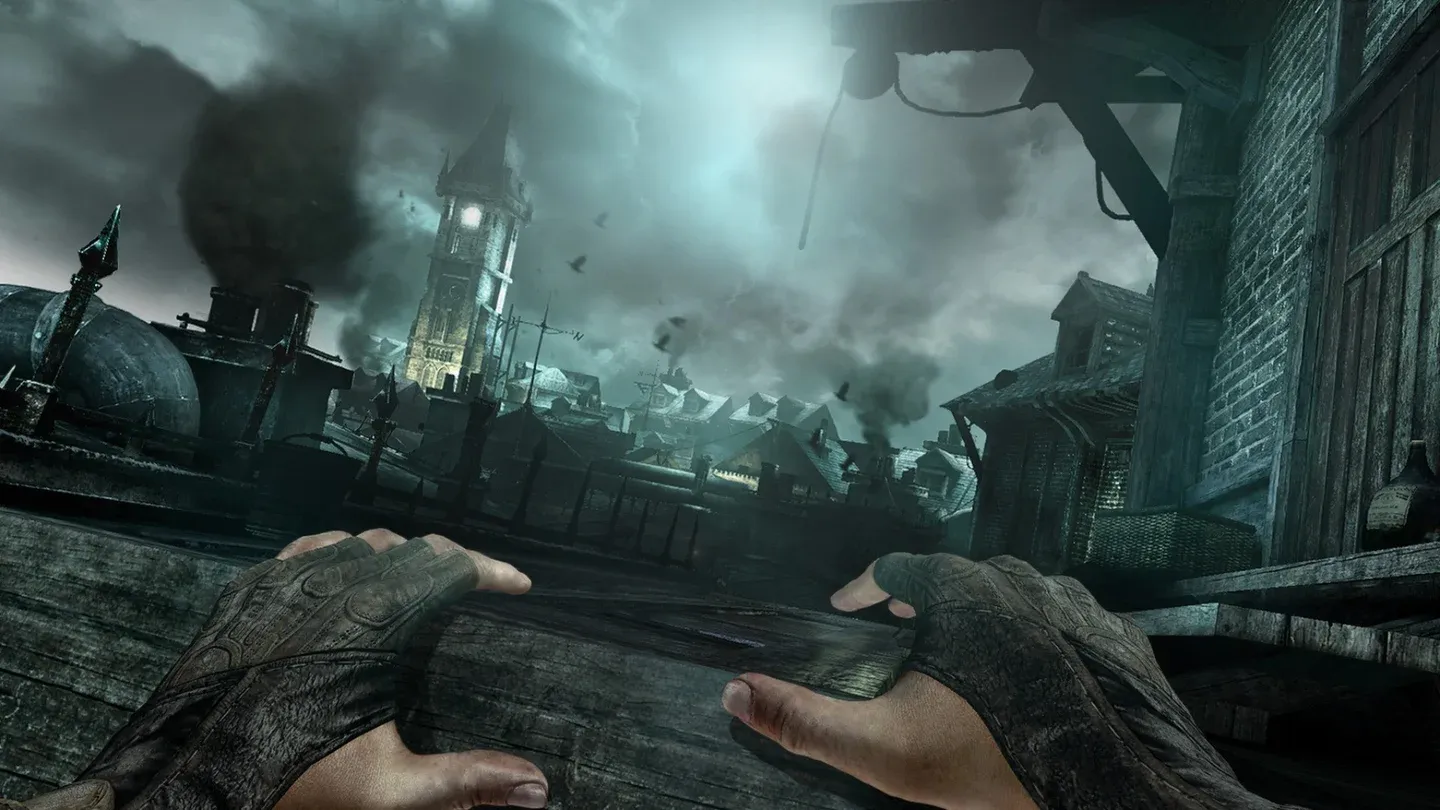
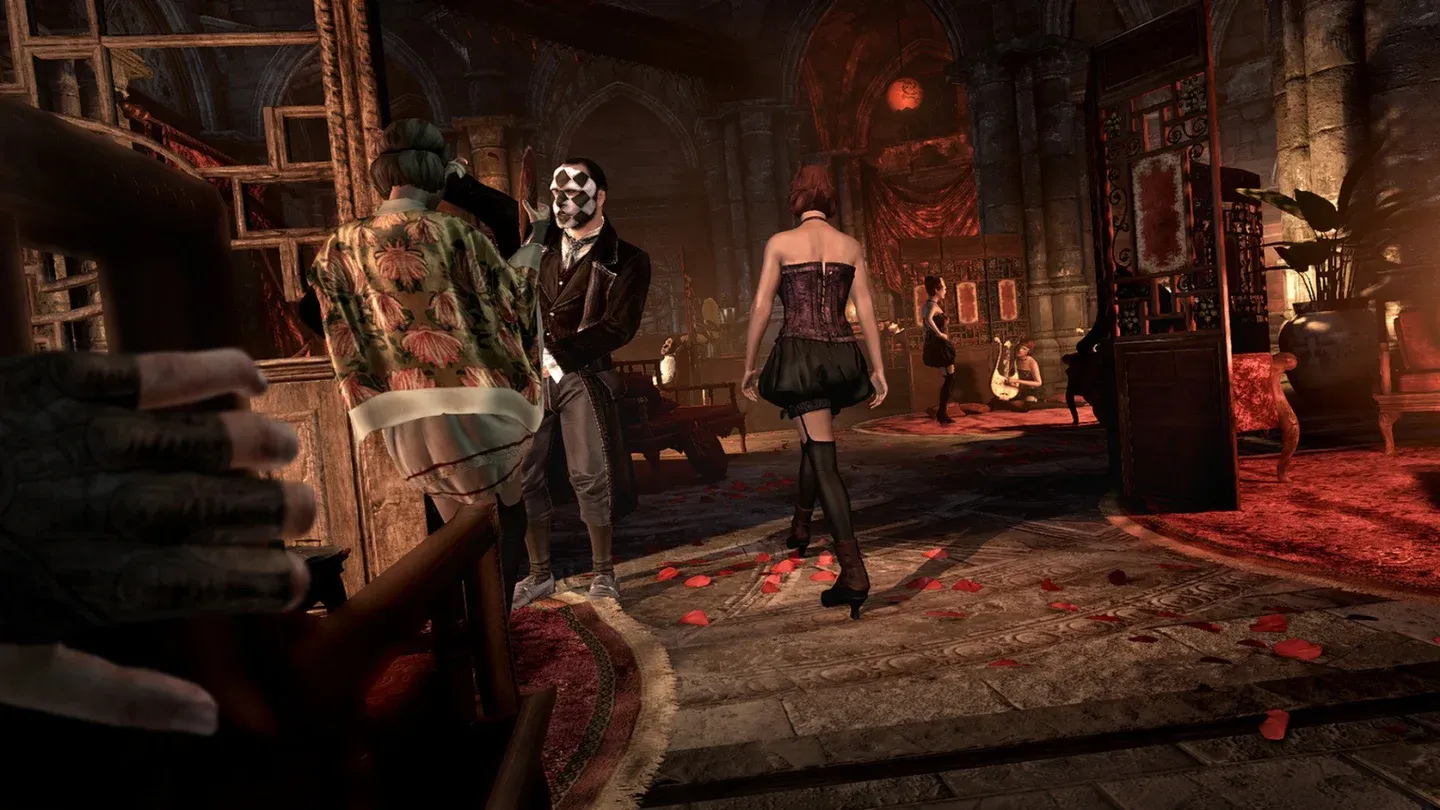
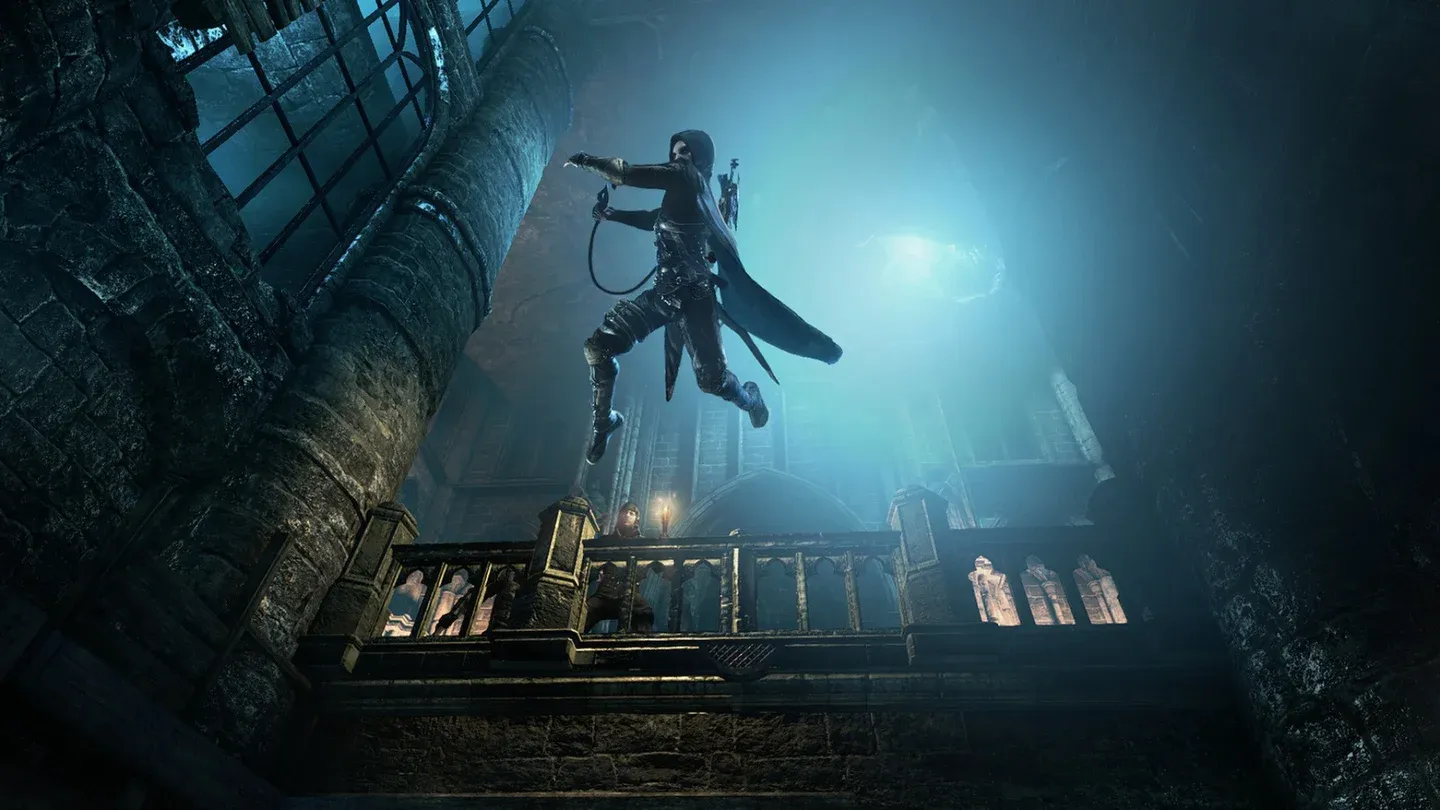
The City functions as a hub world connecting Thief's eight main story chapters. Between missions, Garrett returns to rooftops and back alleys to find optional side jobs, collectibles, and hidden loot caches. The City is not a true open world, but it rewards exploration. Roof-hopping between districts, finding hidden passages, and robbing residences that have nothing to do with the main plot are genuinely satisfying diversions.
Thief content image
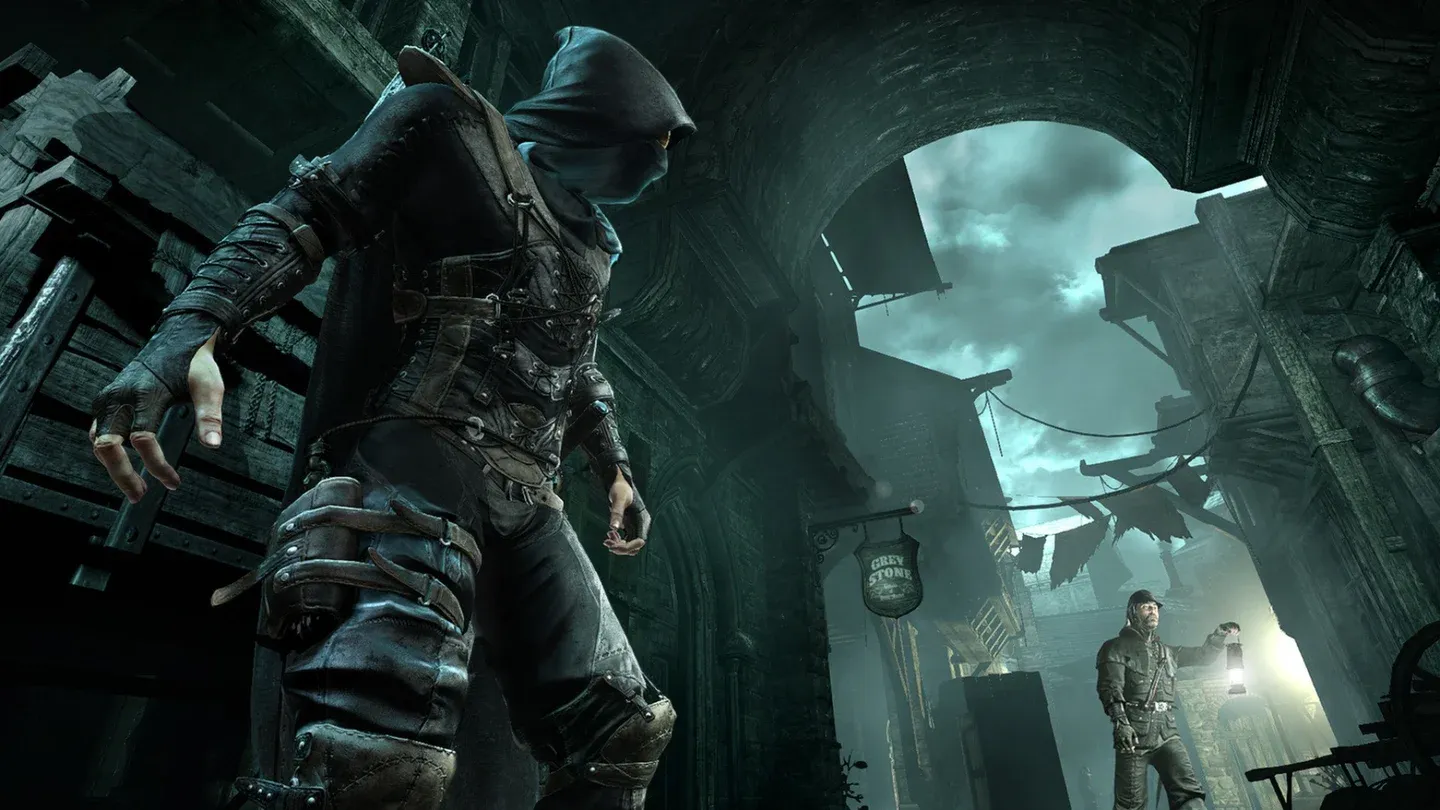
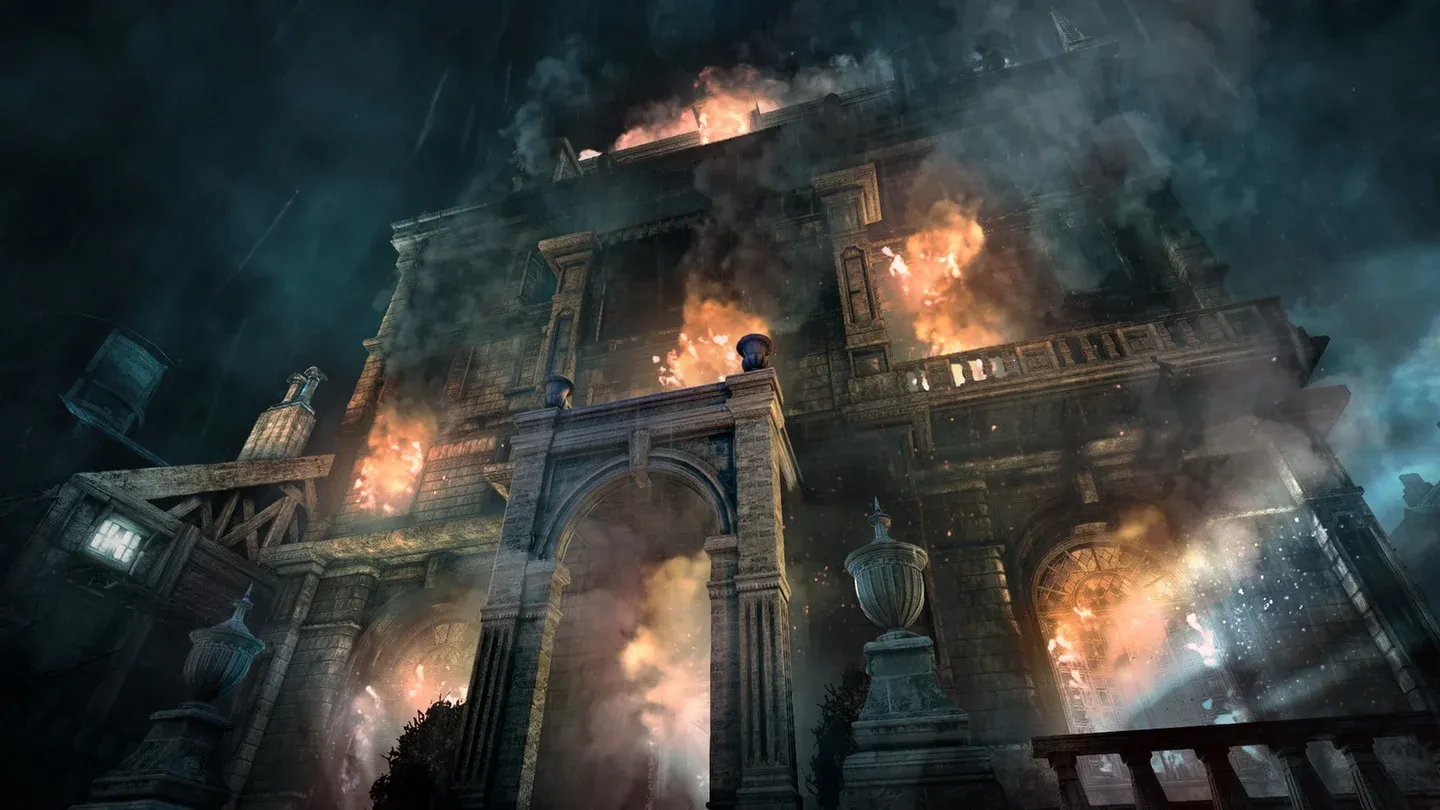
The setting itself is the game's strongest asset. Cobblestones slick with rain, flickering gas lamps, plague-quarantined districts sealed behind iron gates, and the constant murmur of a city on the edge of collapse create an atmosphere that few stealth games match. Every location has a distinct personality, from the opulent mansions of the wealthy to the rotting tenements where the poor wait out the sickness.
Visual and audio design
Thief runs on Unreal Engine 3 and holds up reasonably well over a decade after release. The art direction does most of the heavy lifting, leaning into deep shadows, warm amber light sources, and deliberately claustrophobic spaces that make Garrett feel small against the city's scale. The sound design is exceptional. Footstep audio changes with every surface type, guard dialogue shifts dynamically based on alert states, and the ambient soundtrack stays low and tense without ever becoming intrusive.
Thief content image
Impact and legacy
Thief landed to mixed reviews in 2014, with most criticism aimed at its inconsistent AI, a story that loses momentum in the final act, and comparisons to the original trilogy that it could never fully escape. Those criticisms still hold. The AI can be erratic, occasionally spotting Garrett through walls or failing to react to obvious noise. But as a stealth sandbox with genuine flexibility in approach, strong atmosphere, and a city worth exploring, Thief remains a worthwhile entry in the first-person stealth genre. The difficulty modifiers, which let players ban kills, restrict focus use, or require completing levels in a single attempt, give it more replay value than its reputation suggests.