
Biggest discounts, free games, and limited-time offers across every major gaming store.
Never pay full price again.
Overview
Mark of the Ninja is a 2D side-scrolling stealth game developed by Klei Entertainment and originally published by Microsoft Studios in September 2012 for Xbox 360, with a PC version following in October of the same year. A remastered edition later brought the game to PlayStation 4 and other platforms, earning a 4.79 out of 5 rating from over 1,400 PlayStation Store players. The premise pits a nameless ninja against a private military corporation, framing an ancient tradition of shadow and blade against modern surveillance tech and armed soldiers.
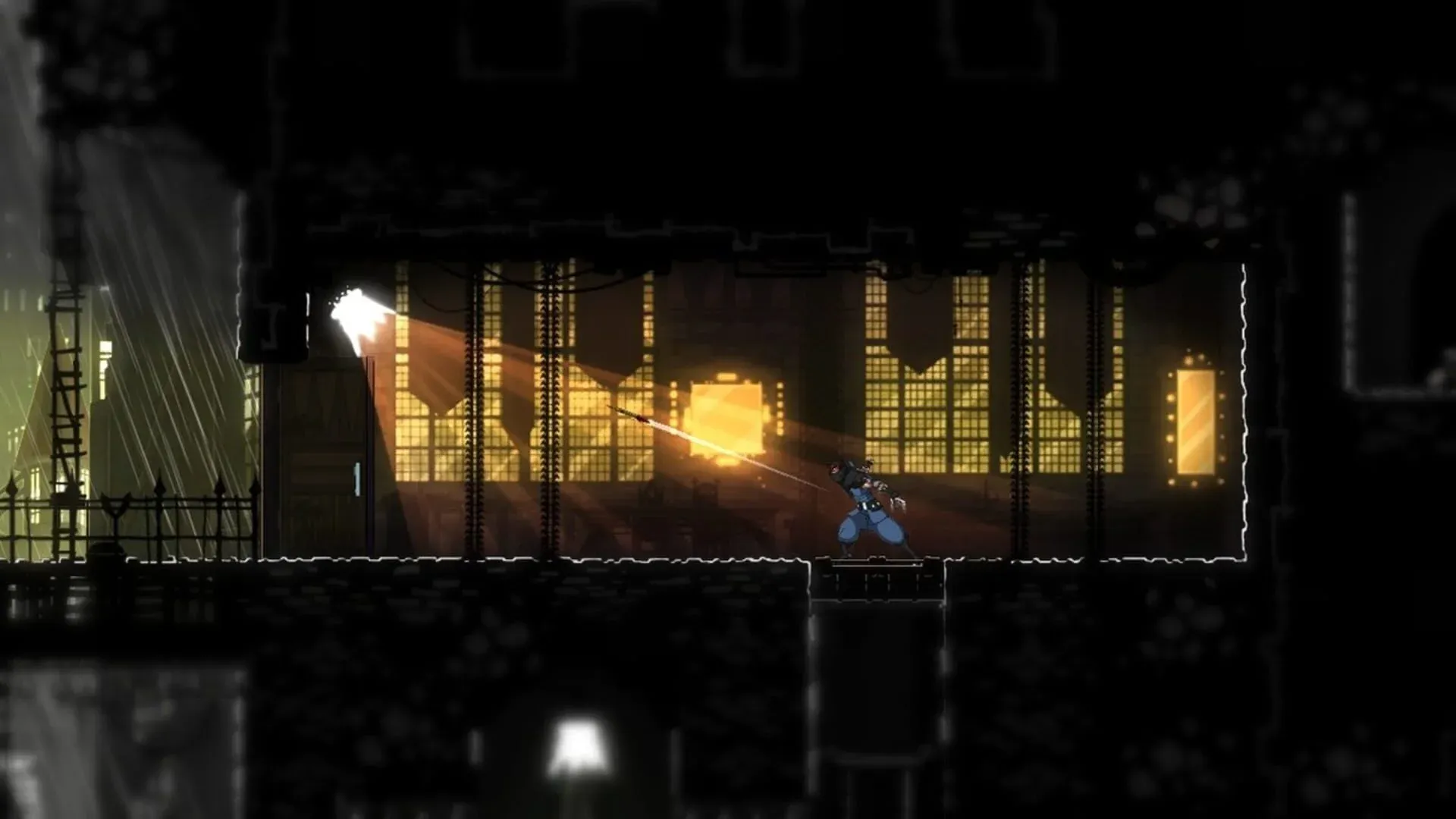
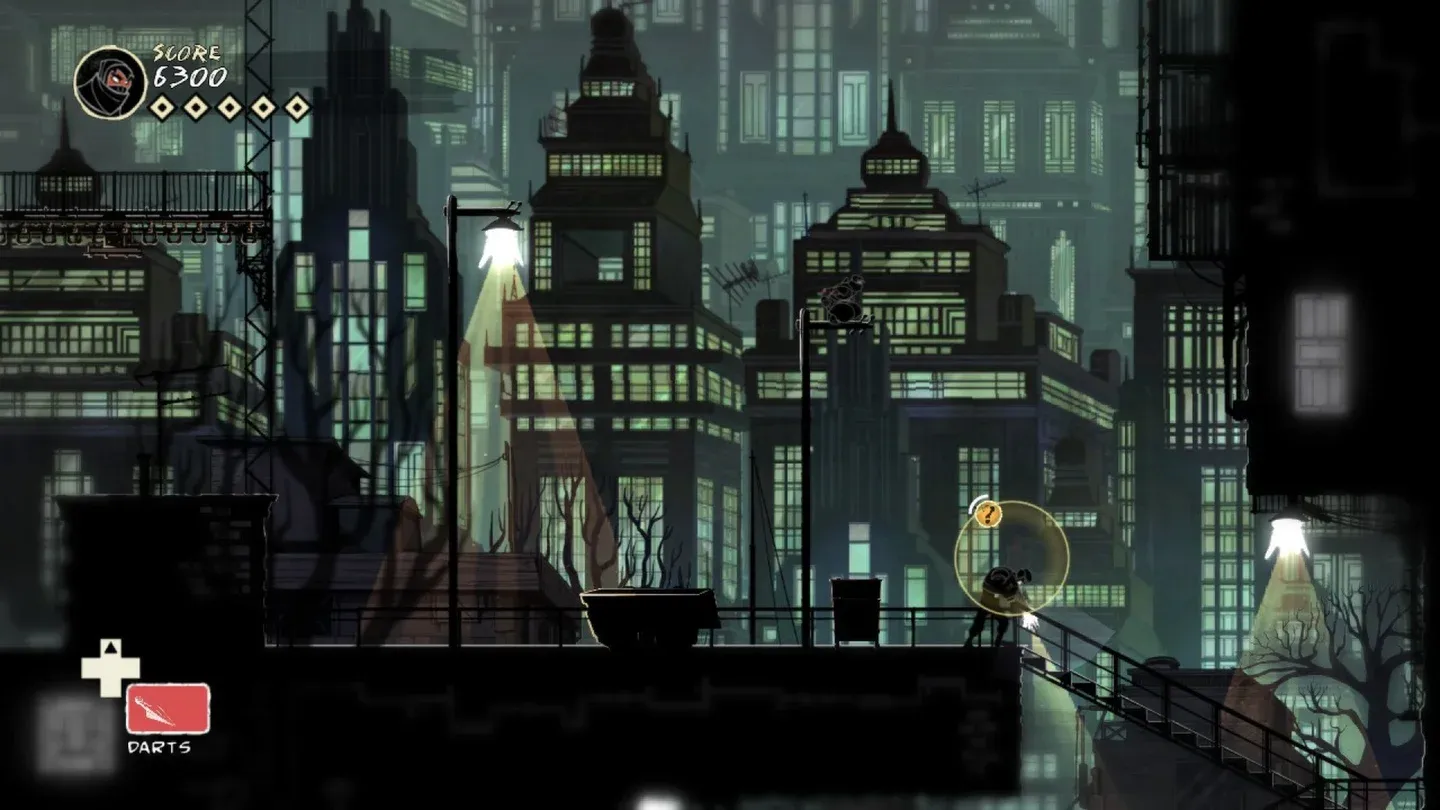
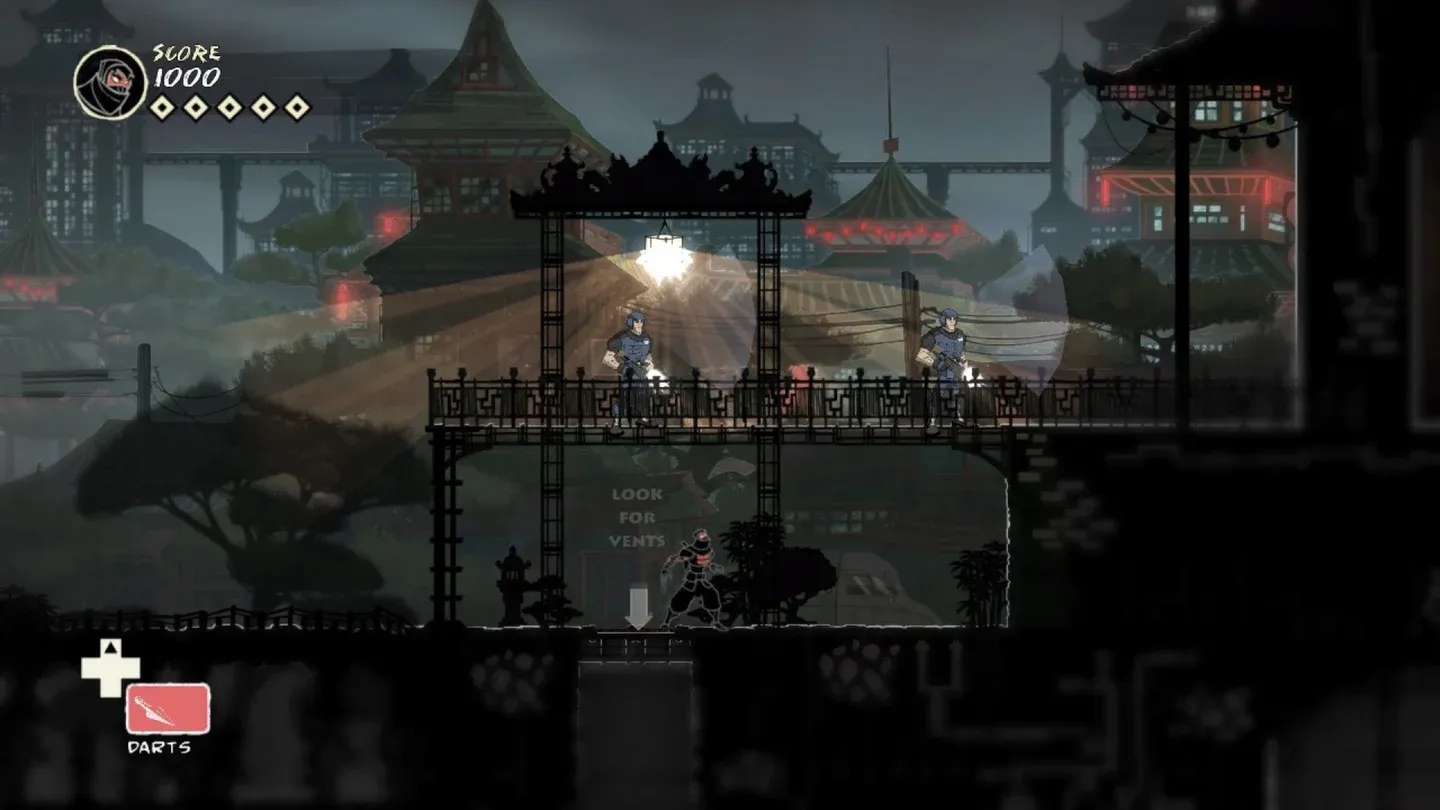
The game's visual identity is immediately striking. Cutscenes use a Saturday morning cartoon animation style that somehow makes the story feel more serious, not less. The contrast between that flat, expressive art and the tense moment-to-moment gameplay creates a tone that few action games manage to pull off.
Mark of the Ninja content image
Gameplay and mechanics
The core stealth loop in Mark of the Ninja rewards patience and observation over reflexes. Key mechanics include:
Mark of the Ninja content image
- Sound visualization on screen
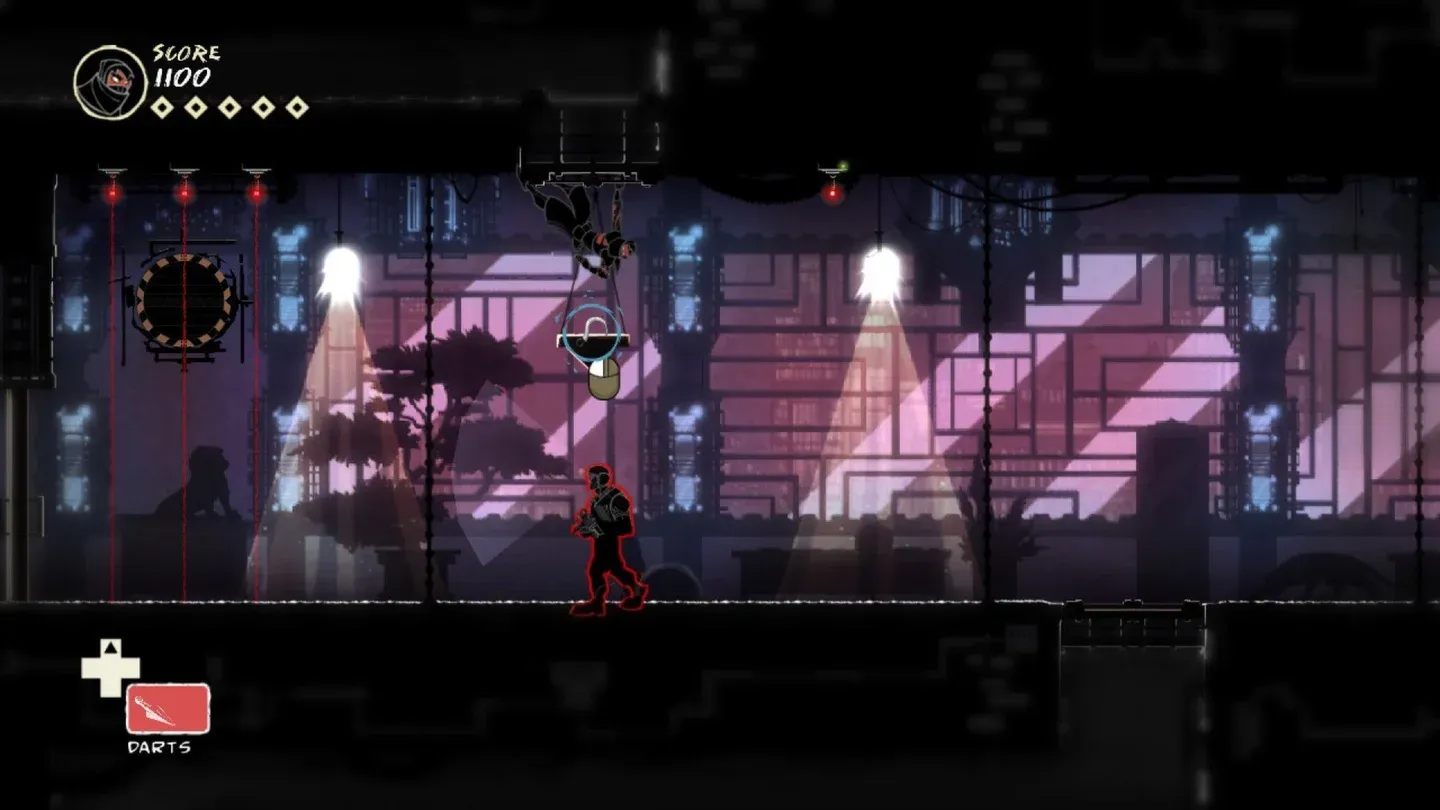
- Light and shadow detection zones
- Environmental distractions and traps
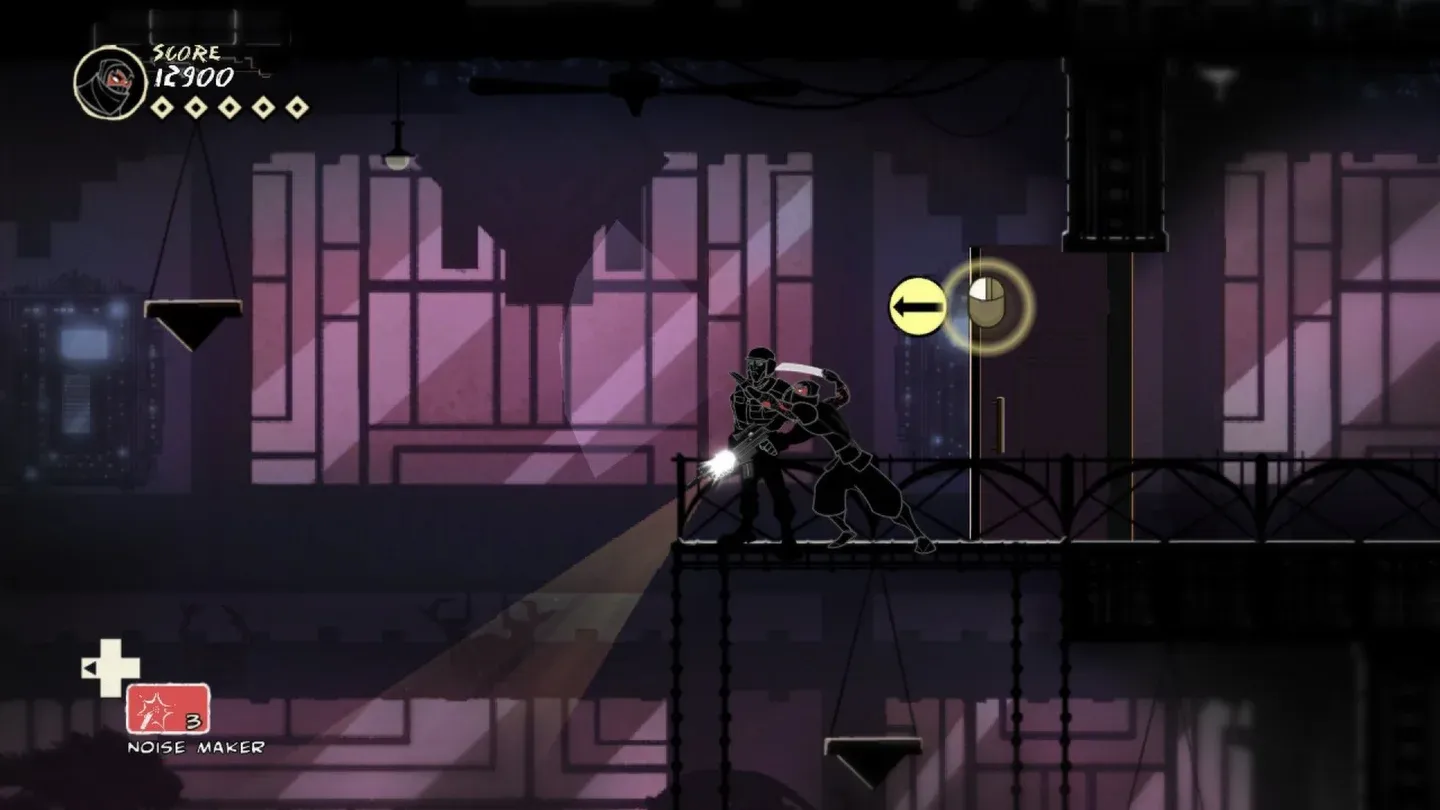
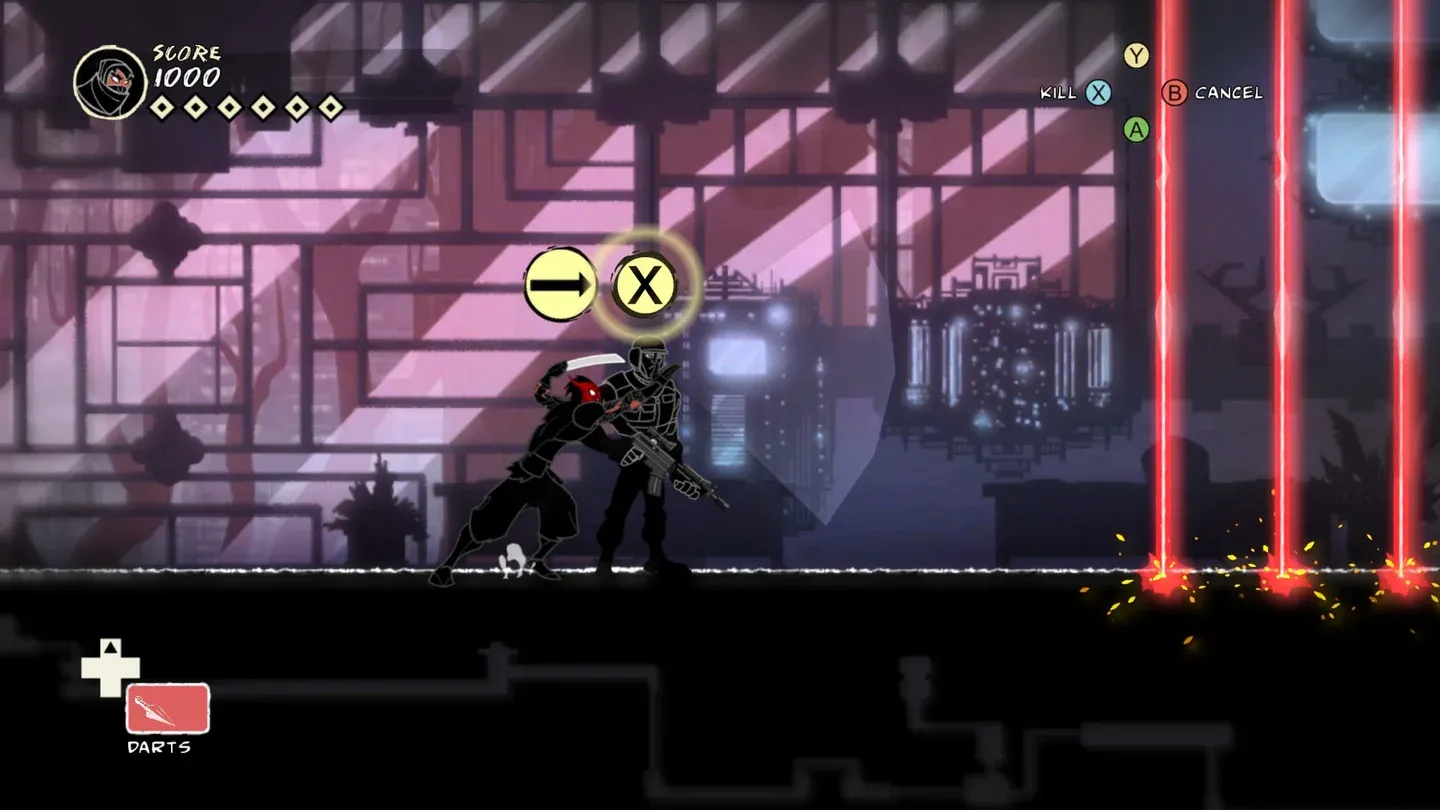
- Silent takedowns and body concealment
- Gadgets that scale with playstyle
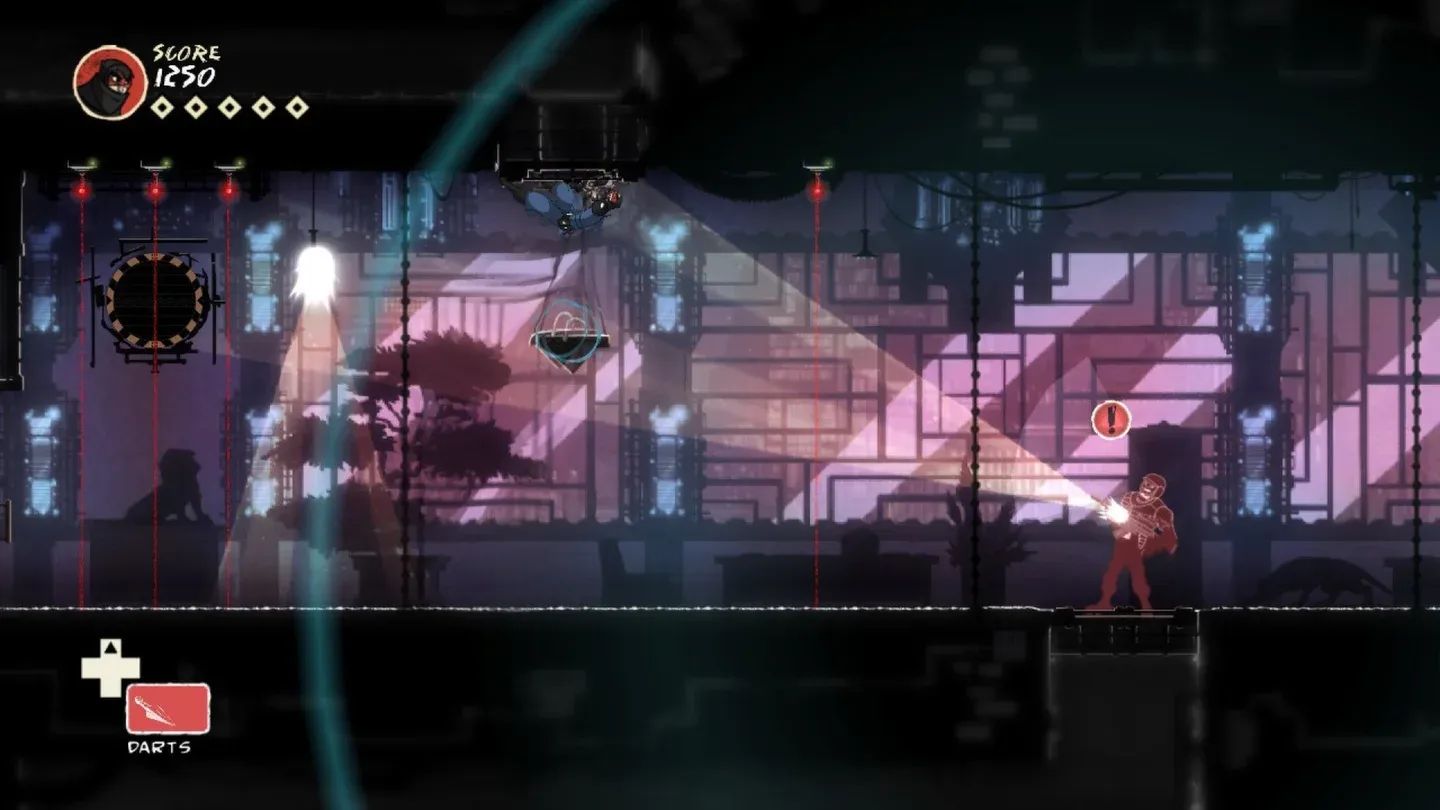
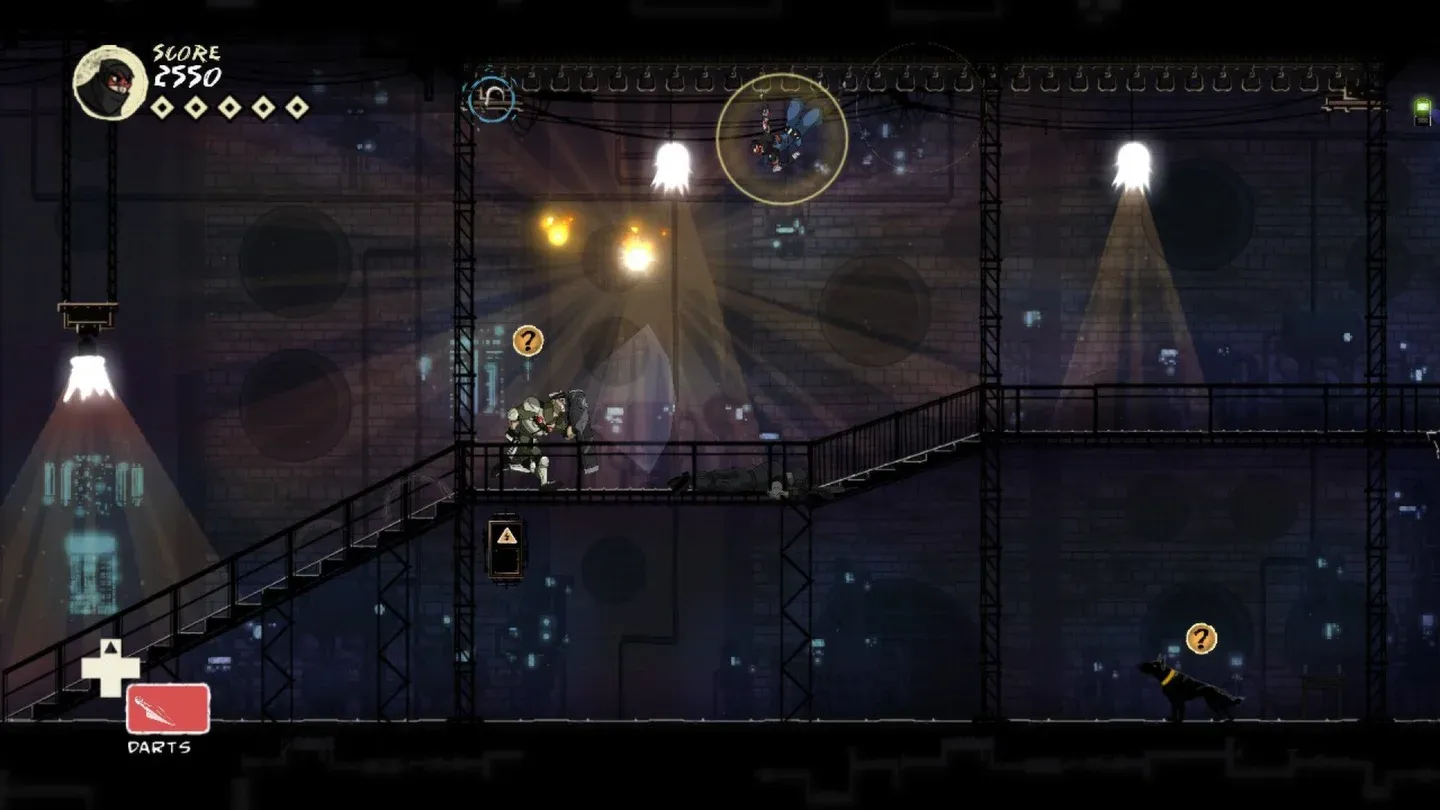
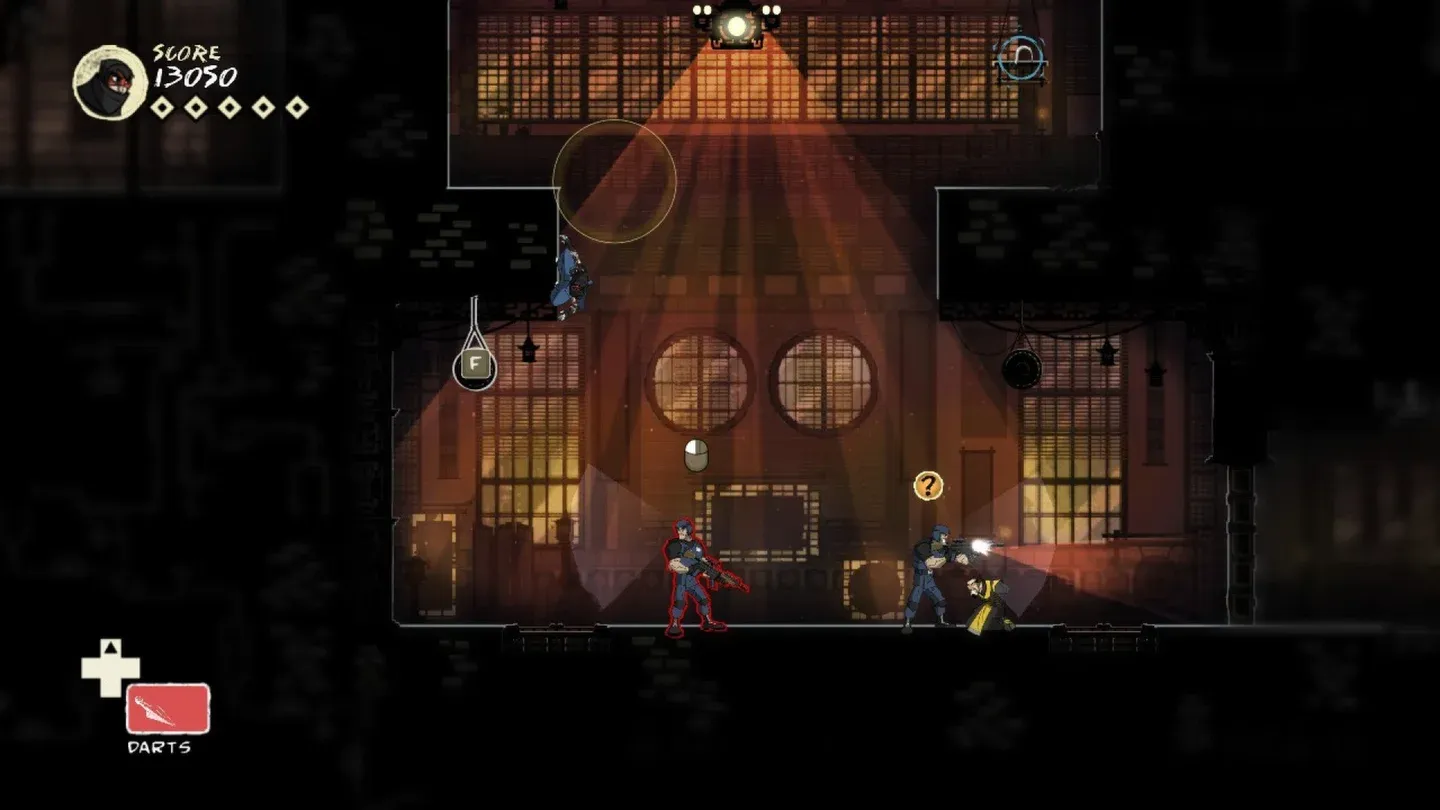
The game visualizes sound as rippling circles on screen, so you always know exactly how much noise you are making. Guards hear footsteps, breaking glass, and bodies hitting the floor. That feedback loop turns every room into a readable puzzle rather than a guessing game.
Mark of the Ninja content image
What makes the stealth system stand out?
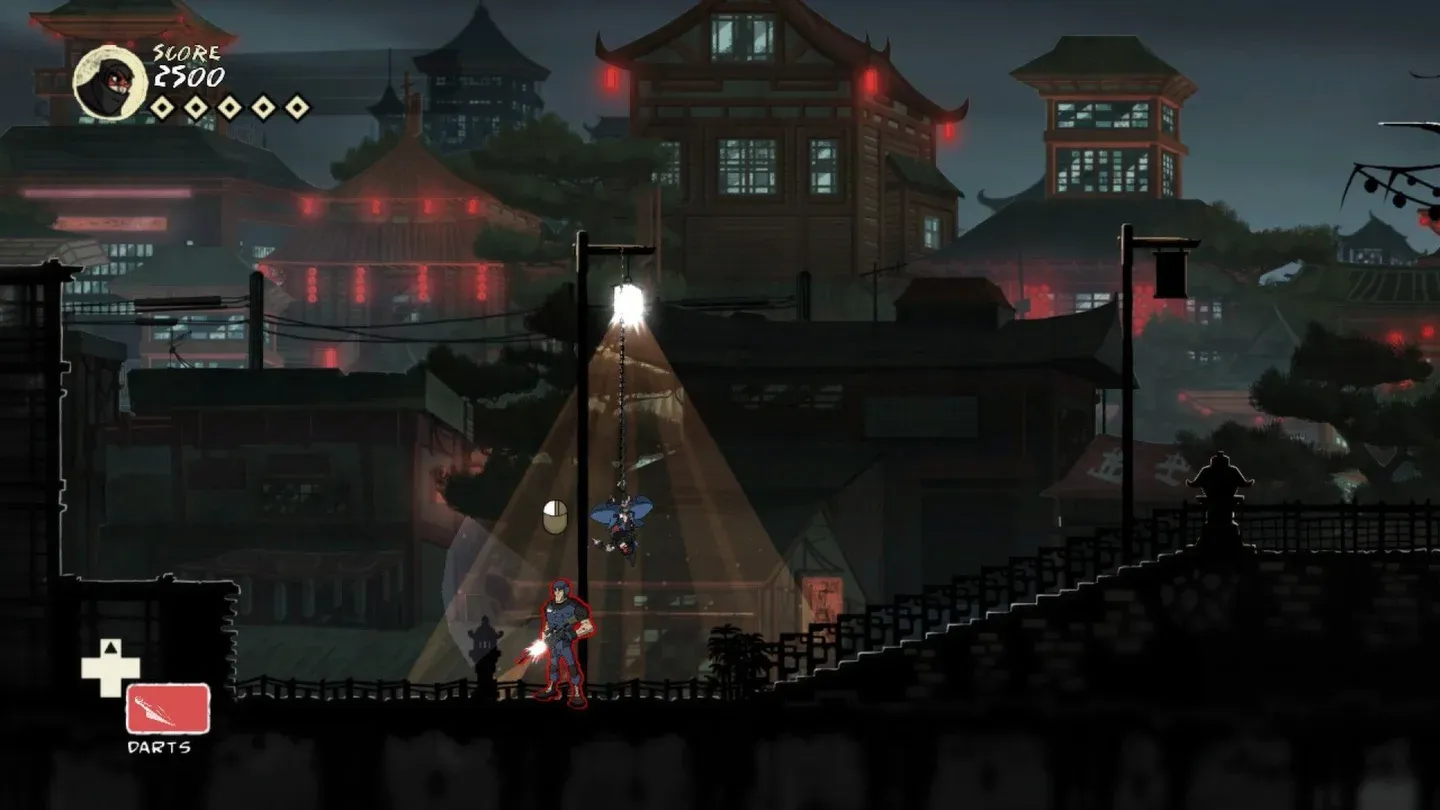
Most 2D games treat stealth as a binary: seen or not seen. Mark of the Ninja builds a full sensory model into its side-scrolling format. Guards have defined vision cones that interact with light sources. Darkness is a resource you manage actively, not just a place to hide. Extinguishing a torch, timing a sprint between patrols, or distracting a soldier with a thrown object all require reading the environment rather than memorizing patterns.
The game also gives players a genuine choice between lethal and non-lethal approaches, and the scoring system tracks which path you take. High scores come from completing levels without killing anyone, or alternatively from leaving no witnesses. Both are valid strategies with different tool sets, which extends replayability significantly.
Visual and audio design
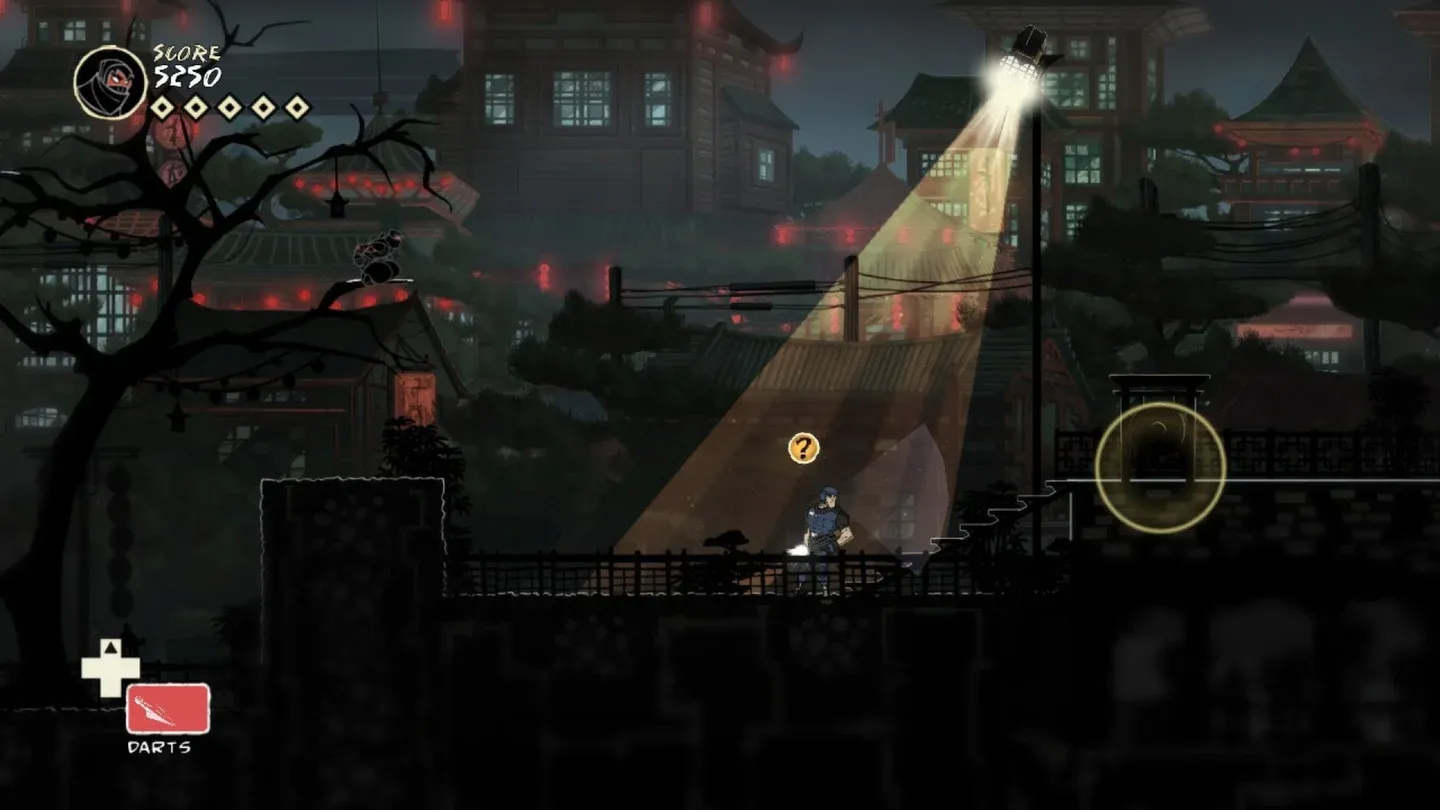
Klei's hand-drawn art style holds up well. Characters are expressive, environments read clearly even in near-total darkness, and the color palette shifts between locations to signal tone. The audio design matches the visual precision: each sound effect carries gameplay information, and the score stays atmospheric without competing with the sounds players need to hear.
Mark of the Ninja content image
Impact and legacy
Mark of the Ninja arrived at a time when 2D stealth games were rare, and it set a bar that most subsequent attempts have struggled to clear. The game's approach to making stealth readable and fair, rather than trial-and-error, influenced how developers think about information design in the genre. Its ESRB Mature rating reflects genuine edge in both its story and its mechanics, not just surface-level violence. For anyone interested in stealth platformers, it remains the clearest example of the genre done right.