


Biggest discounts, free games, and limited-time offers across every major gaming store.
Never pay full price again.
Overview
Released in April 2010 by Ubisoft Montreal, Splinter Cell Conviction marks a sharp departure from the slow, deliberate stealth gameplay the series built its reputation on. Sam Fisher is no longer a government asset operating by the book. He's a man with nothing left to lose, and the game's mechanics reflect that shift completely.
The story picks up after Fisher's departure from Third Echelon. His daughter was killed, his best friend shot by his own hand, and the agency he served turned against him. What follows is a revenge thriller that projects mission objectives and story text directly onto the environment, a visual trick that keeps the tone urgent without breaking immersion. The narrative isn't subtle, but it moves fast and commits to its premise.
Tom Clancy's Splinter Cell Conviction™ content image
Gameplay and mechanics: how does Conviction play?
Conviction's core loop is built around momentum. Unlike earlier Splinter Cell games where getting spotted meant restarting from scratch, Conviction rewards quick, aggressive responses to detection. The key systems include:
Tom Clancy's Splinter Cell Conviction™ content image
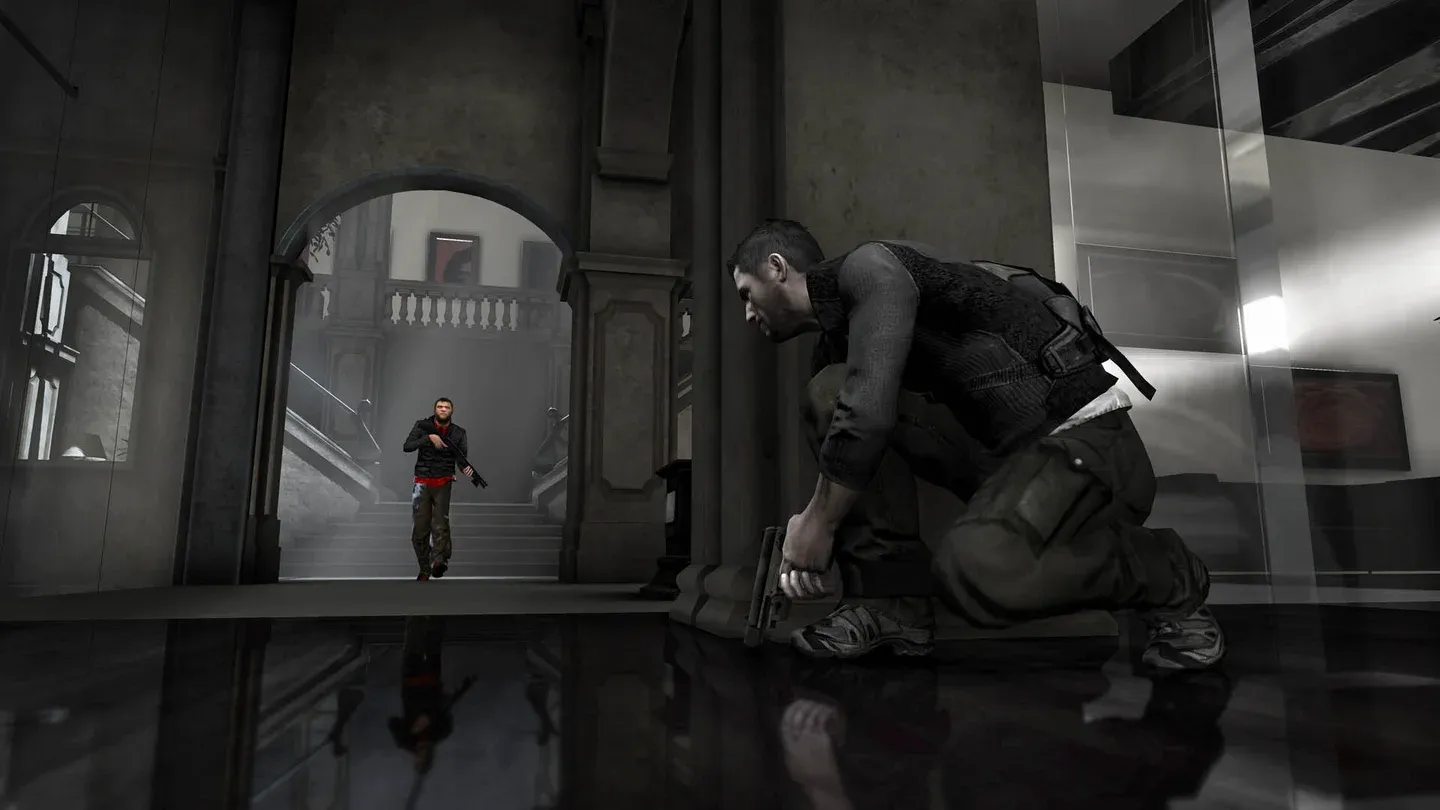
- Last Known Position: a ghost silhouette marks where enemies last saw you, letting you reposition and flank
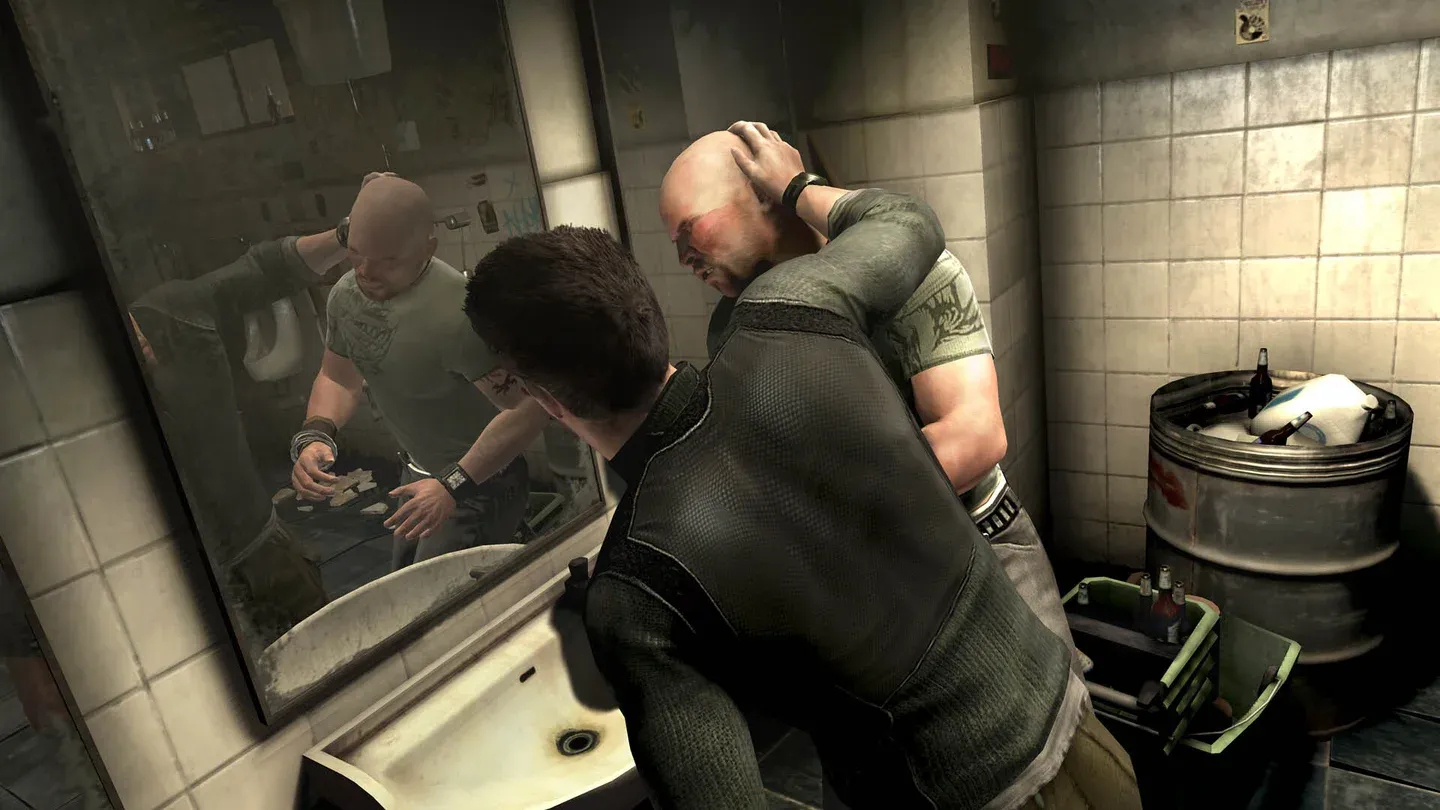
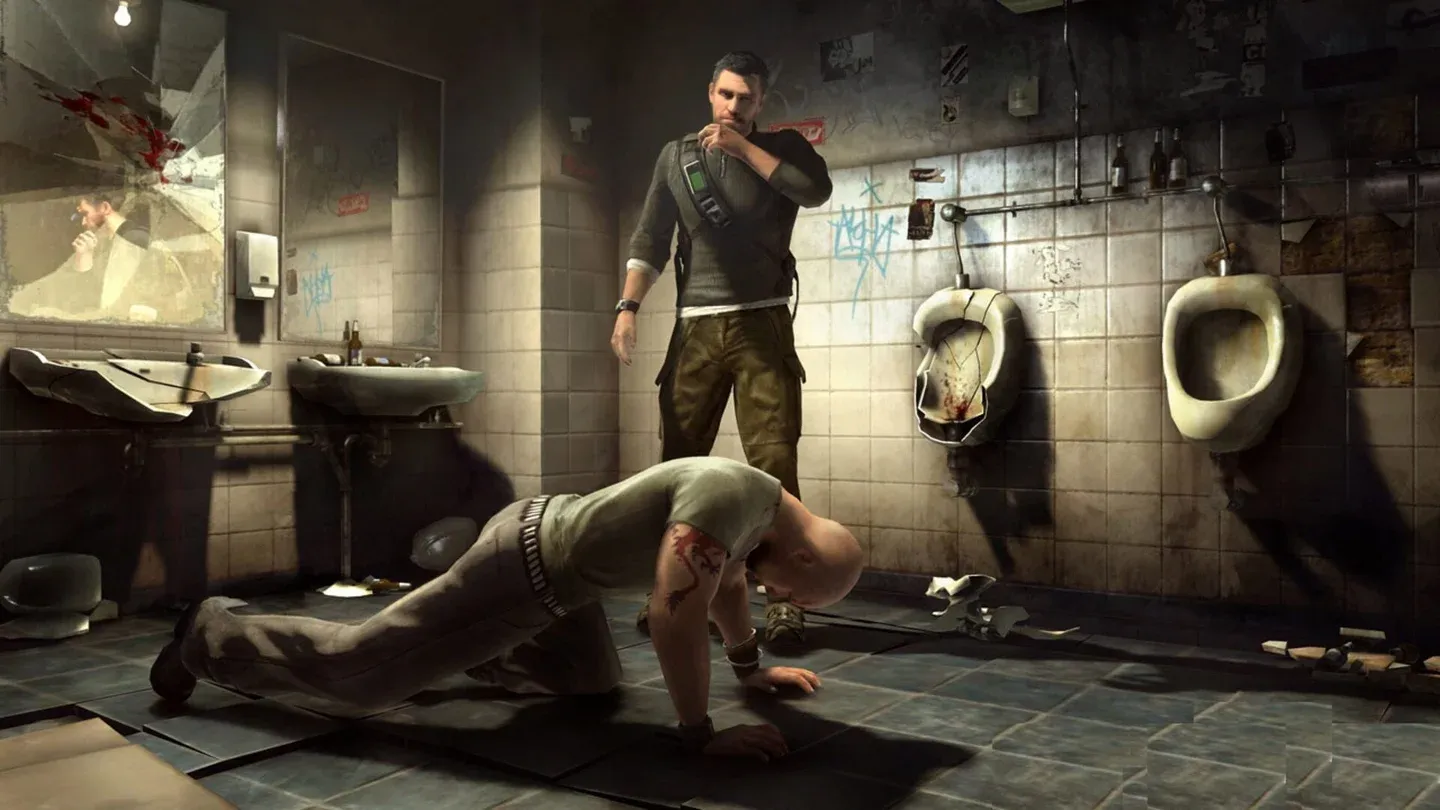
- Mark and Execute: tag multiple enemies, then eliminate them simultaneously after a hand-to-hand takedown
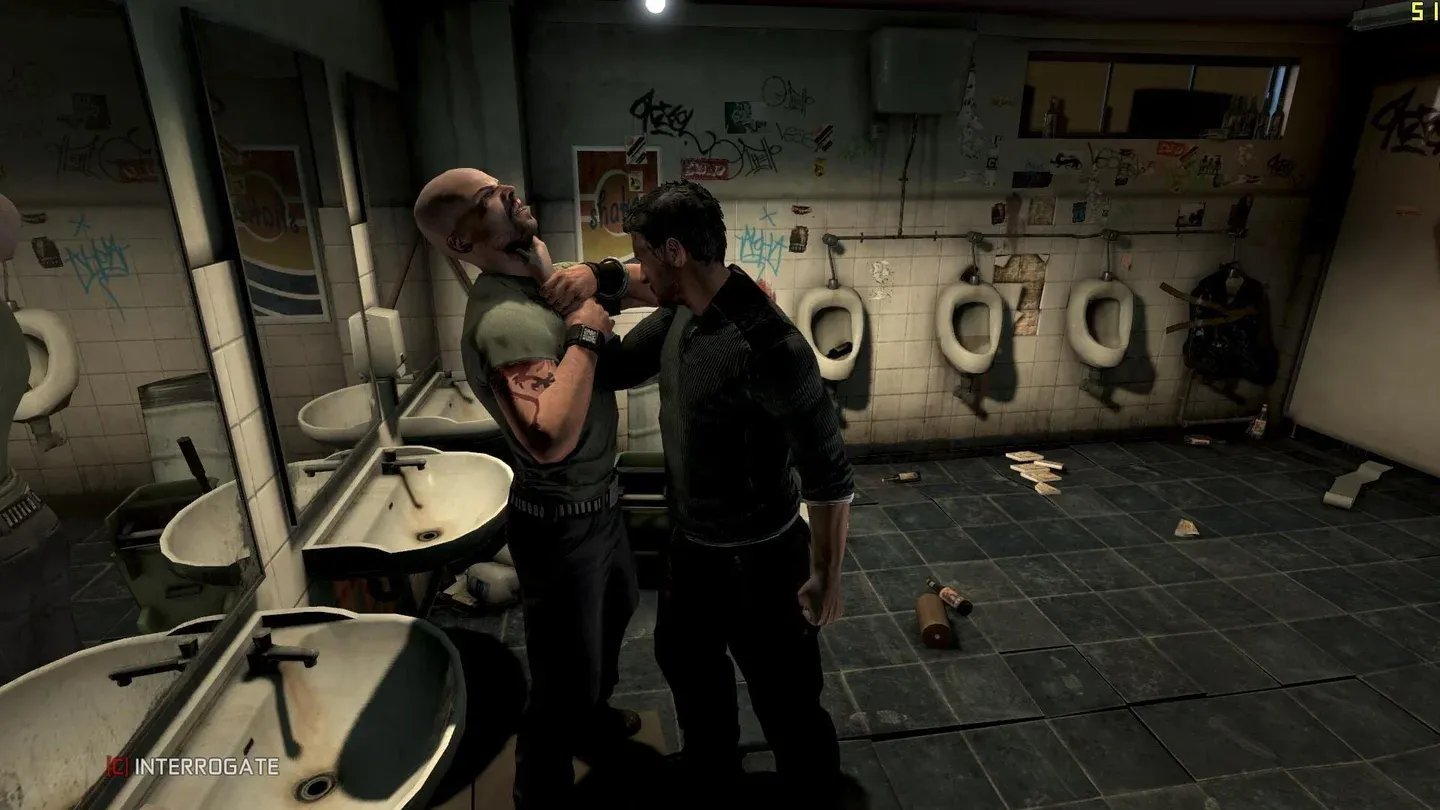
- Environmental interrogations: contextual brutality that reinforces Fisher's desperation
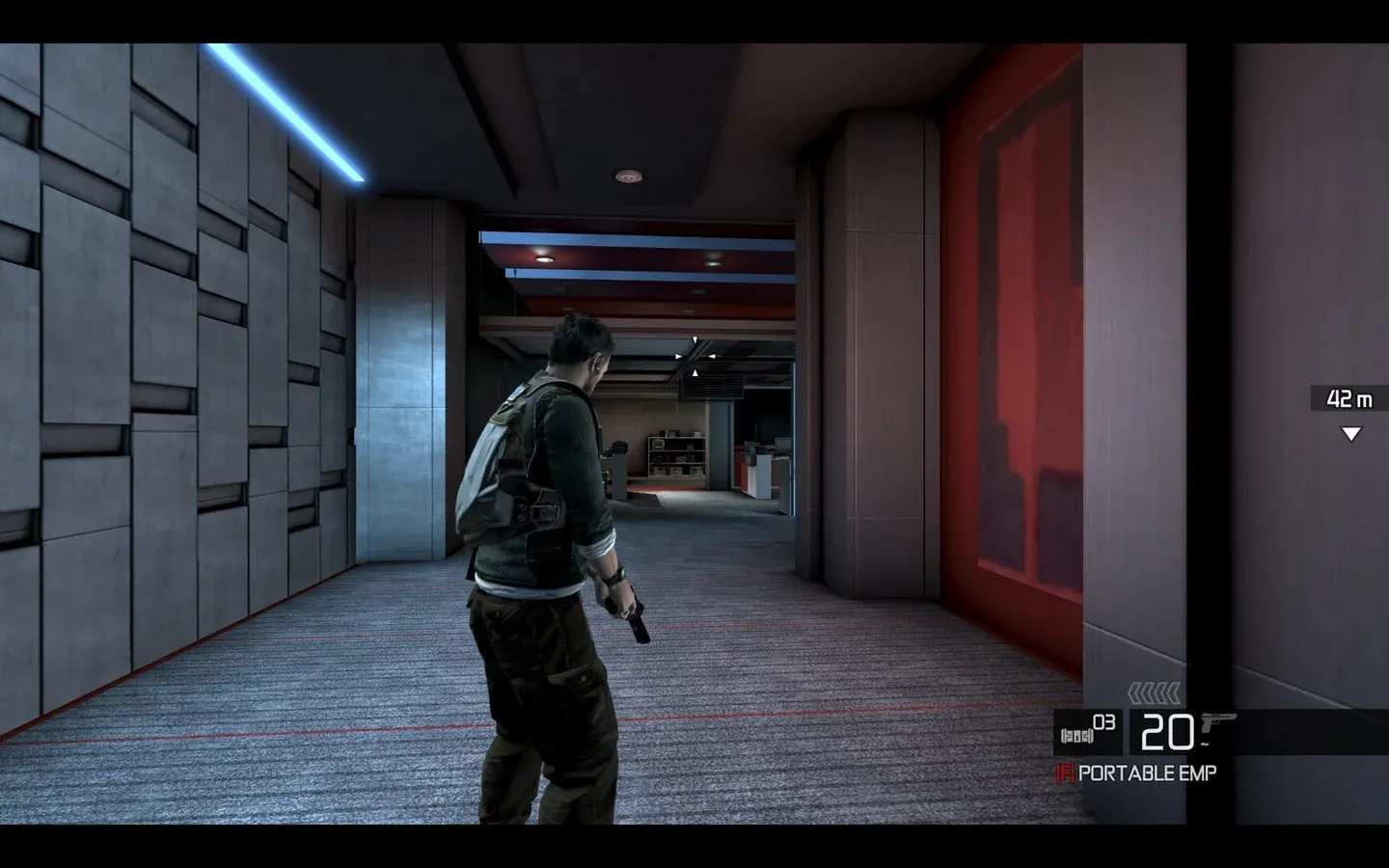
- Sonar goggles: see enemies through walls for short-range tactical reads
- Persistence hunting: enemies actively search rather than resetting to patrol routes
The result is a stealth game that plays more like a cover shooter with tactical options than a pure infiltration experience. Players who want to ghost through levels can still do so, but the game never punishes decisiveness the way earlier entries did.
Tom Clancy's Splinter Cell Conviction™ content image
Innovation and unique features
The Last Known Position system is the most genuinely clever thing Conviction does. When enemies lose sight of Fisher, a white silhouette appears where they last spotted him. That ghost becomes a decoy. Enemies converge on it, and Fisher can use that window to reposition, flank, or disappear entirely. It transforms detection from a failure state into a tactical opportunity.
Mark and Execute changes the pacing of every encounter. After performing a hand-to-hand takedown, Fisher earns the ability to tag up to three targets and eliminate them in a single button press. The animation plays out like a highlight reel, and the system makes players feel genuinely dangerous rather than fragile.
The visual storytelling approach, projecting objectives and story fragments onto walls and floors, was unconventional for its time and still holds up as an effective way to maintain atmosphere without interrupting play.
World and setting
Conviction takes Fisher through Washington D.C., a Third Echelon safehouse, and several international locations, all rendered with enough environmental detail to feel grounded. The game leans on a muted color palette and heavy use of darkness, both as an aesthetic choice and a mechanical one. Shadows are still a resource, even if they're less precious than in earlier games.

Tom Clancy's Splinter Cell Conviction™ content image
The tone throughout is that of a conspiracy thriller: shadowy government organizations, double agents, and a protagonist who has stopped caring about collateral damage. It's not trying to say anything meaningful about surveillance or state power. It's a revenge story told at full sprint.
Content and replayability
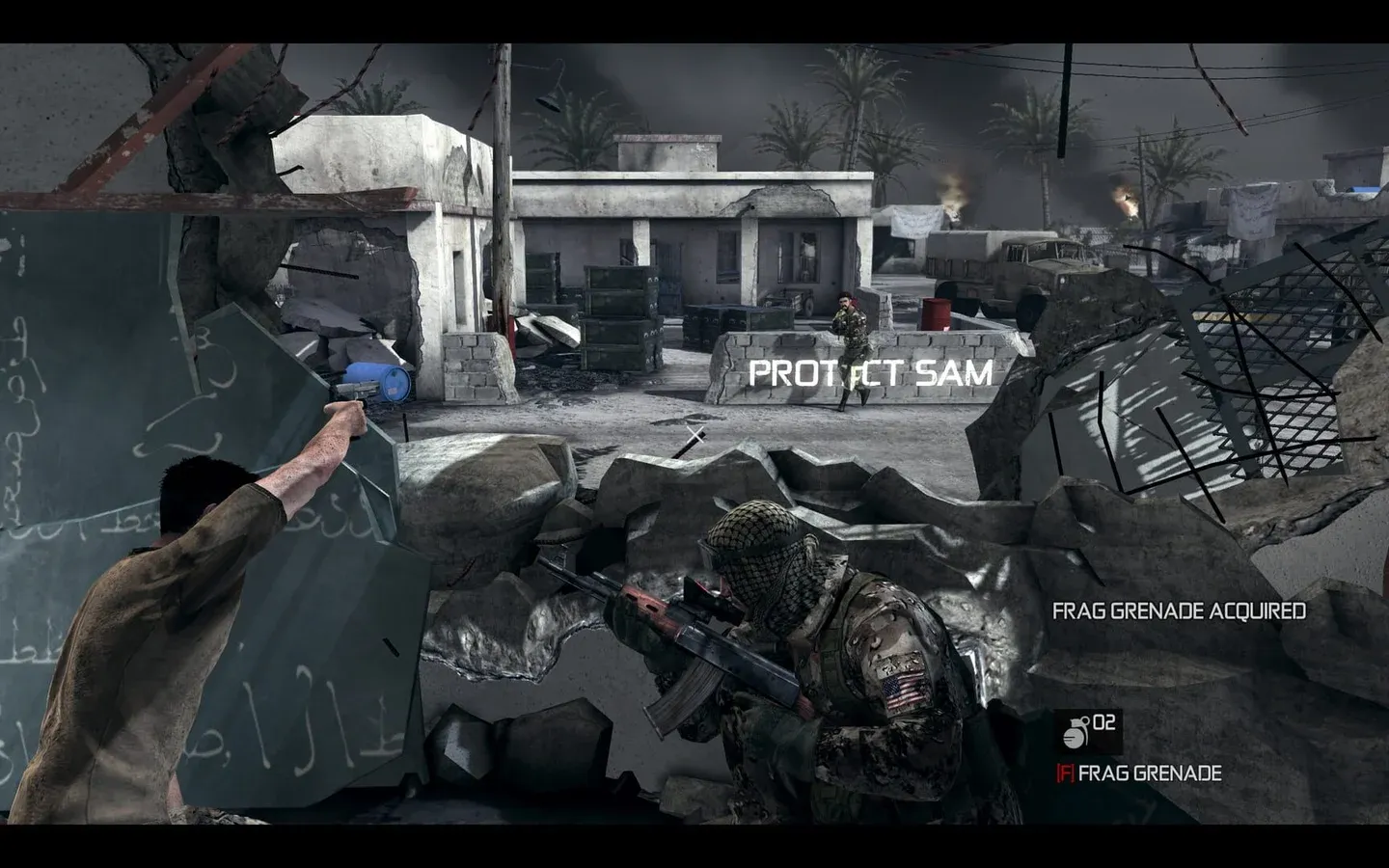
Conviction ships with a full single-player campaign running roughly six to eight hours, plus a separate co-op storyline set before the main campaign's events. The co-op mode, which once supported both split-screen and online play, is no longer functional online. Split-screen remains available on supported platforms.
Challenge modes and deniable ops missions extend playtime past the main story for players who want to push the mark-and-execute system to its limits. The game rewards replaying levels with higher difficulty settings, where the margin for error shrinks and the tactical systems get a genuine workout. For a stealth-action game built around aggression and precision, that replay loop holds up.