
Biggest discounts, free games, and limited-time offers across every major gaming store.
Never pay full price again.
Overview
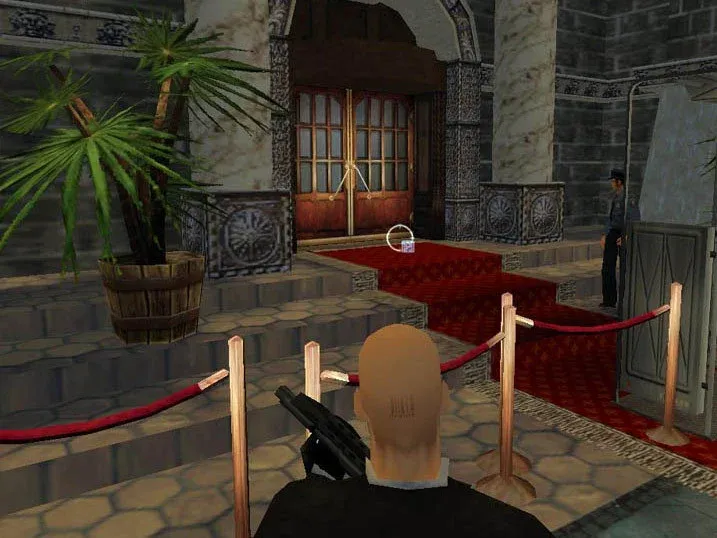
Hitman: Codename 47 is a stealth-action game developed by IO Interactive that dropped players into the role of a mysterious bald assassin with a barcode tattooed on the back of his neck. The premise is immediately compelling: Agent 47 wakes in a padded cell with no memory, only to discover he is a genetically engineered clone created for a single purpose, contract killing. The story unfolds across five chapters, each peeling back layers of deception and dark science that shaped him.
The game established what would become a defining formula for the series. Success is measured not by body count but by how cleanly a job gets done. Rushing in guns blazing is almost always the wrong call. The real reward comes from studying patrol patterns, finding the right disguise, and walking out of a level without anyone knowing you were there.
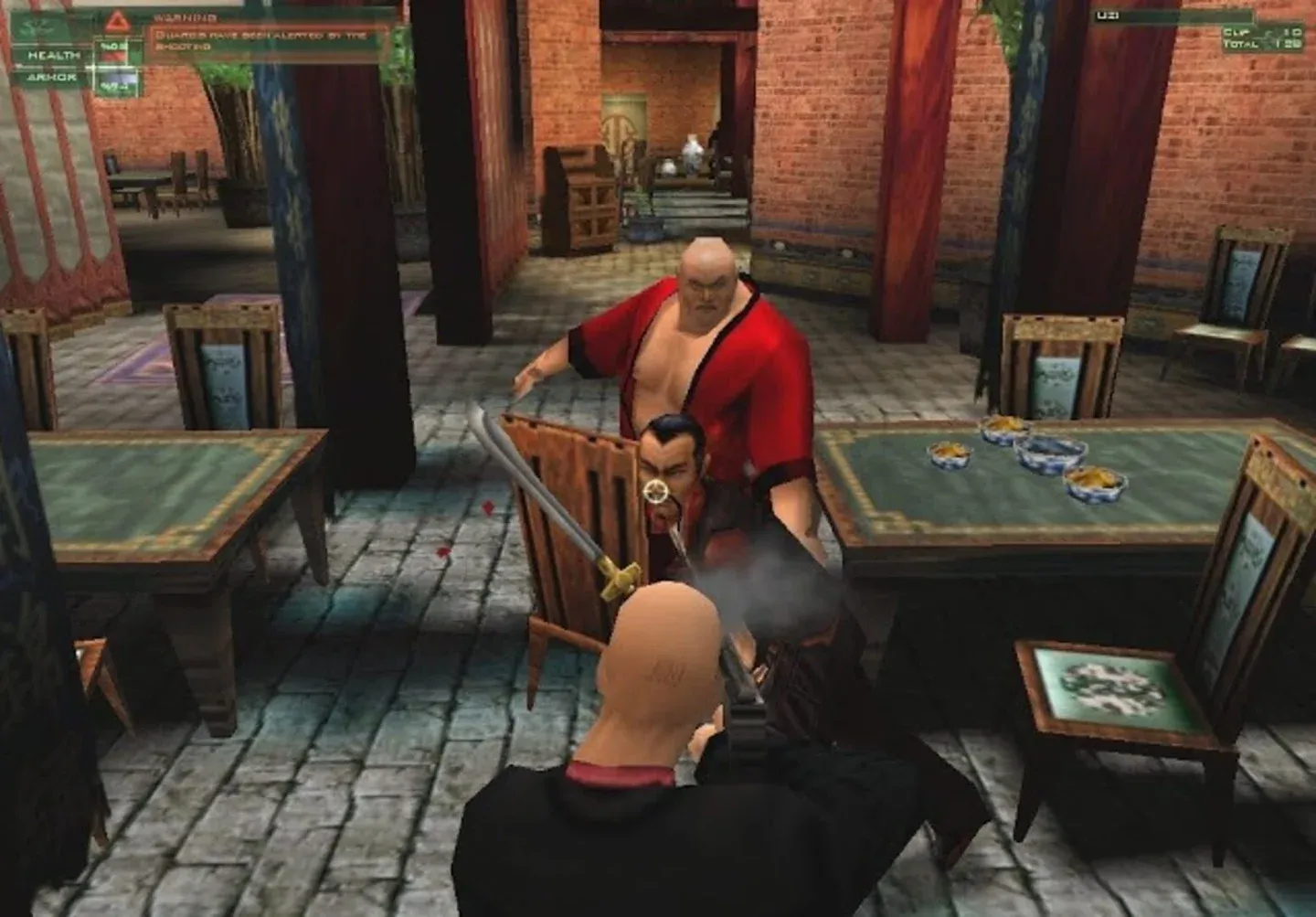
Hitman: Codename 47 content image
Gameplay and mechanics
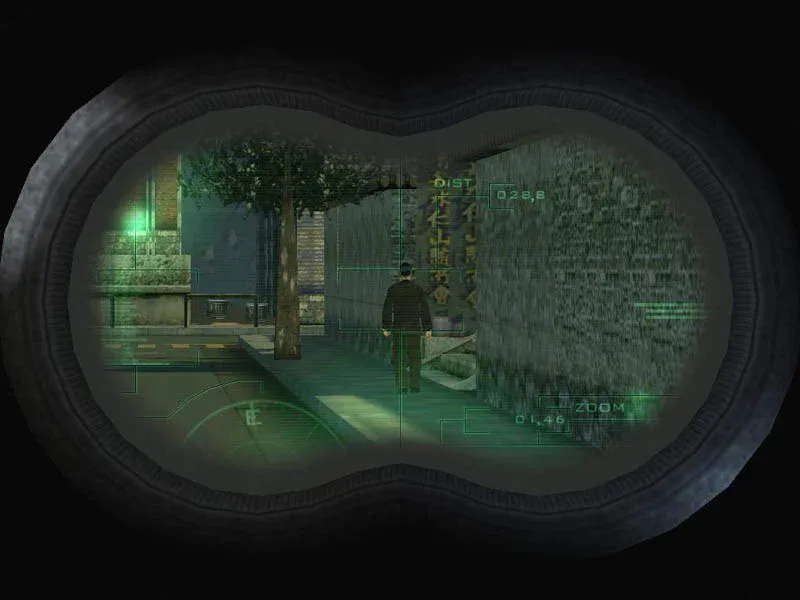
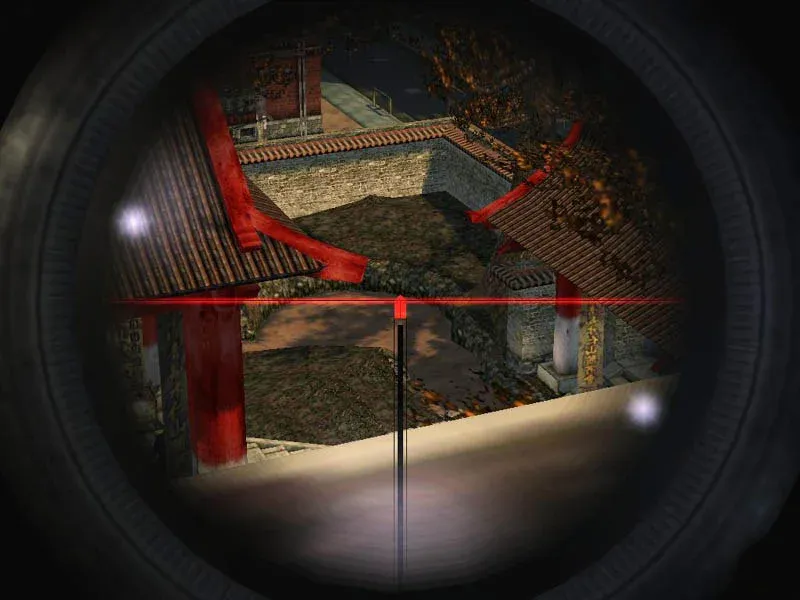
At its core, Hitman: Codename 47 is a puzzle game wearing a shooter's clothes. Each mission presents a target and a location, then steps back and lets you figure out the rest. The approach to any given assassination can vary significantly depending on which tools you bring and which routes you scout.
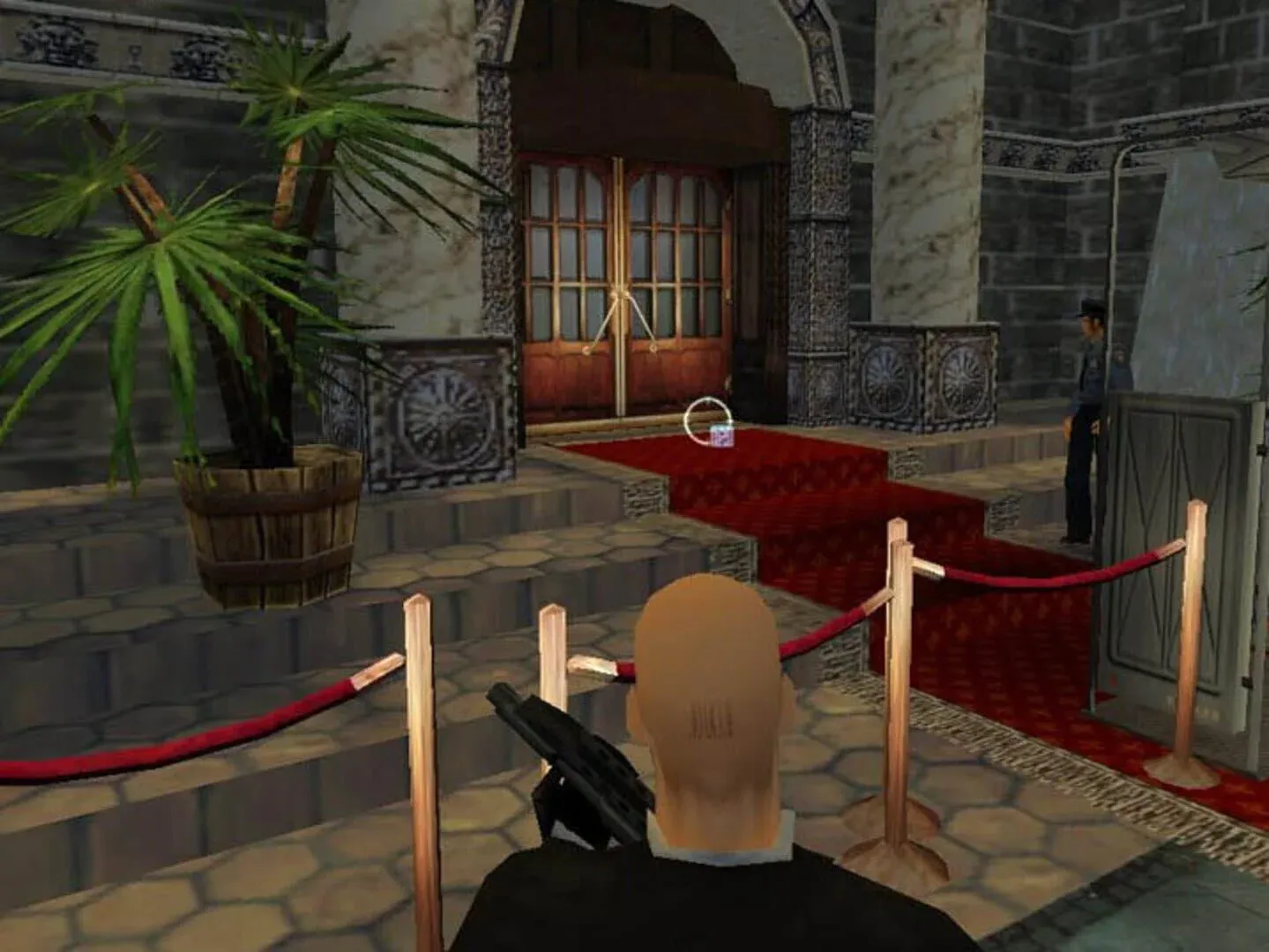
Hitman: Codename 47 content image
Key mechanics that define the experience:
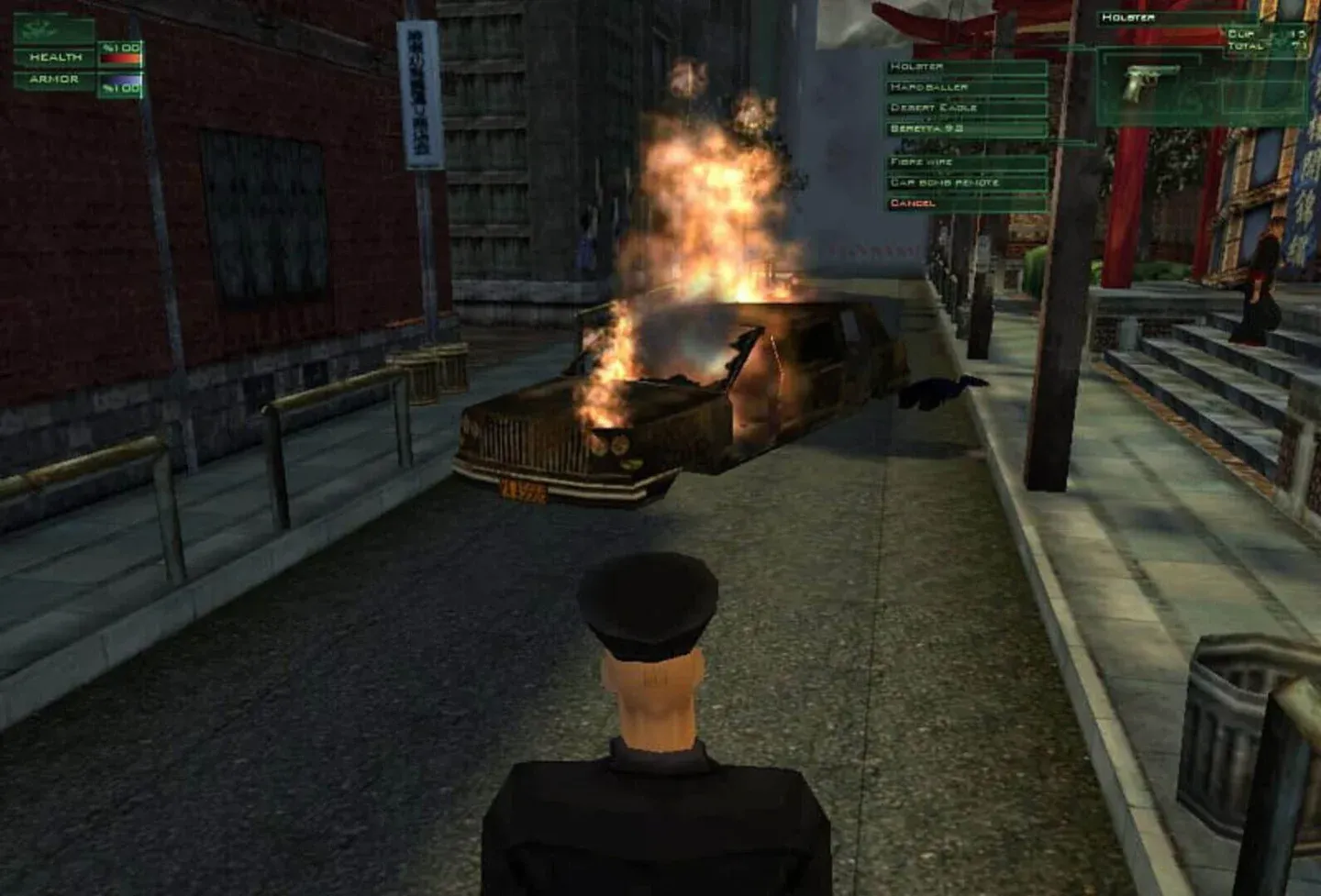
- Disguise system for blending into environments
- Black market access for weapons, traps, and decoys
- Multiple completion paths per mission
- Currency reward system tied to performance
- Stealth and agility training to build skills
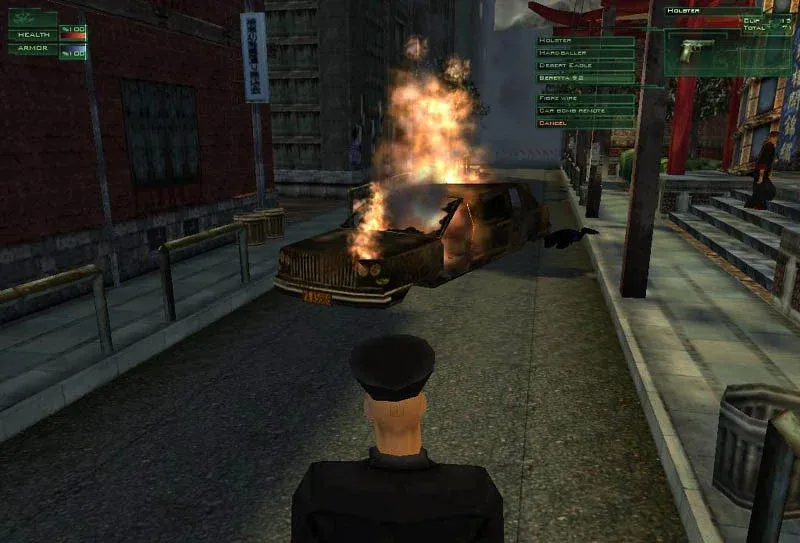
The AI reacts to behavior in ways that were genuinely sophisticated for the time. Guards notice inconsistencies. Witnesses call for help. Leaving a body in the open changes the entire dynamic of a level. That responsiveness made every mission feel like a live system rather than a scripted sequence.
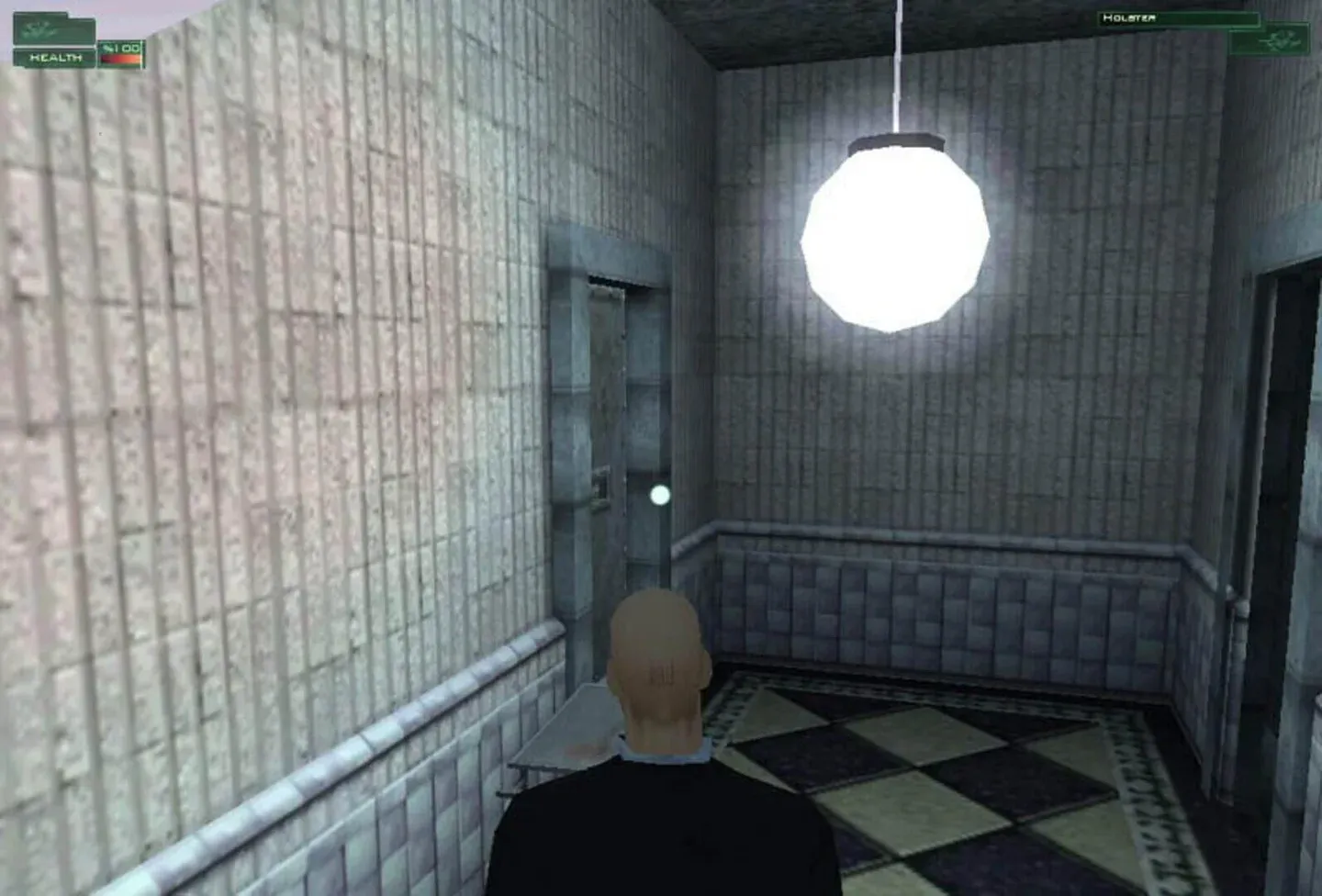
Hitman: Codename 47 content image
World and setting
Agent 47 operates across a range of international locations, from dense urban environments to more isolated compounds. The missions carry a noir-adjacent weight, with targets who are rarely simple villains and a protagonist who processes none of it emotionally. That detachment is part of what makes the character so effective.
The storyline connecting the contracts is genuinely worth following. It builds toward a revelation about 47's origins and the people responsible for creating him, giving the otherwise episodic mission structure a reason to keep pushing forward. The five-chapter breakdown gives the narrative clear momentum without overstaying its welcome.
Hitman: Codename 47 content image
Innovation and unique features
What did Hitman: Codename 47 actually get right that no one else had? The answer is the thinking-shooter concept executed with real commitment. Most action games of the era rewarded aggression. This one punished it and rewarded patience, observation, and creativity instead.
The currency system tied directly to how well you performed. Sloppy kills and unnecessary collateral damage cost you resources that could otherwise unlock better gear for future missions. That loop created a natural incentive to play cleanly long before the series formalized its rating system in later entries.
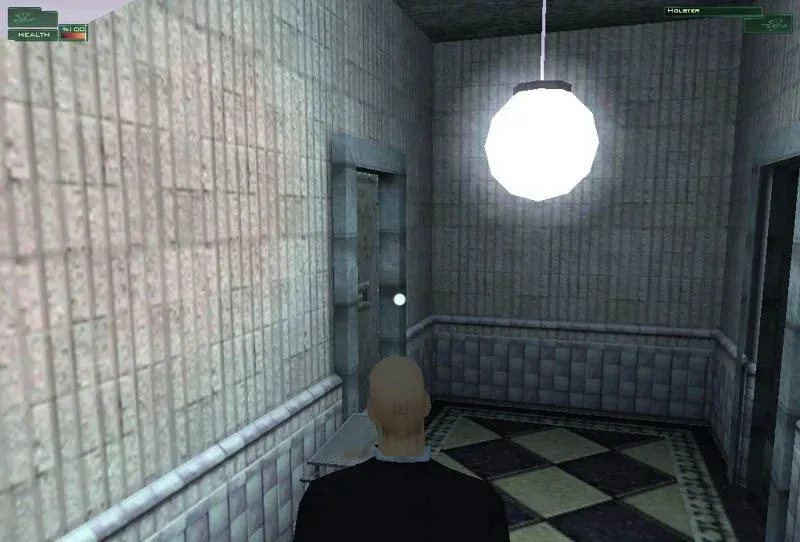
The 3D engine handling full object physics and character animations gave the world a physical weight that supported the stealth mechanics. Objects could be interacted with, bodies reacted to damage in context-specific ways, and the environments felt less like flat game levels and more like spaces that existed independently of the player.
Impact and legacy
Hitman: Codename 47 launched a franchise that IO Interactive still operates today, and the DNA of this first game is visible in every entry that followed. The tension between stealth and action, the disguise system, the target-focused mission structure, and the morally blank protagonist all originated here.
For players coming to it now, the game carries the expected friction of an early-2000s PC title. Controls and camera feel dated by modern standards. But the core design holds up as a genuinely smart stealth experience, one that asked players to treat assassination as a craft rather than a spectacle. That idea proved durable enough to anchor an entire series across more than two decades.