Search games, articles, guides...CtrlK
Sign InGet Started
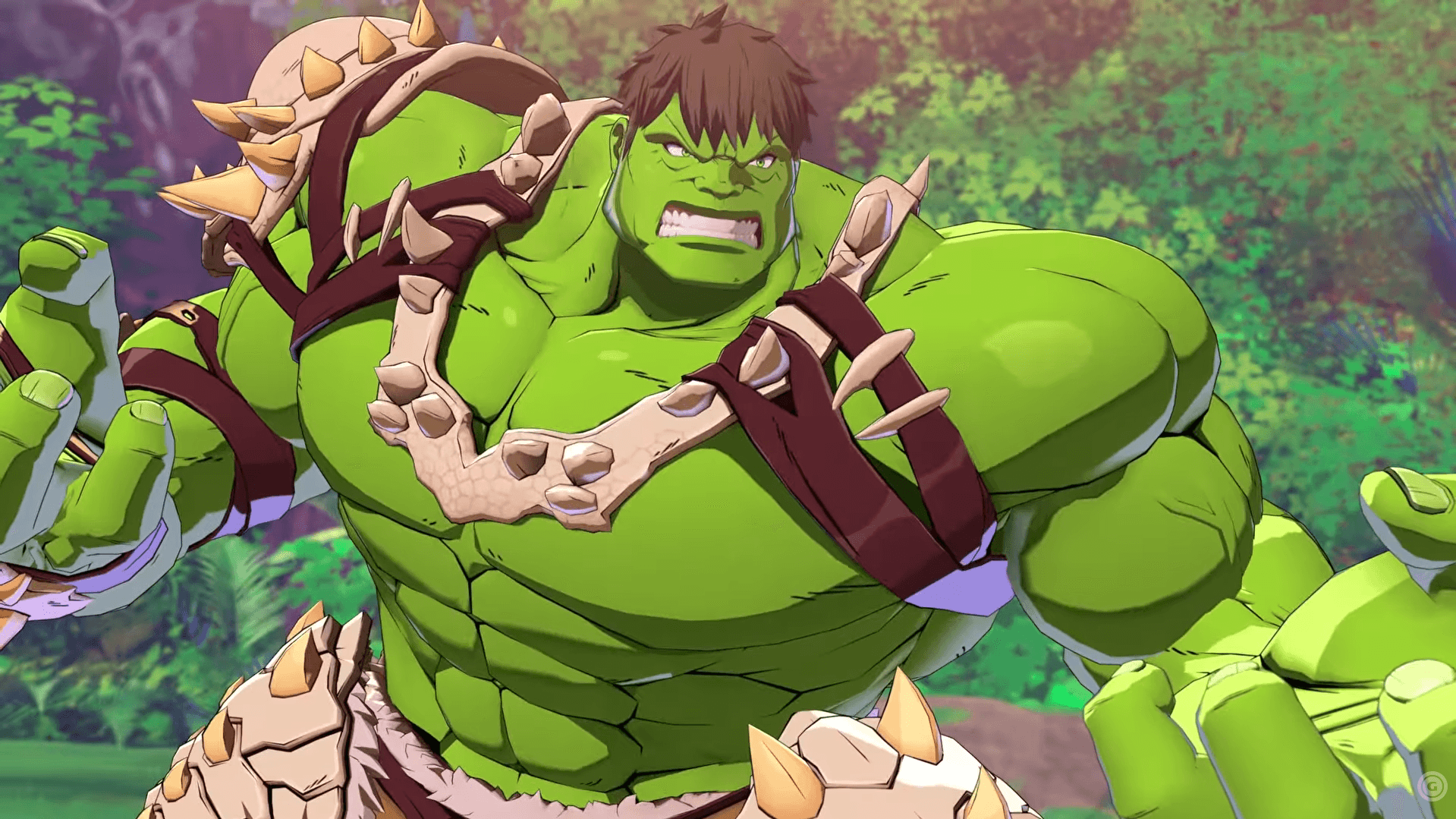
Master Hulk's Gamma Gauge, armor mechanics, and Gamma Rage state in Marvel Tokon: Fighting Souls with this full character breakdown.

Written by Larc
Content Writer
See more GAMES.GG guides on Google
Add us as a preferred source and our guides show up first in your results.
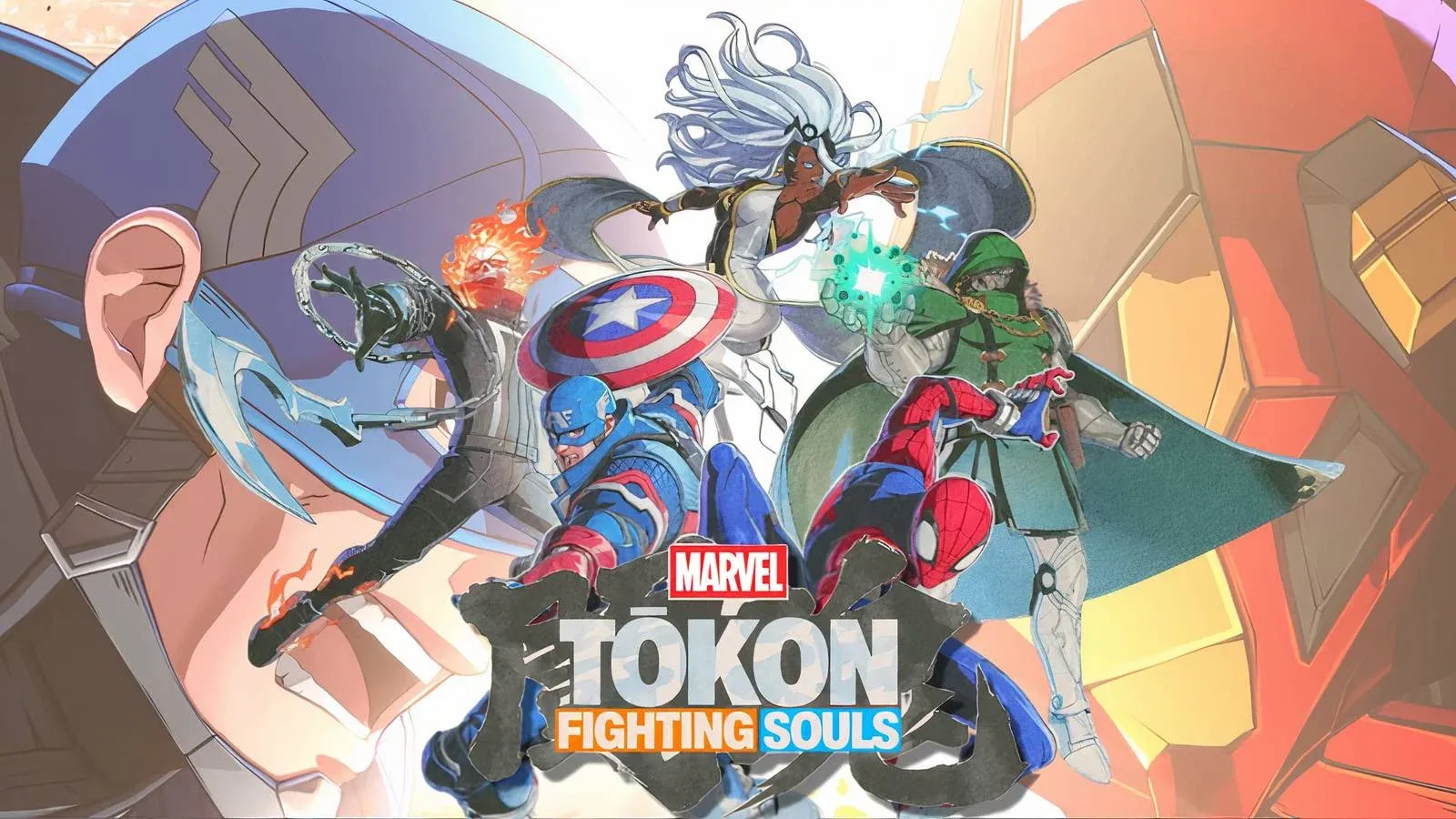
Marvel Tokon: Fighting Souls Ultimate Tier List
Every Marvel Tokon: Fighting Souls character ranked by role, with the best Leaders, Shooters, Verticals, and Assault picks explained.
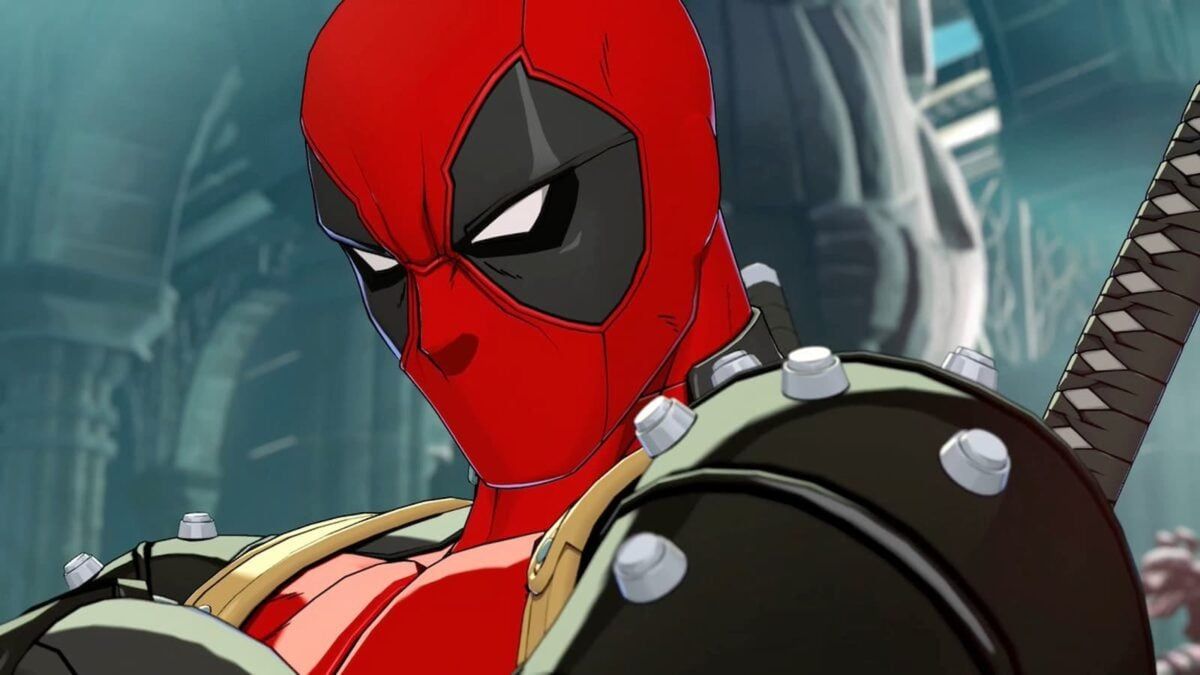
Marvel Tokon: Fighting Souls Guide: All Deadpool Secret Commands
All 6 Deadpool secret commands in Marvel Tokon: Fighting Souls, with exact PS5 inputs to unlock the Deadpool Saves the Tokon Universe trophy.
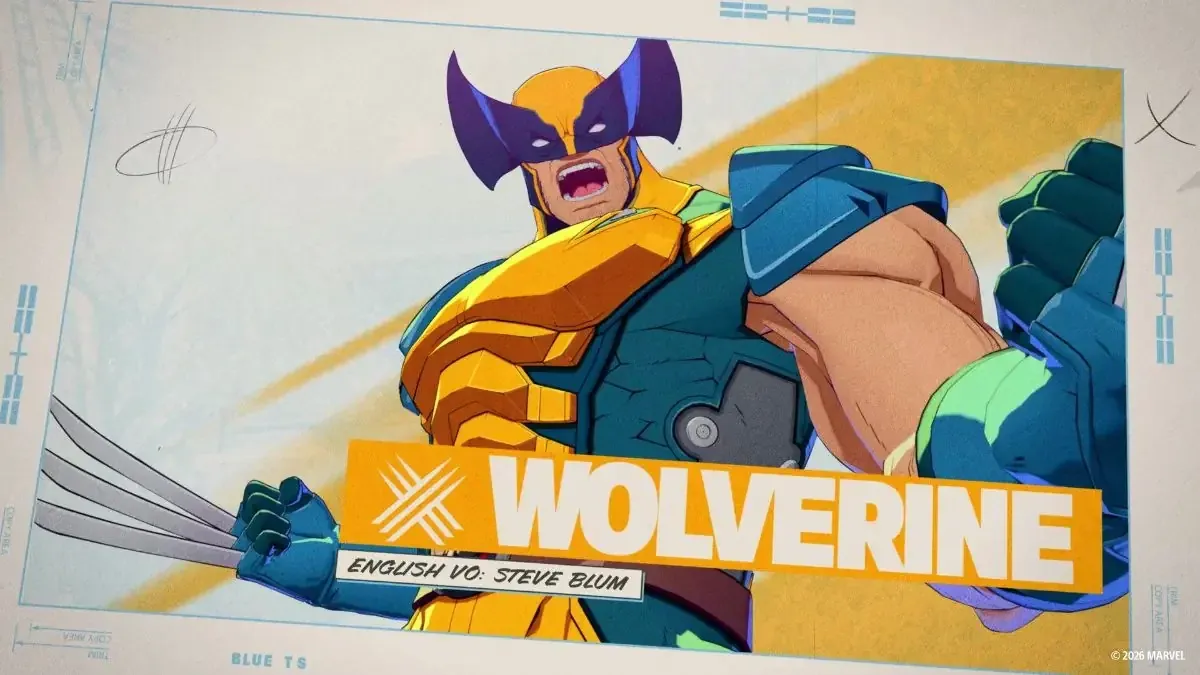
Marvel Tokon: Fighting Souls Wolverine Guide: Best Tips & Combos
Master Wolverine in Marvel Tokon: Fighting Souls with this full breakdown of his specials, Berserker state, and how to play him effectively.
Hulk arrives in Marvel Tokon: Fighting Souls straight from the Savage Land, and the exile has only made him more dangerous. He fits the big-body archetype you'd expect from a fighting game featuring the green goliath: slow to move, hard to contest up close, and capable of ignoring attacks that would stop anyone else cold. What separates him from a generic bruiser is the Gamma Gauge, a resource system that rewards aggressive play and turns an already threatening character into something genuinely difficult to deal with once it's full.
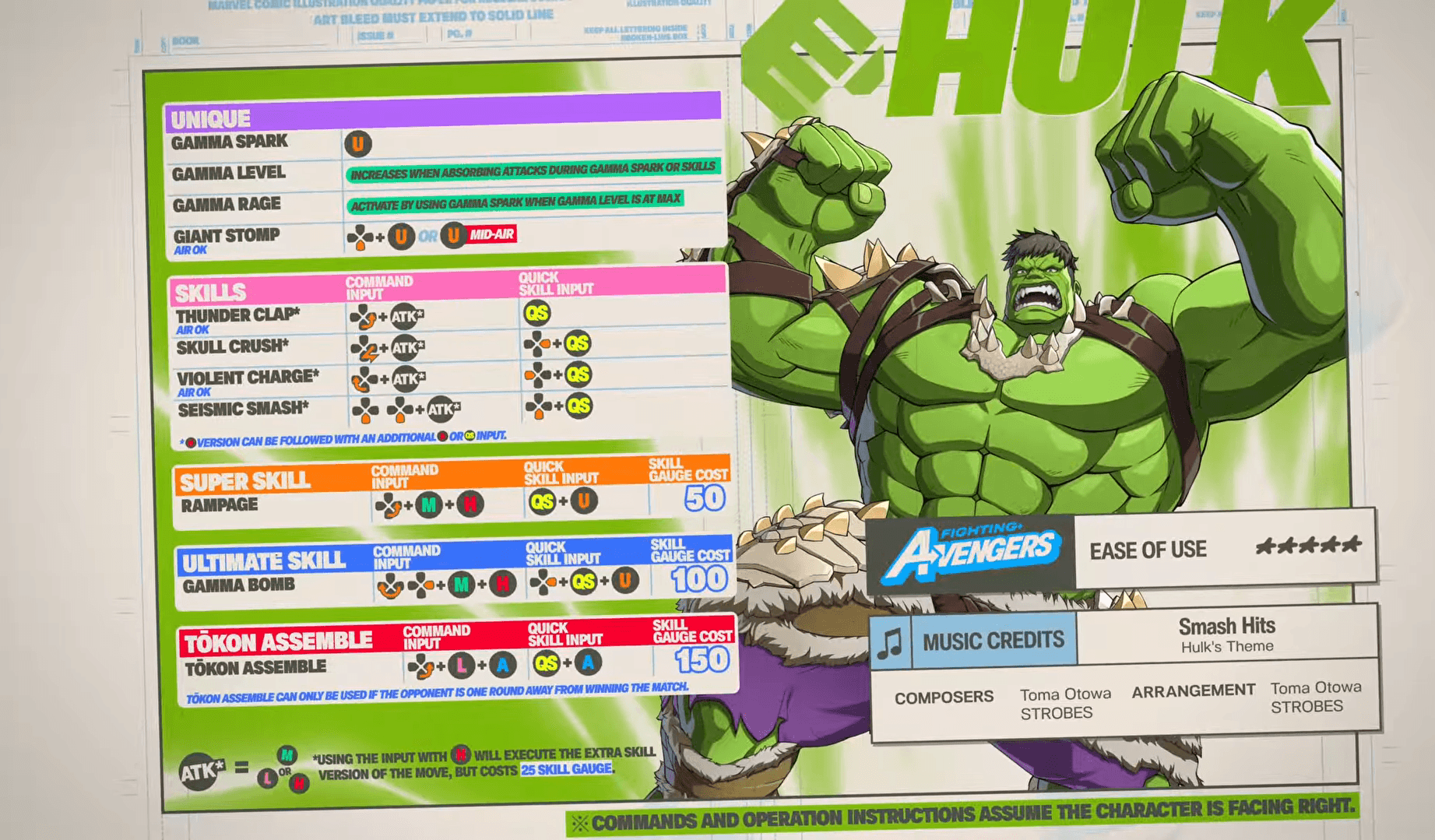
The Gamma Gauge is Hulk's defining mechanic, and understanding it is the difference between playing him well and just mashing buttons. You build the gauge two ways: by landing Gamma Spark (an armored move that doubles as an attack) or by absorbing hits through Hulk's other armored moves. That second method is worth paying attention to. Hulk can actually fill his gauge by letting opponents hit him, which completely changes how you think about taking damage in neutral.
Once the gauge is full, activating Gamma Spark again triggers Gamma Rage. This powered-up state supercharges all of Hulk's special moves, and in many cases loads them with so much armor that opponents struggle to contest his offense through conventional means. The main counter at that point is throws, so characters with strong command grabs or fast grab options become your biggest threat during Gamma Rage.
Hulk's special move set is straightforward, but each tool serves a clear purpose. Nothing here is flashy for its own sake.
| Special Move | Function |
|---|---|
| Gamma Spark | Armored move that charges the Gamma Gauge; activates Gamma Rage when gauge is full |
| Clap | Negates incoming projectiles |
| Stomp | Hits grounded opponents anywhere on screen |
| Armored Charge | Closes distance with armor, threatens opponents trying to keep Hulk out |
| Short-Range Multi-Hit | Close-quarters special that hits multiple times |
The detail that makes this set more interesting than it first appears: almost every special has a potential follow-up attack. These follow-ups can catch opponents off guard mid-combo or open up routes that aren't obvious from the base moves alone. Spending time in training mode exploring which specials chain into follow-ups is worth the investment.
Marvel Tokon: Fighting Souls Hulk Guide: Best Tips & Combos
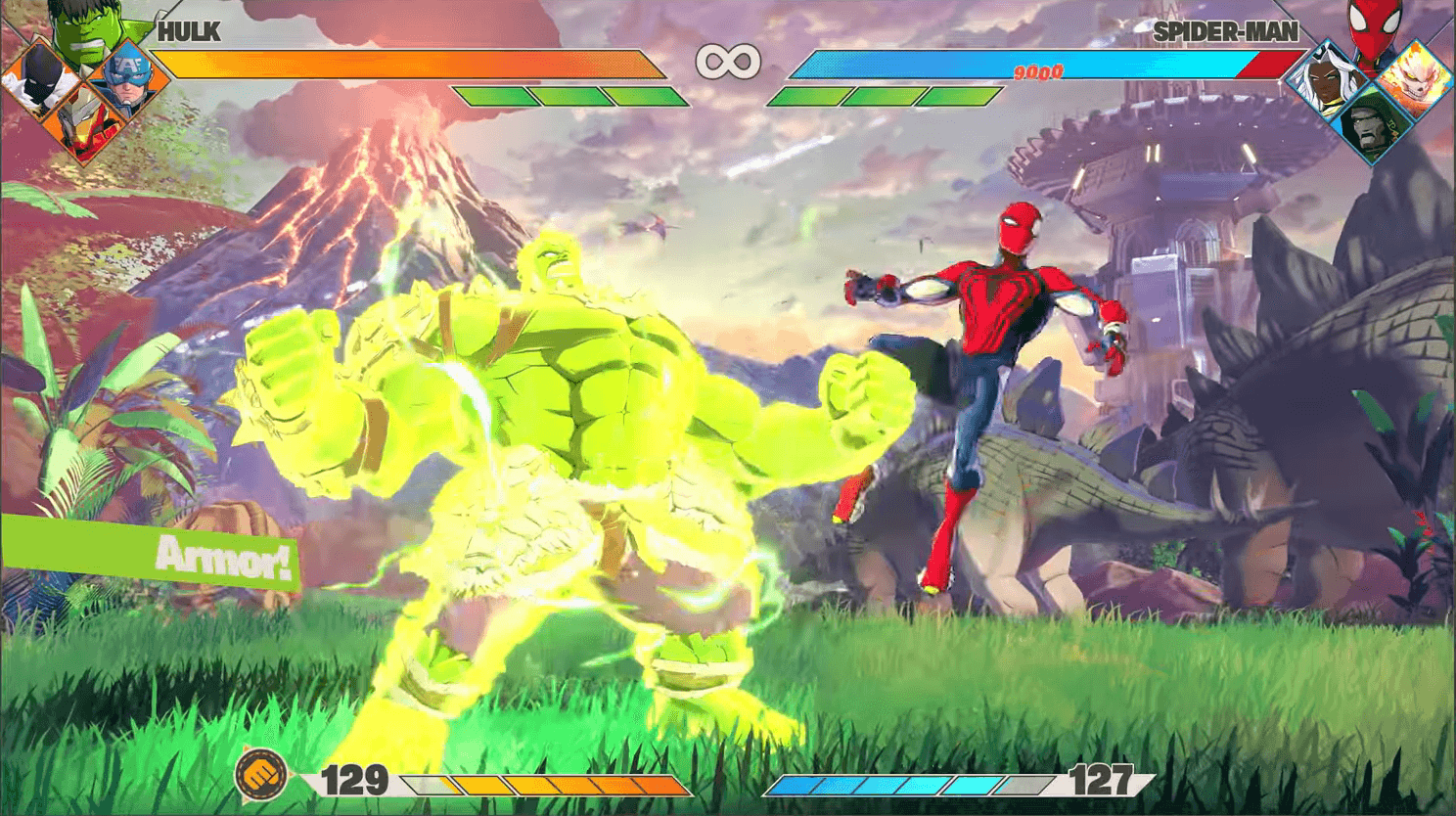
Gamma Rage is not just a damage buff. The armor loading on Hulk's specials becomes severe enough that opponents can't simply trade hits with him and expect to come out ahead. You're looking at a window where Hulk can push offense through most defensive responses, with throws being the primary reliable answer.
This creates a clear priority shift once Gamma Rage is active: get in, stay in, and force the opponent to make difficult decisions under pressure. Characters without reliable grab options will find themselves in a genuinely bad spot trying to stop Hulk's momentum during this state.
Marvel Tokon: Fighting Souls Hulk Guide: Best Tips & Combos
Hulk's mobility limitations are real. He's a big-body character, and opponents who understand that will try to keep him at range and chip away with projectiles. The Clap handles projectile denial, and the Armored Charge gives him a way to close distance against characters trying to zone him out.
The bigger picture in neutral is resource management. Every armored move Hulk throws out is a potential Gamma Gauge charge, so neutral isn't just about winning exchanges, it's about building toward Gamma Rage. A Hulk player who reaches Gamma Rage two or three times per round is playing the character correctly.
Notably, Hulk lacks command grabs, which is a meaningful absence for a big-body character. His pressure game relies on armor and the threat of Gamma Rage rather than the mix-up potential that command grabs would provide. Keep that in mind when thinking about how to open opponents up.
Follow-up attacks extend combos
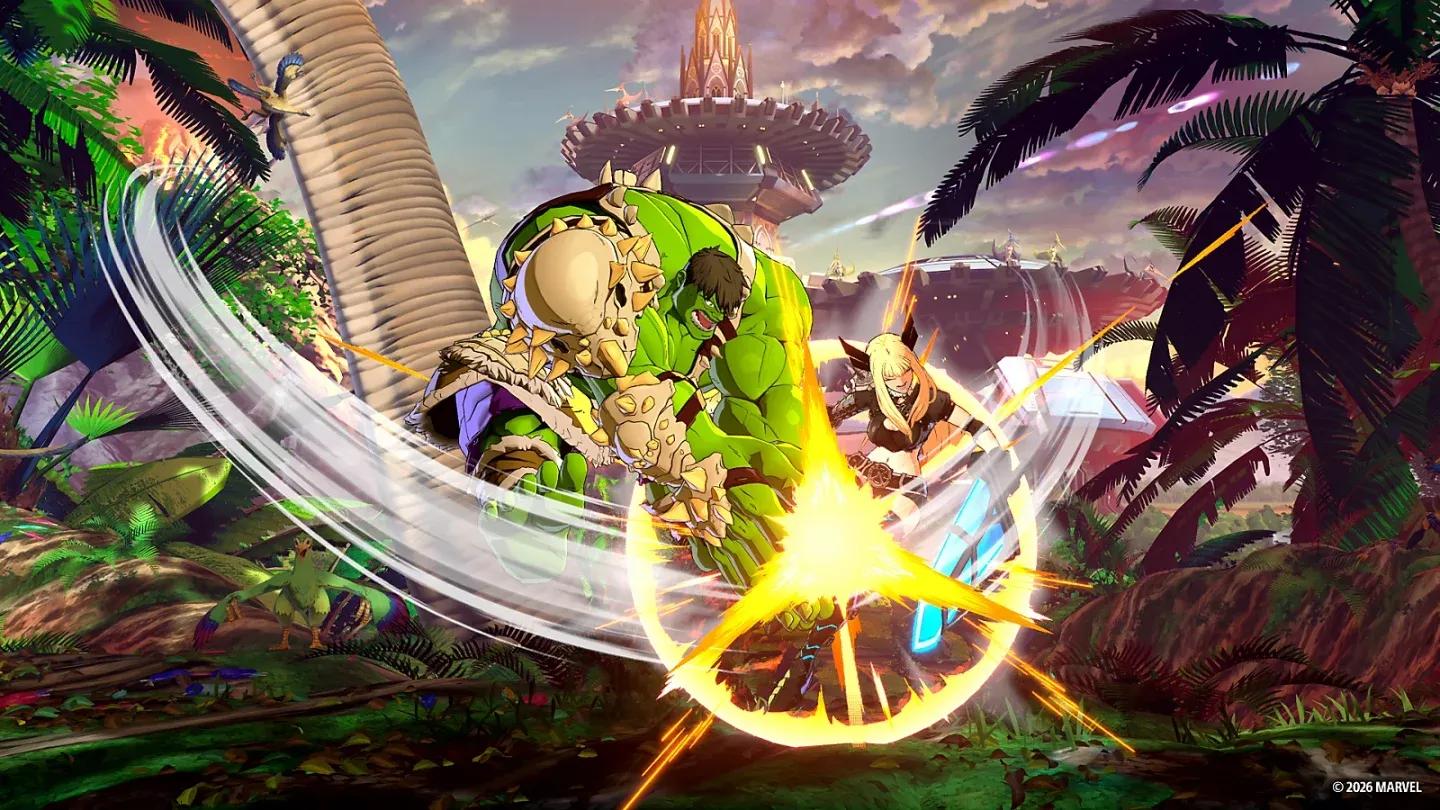
The follow-up system attached to Hulk's specials is where the character gets genuinely interesting for players willing to put in lab time. Because almost every special can chain into a follow-up, you have options to extend pressure or pivot into different combo routes depending on how the opponent reacts.
The practical value here is surprise. Opponents who haven't seen your Hulk before won't know which specials have follow-ups or when you'll use them. That uncertainty is an advantage. Using a follow-up unexpectedly mid-combo can extend damage; holding it back can reset to neutral in a way that catches opponents pressing buttons.
For new Hulk players, the Marvel Tokon: Fighting Souls beginner's guide covers the chain combo and Skill Gauge systems that apply across the whole roster, which is worth reading before you go deep on Hulk-specific routes.
Hulk sits in a familiar space for big-body fighting game characters: strong damage output, threatening close-range presence, and a unique power-up mechanic that rewards commitment. The Gamma Gauge system gives him a clearer win condition than many big bodies, since you're always working toward a defined goal rather than just trying to land one big hit.
Compared to characters like Wolverine or Magik, Hulk demands a different kind of patience. You're not looking for fast combo starters or teleport mix-ups. You're grinding out gauge, surviving at range, and waiting for the moment to go in. If that style appeals to you, check out the Wolverine tips and combos guide to see how a more aggressive rush-down character handles the same game systems.
For more character guides and strategy content across the full roster, the Marvel Tokon: Fighting Souls guides collection has you covered.