

Biggest discounts, free games, and limited-time offers across every major gaming store.
Never pay full price again.
You should try the game yourself, bub.
Marvel's Wolverine arrived with enormous expectations and, honestly, a slightly unfair burden. After three Spider-Man games that set a high bar for superhero action on PlayStation, anything Insomniac made next would be measured against some of the best games in the genre. It also doesn't help that Sony's made some terrible public decisions over the past few months, which translated into a pretty negative pre-release reception on social media. Wolverine is not Spider-Man. Insomniac is not the company cancelling our physical game discs. And once you accept those two simple, yet obvious facts, this linear story game actually turns out to be pretty good.
Gameplay
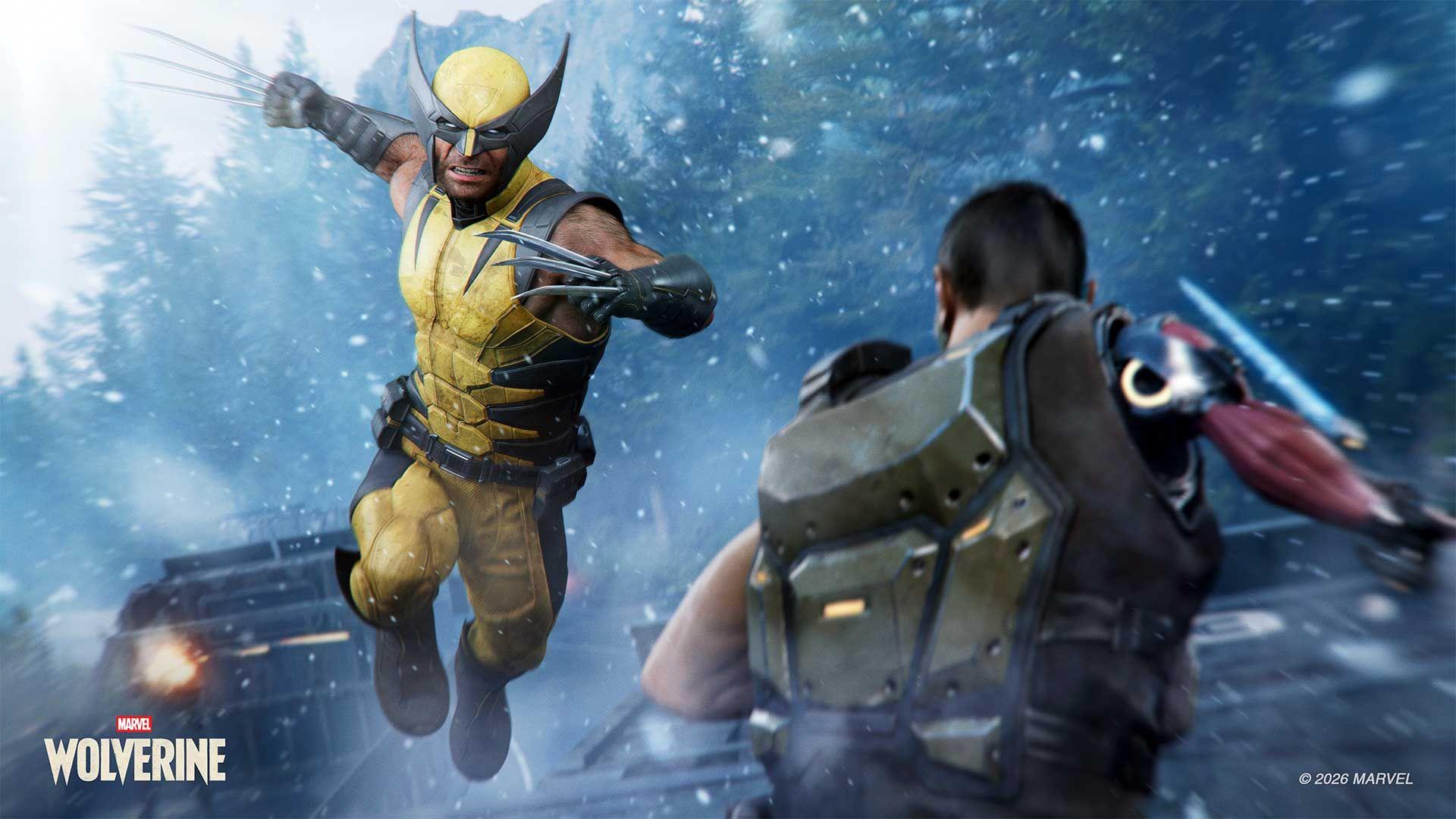
First things first, if you're expecting an Insomniac classic open-world, free-roam city to swing through, you won't find it here. Marvel's Wolverine is a linear, cinematic action game, closer in structure to Uncharted than to the open-world Spider-Man titles. Chapters move you through set pieces, fights, and story beats at a deliberate pace.
The gameplay loop centres on Logan's core identity: get close, slash around, take a hit, heal up, do it all over again. The claw combat is genuinely satisfying, and the abilities are reminiscent of the studio's Spider-Man formula. Finishers are brutal and up-close, and it's definitely much goreier than Peter Parker's ever been. For a Wolverine comic fan, it feels like the developers asked, "What would it actually feel like to be Wolverine?" and built backwards from the answer. The ability tree gives you enough variety to make each playthrough feel slightly different, mixing berserker rage moves with more tactical options.
That said, the combat starts to show its ceiling around the midpoint of the game. The enemy variety doesn't quite keep pace with the move set, and by hour 10 or so you're solving most encounters the same way. It's still fun to hack and slash around, but the back half leans harder on story to carry the weight. The game runs roughly 15+ hours depending on how thoroughly you explore side content and challenges. If you're chasing the platinum like me at the moment, our Marvel's Wolverine trophy list guide covers everything you need for 100% completion.
Now let's address the elephant in the room: The difficulty conversation online has been louder than it deserves to be. Yes, Wolverine is not a punishing game. It's not a soulslike, and it was never trying to be. The design prioritizes story immersion while maintaining pretty smooth combat, and there's nothing wrong with that. Not every game needs to be a test of endurance or punishing. To judge it fairly, you need to compare it with similar linear, story-based games.
For context, 007 First Light is reflected on quite favourably, and it's practically the same thing in terms of one linear path, plenty of cinematic cutscenes, and very little flexibility to pick your path forward through set chapters. The game was also $70 at launch and cost around $200 million to make, but for some reason (Sony pissing everyone off recently with their digital-only BS), now everyone's analyzing the game launch price and studio budgets.
The issue with most negative reviews circulating online is they fixate on the game being “too easy” and designed for “dumb people” or children. Most seem to ignore the fact that the game has difficulty settings which can be quite punishing in combat, especially boss fights - and that most accessibility settings designed to make the game… you know… more “accessible”, can actually be turned off in the settings menu.
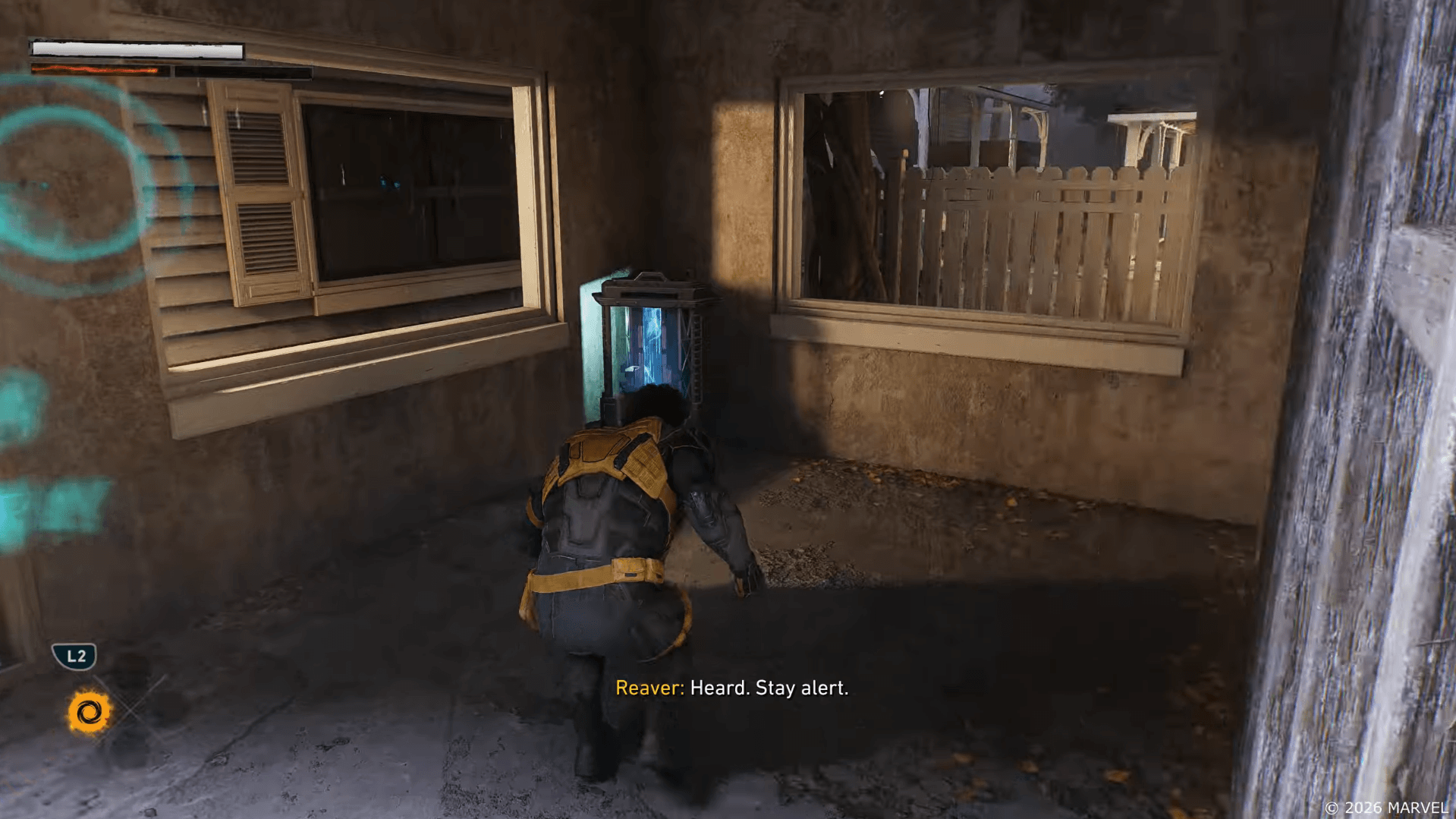
As for the blue scent trail, which is the equivalent of Spiderman's spidey senses that no one ever complained about… you can only appreciate how the studio stayed true to the source material and tried to visualize what that ability might look like, much like his berserker bloody only-see-red mode, to help Logan sniff his path forward or find himself some whiskey.
Graphics and audio
Insomniac's technical output on PS5 remains strong. Wolverine looks sharp, with detailed character models and environments that hold up in both the cinematic sequences and the messier combat arenas. The gore system, which lets damage and blood accumulate visibly on Logan during fights, and even his real-time visual healing (the nanotech regenerating suit was a clever touch), add a lot to the moment-to-moment feel.
Audio is another area where the game genuinely stands out. Liam McIntyre brings a version of Logan that's quieter and more worn-down than most portrayals, and it works. Krizia Bajos as Jean Grey holds her own, despite what the internet wants to say about her visual design; but the performance that runs away with the whole game is Troy Baker as Nathaniel Essex (not really a surprise).
Baker plays Essex with a specific theatrical menace that makes you lean in every time he appears on screen. The score supports the tone well, leaning into something rawer and more grounded than the orchestral norm of the Spider-Man games.
Story
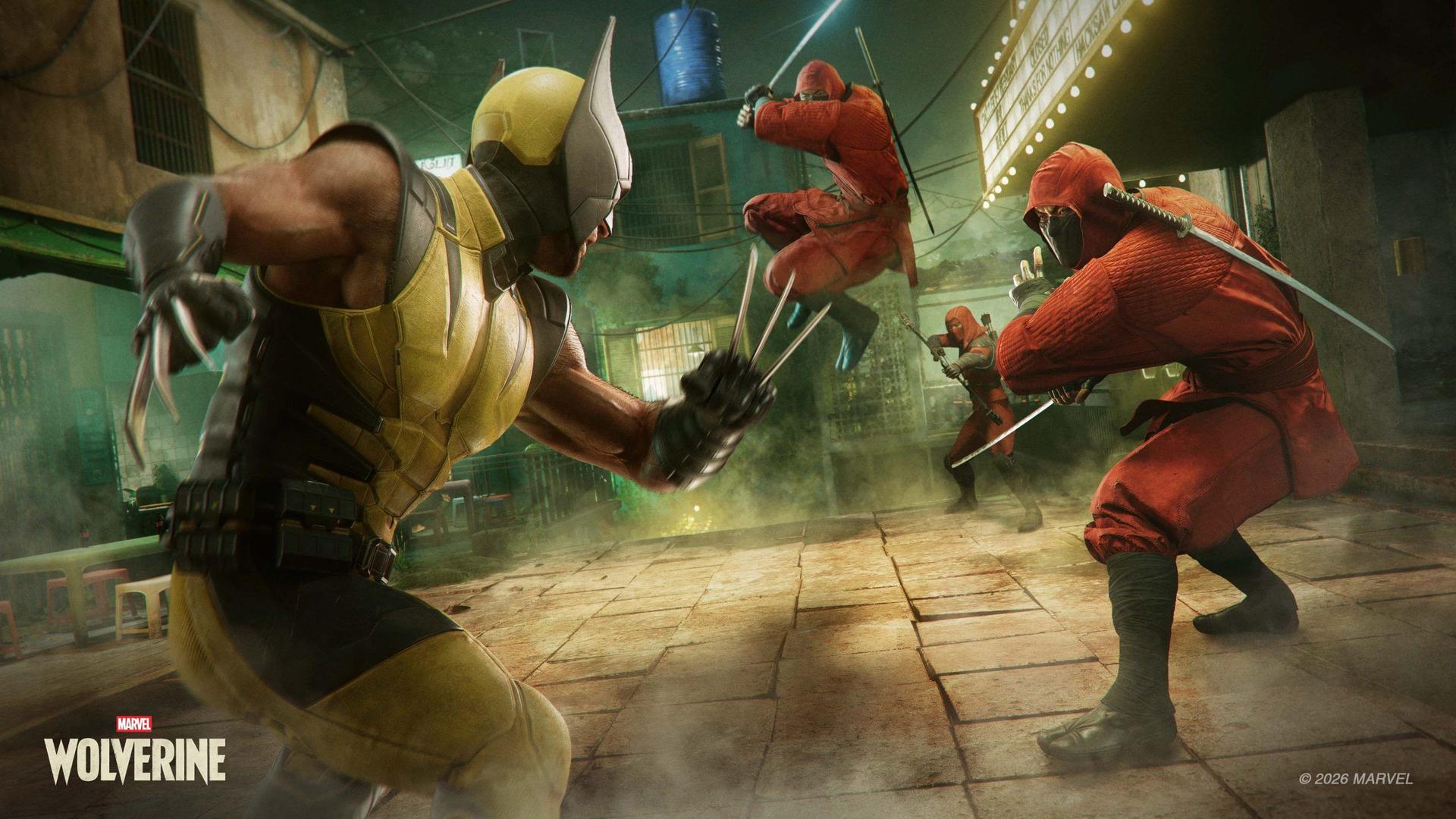
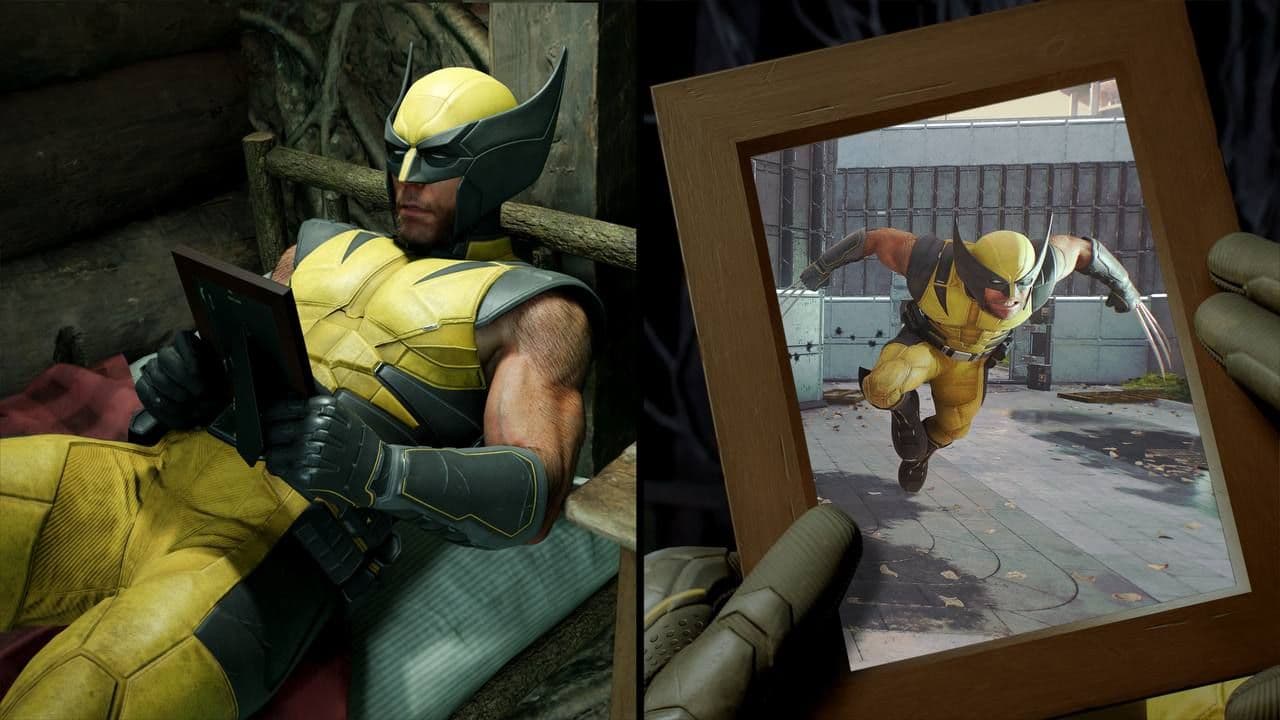
This was probably my favorite part about Wolverine - which is what you'd like to say about a story-based game. Insomniac tells an original story here that focuses on Logan's humanity rather than his reputation as a killing machine. This Wolverine is grounded, and genuinely compelling to follow. McIntyre's performance gives you a young, angry but evolving Logan (not just in the mutant way).
The structure follows a familiar pattern: cutscene, exploration, fight, boss. It's formulaic, yes, but the game doesn't really try to hide that. Some chapters feel more inventive than others in how they mix those elements, especially with a mixture of stealth moments that remind comic fans this is a ninja after all, but the template is always visible. That predictability is probably the game's biggest structural weakness from a newcomer perspective. The story beats are strong enough to keep you invested, but the delivery mechanism gets repetitive toward the end-game.
The twists land. Without specifics, the narrative takes Logan somewhere unexpected and earns the emotional payoff it's building toward. For a franchise with decades of comics to pull from, Insomniac made smart choices about which parts of Wolverine's story to lean into. If you're expecting deep X-Men storytelling, heads up - this is primarily Logan's story. Other characters appear and play a role, but the focus stays tight on him throughout.
Verdict
Marvel's Wolverine is exactly the kind of game it set out to be: a cinematic, character-driven adventure game built around one of Marvel's most compelling and beloved characters. It doesn't have the depth of Spider-Man 2 or the open-world scale that fans of Insomniac's prior work might expect, which they told us it wouldn't all along. What it has instead is a focused story, a genuinely great lead performance, and combat that feels right for the character and lets you truly feel like you “are Wolverine”.
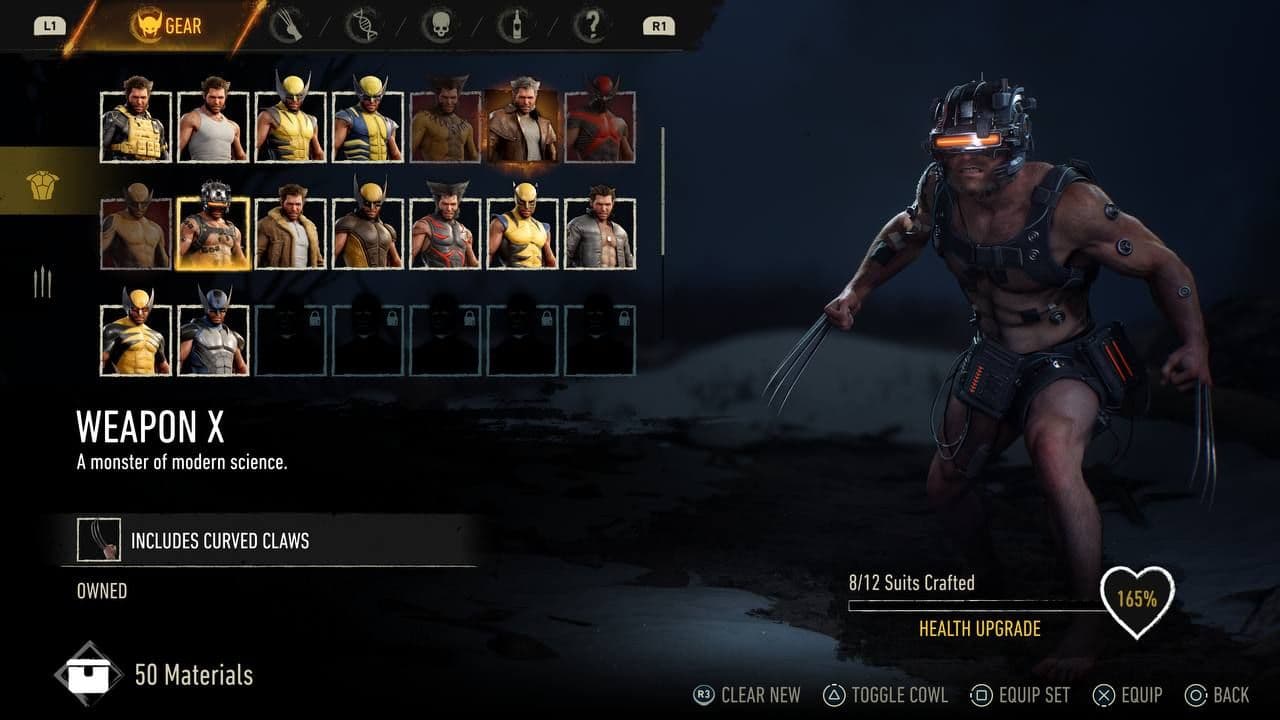
For DPS Wolverine players in Marvel Rivals, this will feel like heaven with familiar combos, plenty of suits to choose from, and an arsenal of abilities to make the gameplay even more fun. If you're expecting 50+ hours of gameplay, mechanical depth, open-world freedom, and a challenging test of endurance, this game probably isn't for you.
Just remember, you can be angry at Sony for their recent decision-making fiasco, but you can also acknowledge that Marvel's Wolverine is still a solid linear story game. If you're a Wolverine fan, a Marvel fan, or someone who appreciates a well-told story over a 40-hour grind, this is worth your time. For everyone else, spending a weekend with Logan is a good way to spend a weekend. For more on what to expect from the game's structure and content, our full Marvel's Wolverine guides collection has you covered.