Overview
Melvor Idle 2: A RuneScape Adventure is a single-player incremental RPG developed by Games by Malcs and published by Jagex. The sequel builds on the original's RuneScape-inspired approach to character development, combining linked skills with combat challenges and a more prominent role for quests.
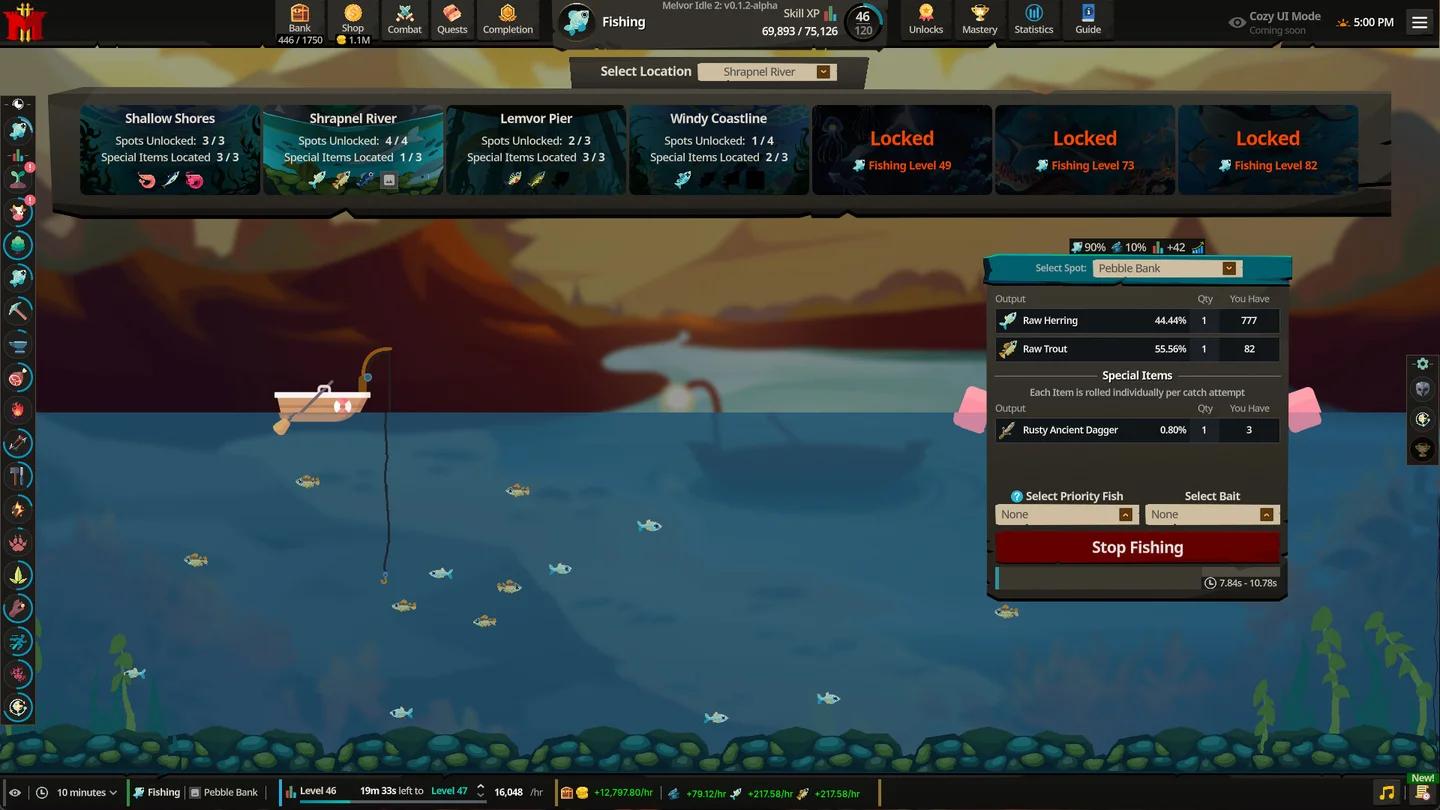
Progress centers on deciding what to train and how to prepare for the next challenge. Its idle structure puts long-term planning ahead of constant input, while revised graphics, animations, and audio give familiar activities a new presentation.
How does skill progression work?
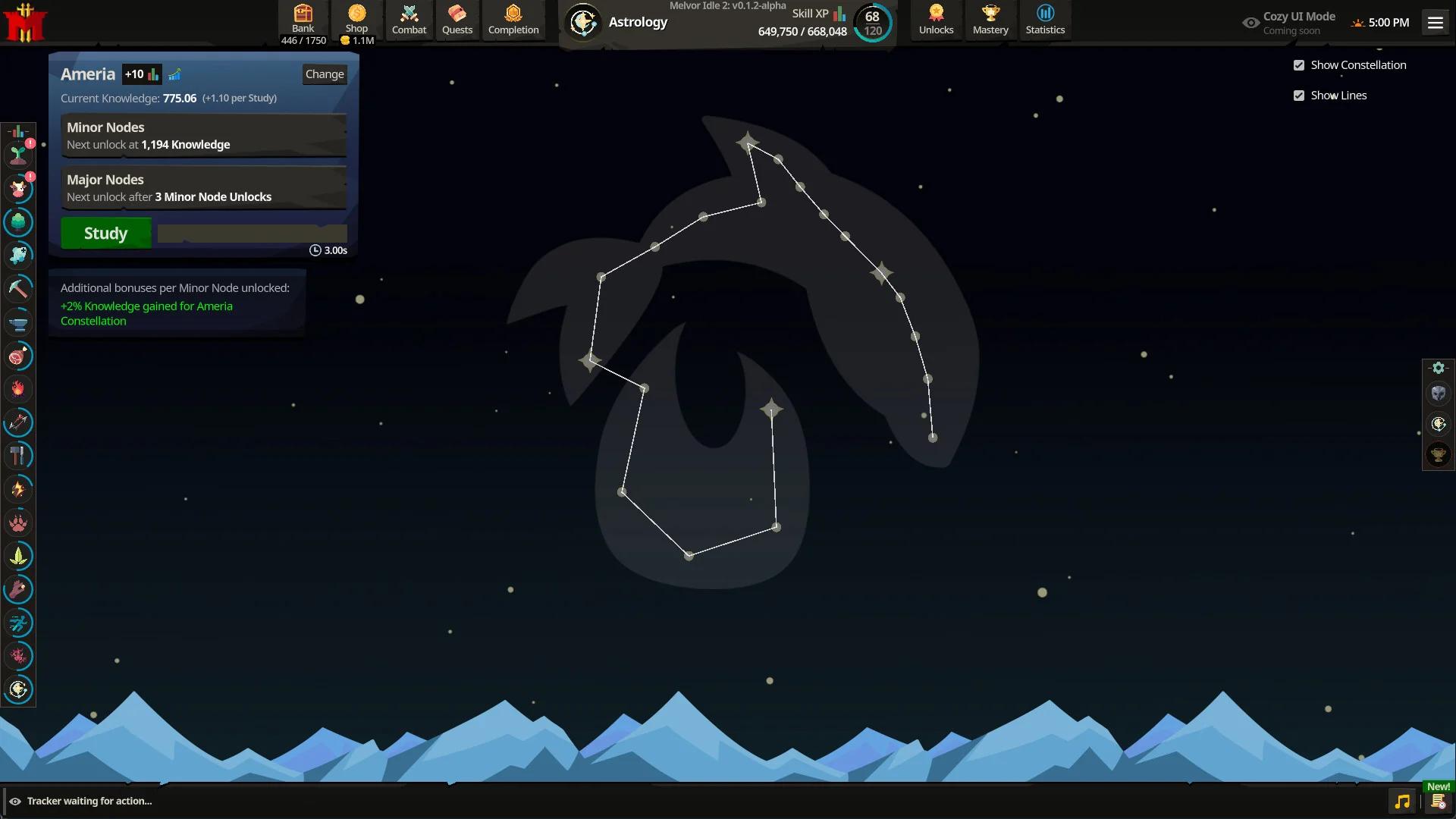
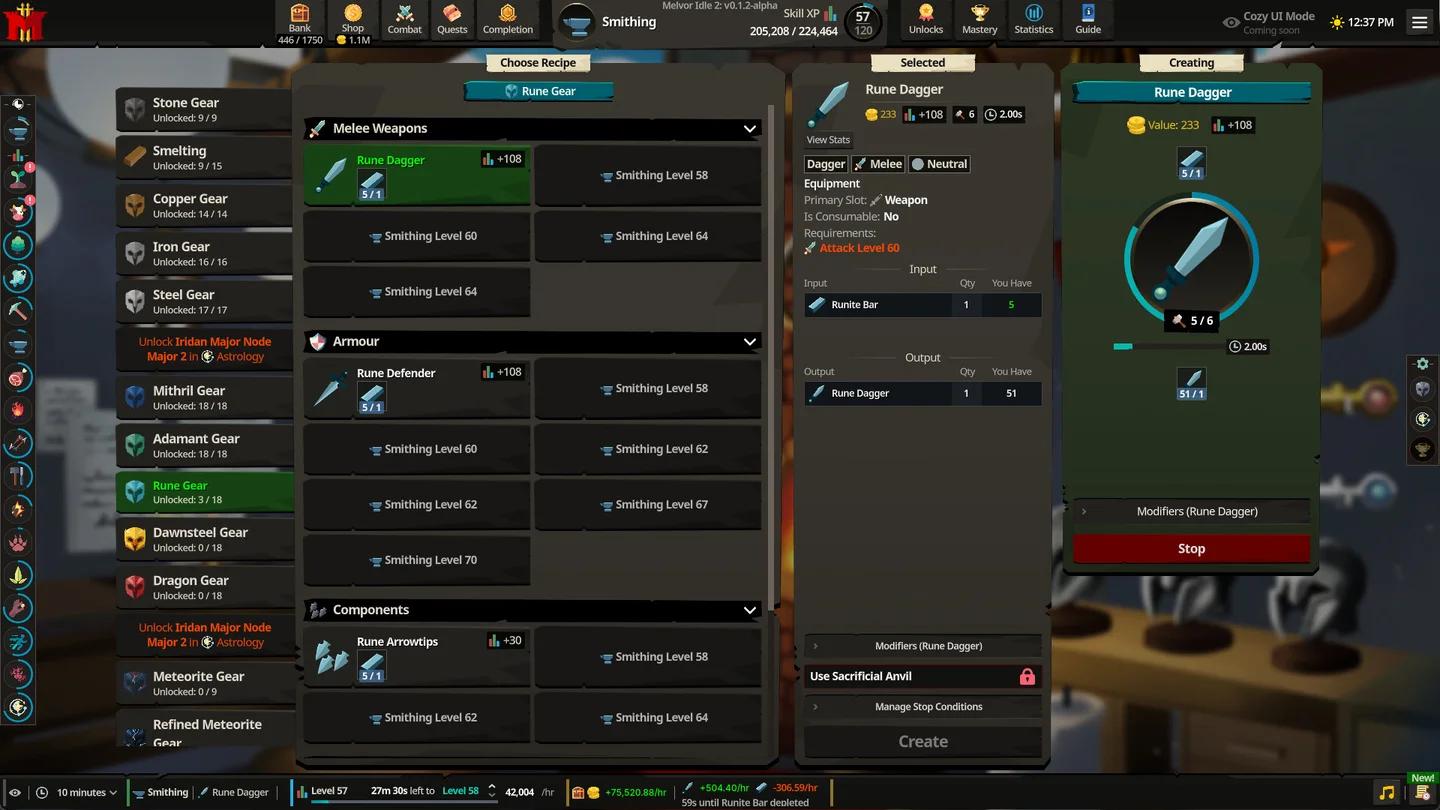
Melvor Idle 2 features 25 interconnected skills, each with a maximum level of 99. Training one skill can benefit others, making the order of development part of the strategy. The roster combines new skills with returning disciplines such as:
- Woodcutting
- Smithing
- Cooking
- Farming
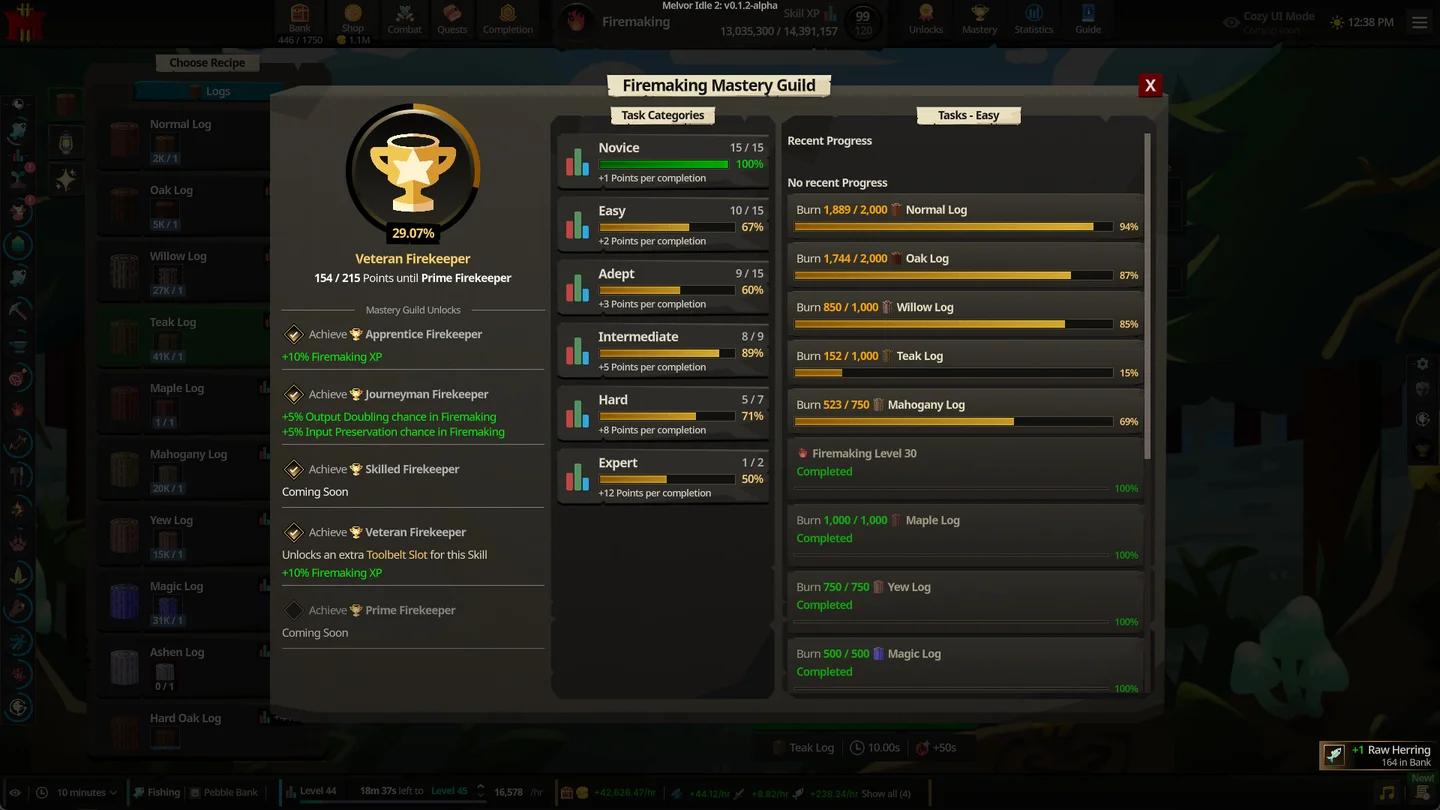
Mastery Guilds rework the original game's mastery system and apply across every skill, including combat. Character development extends beyond the individual activities that make up the training routine.
Offline progression runs at the same speed as active play. The practical decision is which activity deserves that time when several connected goals compete for attention. A useful training choice can keep contributing between sessions without requiring repeated input.
Combat, quests, and Melvor's world
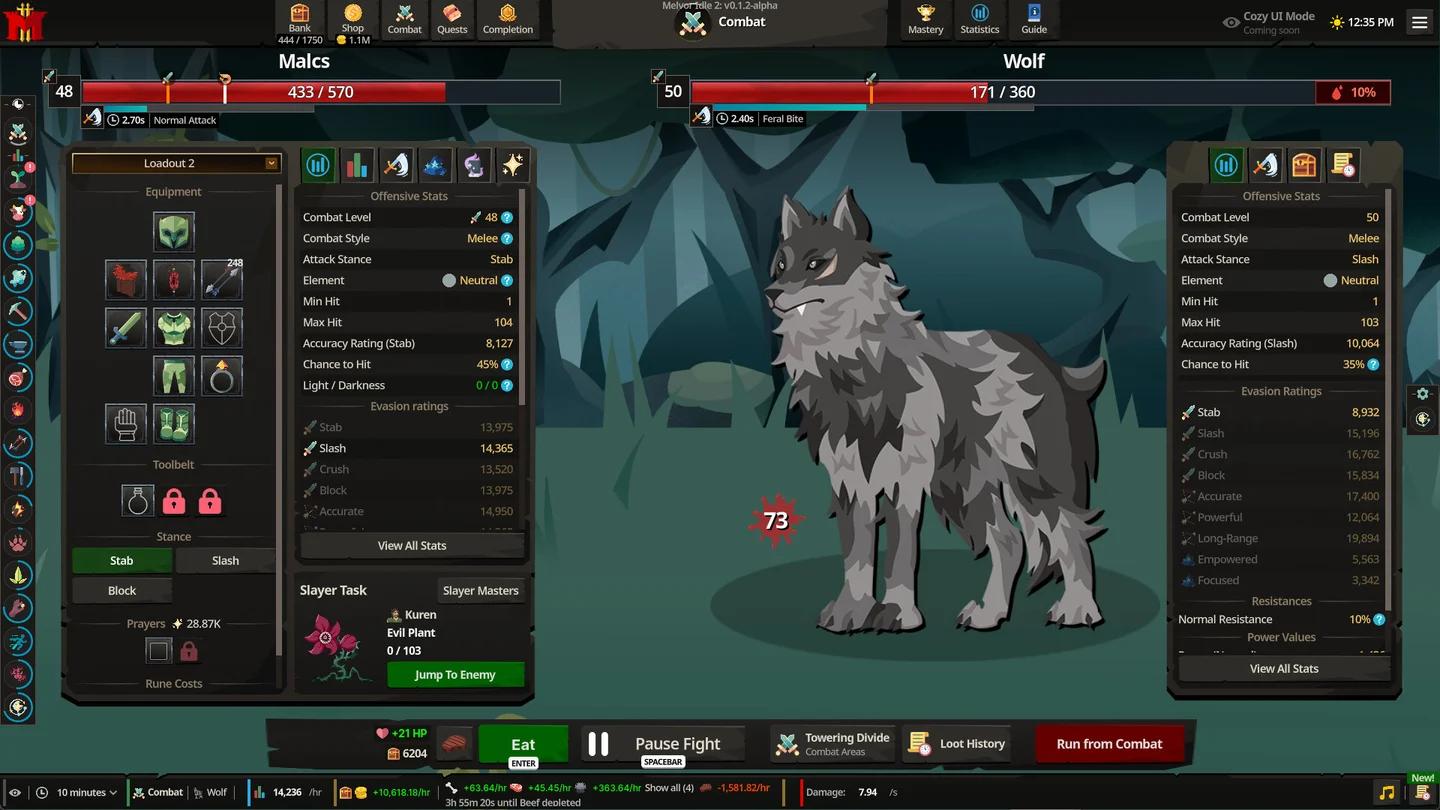
Combat uses Melee, Ranged, and Magic against monsters, dungeon encounters, and bosses. The sequel updates the familiar combat system with mechanics that add strategic decisions. Character preparation remains central to taking on these challenges.
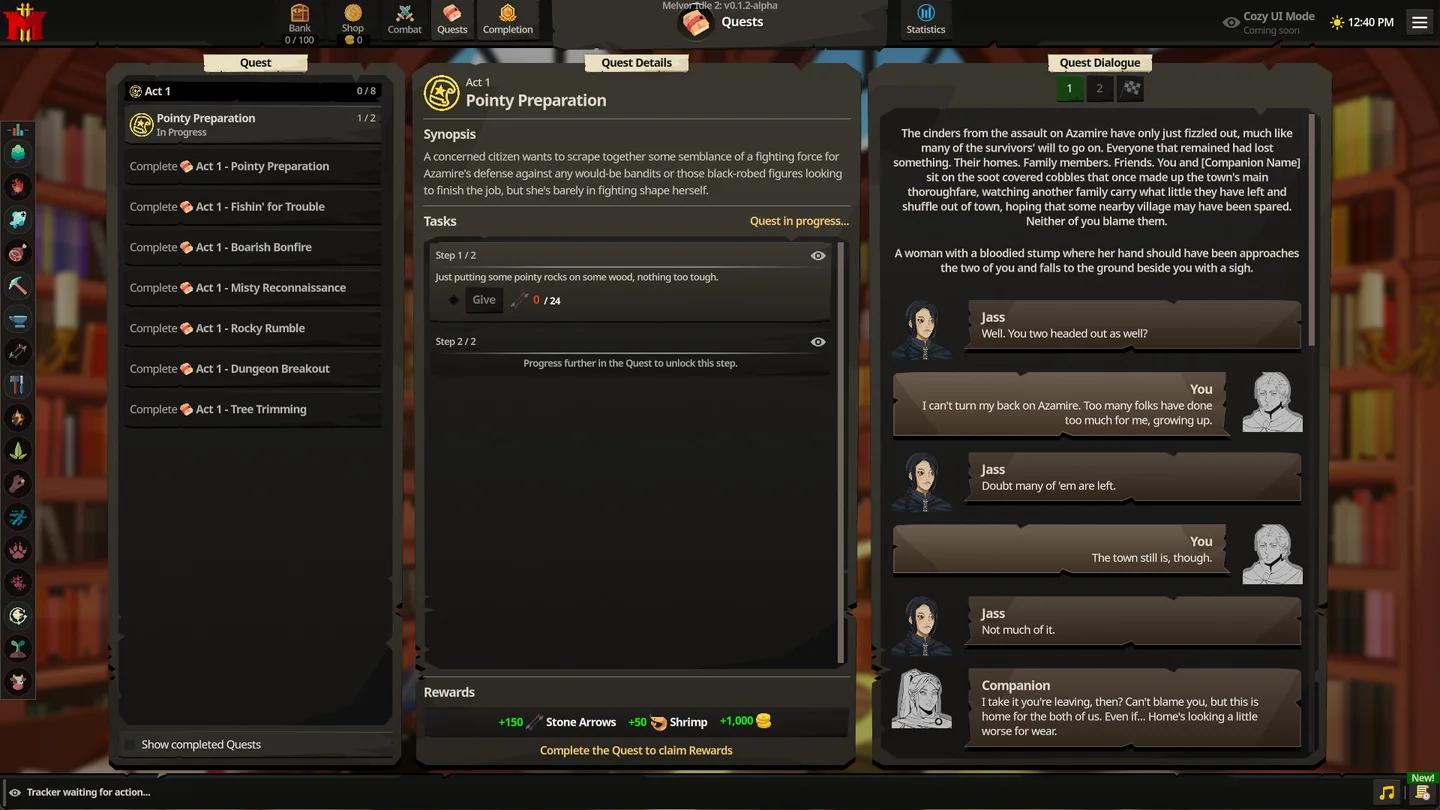
Story-driven quests explore Melvor's history through an effort to save the world from devastation. Dedicated quest bosses provide combat challenges, while unique skilling content brings non-combat training into the narrative. Quest progression draws on both sides of character development instead of treating the story as a separate activity.
A customizable day/night cycle and weather system add atmosphere to the setting. These visual touches accompany the training and battles without being presented as survival systems or additional resources to manage.
Tools for managing an idle adventure
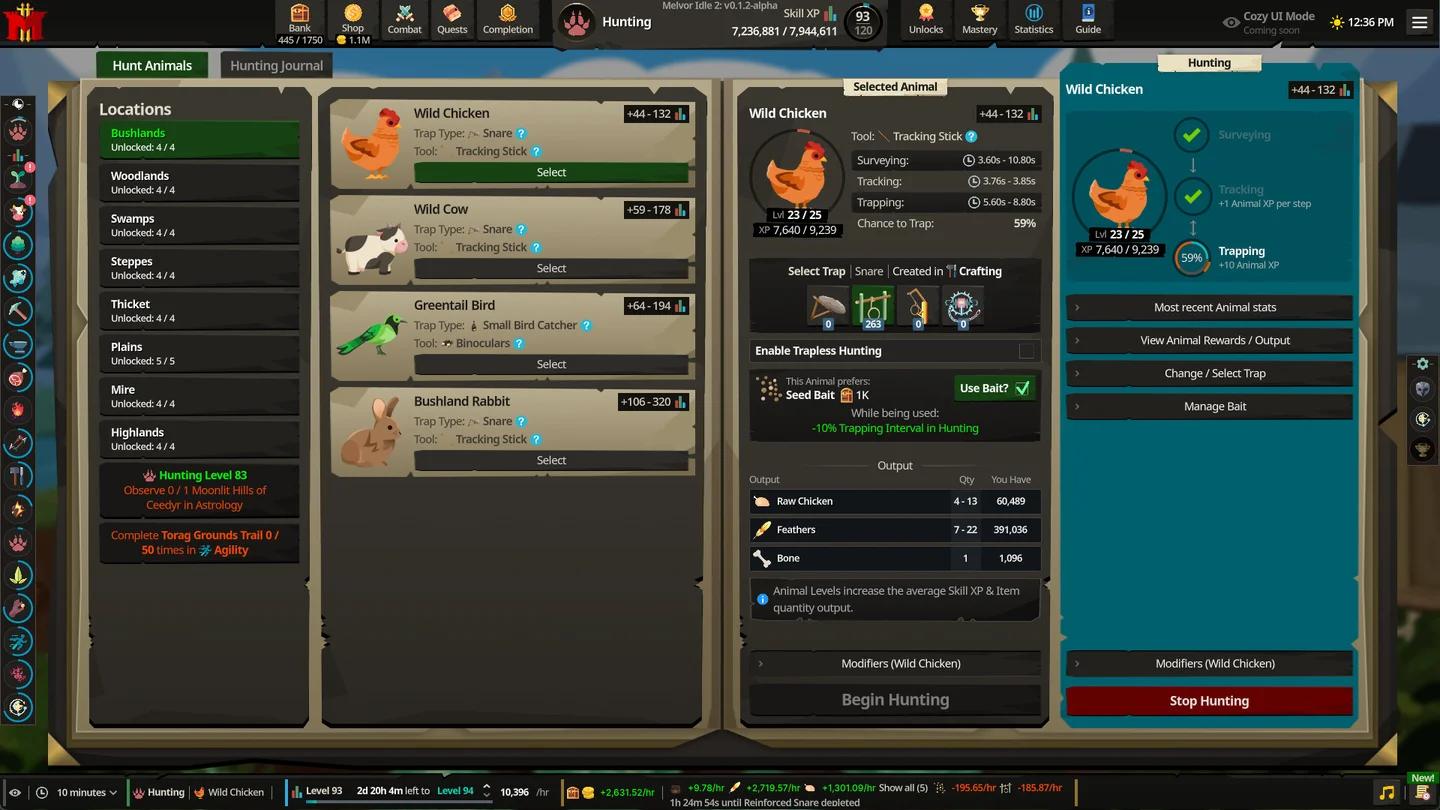
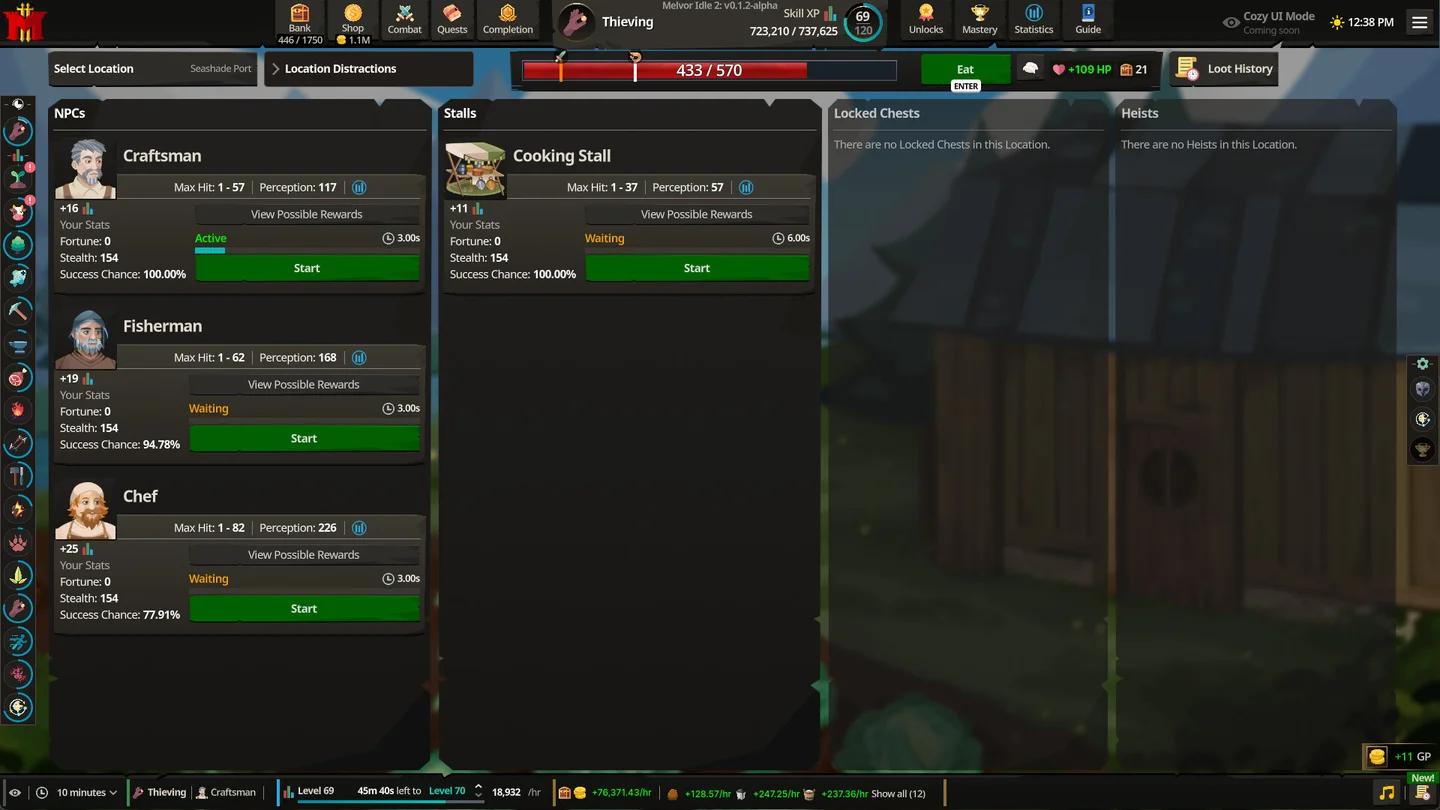
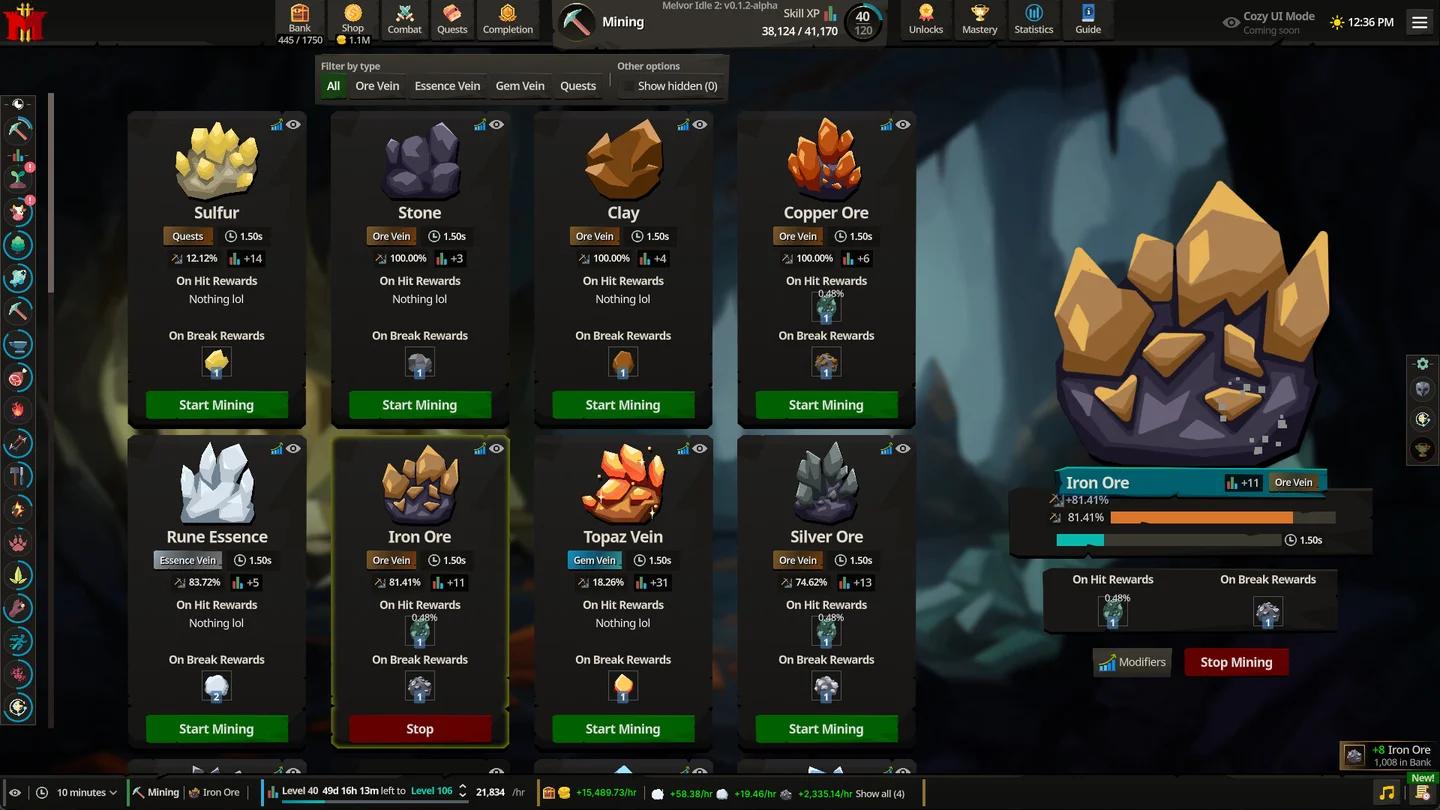
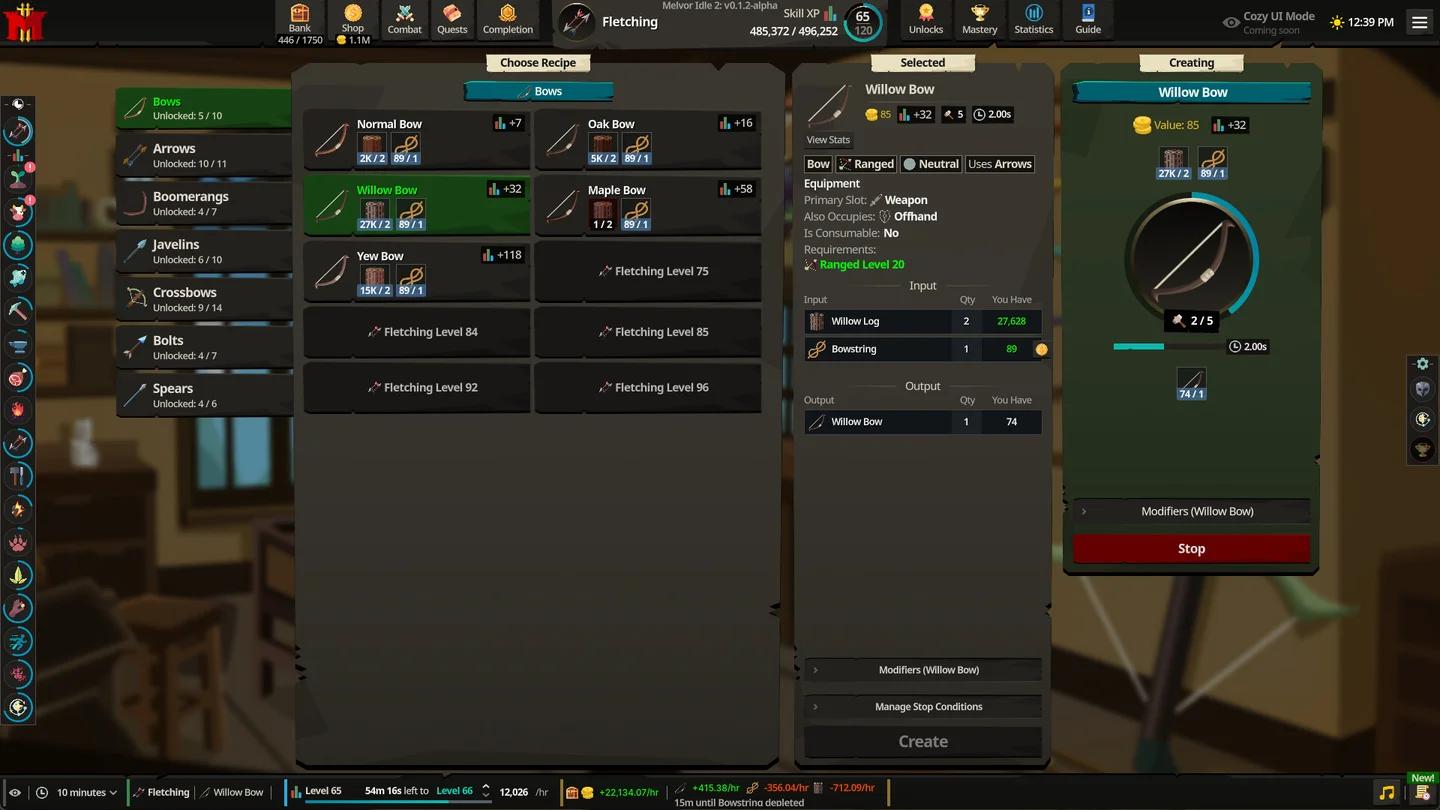
Current Action Tracking displays hourly figures for the selected activity, including skill experience, items consumed and gained, and combat statistics. These readouts make resource costs and output visible while an action runs, supporting more informed training choices.
The Event Log records milestones, item notifications, and offline progression breakdowns. Returning to a session includes a record of notable events, reducing reliance on catching individual notifications as they appear.
Bank management adds item placeholders, tagging, keyboard shortcuts, and custom tab names. Equipment sets also support names, and an updated equipping menu is accessible from combat. These controls help organize a growing collection and keep loadout changes close to the battles that need them.
Cloud saving supports continuity between sessions. The Presence feature shows how many other players are training the same activity, adding a small social element to the individual progression loop. The base game contains no microtransactions, leaving this idle RPG's advancement centered on training decisions, equipment management, and combat preparation.