

Overview
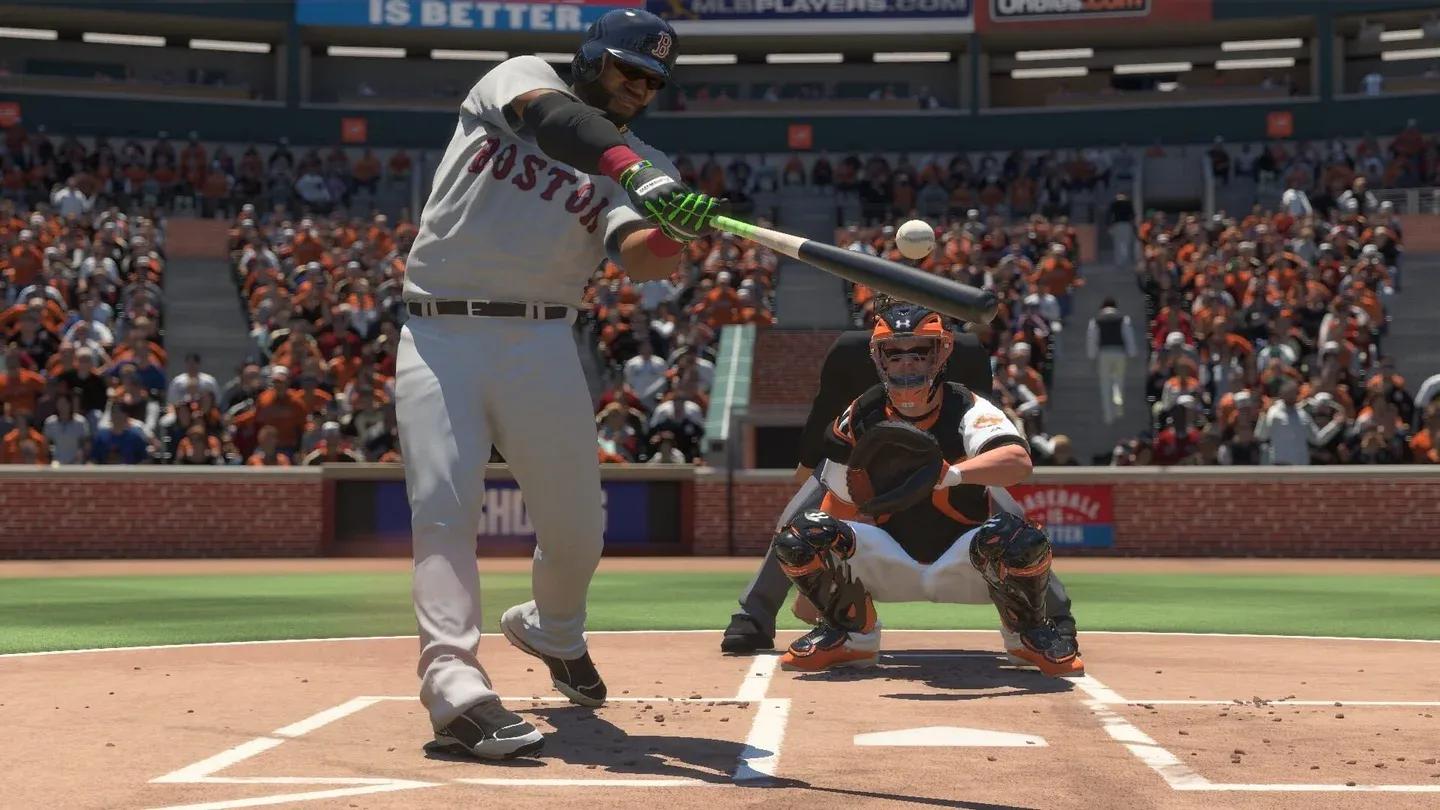
MLB The Show 16 stands as one of the most meticulously crafted baseball simulations ever released on PlayStation. SCE San Diego Studio pushes the boundaries of sports game authenticity, building a living, breathing recreation of Major League Baseball that rewards both casual fans and hardcore enthusiasts. Every element, from individual player fatigue to locker room morale, connects to form a cohesive and deeply satisfying sports experience.
The attention to detail here is genuinely remarkable. Pitcher fatigue is not merely a cosmetic stat sitting in a corner menu; it actively influences ball trajectory, velocity, and command as the innings progress. A starting pitcher who has thrown 100 pitches in sweltering heat behaves differently than one fresh off the bullpen, and the game communicates that distinction with impressive clarity. This systemic depth elevates every decision a manager makes into something that carries real consequence.
Gameplay and Mechanics: What Makes Every At-Bat Matter
MLB The Show 16 answers a question many sports games struggle with: how do you make individual moments feel meaningful within a long, 162-game season? The answer lies in interconnected systems that constantly feed into one another.
Key gameplay pillars include:
- Pitcher fatigue tracking across outings
- Team morale influencing seasonal performance
- Multifaceted player scouting and evaluation
- Customizable gameplay difficulty and controls
- Authentic MLB and MiLB roster integration
The batting system demands timing and situational awareness, while pitching requires managing pitch counts and reading batter tendencies. Neither system overwhelms newcomers, yet both offer enough nuance to keep experienced players engaged deep into a franchise run. The balance between accessibility and depth is one of the game's most commendable achievements.

What Does Team Morale Actually Change in MLB The Show 16?
Team morale functions as a dynamic performance modifier that responds to wins, losses, individual player milestones, and front-office decisions. A squad riding a winning streak performs with noticeably sharper execution, while a demoralized roster shows cracks in situational hitting and late-game defense. This system transforms roster management from a statistical exercise into something that feels organic and emotionally resonant.
Scouting complements morale by adding a forward-looking dimension to team building. Identifying prospects through a layered evaluation process requires weighing raw tools against developmental potential, and the system remains approachable without sacrificing the complexity that franchise enthusiasts expect.
Content and Replayability
MLB The Show 16 offers multiple game modes that cater to vastly different playstyles. Franchise mode provides the full front-office simulation experience, while Road to the Show allows players to guide a single created player from the minor leagues toward MLB stardom. The variety ensures that no two players approach the game the same way.
[IMAGE]
Online multiplayer adds another competitive layer, giving players the opportunity to test their rosters and skills against others through PlayStation Network. The breadth of content across modes gives the game remarkable staying power across an entire baseball season's worth of play.
Conclusion
MLB The Show 16 earns its reputation as the benchmark for baseball simulation on consoles. Its interconnected systems, from pitcher fatigue to team morale and deep player scouting, create an experience where every game feels purposeful. Whether building a dynasty through franchise mode or living out a career in Road to the Show, this sports simulation delivers the kind of authentic, detail-driven gameplay that defines the series at its best.