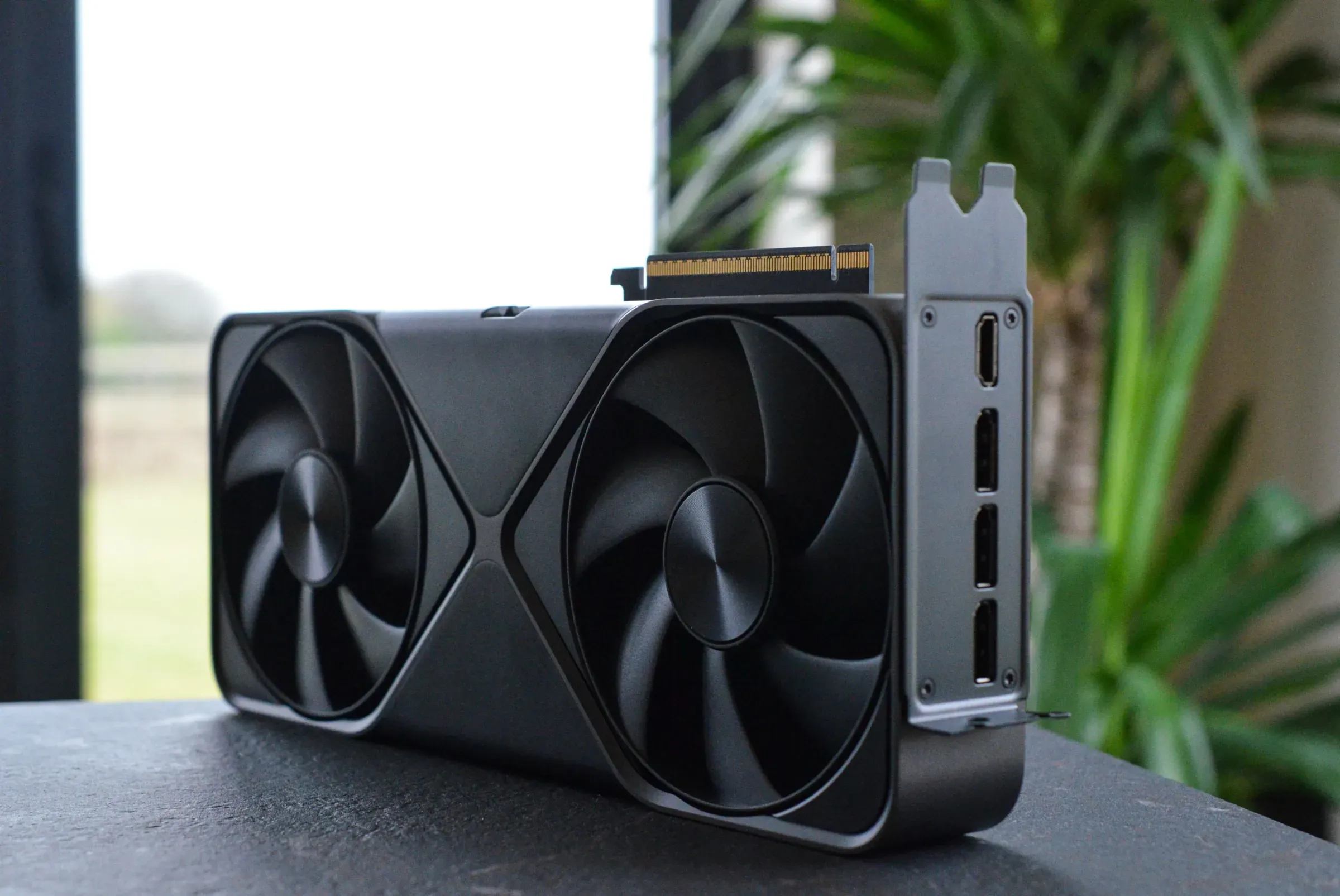


The GPU market has had a rough stretch, and it sounds like 2027 is not going to offer much relief. Prolific hardware leaker Kepler_L2 has posted on the Anandtech forums with a pointed claim: "AT2 is the only GPU getting released next year. Everything else from both AMD and Nvidia is 2028." That's a short sentence with a long list of implications for anyone hoping to upgrade their rig next year.

Use code TRYHARD33 at checkout to redeem this offer before code expires again.
Get 33% Off GAMES+ Subscription
What AT2 actually is
AT2 is the reported codename for the GPU destined for Xbox Project Helix, Microsoft's next-generation console that has been pegged for a 2027 launch for some time. The chip is expected to sit in the mid-range tier of AMD's RDNA 5 lineup, not the top of the stack. So the one new GPU we'd be getting next year would be a console-launch-driven mid-ranger, not a headline-grabbing flagship.
For context, AMD's rumoured high-end AT0 (codenamed 'Alpha Triton 0') is said to pack 96 compute units and target performance around Nvidia's RTX 6080 level. Under Kepler's scenario, that card gets pushed entirely to 2028, along with most of the rest of both AMD and Nvidia's next-gen lineups.
Here's the thing: the global memory shortage is the root cause of all this. Memory-intensive products have either launched with steep price tags or not launched at all. With GDDR and HBM supply still constrained by AI infrastructure demand, there's little incentive for either AMD or Nvidia to rush mid-cycle refreshes or new architectures to market when they'd either sell at painful prices or in limited quantities.
Where Nvidia stands in all this
Kepler's claim puts Nvidia's Rubin architecture squarely in 2028 territory. That means no RTX 6090, no next-gen flagship, nothing new from the green team for the entirety of next year if the leaker is right.
Not everyone agrees. Hardware leaker Moore's Law is Dead has argued publicly that an RTX 6090 could still surface in 2027. Kepler's response to that was blunt: "he's wrong."
What about RTX 50 Super cards as a stopgap? Those have reportedly been cancelled anyway, a move that makes more sense when you factor in that Super refreshes were largely expected to offer improved memory configurations, which is exactly the component category currently in short supply. RTX Spark, Nvidia's Arm-powered laptop initiative, is moving forward, but that's a different product category entirely.
The leaker divide and what it means for buyers
Two well-followed hardware leakers looking at the same situation and reaching opposite conclusions is not unusual, but it does create a frustrating signal-to-noise problem for anyone trying to plan a PC build around next-gen hardware.
What most players miss in these leaker disputes is that both sides can be partially right. Kepler's framing explicitly covers "new" GPU architectures. Super refreshes, if they somehow survived cancellation, might technically fall outside that definition. The ambiguity is real, even if the practical outcome for most buyers is the same: 2027 looks thin.
For PC gamers sitting on current-gen hardware, the calculus is straightforward. The RX 9070 XT and RTX 5080 remain the performance benchmarks for the foreseeable future, and the next meaningful leap is likely an 18-month wait at minimum. If you're building or upgrading now, check the Forza Horizon 6 PC system requirements guide to see how today's mid-range cards stack up against one of the more demanding upcoming PC titles.
The console connection driving AMD's timeline
The Xbox Project Helix launch window is essentially the reason AT2 gets priority. Console GPU production runs are planned years in advance, and Microsoft's 2027 target gives AMD a fixed delivery date that PC-only products don't have. The mid-range positioning of AT2 makes sense from a console economics standpoint too: flagship silicon in a consumer console is historically rare, and a mid-range chip keeps the bill of materials manageable.
The knock-on effect for PC is that AMD's desktop version of the AT2 chip, if it follows the console launch closely, would represent the only new AMD GPU option until AT0 and the broader RDNA 5 stack arrive in 2028. For competitive gaming setups where squeezing out every frame matters, our PC graphics settings guide for The Finals covers how to get the most out of current hardware while the next generation takes its time.
The broader GPU market is effectively in a holding pattern, shaped less by engineering timelines and more by a global supply chain problem that neither AMD nor Nvidia fully controls. Keep an eye on memory pricing through the rest of this year. That's the real indicator of whether 2028 delivers the hardware refresh everyone is waiting for, or whether the wait stretches even further. For the latest hardware coverage and gaming news as it breaks, the guides hub has you covered in the meantime.