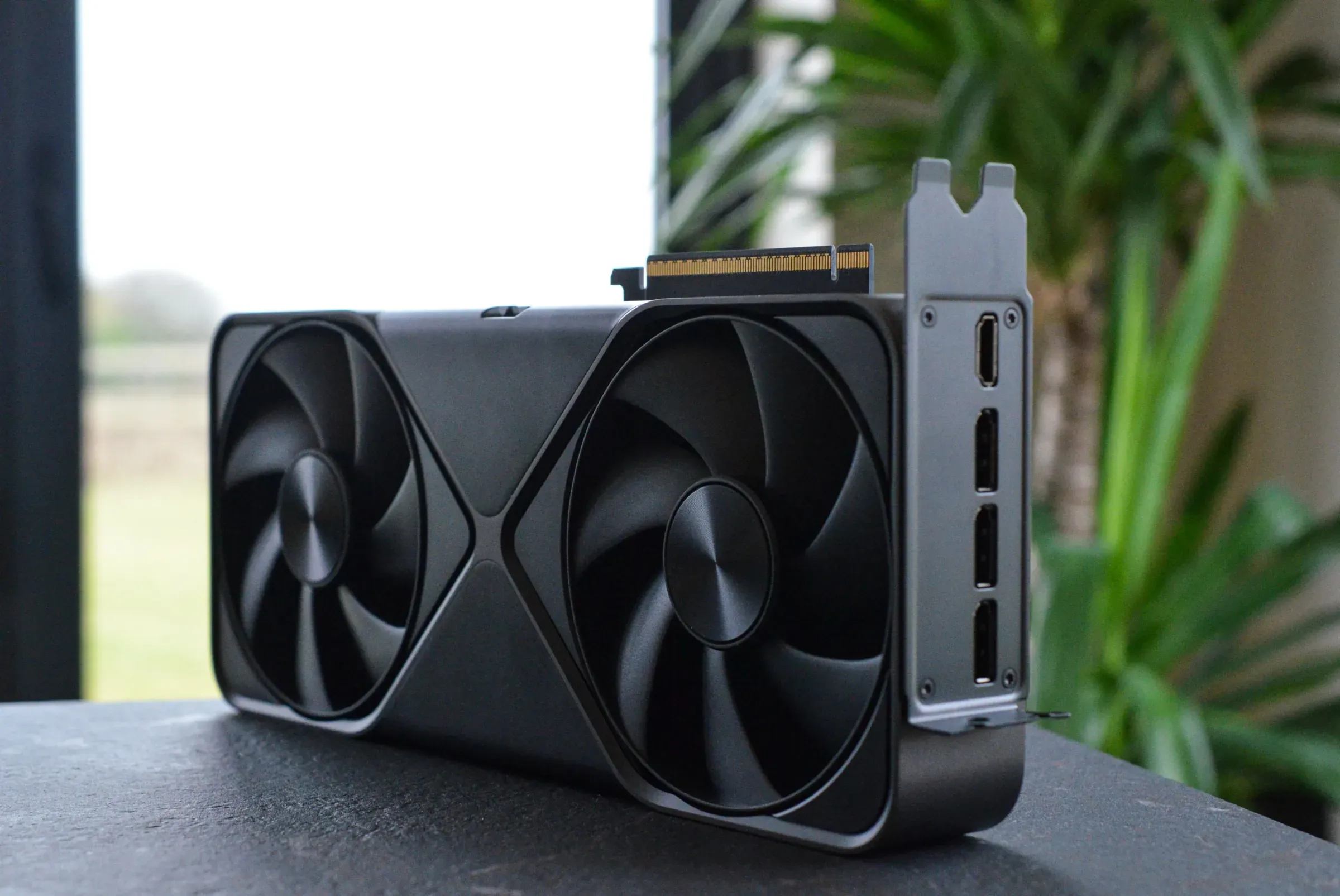


The Nvidia RTX 5090 has effectively vanished from major US online retailers, and what little remains is sitting in the hands of third-party resellers asking prices that would make your eyes water.
A Gigabyte Windforce RTX 5090 that was sitting at $5,700 on Newegg just last week has since jumped to $9,050 through a third-party seller. The same card is sold out on both Amazon and Best Buy. The cheapest new RTX 5090 currently findable is an Asus TUF variant, again from a reseller, sitting at $6,800. For a GPU with an official MSRP of $1,999, those numbers are genuinely hard to process.

Use code TRYHARD33 at checkout to redeem this offer before code expires again.
Get 33% Off GAMES+ Subscription
How we got from $1,999 to $9,500
The RTX 5090 has been overpriced since launch, but the situation has deteriorated sharply. Prices have climbed as much as 83% above MSRP over the past year, and the card briefly broke the $6,000 barrier before the current stock crunch pushed things even further. At one point, it was literally cheaper to book a flight to a gaming convention where Nvidia was selling cards at MSRP from a booth than to buy one online. That is not a joke. That is the market.
The key here is understanding who is actually buying these cards, and the answer is increasingly not gamers.
AI firms are buying RTX 5090s by the pallet
Images circulating online show RTX 5090 units being shipped in bulk pallet quantities, and the implication is hard to ignore. AI companies appear to be purchasing consumer gaming GPUs in volume, likely as a cheaper alternative to dedicated datacenter accelerators or the Nvidia RTX Pro 6000 lineup. The RTX 5090 is a consumer card, but its raw compute performance is compelling enough that AI firms are willing to stack them in server racks.
This is not entirely separate from the broader Nvidia story. Jensen Huang recently confirmed that 100,000 Nvidia GPUs were used to train OpenAI's GPT-6 Astra, with plans to quadruple that hardware count going forward. The specific cards involved in that training run are almost certainly not RTX 5090s, but the demand signal it sends ripples across Nvidia's entire product stack.
Nvidia's production priorities are shifting
Here's the thing: Nvidia may not be manufacturing fewer GB20x Blackwell chips overall. The more likely explanation is that an increasing share of that production is being redirected toward professional and workstation products, where margins are higher and enterprise clients are locked in. Fewer chips flowing toward gaming SKUs means fewer RTX 5090s on shelves, which means the resellers who do have stock can charge whatever they want.
High-end GPU demand is also genuinely up among consumers. Shipment figures from last quarter hit 12.5 million units in the high-end segment alone, suggesting that even at inflated prices, buyers exist. That demand, combined with constrained supply and AI bulk purchasing, is a perfect storm for anyone hoping to pick up an RTX 5090 at anything close to MSRP.
What this means for PC gamers right now
If you're building a high-end gaming rig and had your eye on an RTX 5090, the honest answer is: wait, or reconsider. Paying $6,800 to $9,500 for a gaming GPU is not a reasonable ask, regardless of how good the card is. The RTX 5080 and AMD's competing options are still available at prices closer to their intended retail points.
For games that push GPU limits hard, dialing in your existing hardware settings can go a long way. Our 007 First Light PC settings guide covers exactly how to squeeze the most out of cards from RTX 5070 all the way down to budget builds. If you're running something like Deep Rock Galactic: Rogue Core and want to lock in smooth performance without a flagship GPU, check out our best graphics settings guide for Rogue Core for tested configurations across different hardware tiers.
The RTX 5090 situation is unlikely to resolve quickly. Until Nvidia rebalances its production priorities or AI demand softens, consumer stock will stay thin and reseller prices will stay painful. Keep an eye on our gaming guides for hardware optimization tips while the GPU market sorts itself out.