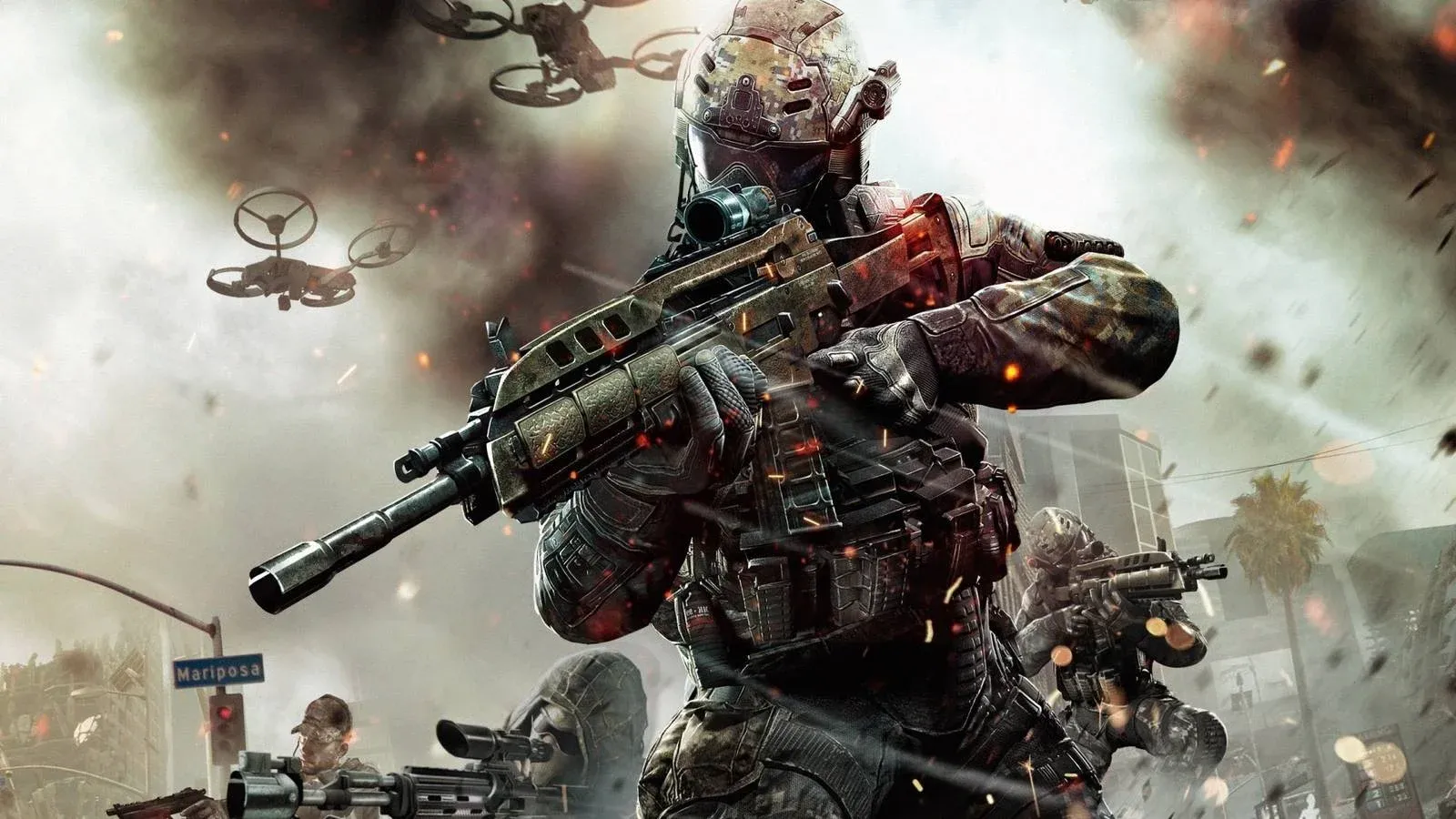


Eleven million copies. Under a month. No remakes, no visual overhauls, just straight ports of two classic Call of Duty games that PlayStation owners had been locked out of for years. The numbers behind the Call of Duty: Black Ops 1 and 2 PlayStation ports are the kind that make executives rethink entire platform strategies.
The numbers that changed the conversation
Developed by Iron Galaxy and shadow-dropped on PS4 and PS5 on July 9, the ports were exactly what they sounded like: 1080p versions of the original games with campaign, multiplayer, and Zombies intact. No new features, no remastered textures. Just the original experience on modern hardware.
That turned out to be exactly what players wanted.
Industry analyst Rhys Elliott broke down the figures: Black Ops 2 moved 8.2 million copies on PlayStation, with 93% of those on PS5, generating around $325M. Black Ops 1 added another 3.0 million copies (94% via PS5) for roughly $110M. Combined, that is $435M on PlayStation alone in less than 30 days.
The $40 price point drove most of that volume, though PS Plus subscribers could grab both for $20 each until August 6. The key here is that PlayStation players had zero modern options before this. The only way to play either game on Sony hardware was to dig out an old PS3, since neither title ever received backwards compatibility support on PS4 or PS5.
How $435M splits between Microsoft and Sony
Here is the thing about these numbers: they benefit two companies that are technically platform competitors.
Microsoft and Activision collect the bulk of revenue as publisher and developer. But Sony takes its standard 30% platform cut, which works out to roughly $130M for hosting the ports. Elliott's framing is blunt: that is $130 million "for doing basically nothing."
On Microsoft's side, Elliott noted that a single month of catalogue Call of Duty sales on a rival platform "effectively funds a massive slice of Xbox's quarterly first-party operational overhead." For context, he pointed out the combined $435M is already approaching what Forza Horizon 6 has generated through base game sales across the entire year.
Activision also released $30 DLC bundles for both games featuring additional multiplayer maps, adding another revenue stream on top of the base game figures.
What this tells us about Call of Duty's future
The success of these ports does more than validate nostalgia. It effectively answers the question of whether Microsoft would ever make Call of Duty exclusive to Xbox.
Elliott's read is direct: the money available from PlayStation is simply too large to walk away from. These ports were not even new games, and they still generated nearly half a billion dollars. A full, purpose-built reboot of the Black Ops series, Elliott argues, "would do absolute gangbusters."
The pent-up demand was real and measurable. Players on PlayStation had been asking for access to these games for years. The moment they became available, the response was immediate.
For fans of the shooter games genre, the broader implication is that classic Call of Duty titles are now a viable commercial product again, not just nostalgia bait. The next question is which catalogue entries get the same treatment.
The next new Call of Duty release is Modern Warfare 4, targeting an October launch with a multiplayer beta going live later this month. If you want to get up to speed on the current entry in the series before then, the Call of Duty: Black Ops 6 game page has everything you need, and the full Call of Duty: Black Ops 6 strategy guides collection covers the current game while the franchise gears up for its next release.