BOSS FIGHTERS has launched its $BFTOKEN economy with a structure built around player participation rather than investor speculation. The game skips private sales entirely. Every token in circulation comes from actual gameplay, which means the economy runs on what players do, not what early backers paid for. No team allocations, no pre-sale advantages — just a system where logging in and playing matches is the only way to accumulate tokens.
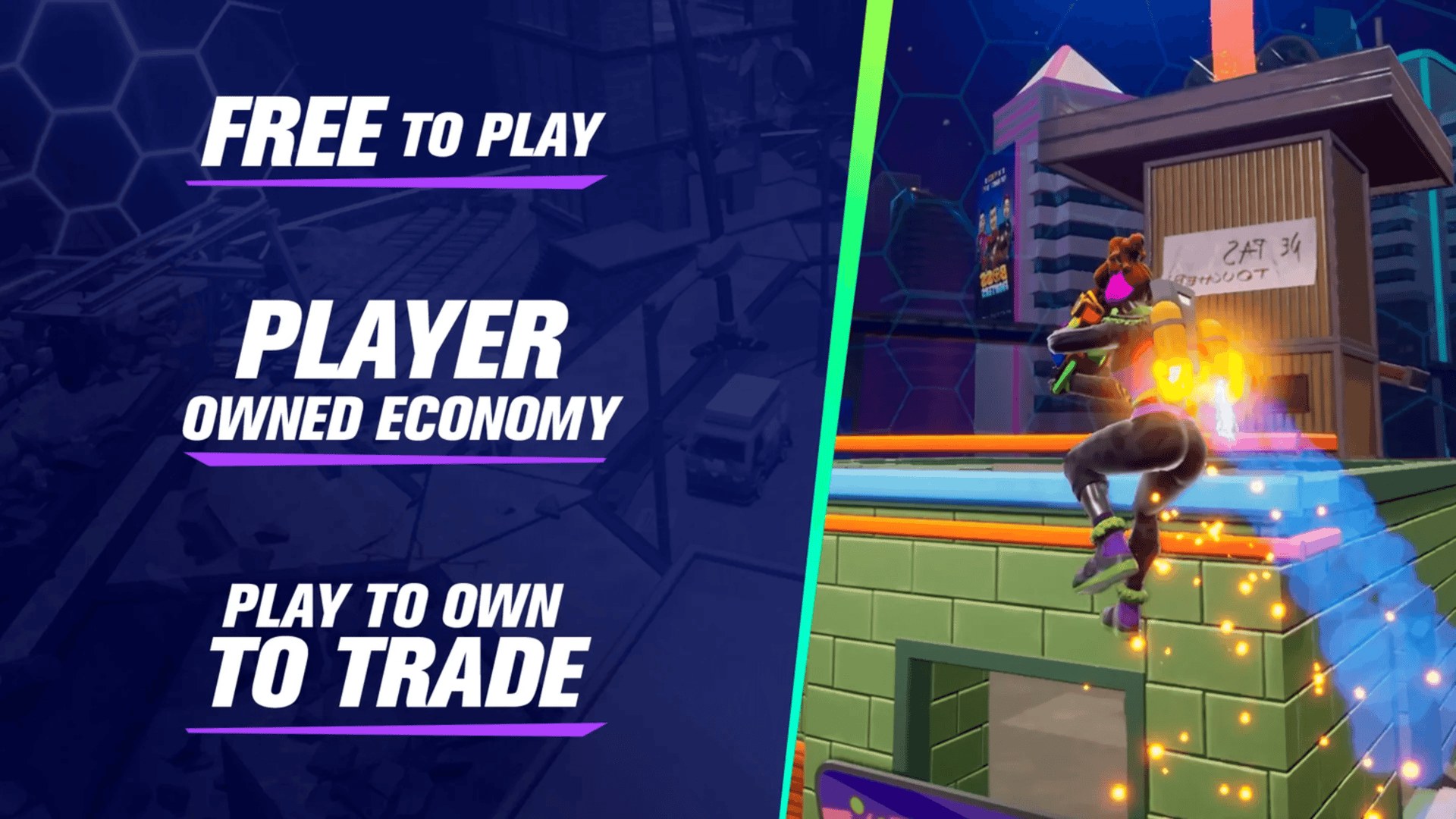
BOSS FIGHTERS Free-To-Play
About BOSS FIGHTERS
BOSS FIGHTERS is an asynchronous arena combat game where four Fighters take on a Boss — a massive enemy controlled by another player. The Boss can demolish buildings and hurl debris. Fighters counter with grappling hooks, rockets, and other tools. VR support lets Boss players experience the chaos from inside the monster. Seasons rotate in new gear and cosmetics, and players can mint items into NFTs to carry them forward when the season resets.
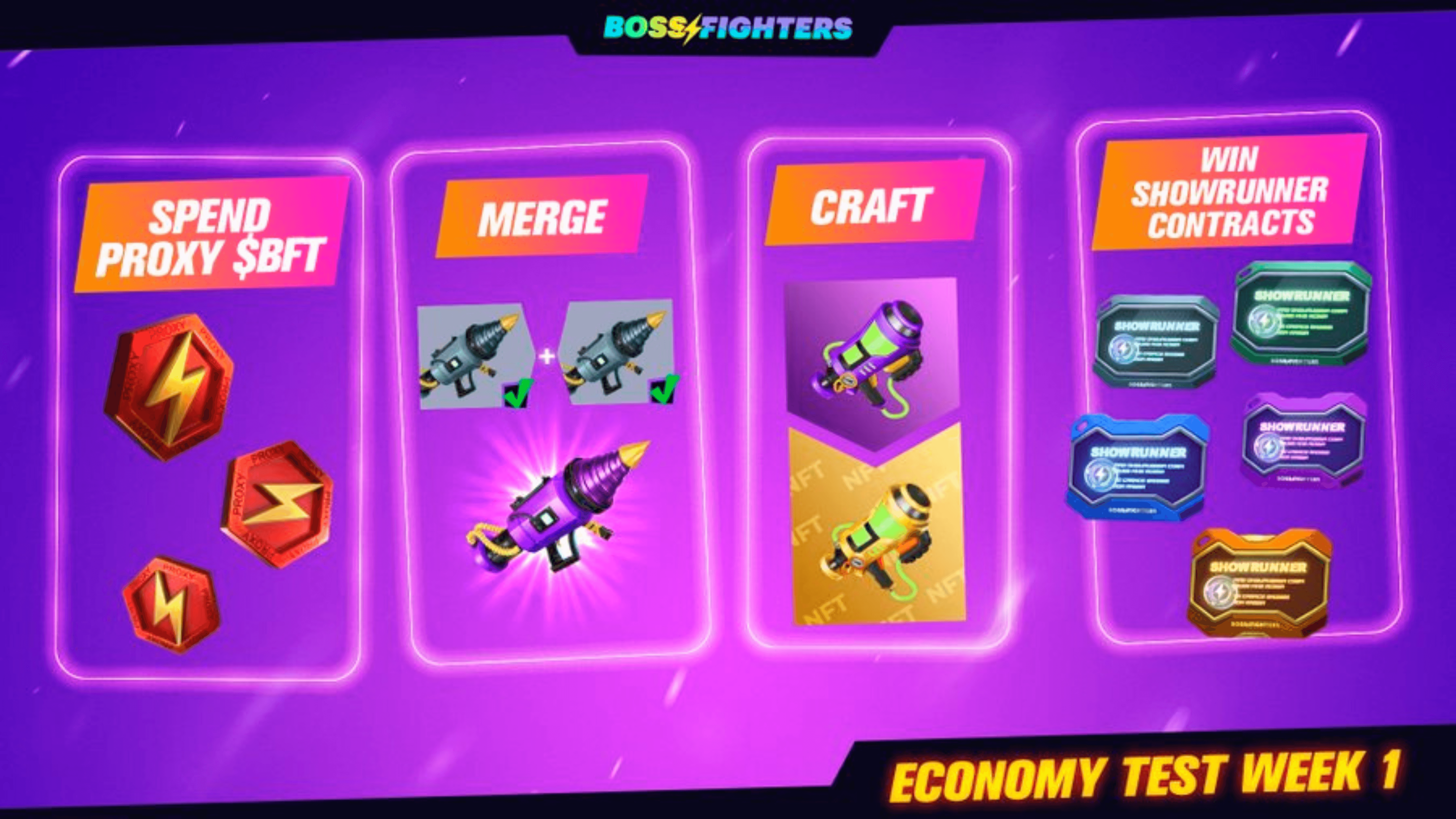
Before the Token Generation Event, $BFTOKEN is earned exclusively in-game. Players equip BADGES during matches to generate tokens, spend tokens to craft and upgrade NFT items, and trade on the in-game marketplace. Post-TGE, the token will list on centralized and decentralized exchanges, but the core loop stays the same: play to earn, spend to improve, trade to optimize.

BOSS FIGHTERS Key Art
$BFTOKEN and 2025 Roadmap
BOSS FIGHTERS caps the total supply at 1 billion tokens. 70% goes to player rewards, unlocked over 60 months. That's five years of steady distribution designed to keep the economy stable without flooding the market. Another 20% funds marketing and partnerships. The final 10% supports liquidity and exchange listings. The unlock schedule is slow and deliberate, aiming to hold value instead of letting early holders dump and run.
$BFTOKEN has multiple uses inside the game. Players craft and upgrade NFTs to boost performance and earnings. They recharge token-generating NFTs like BADGES to keep the earning cycle active. High-stakes Arena events require $BFTOKEN entry fees and offer bigger rewards. Players can also convert tokens into Fame Points at the Stadium Shop to unlock rare NFTs. The variety of sinks keeps tokens circulating instead of sitting idle.

BOSS FIGHTERS Value Cycle
Future Expansion and Cross-Chain Integration
To prevent instant sell-offs, BOSS FIGHTERS uses Token Vouchers — NFTs that hold a fixed amount of $BFTOKEN but only unlock through active play. This ties token distribution to engagement. Vouchers can be traded or rented on the OpenLoot marketplace, giving players flexibility without breaking the economy. All airdrops, including early access rewards and social giveaways, arrive as Token Vouchers. Only players who actually play get paid.
The roadmap includes cross-chain expansion. $BFTOKEN launches on Ethereum, then integrates with Base and Solana to widen access across multiple blockchain networks. Future updates add pre-TGE farming, leaderboard competitions, and exclusive NFT drops. Competitive modes will expand with $BFTOKEN-backed tournaments offering higher stakes and unique rewards. The goal is more ways to earn, spend, and compete within the ecosystem.

BOSS FIGHTERS 2025 Roadmap
Final Thoughts
Players can sign up through the game's official economy portal. An Open Loot account unlocks all features. The game is available on multiple platforms, including the Open Loot Launcher, Steam Demo, Meta Quest for VR, and the GGEM Launcher. Jumping in now means starting to earn $BFTOKEN and testing how the economy actually functions in practice.
BOSS FIGHTERS built its tokenomics around player activity instead of investor capital. The five-year distribution schedule and gameplay-locked vouchers are designed to keep the economy running long-term without the usual web3 boom-and-bust cycle. Whether that holds up depends on whether players keep showing up.