
"We are concerned that, based on the content of the demo, works imitating or replicating this game's presentation and gameplay could be quickly produced using AI or other tools and released ahead of the game's launch."
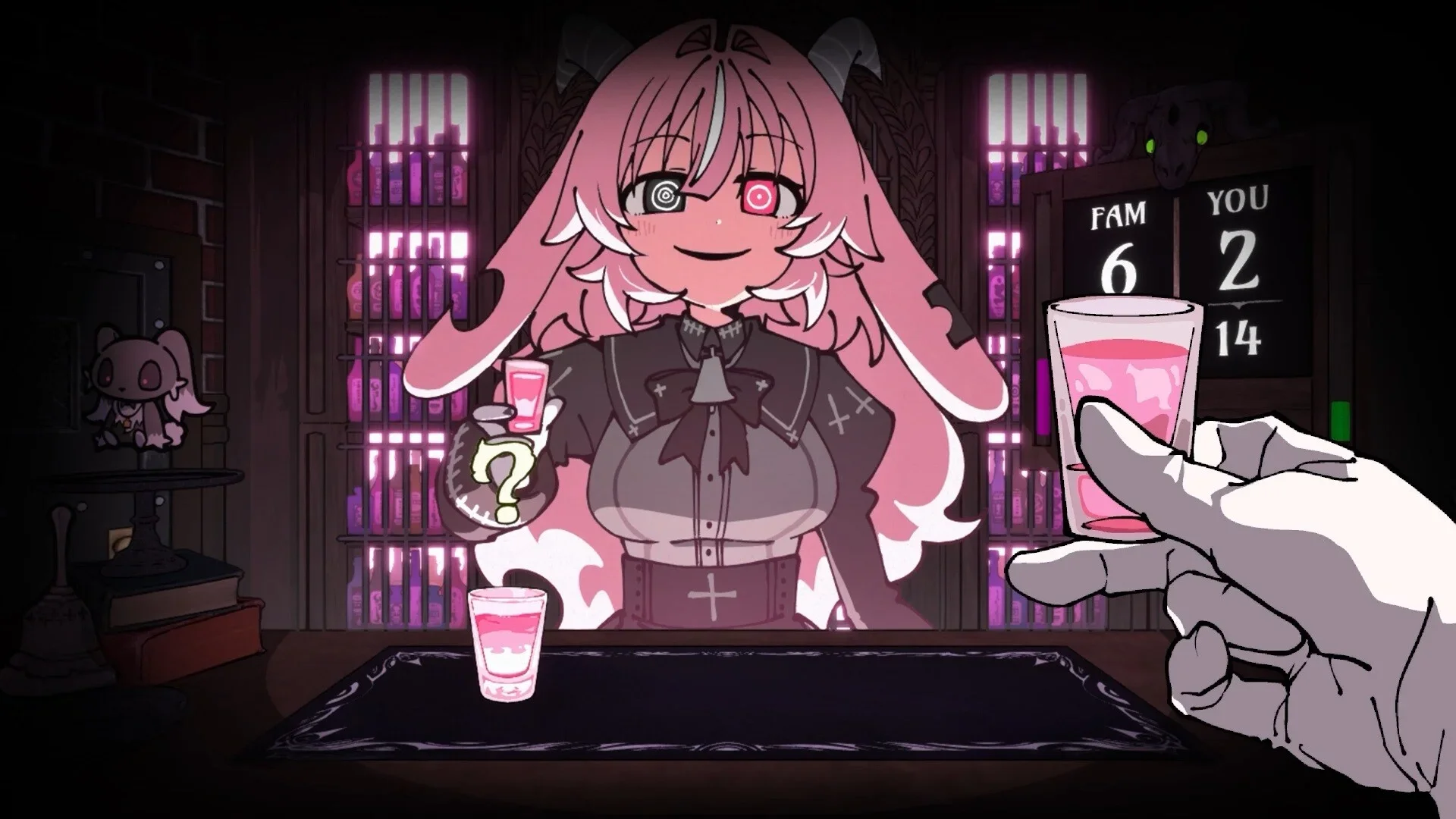
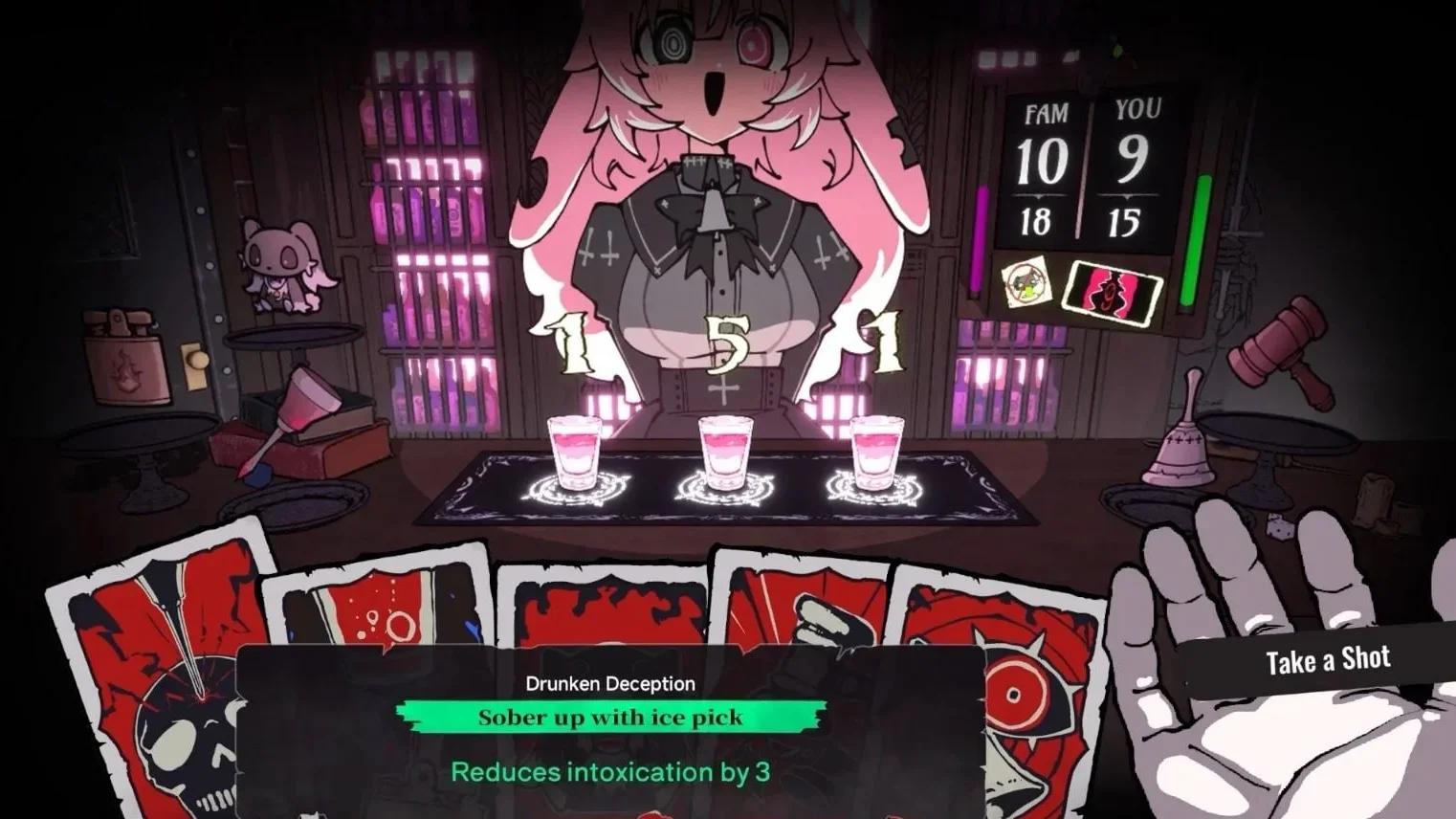
That's the statement Alliance Arts and Who You dropped on Steam this week, and it tells you everything you need to know about where small developers are at right now. The team behind Drunken Goddess Reflux, an anime Russian roulette drinking game where you face off against a demon who, as the pitch goes, "loves you enough to kill you," had a public demo locked in for October 19. That demo is now gone.

Drunken Goddess Reflux demo scrapped
A last-minute call that wasn't made lightly
The game had been moving along cleanly since its April announcement. Ghostly pink and purple visuals, a genuinely weird premise, and a December 8, 2026 PC launch date confirmed just recently. The October 19 demo felt like a natural next step.
Then Alliance Arts posted an update on Steam pulling the public demo entirely. What replaces it is a "closed play session for a limited number of participants," with access gated through the game's Discord server. The team apologized for the last-minute reversal, but made clear the AI concern wasn't something they could just wave off.
Here's the thing: this isn't a vague fear. The worry is specific. Alliance Arts believes that releasing a playable demo gives bad actors enough material to feed into AI generation tools and spin up a clone fast enough to hit the market before Drunken Goddess Reflux even launches. For a small studio with a niche concept, a low-effort AI copycat arriving first could genuinely hurt.
Why the streaming and posting ban made a closed demo the only real option
The Steam post also flagged a second concern: restrictions on posting and streaming gameplay footage. Alliance Arts wanted to limit how much of the game circulated publicly before launch, but as they put it, they "are not currently in a position to properly handle and manage those restrictions."
That's an honest admission from a small team. Enforcing content restrictions across social platforms takes resources. Monitoring for violations, issuing takedowns, dealing with disputes: none of that is free or easy. A closed session with pre-agreed participation rules is a much more manageable approach when you don't have a full legal and community team behind you.
What most players miss is that this isn't just about piracy in the traditional sense. It's about the speed at which AI can now turn a short gameplay clip or demo build into something that looks and plays similarly enough to confuse potential buyers. That's a new kind of threat that didn't really exist a few years ago.
The broader pattern this fits into
Alliance Arts isn't operating in a vacuum. AI-assisted mods and mashups have been circulating widely in gaming spaces recently, with tools capable of blending visual styles and mechanics from completely different games going viral. The line between fan creativity and commercial exploitation is blurring fast.
For developers launching original, visually distinctive games, that's a real problem. A concept like Drunken Goddess Reflux, with its specific art direction and unusual gameplay hook, is exactly the kind of thing that could be imitated quickly if the right people got their hands on a demo build early.
The situation echoes concerns that have been surfacing across indie development circles, where smaller studios with limited legal resources feel the most exposed. It's worth keeping an eye on how other developers approaching Steam demo windows handle this going forward. For more on how games navigate early access and demo strategies on Steam, the Deadlock access and play guide is a useful reference point for understanding how invite-gated systems work in practice.

Alliance Arts Steam announcement
What this means for the December launch
The game is still on track for December 8, 2026 on PC via Steam. Alliance Arts hasn't indicated any delay to the full release, and the closed demo sessions suggest the build is in a playable state. The pivot is about protecting the launch window, not buying more development time.
The key here is that pulling a public demo this close to its scheduled date carries real cost. Demos drive wishlists. They generate coverage. They let players form opinions before reviews land. Alliance Arts is trading all of that for a controlled environment where the risk of AI exploitation is lower.
Whether that tradeoff pays off will depend on how much buzz the closed sessions generate and whether the December launch can capitalize on the goodwill the game has built since April. For those tracking unusual and original indie releases, check out Dear Passengers release date and demo details as another example of how developers are managing pre-launch visibility in a complicated environment. You can also browse our full gaming guides hub for more coverage on upcoming releases worth watching.