

Epic Games HQ, Cary NC
Tim Sweeney has built one of the most powerful companies in gaming. Fortnite alone generates hundreds of millions in revenue annually, the Epic Games Store has reshaped PC game distribution, and Sweeney himself has become one of the most recognizable voices in the industry. So why does it feel like he and the company he leads have completely lost the plot on what players actually want?
Here's the thing: power and proximity to players are two very different things. And right now, Epic has plenty of the first and very little of the second.
When the megaphone gets louder than the feedback
Sweeney's public persona has shifted noticeably over the past few years. What was once a CEO known for technical deep dives and genuine passion for game development has become something else entirely: a platform for sweeping statements about the future of digital ownership, open ecosystems, and platform politics. The Apple vs. Epic legal saga consumed years of headlines. The push toward the metaverse consumed marketing budgets. Meanwhile, actual Fortnite players were grinding through seasonal content, asking for quality-of-life fixes, and largely being talked past.
The disconnect isn't subtle. Sweeney regularly posts on social media about the philosophical underpinnings of digital storefronts while Fortnite's own community forums fill up with threads about matchmaking issues, predatory cosmetic pricing, and the relentless churn of limited-time modes that disappear before most players can engage with them.
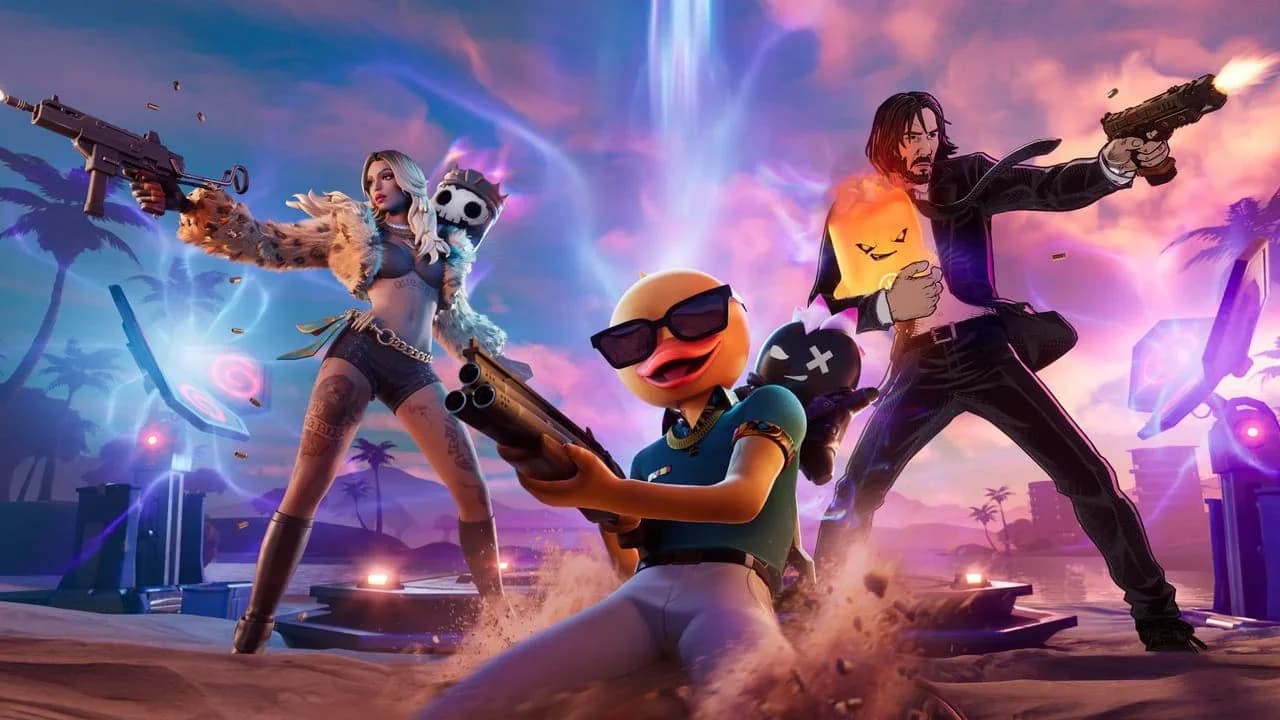
Fortnite's collaborations have become a useful lens here. The game has hosted events with Marvel, Star Wars, DC, and dozens of other IP holders. Some of those crossovers land well, like the Fortnite Hot Bat Summer DC event that brought genuinely fresh mechanics to the island. Others feel like brand deals dressed up as game content, with the actual player experience as an afterthought.
The store that players tolerate but don't love
The Epic Games Store was supposed to be the alternative. Lower revenue cut for developers, exclusive deals to pull players away from Steam, free weekly games to build a loyal user base. And to be fair, that last part worked. Millions of accounts exist primarily because of free game giveaways.
But loyalty built on freebies is fragile. The store still lags behind Steam in features that PC players consider basic: user reviews, mod support, a functional discovery algorithm. Years after launch, the EGS feels like a storefront in permanent beta. Sweeney has spoken extensively about wanting to challenge platform monopolies, but the product itself hasn't made the argument he wants it to make.
The key here is that disrupting an industry requires more than undercutting on fees. Players choose platforms based on experience, community, and trust. Epic has been fighting the business war while losing the culture war.
What "touch grass" actually means for a billion-dollar studio
The phrase isn't just internet slang. For Epic, touching grass means shipping updates that players asked for instead of updates that fit a roadmap built in a boardroom. It means Sweeney talking about what's broken in Fortnite's current season instead of what blockchain-based item ownership might look like in 2030. It means the Epic Games Store adding a review system because players want one, not because a competitor forced the issue.
Some of this is already happening at the game level. Fortnite's Droid Tycoon mode, for example, added genuinely inventive mechanics, and if you're trying to get the most out of it, the Groundmech guide is worth your time. The creative team clearly still has instincts. The problem is that good game design keeps getting buried under corporate positioning.
Sweeney is a genuinely smart person who has done genuinely important things for the industry. The argument here isn't that he's incompetent. The argument is that the further a CEO gets from the thing that made them relevant, the more their public presence becomes a liability rather than an asset.
What players are actually watching for
Fortnite Chapter 6 is deep into its run, and the community's patience with cosmetic pricing has visibly thinned. The Dr. Eggman skin availability situation, where a skin tied to an external game became a source of confusion and frustration, is a small but telling example of how Epic's partnership deals can create friction for the people actually playing the game.
Players aren't asking Epic to stop being ambitious. They're asking the company to be ambitious about the right things. Fix the store. Talk to the community. Let the game speak louder than the press releases.
Sweeney's next move will be watched closely. Whether it's another platform-politics statement or something that actually addresses the gap between Epic's vision and its players' daily experience will say a lot about where this company's head is at heading into 2027.