

The novel that helped shape one of gaming's most talked-about RPGs is finally crossing the language barrier. Horde of the Counterwind by French author Alain Damasio, long considered untranslatable due to the complexity of its prose, has been rendered into English by translator Alexander Dickow and is scheduled to release on October 13.
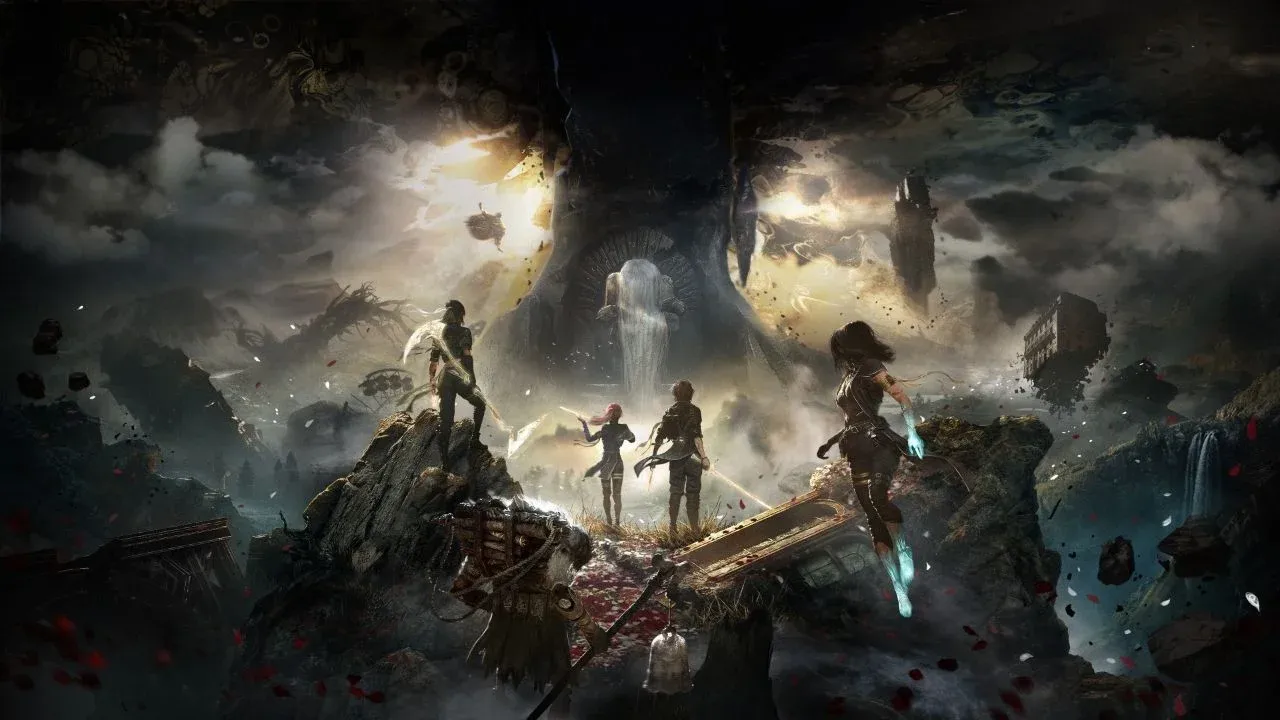
For fans of Clair Obscur: Expedition 33, this is a genuinely exciting piece of news. Sandfall Interactive's debut drew from a wide pool of influences, including grief, loss, JRPGs, and Sekiro: Shadows Die Twice, but Damasio's novel sits closer to the center of the game's DNA than most. The parallels are hard to miss once you know where to look.
Why this book and this game share the same soul
First published in 2004, Horde of the Counterwind follows a group of expeditioners climbing toward the source of a powerful, mysterious wind that has long tormented their home. Here's the thing: in the 800 years before the story begins, 33 hordes have already attempted that same journey and failed. Sound familiar?
The setup maps almost directly onto Expedition 33's premise of a doomed march against an overwhelming force, with previous generations of travelers having already been swallowed by it. The thematic overlap goes beyond surface structure too. Both works are preoccupied with collective sacrifice, the weight of inherited failure, and what it means to keep going anyway.
Damasio's novel has been a cult favorite in France for over two decades, but the intricacy of its prose, built around invented language, dense wordplay, and stylistic experimentation, made it a notoriously difficult translation target. The fact that it took this long to reach English readers is less a publishing oversight and more a reflection of how genuinely hard the job was.
What readers are walking into
Beyond the Expedition 33 connection, the novel stands on its own as a serious work of speculative fiction. Readers who enjoyed the worldbuilding depth of Brandon Sanderson's Stormlight Archive or the linguistic richness of Patrick Rothfuss's Name of the Wind will find familiar pleasures here, though Damasio's approach is distinctly French in its philosophical ambition.
The worldbuilding reportedly operates at a level where the wind itself functions as a kind of antagonist with its own internal logic, and the horde's social structure shifts and fractures as the climb becomes more punishing. What most players miss when they talk about Expedition 33's story is how much of its emotional architecture comes from that same idea: a community defined entirely by the act of moving toward something that will probably destroy it.
A good moment to go deeper into the game
For anyone who finished Expedition 33 and still hasn't gone back to explore everything it has to offer, the Horde of the Counterwind announcement is a good prompt to do exactly that. The game's beginner guide covers combat, exploration, and character builds if you want to approach a second run with more intention, and the full Clair Obscur: Expedition 33 guide collection has everything else you might need.
The book drops October 13. If the game hit you the way it hit most people who played it, this one is worth your time.