

Twenty years is a long time to wait for a second chance at something good. Knytt, the quietly atmospheric freeware platformer that Nifflas released in 2006, never really needed saving. It was free, it was charming, and players who found it tended to remember it. But getting it running on modern hardware was increasingly a DIY project, which is exactly the kind of friction that keeps genuinely great games from reaching new audiences.
That problem is now solved. Knytt Classic landed on Steam on August 11, 2026, developed by Bit Kid (the studio behind Wolfhound) with Nifflas' blessing. The price is exactly what it was in 2006: nothing.

Use code TRYHARD33 at checkout to redeem this offer before code expires again.
Get 33% Off GAMES+ Subscription
What Bit Kid actually changed (and what they left alone)
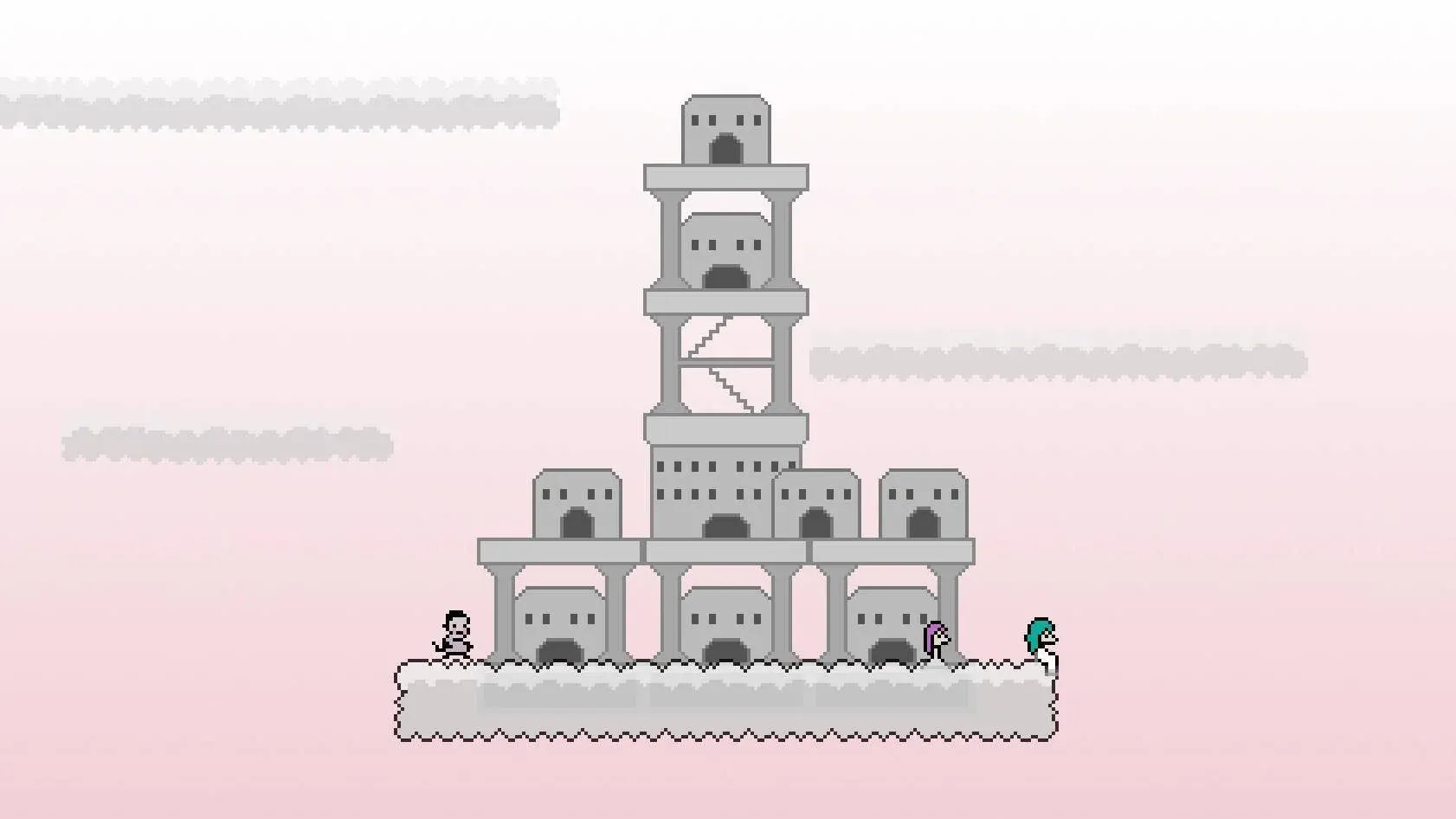
The core game is untouched. You still play as a small alien creature whose spaceship has crashed, spending a couple of hours exploring a strange, colourful world and collecting the parts needed to get airborne again. The platforming is simple and responsive. The synth soundtrack does most of the atmospheric heavy lifting. The world is built almost entirely from 2D coloured squares, and somehow it still feels like a place worth wandering through.
Bit Kid's additions are targeted at two specific groups: players who want to experience the game on modern hardware without fuss, and returning fans who want something harder to chew on.
Controller support and Steam Deck compatibility cover the first group. Valve hasn't issued a Verified or Playable badge for Knytt Classic yet, but early hands-on time with the Steam Deck OLED suggests the port runs cleanly. The game also picks up achievements and some hidden bonuses, the latter of which suit Knytt's exploratory DNA well.
For the second group, there are three new difficulty modes sitting on top of the original experience. One of them, Knytt XH, was designed by Arvi "Hempuli" Teikari, the developer behind Baba Is You. That's a notable collaboration for a free re-release, and it signals that Bit Kid wasn't just going through the motions here. Optional time tracking for speedruns rounds out the additions.
Why a 20-year-old freeware game still matters
Knytt arrived at an interesting moment. The indie platformer genre wasn't the crowded space it is today, and a free game with this level of atmosphere and world-building stood out sharply. Its influence on the broader category of slow, exploration-focused adventure games is easy to trace if you know where to look.
Here's the thing: most games from 2006 that weren't released on a major platform are effectively lost now. They live on fan wikis, old forum threads, and the occasional archived download. Knytt Classic sidesteps all of that by putting the original on Steam with zero barrier to entry.
The Metroidvania comparison gets thrown around a lot with Knytt, but it earns it. The game doesn't have upgrades or locked doors in the traditional sense, but it absolutely rewards players who go looking in corners and follow uninvestigated passageways. That exploratory instinct is what makes the hidden bonuses Bit Kid added feel like a natural fit rather than a tacked-on incentive.
The indie collaboration angle worth paying attention to
Having Arvi Teikari contribute a full difficulty mode to Knytt Classic isn't just a fun footnote. Baba Is You is one of the most mechanically inventive puzzle games of the last decade, and Teikari's involvement suggests the new modes aren't just "same game but enemies do more damage." What Knytt XH actually changes hasn't been spelled out in detail yet, which gives players a reason to find out for themselves.
What most players miss with re-releases like this is that the developer relationship matters. Nifflas gave Bit Kid the blessing to do this, which means the port has the original creator's stamp of approval rather than being a preservation project operating in a grey area. That's worth something.
For anyone who missed Knytt the first time around, or who played it on a machine that no longer exists, Knytt Classic is a straightforward recommendation. If you want more context on games in this vein, the gaming guides hub has coverage of similar exploration-heavy titles worth bookmarking alongside it. Fans of adjacent indie platformers might also want to check out The Knightling, which scratches a similar itch for players drawn to smaller-scale, character-driven platforming.