
"We remain highly confident in our digital games portfolio," Hasbro said this week, even as the company disclosed a $56 million impairment charge tied to cancelling several games that had been scheduled for release in 2028 and beyond. The write-down appears in Hasbro's latest financial results, and it signals a meaningful shift in how the Dungeons & Dragons and Baldur's Gate 3 IP owner plans to operate in the games space going forward.
The write-down and what triggered it
Hasbro's impairment reflects the accounting reality of cancelled game projects: assets that were expected to generate future revenue now won't, so their value gets written off. The company confirmed it cancelled "select Digital Games projects" as part of a deliberate portfolio refocus, though it stopped short of naming every title involved.
The most likely candidate for at least part of that $56 million is the Dungeons & Dragons action-adventure game that had been in development at Giant Skull, the studio led by Stig Asmussen, director of Star Wars Jedi: Fallen Order. Hasbro confirmed back in May that it had ended its publishing deal with Giant Skull, leaving the studio to hunt for a new publisher. Separately, Atomic Arcade, an internal Hasbro studio working on a GI Joe game, was shut down earlier this year, though Hasbro maintained at the time that the GI Joe project itself hadn't been cancelled. Its actual fate remains unclear.
Here's the thing: a $56 million hit is significant enough that it almost certainly covers more than one project. The 2028-and-beyond framing also suggests these weren't games close to shipping. These were longer-horizon bets that Hasbro decided weren't worth the continued investment.

Exodus and Warlock survive the cut
Not everything got axed. Exodus, the sci-fi RPG from Archetype Entertainment (which Hasbro backs), and Warlock: Dungeons & Dragons, both targeting 2027 releases, are explicitly confirmed as unaffected. Hasbro was direct about why those two survived: "big audience potential, strong genre fit, franchise potential and meaningful opportunities beyond the initial game."
That framing tells you exactly what Hasbro's new filter looks like. Projects need to clear a high bar on all four counts to get the green light for owned publishing. Anything that doesn't clear it gets cut or handed off.
The Baldur's Gate question nobody has answered yet
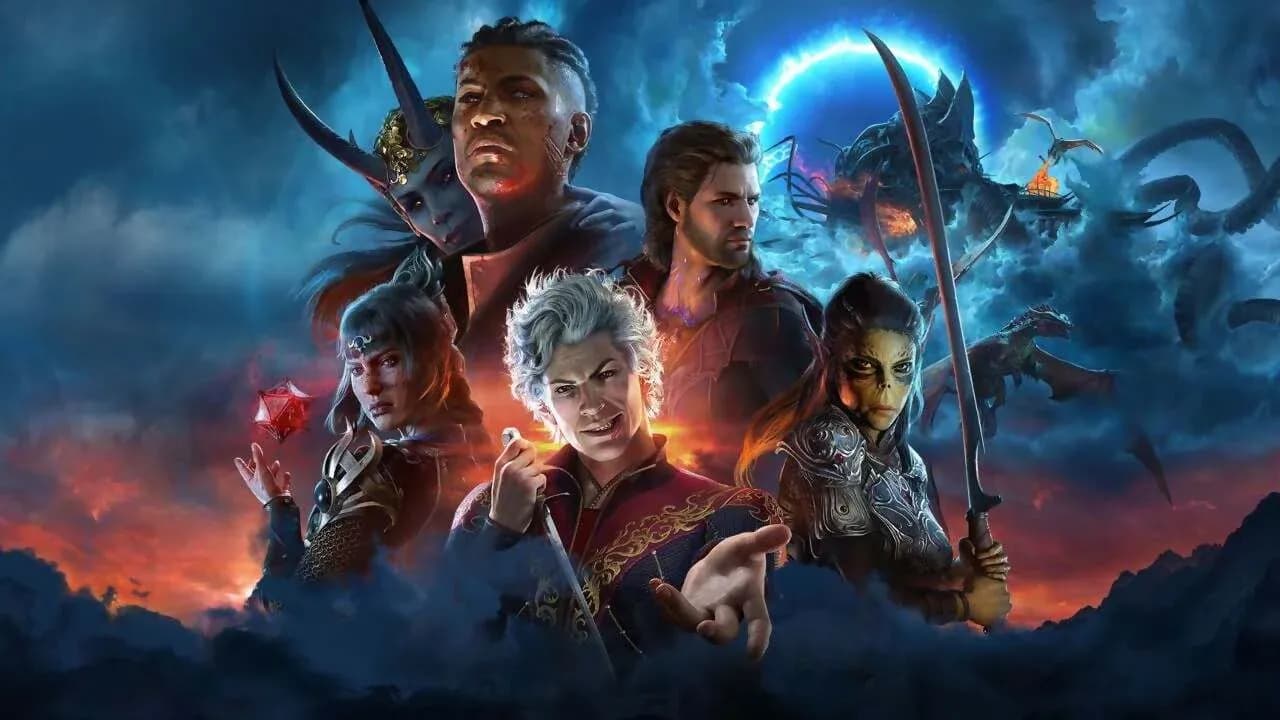
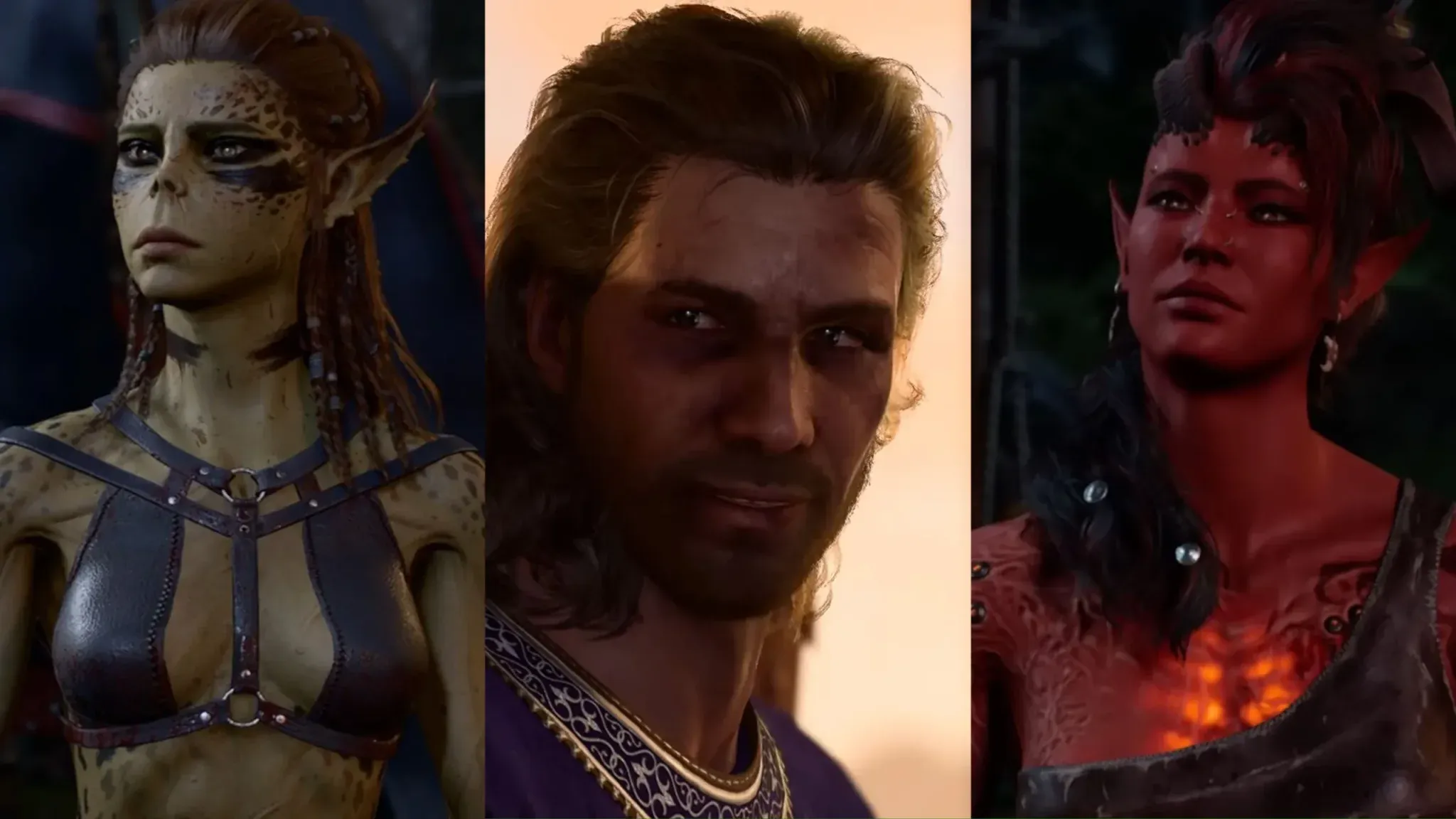
The elephant in the room, as it always is with Hasbro's games strategy, is Baldur's Gate 4. Larian Studios delivered one of the most successful RPGs in recent memory with Baldur's Gate 3 (check out our in-depth review if you somehow haven't played it yet), then walked away from the franchise entirely to work on original projects. That left Wizards of the Coast holding one of gaming's most valuable RPG IPs with no studio attached to its future.
Wizards of the Coast has reportedly been exploring remakes of the earlier Baldur's Gate games, which would be a relatively lower-risk way to keep the IP active. But a proper new entry in the series is where the real commercial upside sits, and Hasbro's CEO Chris Cocks has to know that. There are reports that Hasbro approached at least one studio about Baldur's Gate 4 and was turned down, which adds another layer of difficulty to an already complicated situation.
The narrowing of Hasbro's internal publishing ambitions doesn't help. Fewer bets means fewer chances to land the right partnership for a franchise that needs exactly the right team.
A strategy that looks familiar
What Hasbro is describing now, a tighter internal focus on a small number of high-confidence titles while filling the rest of the slate through licensing, isn't unique to them. It's a pattern that's played out at several major publishers over the past couple of years as development costs have climbed and the market for mid-tier games has compressed.
The key here is that Hasbro still controls some genuinely powerful IP. D&D, Baldur's Gate, GI Joe, Transformers. The licensing model can absolutely work if the right partners are chosen carefully. The $56 million write-down is painful, but it's also a course correction that was probably overdue given how many projects were apparently in flight simultaneously.
For players keeping tabs on what's actually coming: Exodus and Warlock are the two Hasbro-backed games to watch in 2027. Everything else in the portfolio is either a licensing deal or currently unannounced. If you're planning your BG3 playthrough in the meantime, the Baldur's Gate 3 beginner's guide is worth bookmarking while you wait for news on what comes next for the franchise.