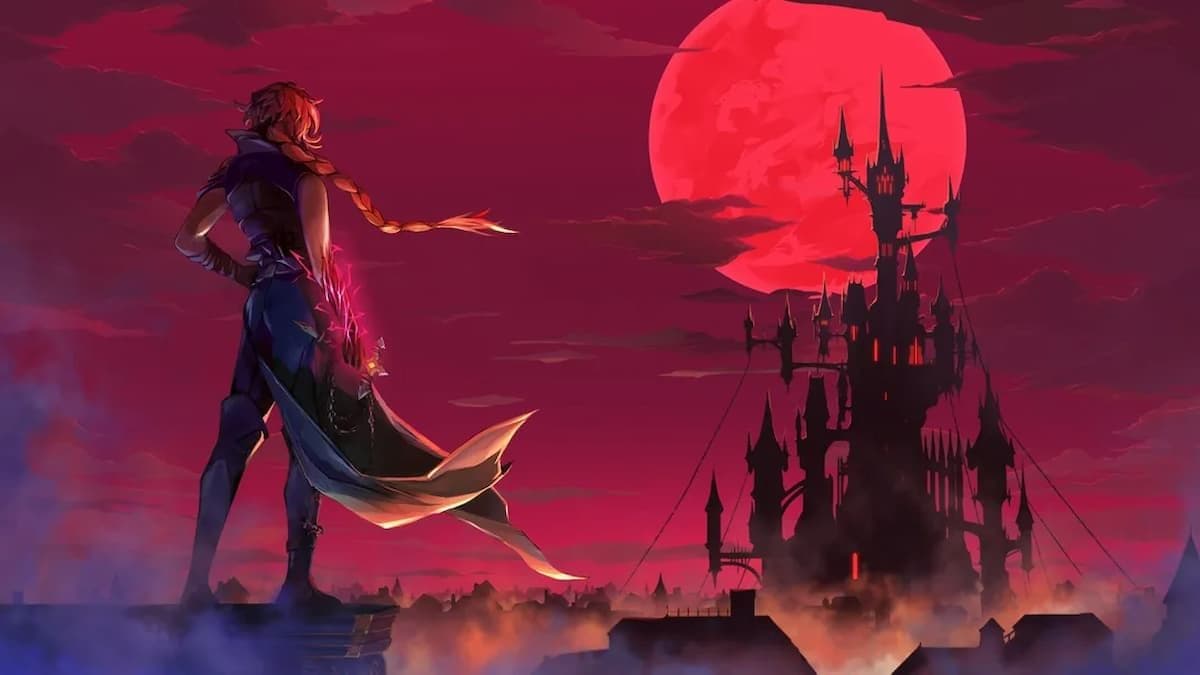

Konami has been on a revival spree for years now, and the company just confirmed that Castlevania is next in line. Hideki Hayakawa, Konami's Representative Director and President, stated in a recent interview that a Castlevania reboot is actively in development, putting one of gaming's most beloved franchises back on the radar. Fans of Castlevania: Aria of Sorrow and the broader series have plenty of reason to pay attention.
What Hayakawa actually said
The confirmation came through an interview with Nikkei Gaming, where Hayakawa laid out Konami's broader strategy for its classic IPs. His words were direct:
He framed it as part of a deliberate multi-IP push, saying Konami has built a structure that lets the company "push forward on multiple IPs simultaneously with equal energy." That's a meaningful distinction. This isn't a single passion project getting greenlit while everything else sits on the shelf. Konami is running several revivals in parallel.
No specific game title was named. No release window. No platform details. What exists right now is a confirmed direction, not a finished product.
How Konami got here
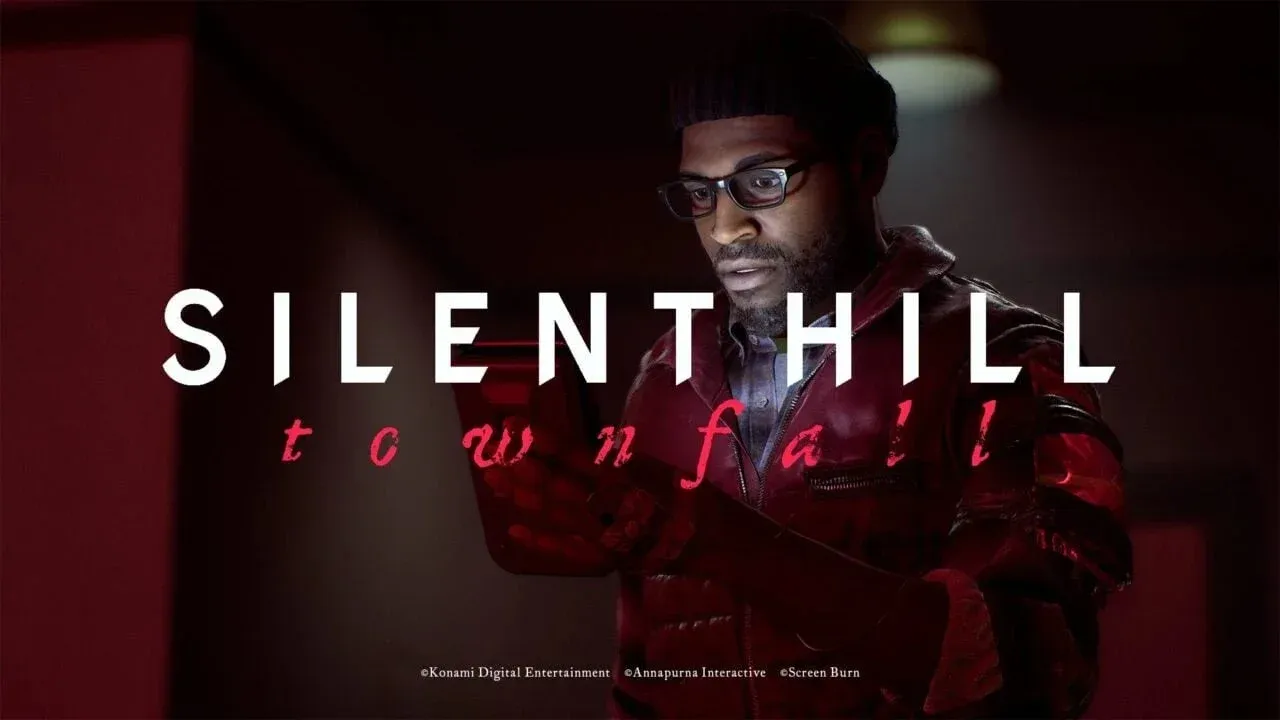
The pattern is worth understanding. Metal Gear Solid got the Master Collection treatment. Silent Hill came back with the Silent Hill 2 Remake and Silent Hill f. Each time, Konami tested the waters with a known property and found an audience ready to spend money on it.
Castlevania was always the obvious next step. The series has over 30 entries spanning nearly four decades, and the Netflix animated series kept the IP alive in mainstream culture long after the last major game release. Hayakawa's comments suggest Konami sees the same opportunity it found with Silent Hill: a dormant franchise with a loyal fanbase that hasn't been properly served in years.
Here's the thing: the question of which Castlevania gets the treatment matters enormously. Symphony of the Night is the obvious crowd-pleaser. The Lords of Shadow reboot has its own passionate defenders. The GBA and DS era titles, including Aria of Sorrow, represent some of the tightest Metroidvania design the series ever produced. Each of those directions would produce a completely different game.
What this means for series fans
For players who grew up with the series, the news hits differently depending on which era defined Castlevania for them. The GBA entries like Aria of Sorrow built their reputation on tight mechanics and inventive ability systems, and a modern take on that formula could find a massive audience given how popular the Metroidvania genre has become since. If you want to revisit what made those games special before any announcement drops, the Castlevania: Aria of Sorrow guides are a solid place to start.
The broader context matters too. Konami's revival projects have ranged from faithful remakes to complete reimaginings, so "reboot" could mean almost anything here. A full remake of a classic entry, a new game set in the established universe, or something closer to Lords of Shadow's approach of retelling the mythos from scratch are all plausible directions.
What most players miss in announcements like this is the timeline reality. Konami confirmed active development, not an imminent release. Given how long the Silent Hill 2 Remake spent in production before it shipped, the Castlevania project could still be years away from a reveal, let alone a launch.
The bigger Konami picture
Hayakawa's interview also hints at more activity around Metal Gear and Silent Hill beyond what's already been announced. Konami's philosophy, as he described it, is to release games across multiple devices as long as there's an audience for them. That's a commercially sensible approach that also happens to benefit players who've been waiting for these series to come back.
The company that spent much of the 2010s retreating from console gaming is now running multiple major franchise revivals at once. Whether the execution matches the ambition is the only question left, and that answer is still somewhere down the road. Keep an eye on our gaming guides section as more details emerge and the community starts piecing together what Konami is actually building.