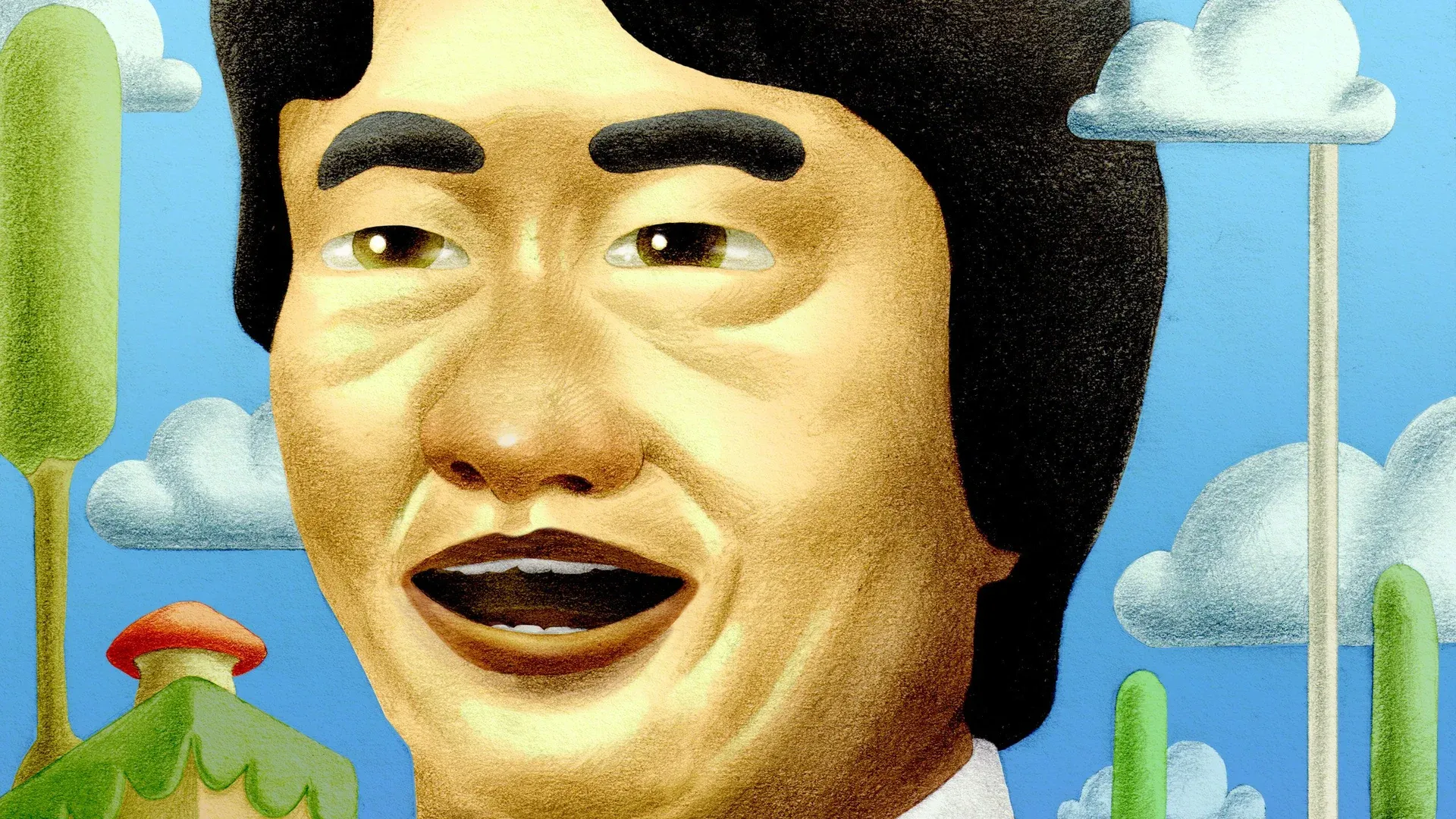


"I don't really play games by myself anymore."
That's Shigeru Miyamoto, the creator of Mario, Zelda, and Pikmin, speaking in a recent interview with Famitsu. The Nintendo fellow, now 73, says the only time he picks up a controller these days is when his grandchildren come over. And honestly? Once you understand how Miyamoto thinks about game design, the statement makes complete sense.

Use code TRYHARD33 at checkout to redeem this offer before code expires again.
Get 33% Off GAMES+ Subscription
The grandkids rule the Nintendo household now
Miyamoto explained his current gaming setup with a laugh. He keeps games at his house specifically as a draw for visits. "If there are video games in their house my grandkids play them too much, so I keep them at mine and say 'if you want to play games, come to grandad's house,'" he said. The arrangement works for everyone: the grandkids get their fix, and Miyamoto gets company.
He also mentioned that the younger ones struggle to finish games on their own, so he steps in to help. One specific example stood out: his grandchildren are apparently terrified of the boss in Captain Toad: Treasure Tracker, so he handles that part for them. The man who designed some of the most beloved boss encounters in gaming history is now serving as a hired hand to get past a Captain Toad boss. That's genuinely charming.
Why this fits Miyamoto's design thinking exactly
Here's the thing: Miyamoto has never positioned himself as a hardcore gamer. His most famous design inspirations come from everywhere except video games. Pikmin grew out of time spent gardening. Nintendogs came from his love of dogs. Wii Music traced back to playing instruments. The pattern is consistent across decades of work.
The hiring philosophy follows the same logic. Back in 2017, Miyamoto told the New York Times that he actively looks for designers who "aren't super passionate game fans." He said he makes it a point to hire people with broad interests and varied skill sets, and noted that some of the people he brought on at Nintendo had never played a video game before joining the company.
What most players miss when they hear that is the reasoning behind it. A designer who only plays games tends to make games that feel like other games. Someone who spends their free time hiking, cooking, or playing music brings a different set of references to a design problem. Nintendo's output over the decades reflects exactly that approach.
A veteran designer who still shapes what Nintendo makes
Miyamoto is not retired. At 73, he has spoken publicly about hoping to keep making games for another 10 years, even as family members have apparently questioned whether it's time to slow down. His role at Nintendo has evolved from hands-on director to a more senior creative position, but his influence on the company's direction remains real.
The key here is that his relationship with games has always been more functional than recreational. He plays to understand what players experience, or to help someone who needs a hand clearing a boss. The idea of sitting alone grinding through a game for personal enjoyment was probably never the point for him.
For players who grew up with his work, there's something worth sitting with in that admission. The person responsible for Mario's jump physics, Zelda's dungeon design, and the Pikmin formula doesn't spend his evenings gaming. He spends them doing things that eventually turn into the next idea.
If you're curious about what Nintendo's current game lineup looks like from a player perspective, the Mario Tennis Fever best characters guide is a good example of how that design philosophy plays out in practice, with 38 playable fighters built around accessibility and variety. For more Nintendo coverage and beyond, the full gaming guides hub has you covered across platforms and genres, including the best Mii ideas for Tomodachi Life: Living the Dream if you want to build out your island with some familiar faces.