
There are plenty of strategy games about building armies, managing kingdoms, or taking over entire worlds. NAMAKORIUM takes a much different approach by putting players in control of tiny sea cucumbers whose job is to clean up the oceans left behind by humanity. It sounds like a joke at first, but after getting some hands-on time with the game, there is a surprisingly solid RTS underneath all the cute Namakos.
Developed by Polyscape Inc., NAMAKORIUM is a cooperative real-time strategy game built for up to four players. The game originally entered Early Access on January 29, 2026, before its full Steam release on May 18. It now includes both online co-op and a single-player mode, although this first impression is based primarily on the early-access version and the multiplayer experience available at the time.
About NAMAKORIUM
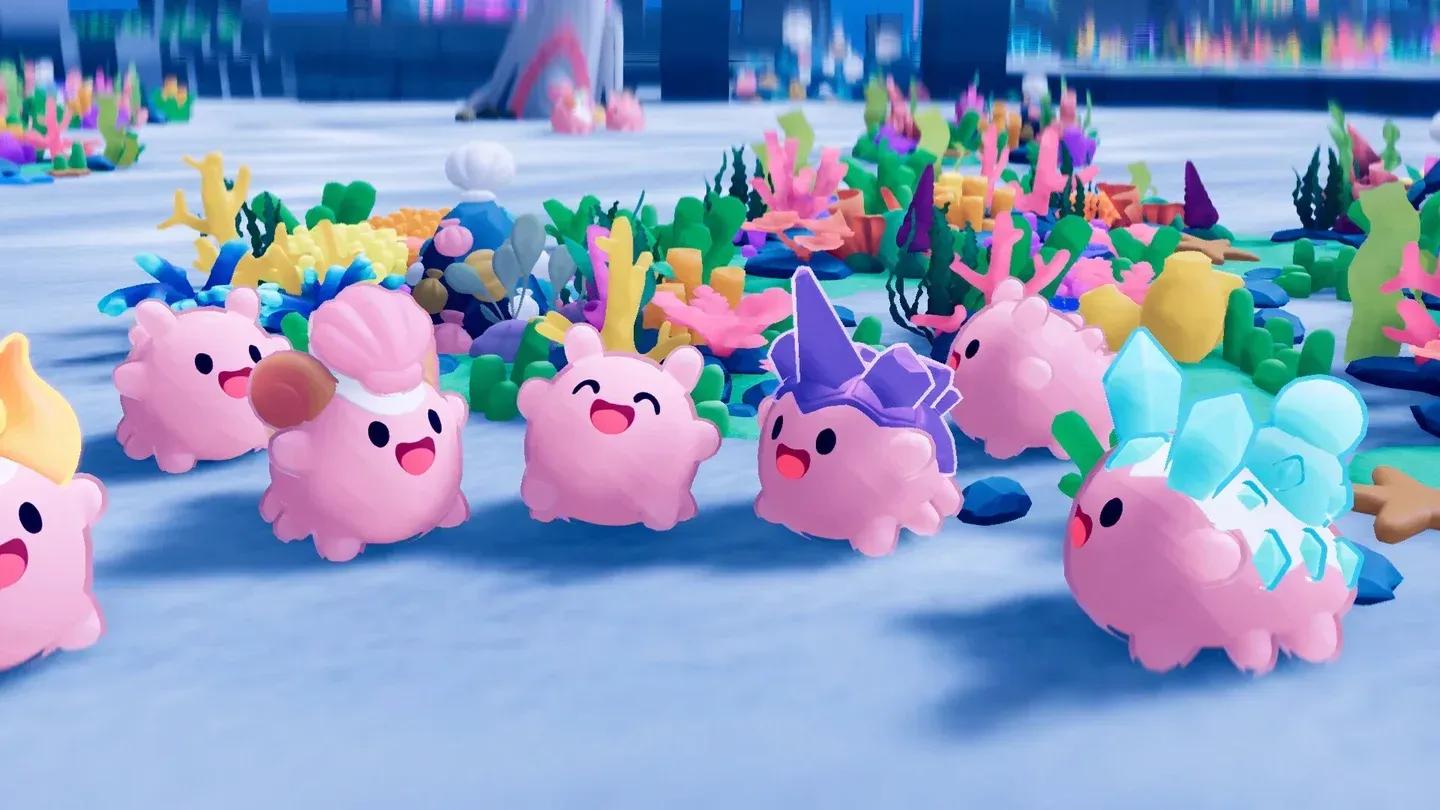
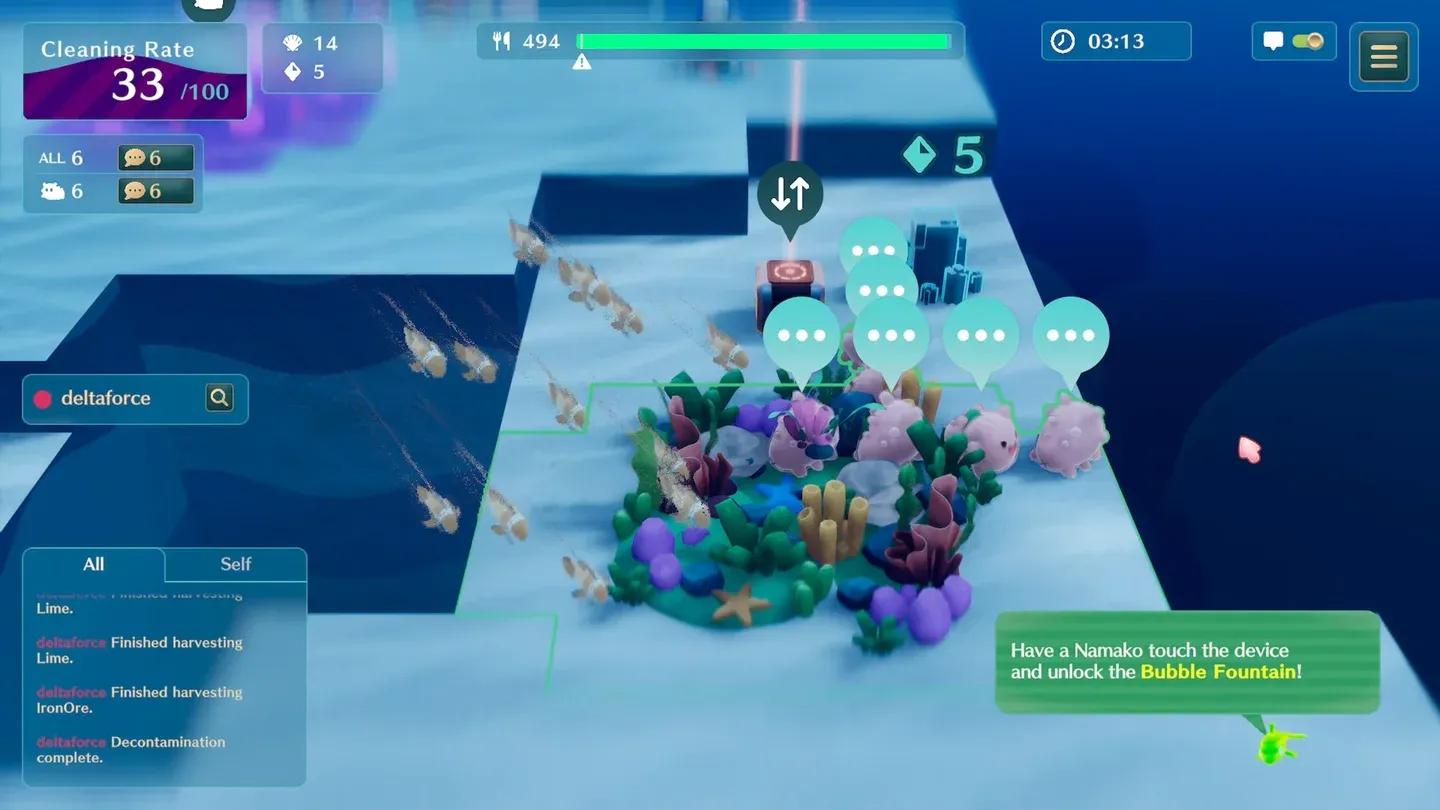
The idea behind NAMAKORIUM is pretty straightforward. Humanity is gone, the oceans are polluted, and the Namakos have been left behind as artificial lifeforms designed to clean everything up. Players take control of these little creatures, gather resources, build up their base, clear contaminated areas, and gradually restore the ocean.
What makes the setup work is how much personality the Namakos have. They are basically adorable little sea cucumbers running around doing manual labor, and watching a group of them immediately scatter to collect resources or clean up an area gives the game a charm that is hard to ignore. NAMAKORIUM doesn't take the typical serious RTS approach, and that relaxed presentation carries over into most of the gameplay.
NAMAKORIUM First Impressions
The RTS Gameplay Is Simple, But It Works
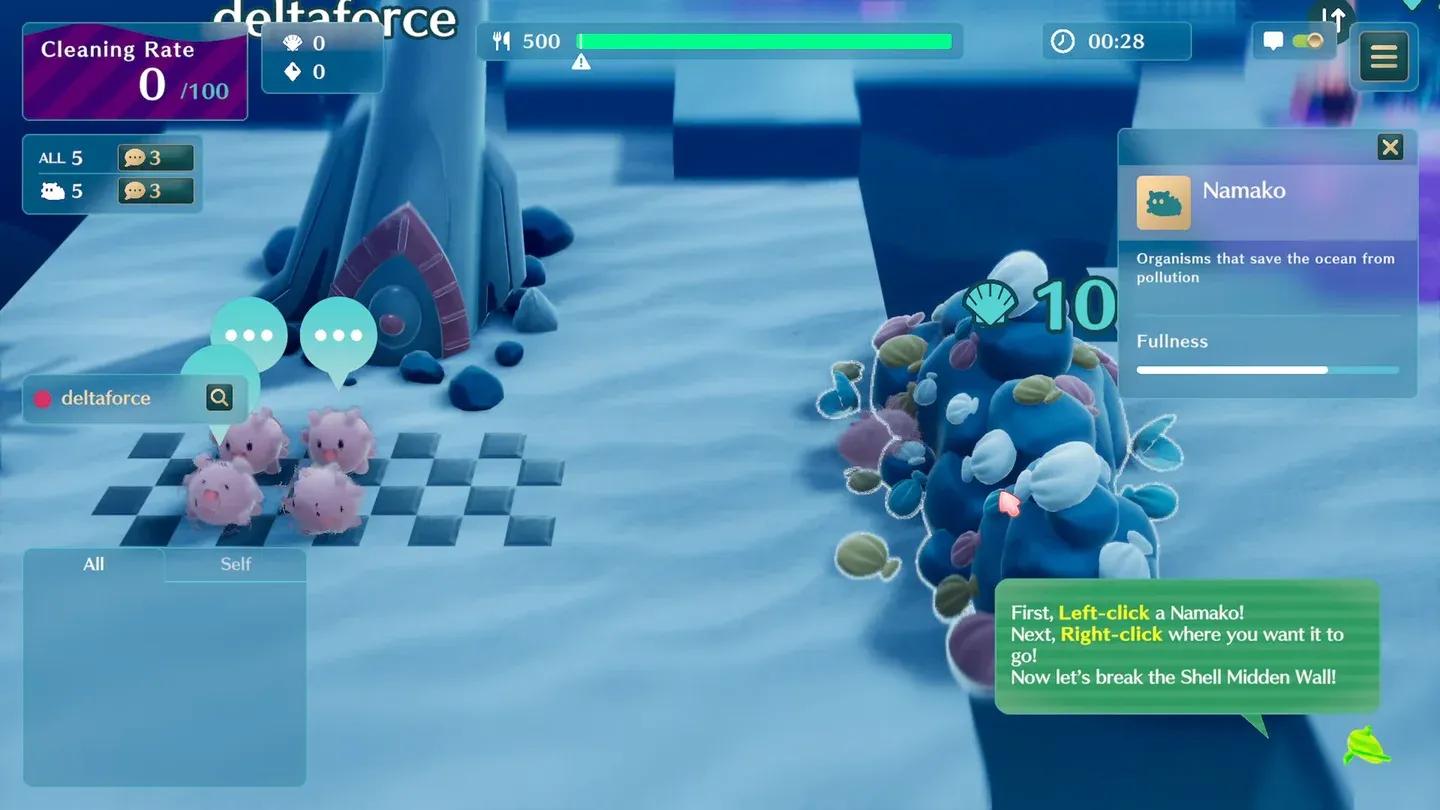
The early tutorial does a good job of easing players into the basics. Selecting a Namako and right-clicking where it needs to go is pretty much all that is required to get started, and the first few objectives involve collecting resources and clearing pollution. The game doesn't throw a massive list of mechanics at the player immediately, so even someone who isn't particularly familiar with RTS games should have little trouble figuring things out.
That simplicity is useful because the focus quickly shifts from learning the controls to managing the Namakos properly. Players need to decide where their units should go, when to bring more Namakos into the operation, and which structures should be built next. The base acts as the center of the operation, allowing players to produce more units and unlock tools that open up new areas of the map. It isn't the deepest RTS system around, but NAMAKORIUM does a good job of making each new mechanic feel like a natural extension of what was already introduced.
NAMAKORIUM First Impressions
Different Namakos Add More Strategy
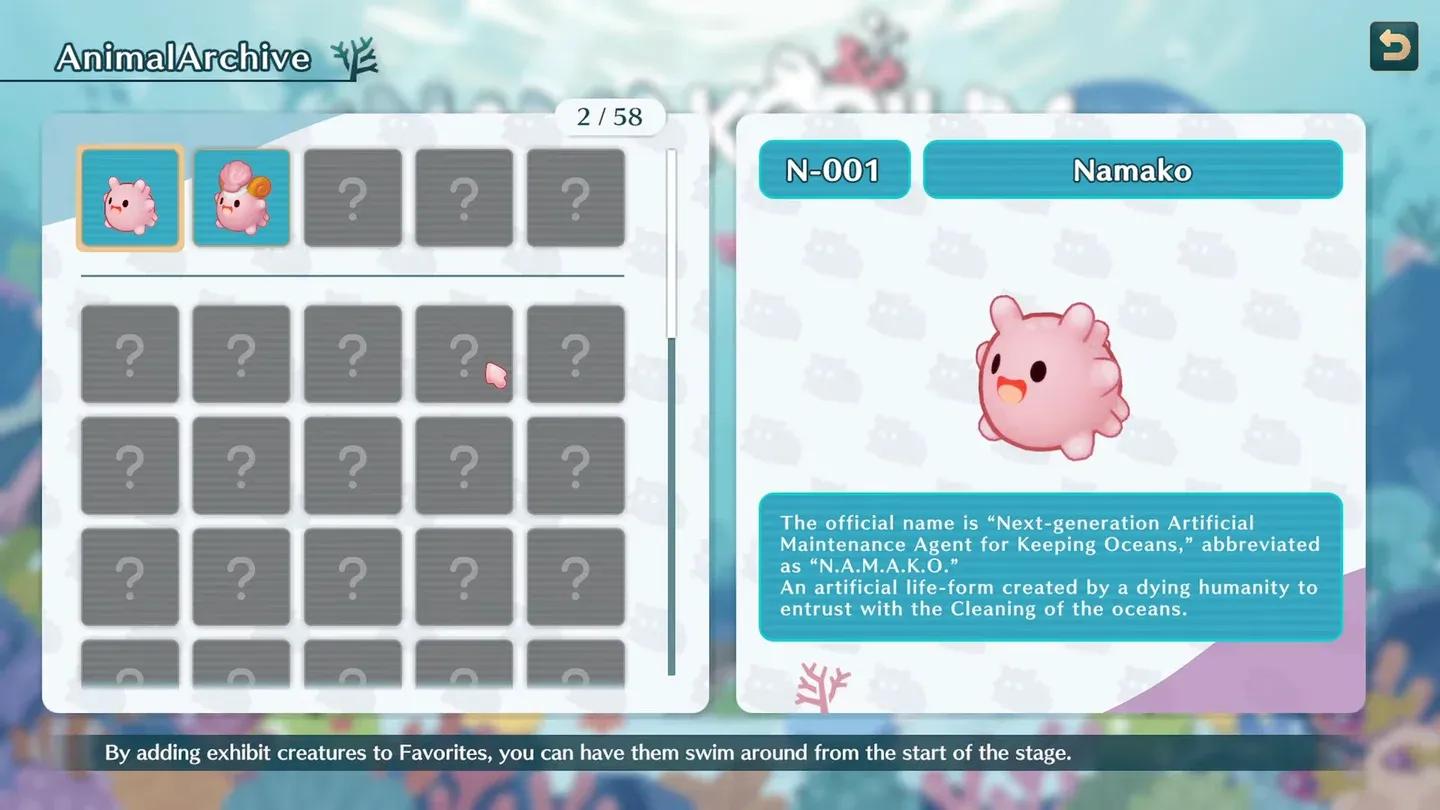
The game becomes more interesting once specialized Namakos enter the picture. The regular Namako can handle basic tasks, but other types are built for specific jobs. The Shell Namako, for example, can gather limestone and deal with certain obstacles, while other variants are designed around things like mining or surviving extreme temperatures.
This is where NAMAKORIUM starts asking the player to think beyond simply sending more units toward a problem. If an obstacle requires a particular Namako, producing another group of basic workers isn't going to help. Players have to manage their resources and choose the right units for the situation, which gives the otherwise relaxed gameplay a bit more strategy as the maps become more involved.
NAMAKORIUM First Impressions
Cleaning the Ocean Is Surprisingly Satisfying
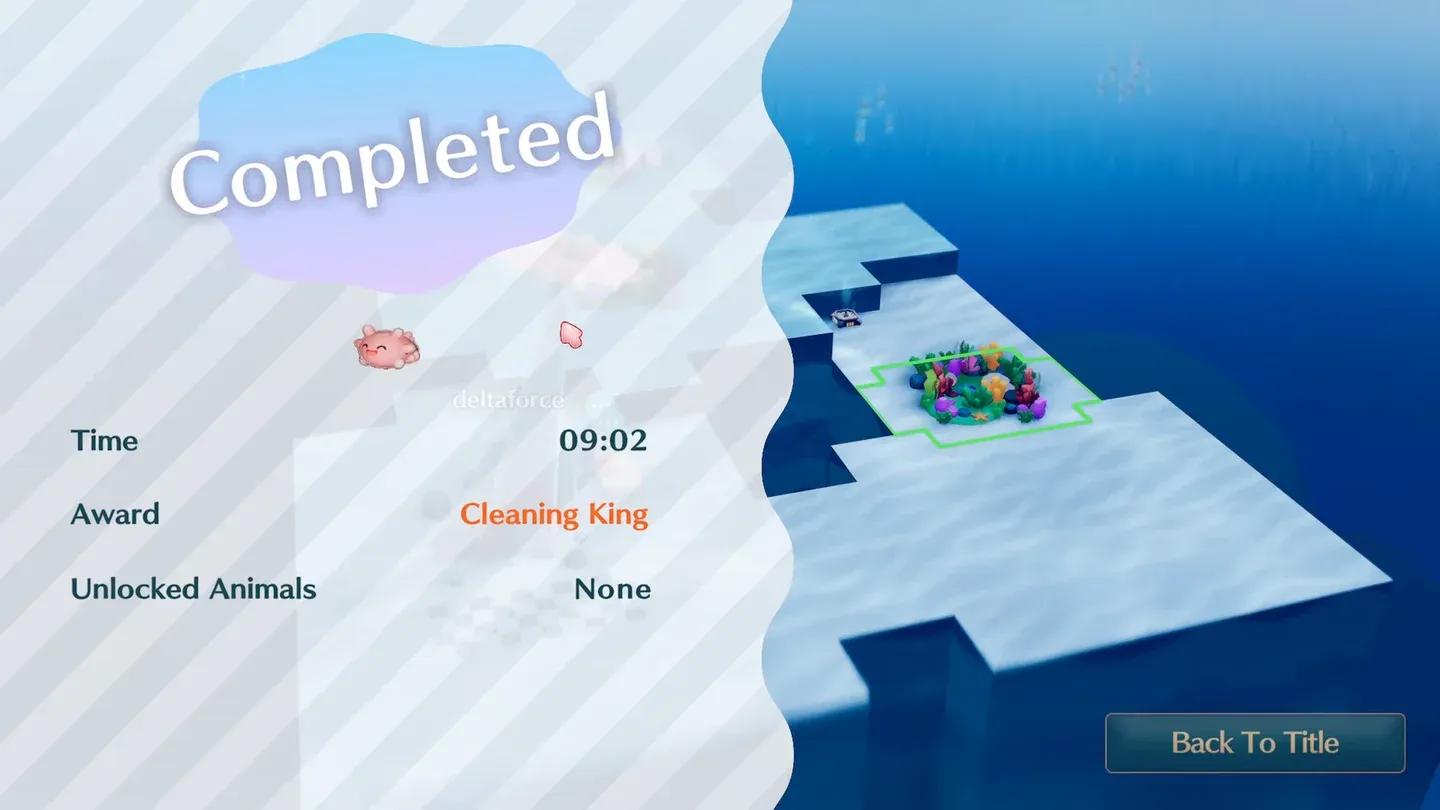
Cleaning pollution is the main activity in NAMAKORIUM, and it ends up being one of the more enjoyable parts of the experience. Sending a group of Namakos into a contaminated area and watching them gradually clear it gives each section of the map a clear purpose. The environment also changes as areas are restored, with the ocean becoming more lively as players make progress.
NAMAKORIUM First Impressions
There is something satisfying about seeing the results of that work rather than simply watching a progress bar fill up. NAMAKORIUM also ties exploration and restoration into its collection elements, giving players more reasons to look around the maps instead of rushing directly toward the next objective. The game is still fairly relaxed during these moments, but resource limits and the food system keep players from completely switching off.
Multiplayer Is Where the Game Really Clicks
NAMAKORIUM was clearly designed around cooperative play, and having multiple players makes its simple RTS systems more interesting. With up to four players working together, the group can divide responsibilities instead of having one person manage everything. One player can focus on resources while another handles exploration or specialized Namakos, and that division of work gives the game a much better sense of purpose.
NAMAKORIUM First Impressions
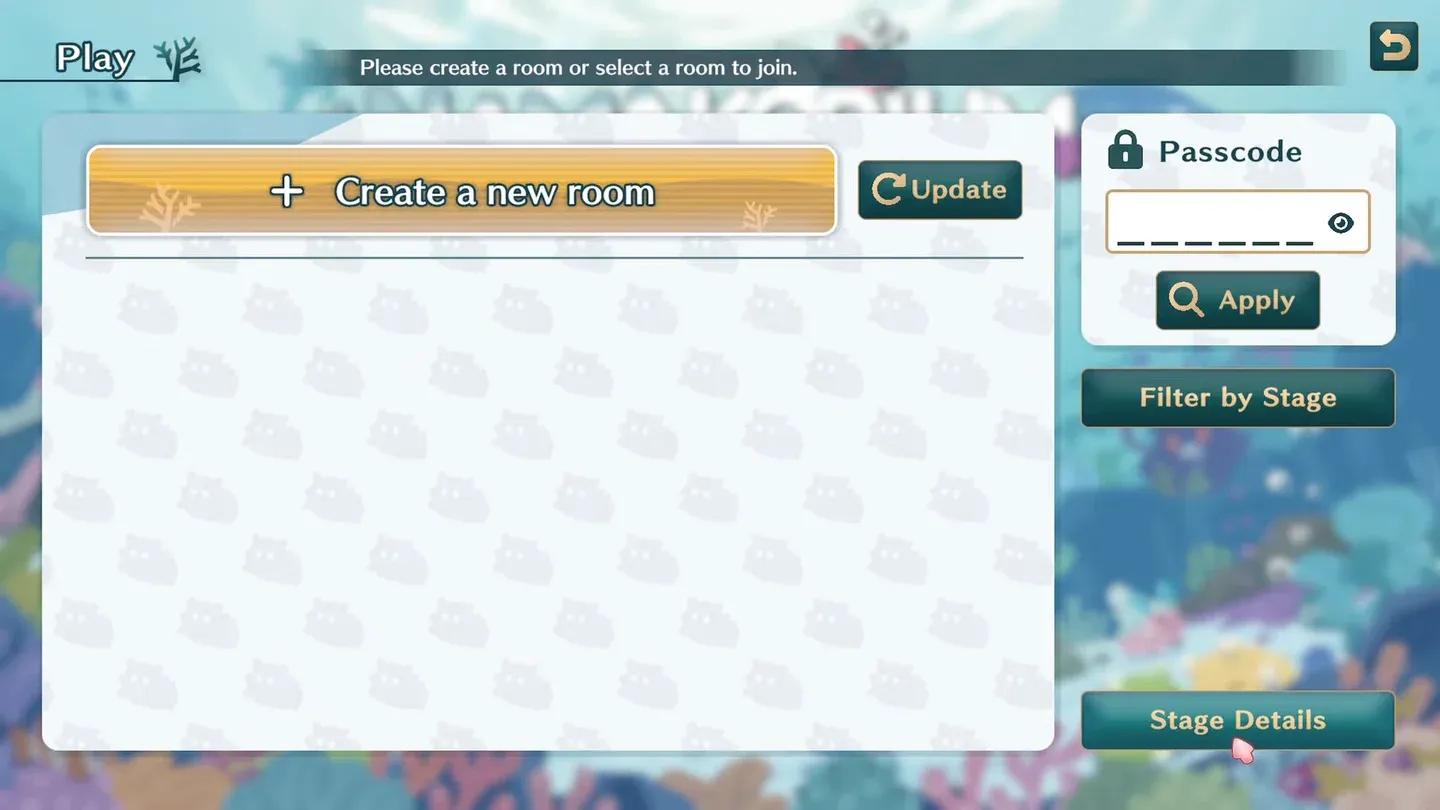
The problem during the early-access experience was actually getting people into a room. The game had a small enough player population that finding an active lobby could be difficult, especially depending on the time of day. After waiting around for a while without anyone joining, it became clear that the biggest obstacle wasn't the gameplay itself but simply having enough players online to experience the cooperative side properly. That is a rough situation for a game built around four-player teamwork, although the current Steam version does support both single-player and online co-op.
Solo Mode Gives NAMAKORIUM More Room to Breathe
The addition of Solo Mode is therefore an important part of NAMAKORIUM's development. Instead of relying entirely on other players being online, solo players can now take on the game's stages alone and play at their own pace. The current Steam description specifically presents Solo Mode as an option for players who want either a more relaxed approach or a more efficiency-focused challenge.
That fits the game's design surprisingly well. NAMAKORIUM doesn't need four players at all times for its basic mechanics to work, so being able to manage the entire operation alone makes the game much more accessible. It also gives players an opportunity to learn the different Namako types and systems without having to worry about keeping up with teammates. For a game that had difficulty filling rooms during its early days, having a proper solo option is a meaningful improvement.
The Cute Presentation Does a Lot of the Work
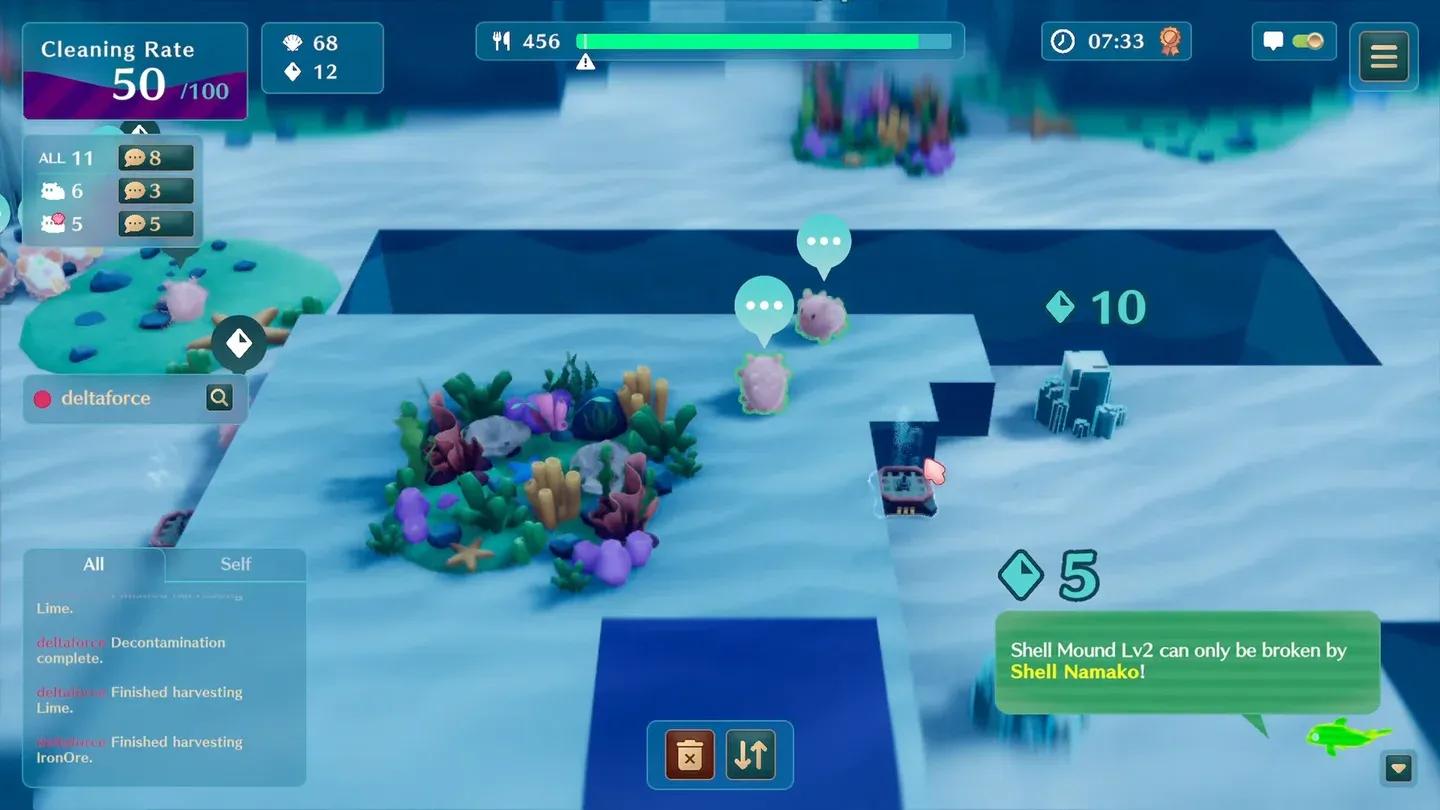
The Namakos are obviously the main attraction, but the rest of the presentation helps sell the idea. The underwater environments have a relaxed look that fits the slower pace of the strategy gameplay, while the contrast between polluted and restored areas makes progress easy to see. The soundtrack also fits the setting without getting in the way of the actual gameplay.
The cute presentation could have easily made NAMAKORIUM feel more like a simple management game, but the RTS mechanics give it enough structure to avoid that. There is still a sense of urgency when resources are running low or a particular Namako is needed to clear an obstacle. The result is a game that looks incredibly relaxed on the surface but still asks players to pay attention to what their little cleanup crew is doing.
NAMAKORIUM First Impressions
Final Thoughts
NAMAKORIUM isn't trying to compete with the bigger RTS games when it comes to complexity, and that is probably for the best. Its appeal comes from taking familiar strategy mechanics , resource management, unit control, construction, and exploration , and putting them into a much more approachable package. Controlling a group of sea cucumbers is a strange premise, but it gives the game enough personality to stand out.
The early-access multiplayer experience showed both sides of the game pretty clearly. When everything is working, sending different Namakos around the map and coordinating the cleanup operation is genuinely fun, but the small player population made it difficult to consistently experience the game's cooperative side. The addition of Solo Mode and the game's eventual full release give NAMAKORIUM a much better foundation, especially for players who don't have a group ready to play with.
For players looking for a casual RTS that can be played with friends or enjoyed alone, NAMAKORIUM is an interesting one to keep in mind. It isn't the deepest strategy game, but it doesn't need to be. Sometimes, a group of tiny sea cucumbers cleaning up a ruined ocean is enough to make an RTS worth playing.