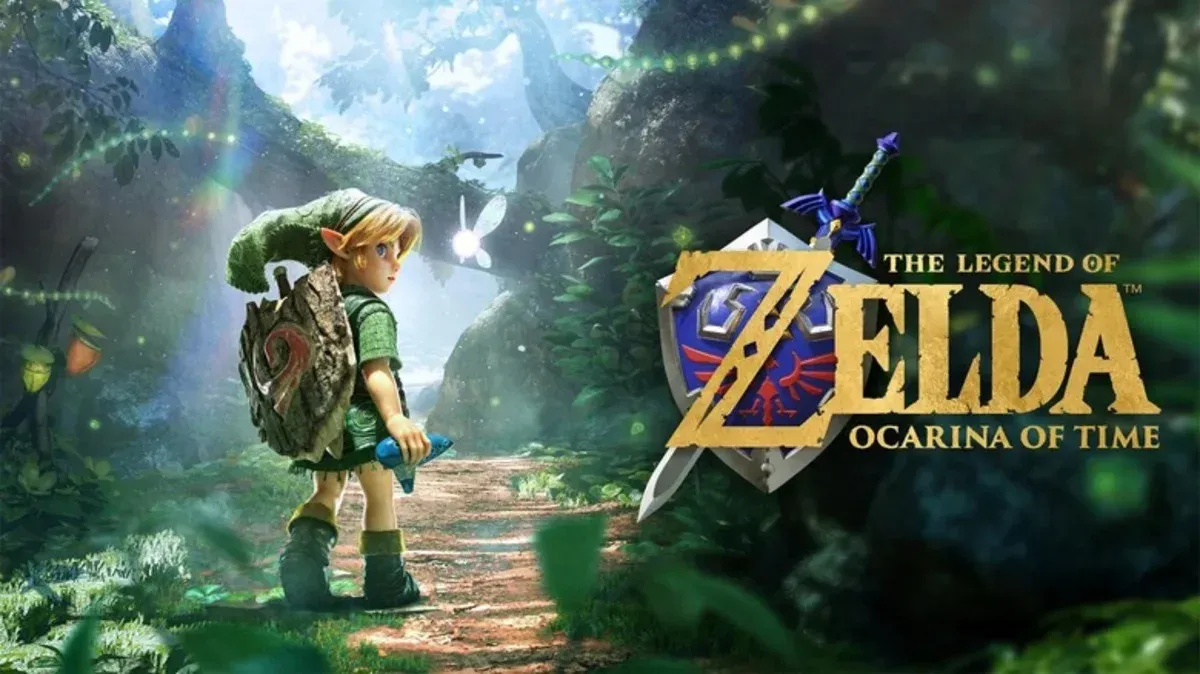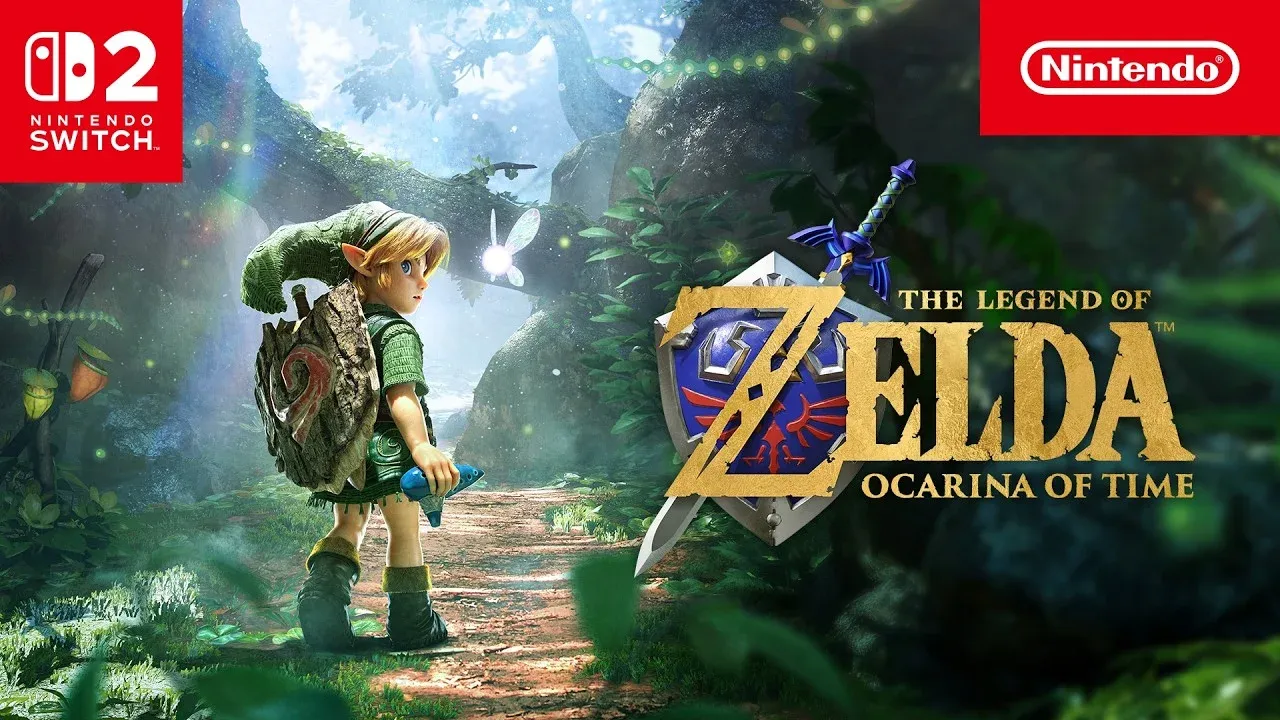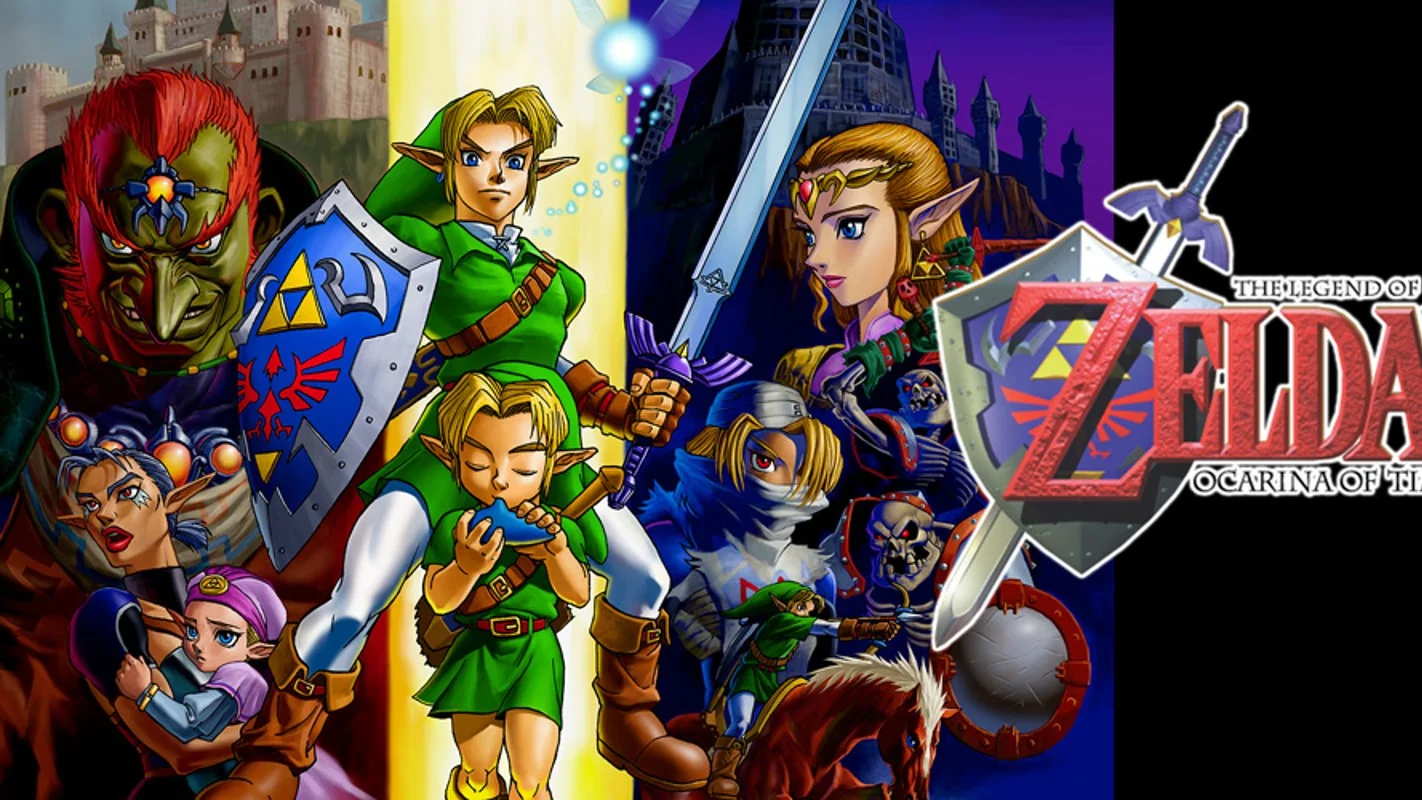

The Legend of Zelda: Ocarina of Time remake dropped planned fast-travel warp points after testing showed they took away moments of discovery. Producer Eiji Aonuma requested the feature, then asked the team to remove it. The remake launches on Nintendo Switch 2 on November 5, 2026.
For players, that decision preserves the opportunities to spot something unexpected between destinations in Hyrule. Nintendo is updating traversal, but the team found that warp points could mean missing moments of discovery.
Hyrule's shortcuts came with a cost
In Nintendo's Ask the Developer interview published on November 2, Aonuma pointed to a familiar habit: repeatedly making Link roll forward across Hyrule Field to get somewhere faster. That was something he wanted the remake to address.
His reference point was The Legend of Zelda: Breath of the Wild, where numerous warp points help players cross its vast world. Adding shortcuts seemed like a reasonable way to bring some of that convenience into Ocarina of Time. The proposal went beyond a design discussion: the team implemented the points and played with them enabled.
Those sessions changed Aonuma's mind. Traveling directly to a destination meant fewer occasions to stop, notice something unusual, and investigate it. He felt those interruptions were part of Ocarina of Time's underlying structure, making their loss a bigger problem than the travel time the shortcuts saved.
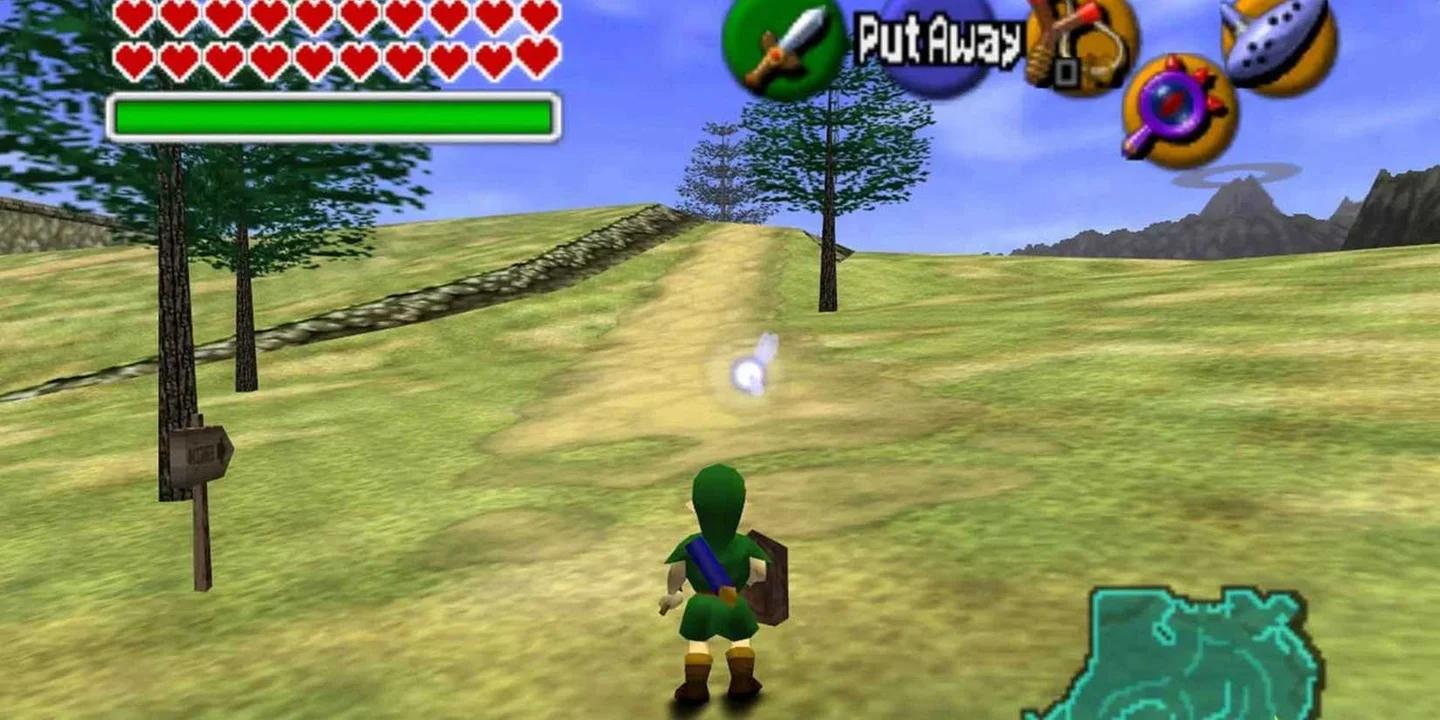
Crossing Hyrule without shortcuts

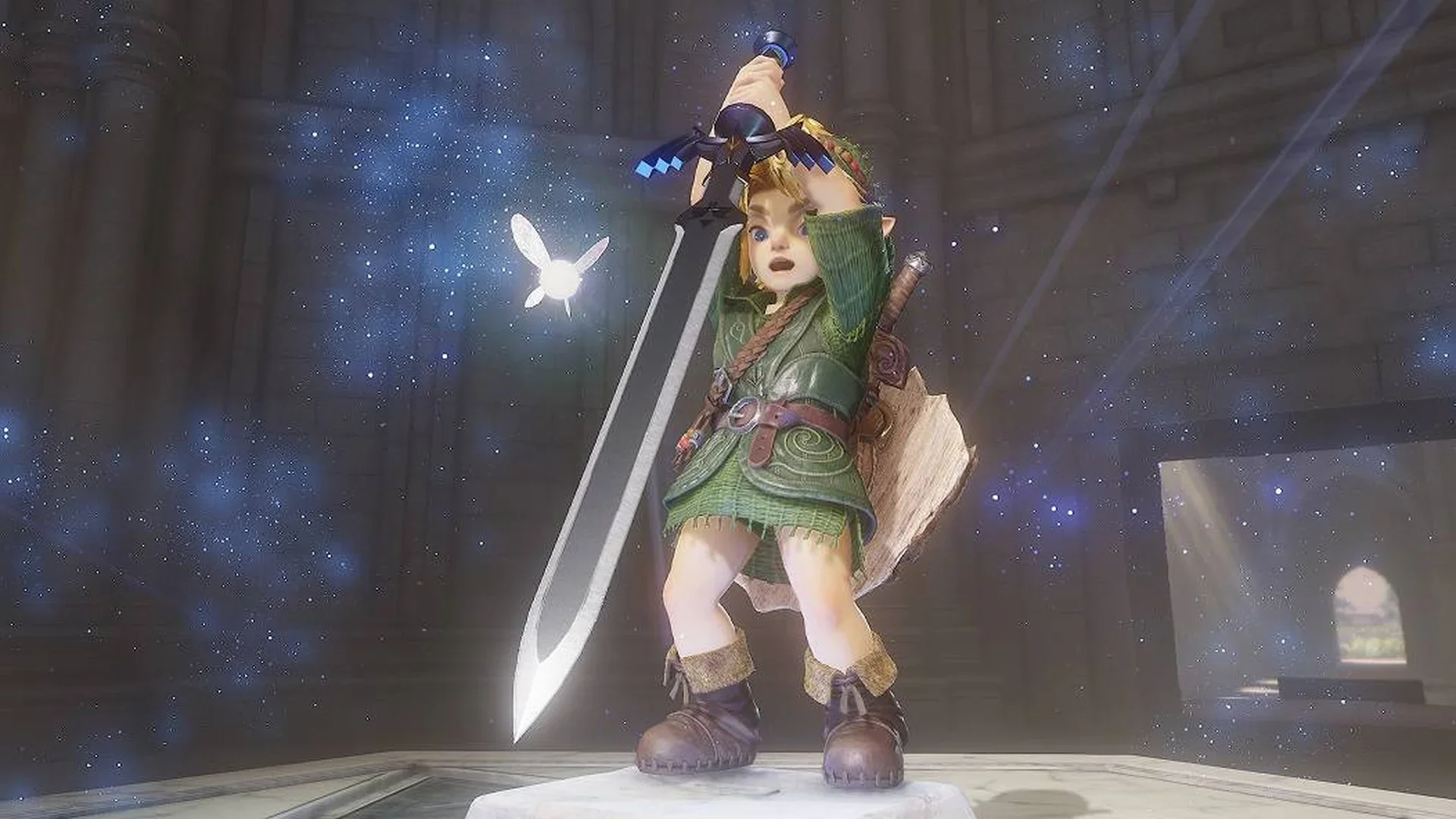
Link gets faster without skipping the journey
The decision leaves room for other movement changes. Rather than keeping every part of Link's original controls untouched, the remake includes two additions that affect how players move through its spaces:
- A sprint feature gives Link a faster way to travel on foot.
- A dedicated jump button gives players direct control over jumping.
Both changes operate within the journey itself. That makes them a different proposition from a shortcut that removes the stretch of Hyrule between departure and arrival, including whatever might catch your attention along the way.
Nintendo also deliberately retained loading screens to preserve the feeling of entering a new area. Movement speed and area boundaries received separate treatment: Link can move faster, while transitions still give individual locations a distinct entrance.
The Ocarina of Time remake changes guide covers the broader changes to the original. The travel experiment offers a particularly clear example of how the team weighed convenience against the way Hyrule is explored.
A handmade Hyrule, with selective changes
That approach also extends to the remake's presentation. Art director Aya Shida said early visual discussions drew on puppet shows and practical-effects films. The aim was to make characters feel convincing within their fantasy world without reproducing reality exactly, giving the new version a deliberately handmade quality.
Aonuma's view of the project shifted during development. He initially thought the team could make more changes, but later praised what it had built from a game first released 28 years ago. He also said the developers' attachment to the original came through more strongly than expected.
Revisiting Ocarina of Time had another purpose for the team: some younger developers may never have played the original. Aonuma saw rebuilding it as a chance for them to gain insights they could carry into future development, making the remake an opportunity to learn how its design works firsthand.
Next comes the release itself. For launch planning, check the Ocarina of Time remake release date and start-times guide.