
Completing a difficult mission, unlocking a rare character skin or reaching a new experience level can make an ordinary gaming session surprisingly satisfying. These accomplishments give players something to work towards beyond winning matches or completing the main storyline.
Modern game developers use different reward mechanics to create meaningful objectives, encourage exploration and recognise player achievements. From competitive multiplayer titles to casual mobile games, rewards have become an important part of how players interact with digital entertainment.
However, an effective reward system involves more than distributing virtual items. Its structure, accessibility, frequency and transparency can influence whether players remain interested in a game or gradually lose motivation.
Understanding Digital Reward Mechanics in Online Games
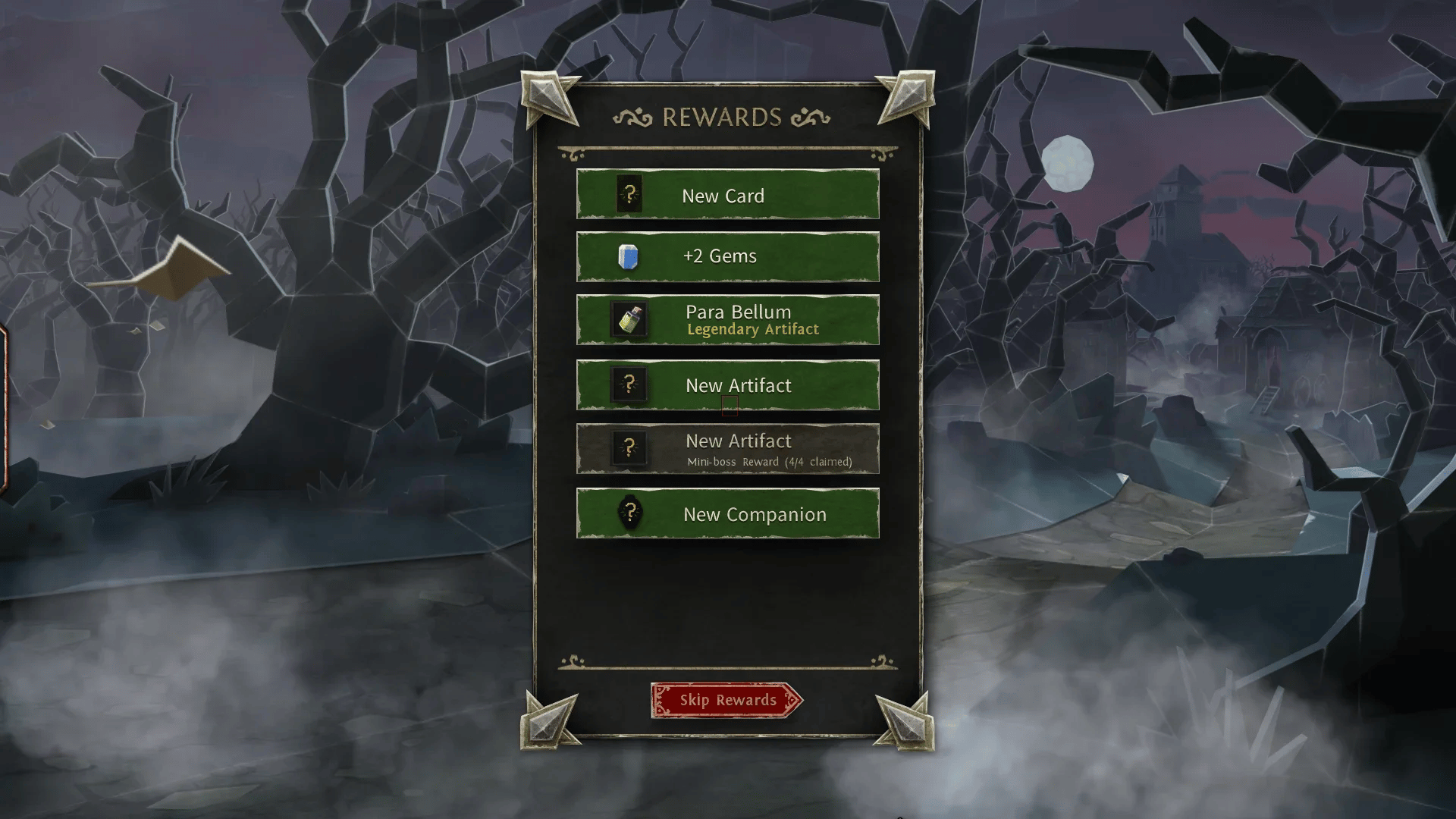
Digital reward mechanics are systems that provide players with virtual benefits after completing specific activities or meeting certain requirements. These rewards may include experience points, character upgrades, cosmetic items, virtual currencies or access to additional content.
Different Nagad88 games use rewards for different purposes. Role-playing games often reward exploration and character development, while competitive multiplayer games may recognise individual performance, teamwork and consistent participation.
Rewards can also introduce players to features they might otherwise overlook. A challenge that requires completing a mission with an unfamiliar character, for instance, can encourage experimentation and help players develop new skills.
The strongest reward systems complement the gameplay rather than becoming the only reason to play.
How Daily Challenges Encourage Consistent Participation
Daily challenges provide players with short-term objectives that can usually be completed during regular gaming sessions. They might involve participating in matches, collecting resources, completing missions or achieving specific gameplay milestones.
VALORANT, for example, uses daily and weekly progression objectives alongside account experience and other reward systems. These mechanics give players several ways to measure their progress beyond individual match results.
Daily challenges can be particularly useful for casual players who have limited gaming time. Instead of committing to lengthy missions, they can complete smaller objectives during shorter sessions.
However, developers must balance frequency with flexibility. When rewards require constant participation or punish missed sessions, an enjoyable activity can begin to feel like an obligation.
The Role of Battle Passes in Player Progression
Battle passes have become a familiar feature in multiplayer and live-service games. They typically organise rewards into progression levels that players unlock by earning experience points or completing designated activities.
Free and Premium Reward Tracks
Many battle pass systems offer free rewards alongside additional content available through a paid premium track. Depending on the game, rewards may include character outfits, emotes, weapon cosmetics and virtual currencies.
Fortnite provides an example of experience-based progression, allowing players to advance through passes by earning XP across different gaming experiences. This gives players more flexibility in how they progress.
Visible Progress and Long-Term Objectives
Battle passes give players a clear view of their progress and upcoming rewards. Knowing that a particular cosmetic item becomes available at a certain level can provide direction during gaming sessions.
Nevertheless, purchasing a battle pass does not necessarily unlock every advertised reward immediately. Players should consider the progression requirements, season duration and available gaming time before spending money.
Different Reward Models Across Digital Gaming Platforms
Digital rewards are not structured identically across every form of online entertainment. Some recognise gameplay achievements, while others depend on purchases, account activity or participation in specific events.
| Reward type | Typical requirement | Common example |
|---|---|---|
| Achievement rewards | Complete a gameplay milestone | Profile badge |
| Progression rewards | Earn experience points | Character outfit |
| Daily rewards | Complete recurring objectives | Virtual resources |
| Seasonal rewards | Participate in limited-time events | Themed cosmetics |
| Competitive rewards | Meet ranking requirements | Exclusive player title |
| Purchase-based rewards | Complete an eligible purchase | Additional digital items |
A separate category exists in adult real-money gambling. Deposit-linked promotions, such as those associated with Nagad88 casino, may include eligibility restrictions, spending conditions and wagering requirements. Unlike conventional video game achievements, these promotions involve financial risk and should not be treated as ordinary gameplay rewards.
Understanding these distinctions helps players recognise what a digital reward represents and whether receiving it involves time, skill, money or additional conditions.
How Seasonal Events Keep Online Games Interesting
Seasonal events allow developers to introduce temporary content without permanently changing a game's core mechanics. These events may feature themed maps, limited-time challenges, special game modes or collectible items.
Holiday events, anniversary celebrations and collaborative campaigns can give returning players something unfamiliar to experience. They also create opportunities for gaming communities to participate in shared activities.
Games such as Overwatch 2 and Fortnite have used seasonal updates to introduce new content and themed experiences. However, limited availability can also create unnecessary pressure when players feel they must participate before an event ends.
Well-designed seasonal events provide fresh entertainment while allowing players to enjoy the game at their own pace.
Why Achievements Matter Beyond Virtual Rewards
Not every gaming reward needs to have a monetary value or practical gameplay benefit. Achievements, trophies and profile badges can provide personal satisfaction by recognising accomplishments.
A player who completes a particularly difficult boss fight may value the associated achievement because it represents patience, practice and improved understanding of the game.
Achievement systems can also encourage players to explore optional missions, alternative storylines and hidden areas that they might otherwise miss. This type of reward works particularly well when it reflects genuine accomplishment rather than repetitive activity or unnecessary spending.
How Reward Frequency Influences Player Motivation
The timing of rewards can be just as important as the rewards themselves. Frequent rewards provide immediate feedback, while long-term rewards recognise sustained effort and progress.
For example, a role-playing game might distribute small amounts of experience after ordinary battles while reserving more significant equipment upgrades for difficult missions.
If rewards become too frequent, they may gradually lose their significance. Conversely, when meaningful rewards require excessive repetition, players may become frustrated and abandon their objectives.
A balanced system respects the player's time while making accomplishments feel worthwhile.
The Importance of Transparency in Digital Reward Systems
Players should be able to understand how rewards are earned, what conditions apply and whether participation requires additional spending. Unclear pricing, complicated virtual currency conversions and hidden eligibility conditions can make it difficult to evaluate the actual value of digital rewards.
Before committing time or money to a reward system, players should consider whether:
- The reward is free or requires a purchase.
- Progress resets when a season ends.
- Unlocking the reward requires additional gameplay.
- The item provides a gameplay advantage or cosmetic change.
- The reward has an expiration date.
- Participation fits their available time and spending budget.
When Reward Systems Start Affecting the Gaming Experience
Reward mechanics can improve a game, but they can also create problems when collecting rewards becomes more important than enjoying the actual gameplay.
Some players may find themselves completing repetitive tasks simply to maintain a daily streak. Others might continue playing after losing interest because they have already purchased a seasonal pass.
Recognising these patterns is important. Missing a virtual reward does not reduce the value of previous gaming experiences, and purchasing additional content is not necessary to enjoy every online game.
Developers can support healthier participation through flexible progression systems, reasonable objectives and transparent reward conditions.
What Makes a Digital Reward System Effective?
An effective reward system gives players meaningful objectives without restricting how they enjoy a game. It recognises achievements, supports different playing styles and communicates requirements clearly.
Flexibility is particularly important because players have different schedules and interests. Some enjoy competitive matches, while others prefer exploration, storytelling or cooperative gameplay.
Reward systems that recognise multiple forms of participation can accommodate these differences without forcing everyone to follow the same progression path.
Ultimately, rewards should complement satisfying gameplay rather than compensate for a lack of interesting content.
Keeping Rewards in Perspective
Digital reward mechanics influence how players interact with online games, measure their progress and participate in gaming communities. Daily challenges, battle passes, achievements and seasonal events can make gaming experiences more rewarding when they are designed around meaningful participation.
However, transparency, flexibility and reasonable requirements remain equally important. Players should understand the conditions attached to digital rewards and recognise when collecting them begins to interfere with their enjoyment. The most successful gaming reward systems give players meaningful reasons to return without making continued participation feel compulsory.