
A man who sold his Pokemon Trading Card Game collection to buy a house is now back at the seller's table, this time to cover an $11,000 fine. The story has gone viral for obvious reasons, and honestly, it reads like a side quest nobody asked for.
The collector, whose name has circulated widely online, originally made headlines for doing something most card players only dream about: converting a hobby into a down payment. He sold off a significant portion of his Pokemon TCG collection and used the proceeds to purchase a home. The internet celebrated him. He became the poster child for "cards as an investment" discourse.
How the fine entered the picture
Here's the thing: the legal trouble that followed has nothing to do with the card sales themselves. The fine, totaling $11,000, stems from a separate matter, and now the same collection-liquidation strategy that got him a roof over his head is the plan he is returning to. He is back to selling cards to pay off the debt.
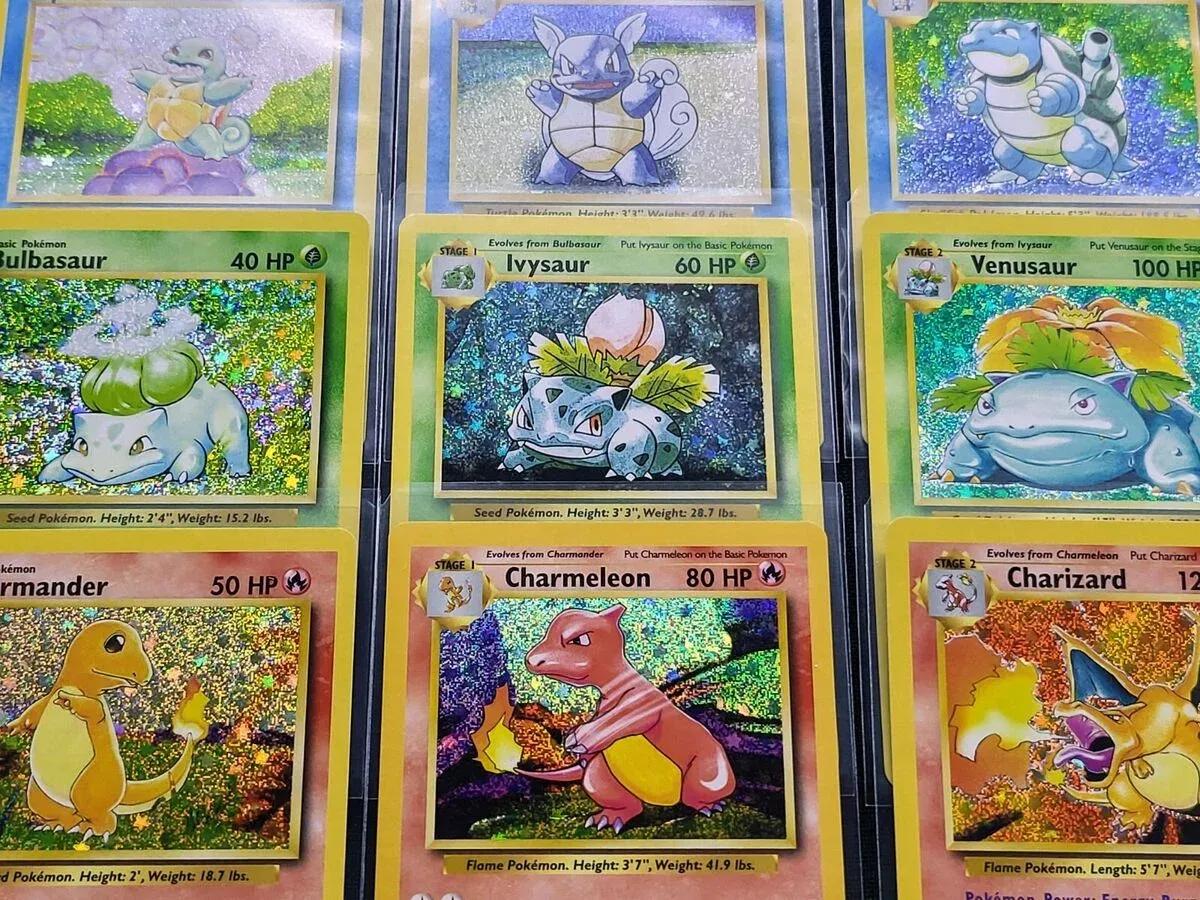
The situation puts a sharp light on something the Pokemon TCG community has known for years. High-value cards, particularly first-edition holographics and graded PSA 10 copies of sought-after prints, can carry serious monetary weight. A single card in the right condition can fetch thousands of dollars. That is not a collector's fantasy; that is the current market reality.
The before and after of Pokemon card values
To understand why this story is even possible, you need to understand how dramatically Pokemon TCG card values shifted over the past several years. Before 2020, most modern sets sat at near-retail prices. Vintage cards had value, but the market was relatively stable.
Then the pandemic hit. Collectors with time and disposable income flooded the market. Logan Paul wore a PSA 10 Pikachu Illustrator card worth over $5 million around his neck at a boxing match. YouTube pack-opening content exploded. Suddenly, cards that had been sitting in binders for two decades were worth more than used cars.
The man at the center of this story clearly understood that window. He moved his collection at the right time, turned cardboard into concrete (or at least a mortgage), and walked away from the hobby as a homeowner. That part worked exactly as planned.
What nobody plans for is needing to repeat the trick.
Selling twice is harder than selling once
The second liquidation is where things get complicated. Card values have cooled from their 2021 peak, though they remain well above pre-pandemic levels for most vintage and rare prints. Anyone who sold at the top and is now re-entering the market to sell again is working with a different deck.
The Pokemon Trading Card Game collector market is also more saturated with sellers now. Grading backlogs at PSA and BGS have shortened, meaning more graded cards are available. Buyers have more options, which compresses individual sale prices.
That said, $11,000 is not an insurmountable number for someone with a meaningful collection. A single Charizard Base Set 1st Edition in PSA 9 condition regularly sells for well above that figure. The math can still work. It just requires having the right cards left to sell.
The story resonates because it captures something true about the Pokemon TCG community: these cards have always existed in two worlds at once. They are game pieces and financial instruments, childhood memories and speculative assets. Most players pick one relationship with their collection. This collector has now used his as a financial tool twice, which is either impressive or exhausting depending on how you look at it.
If you want to keep up with the wider world of card-based gaming, the Kaiju Cards game page is worth bookmarking, and the Kaiju Cards guides cover the strategic side for anyone looking to build competitive knowledge alongside their collection.