

Picture this: you finally get a lottery number at a dedicated Pokemon Card Store in Japan, wait in line, and then have your face scanned before you can buy a single booster pack. That is now the reality at The Pokemon Company's new official retail locations, and honestly, given how bad the scalping situation has gotten, it is hard to argue with the logic.
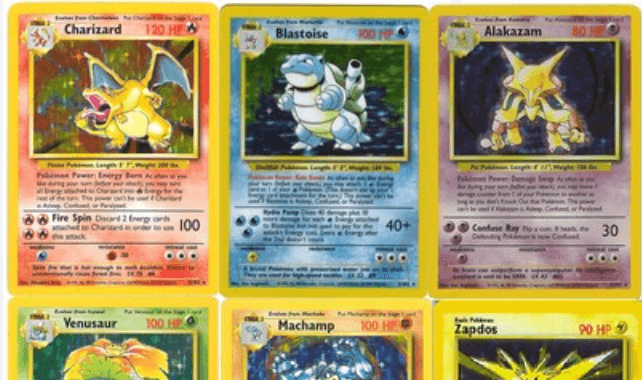
The Pokemon Company has announced the launch of dedicated Pokemon Card Stores across Japan, five locations to start, with each one built around selling Pokemon TCG packs, related merchandise, and even hosting free classes on how to play the game. The twist is buried in the store policy: every customer who is elementary school age or older will have their facial data collected by a recognition system installed specifically to prevent what the company describes as criminal activity. Preschoolers are exempt, which is a sentence that genuinely had to be written.
How the lottery system actually works
To understand why facial recognition makes sense here, you need to know how high-demand product releases work in Japan. Stores hand out numbered tickets to everyone who lines up, and buyers are called in batches to purchase. The problem is scalpers have been showing up multiple times, or sending groups of paid stand-ins, to collect more numbers than any single legitimate buyer should have. The result is genuine collectors getting shut out while resellers flood secondary markets with product.
The facial recognition system is designed to enforce a strict one-face, one-number policy. The company also instructs customers to notify staff before leaving to use the bathroom, which tells you everything about how determined some resellers have been about gaming these systems.
A franchise pushed to its limits by resellers
This move does not exist in a vacuum. Earlier this summer, The Pokemon Company announced plans to use Japan's standardized My Number Card ID system to verify certain online purchases through its official Japanese Pokemon TCG website. The facial recognition rollout at physical stores is the next escalation in what has become a sustained campaign against the reseller economy that has taken hold around Pokemon cards.
The scale of the problem is staggering. Roughly 10 billion Pokemon cards were printed in the last year alone, and demand still outpaces supply at retail for sought-after sets. The secondary market pressure has gotten so severe that an unofficial Pokemon TCG store in New York was robbed at gunpoint of $100,000 worth of merchandise earlier this year. That is not a collector problem. That is a full-blown economic distortion.
For fans of the franchise who grew up playing Pokémon X and have since moved into collecting the physical card game, the irony stings. A hobby that started as something accessible to kids is now gated behind surveillance technology and government ID checks just to buy a pack at retail price.
What this means for collectors outside Japan
Here's the thing: The Pokemon Company's Japan operations tend to set the template for how the broader franchise handles problems. My Number Card verification started as a Japan-only measure, and the facial recognition rollout is still contained to these five stores. But the direction of travel is clear. The company is willing to build significant friction into the buying process if it means cutting scalpers out of the equation.
For collectors outside Japan, the immediate practical impact is minimal. But the signal matters. The Pokemon Company is treating the scalping problem as a long-term structural issue, not a temporary stock shortage that will resolve itself. That framing suggests more anti-scalper infrastructure is coming, potentially including tighter purchase limits and ID verification systems in other markets.
The key here is that facial recognition is not a soft deterrent. Being logged in a biometric database just to buy a booster pack is a meaningful barrier, and it is one that repeat scalpers cannot easily route around the way they can with fake names or multiple accounts.
If you want to stay across how The Pokemon Company's broader game ecosystem is evolving alongside these real-world developments, the Pokémon X guides collection is a solid starting point for the franchise's history and mechanics. For a wider look at what is happening across the gaming world right now, the full gaming guides hub has you covered.