
Biggest discounts, free games, and limited-time offers across every major gaming store.
Never pay full price again.
Overview
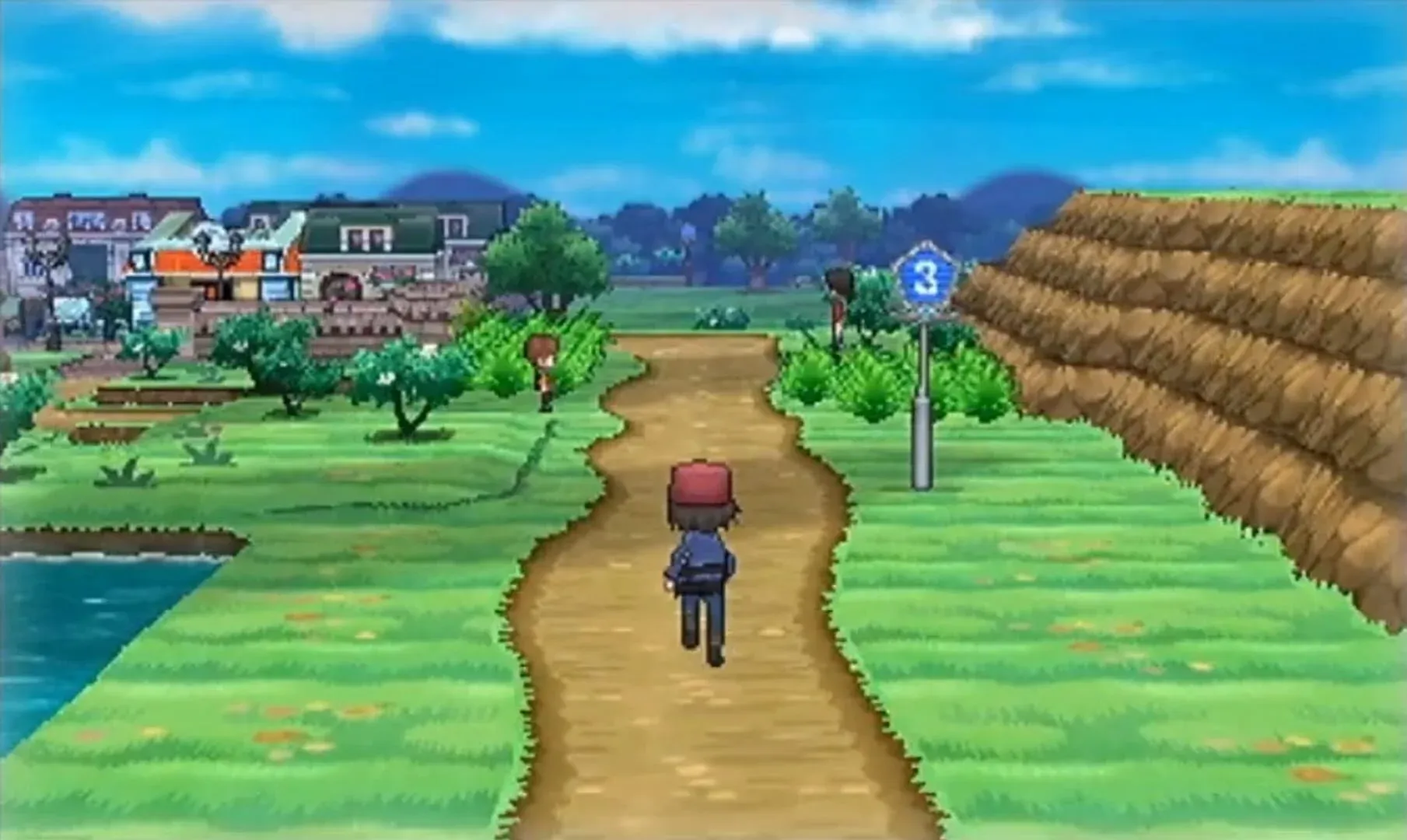
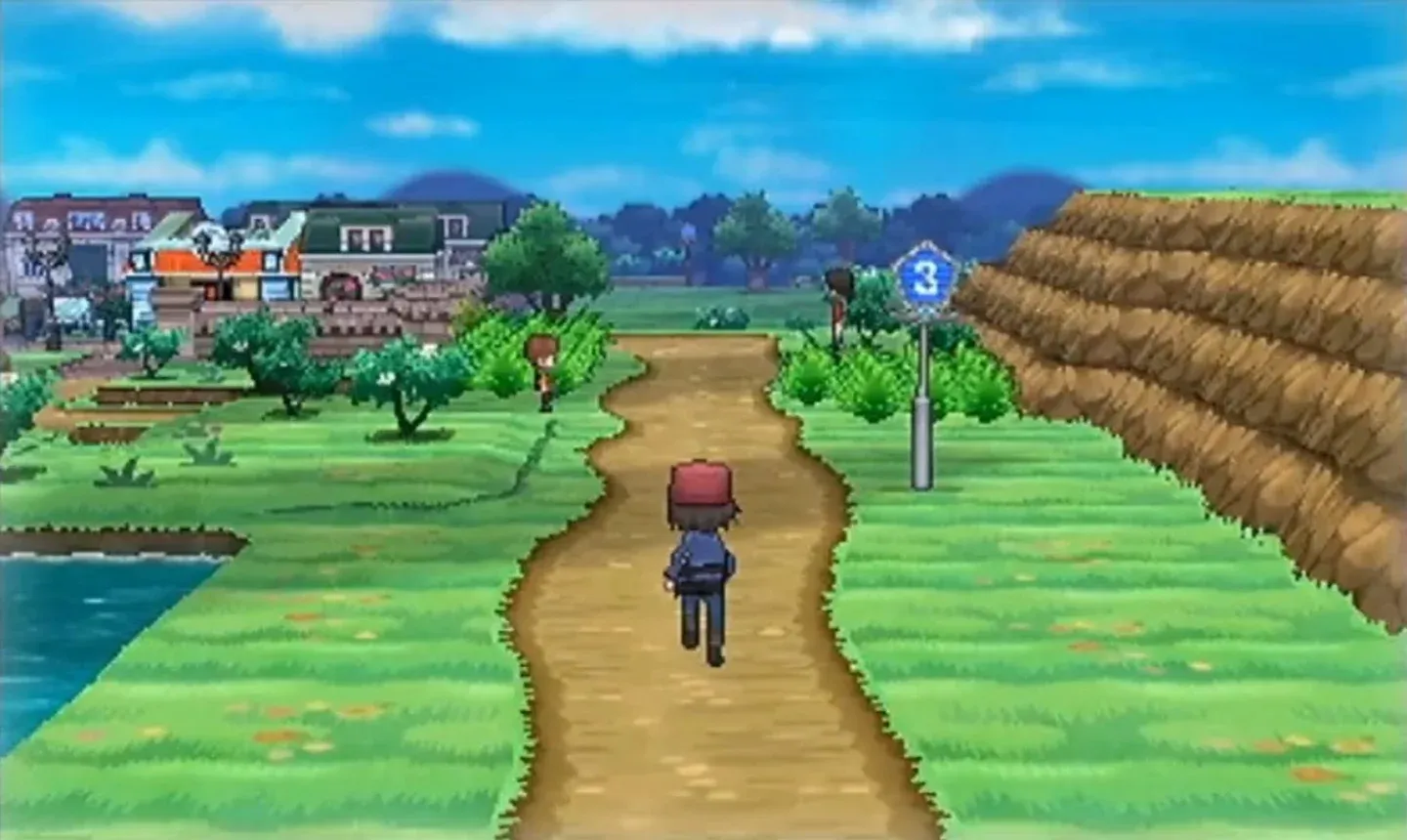
Pokémon X is a turn-based RPG developed by Game Freak and published by The Pokémon Company, originally released on October 12, 2013. It launched alongside Pokémon Y as the sixth generation of the mainline series, and the shift to full 3D visuals was the most dramatic visual overhaul the franchise had seen since its Game Boy origins. The Kalos region, inspired by France, gave players a sprawling map of cities, routes, and landmarks to explore, with Lumiose City serving as the central hub players return to repeatedly throughout the adventure.
The story follows a young trainer who arrives in Kalos and quickly gets drawn into the schemes of Team Flare, a stylish but sinister organization with unclear motives. Professor Sycamore hands out starter Pokémon and occasionally challenges the player to battles himself, a small touch that made him feel more present than most professors in the series. The narrative moves at a steady pace and leans into friendship and legacy as its core themes.
Pokémon X content image
Gameplay and mechanics
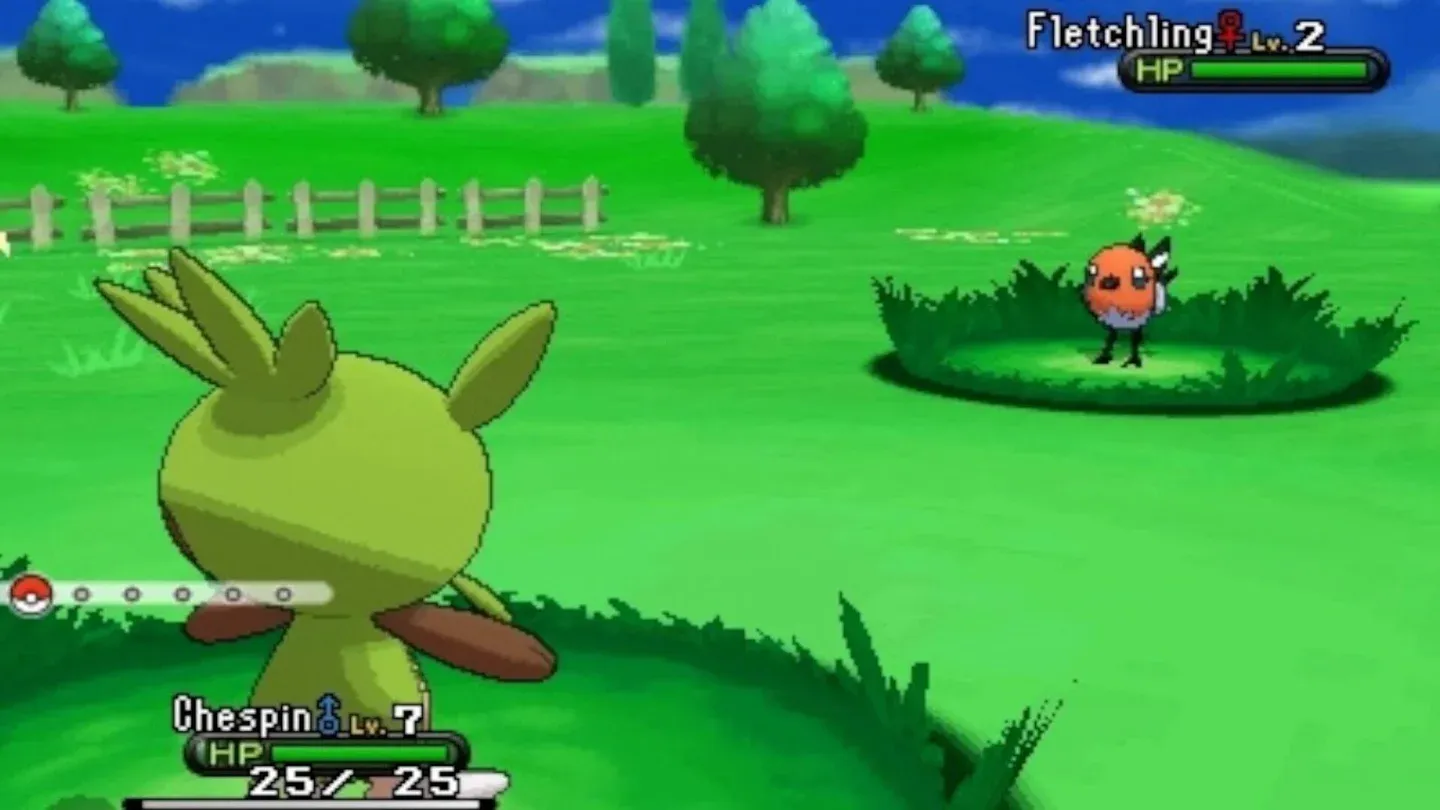
At its core, Pokémon X follows the familiar loop that has defined the series for decades: catch Pokémon, train them, earn Gym Badges, and challenge the Elite Four. What sets this entry apart is the density of new systems layered on top of that foundation.
Key features introduced in Pokémon X:
- Fairy type, the first new type in nearly a decade
- Sky Battles, restricted to Flying-type and levitating Pokémon
- Horde Encounters, pitting one Pokémon against five wild opponents simultaneously
- Pokémon-Amie, a touch-based bonding system that can influence battle performance
- Character customization, letting players change hair, skin tone, and clothing
The EXP Share item was also reworked here to distribute experience to the entire party rather than a single Pokémon, a change that fundamentally altered the pacing of the game and became one of the most debated design decisions in the franchise's history.
What is the Fairy type and why does it matter?
The Fairy type arrived as a direct counter to Dragon-type Pokémon, which had dominated competitive play for years. Fairy moves are super effective against Dragon types and immune to Dragon-type attacks entirely, which reshuffled the competitive meta in a way no single addition had managed since the introduction of Steel types in Generation 2. Pokémon like Sylveon, the new Eevee evolution, Gardevoir, and Clefable were reclassified as Fairy types, giving familiar faces new strategic roles.
Pokémon X content image
The addition also rebalanced Poison and Steel types, both of which became effective against Fairy moves. For competitive players, the Fairy type alone gave Pokémon X lasting relevance beyond its story content.
World and setting
Kalos is one of the most visually distinct regions in the series. Its French inspiration shows up in the architecture, the fashion sensibility of its NPCs, and the general aesthetic of Lumiose City, which is modeled loosely on Paris. The 3D engine let Game Freak build environments with actual depth, moving away from the flat tile grids that had defined the series since 1996.
The region spans 18 routes and includes a variety of biomes, from snowy mountain passes to dense forests and coastal cliffs. Each area ties into the broader story of Kalos and its history with a legendary war, details the game surfaces gradually through optional dialogue and lore scattered across the map.
[IMAGE]
Impact and legacy
Pokémon X sits at a specific crossroads in the franchise's timeline. It brought in a generation of players who had drifted away from the series, largely on the strength of the visual upgrade and the accessibility of its systems. The Pokémon-Amie feature anticipated the direction Game Freak would continue with Pokémon Refresh and later Pokémon Camp. Character customization became a fan expectation rather than a bonus feature. The turn-based battle system received enough new wrinkles to feel fresh without alienating longtime players. For a franchise built on iteration, Pokémon X made changes that actually stuck.