Overview
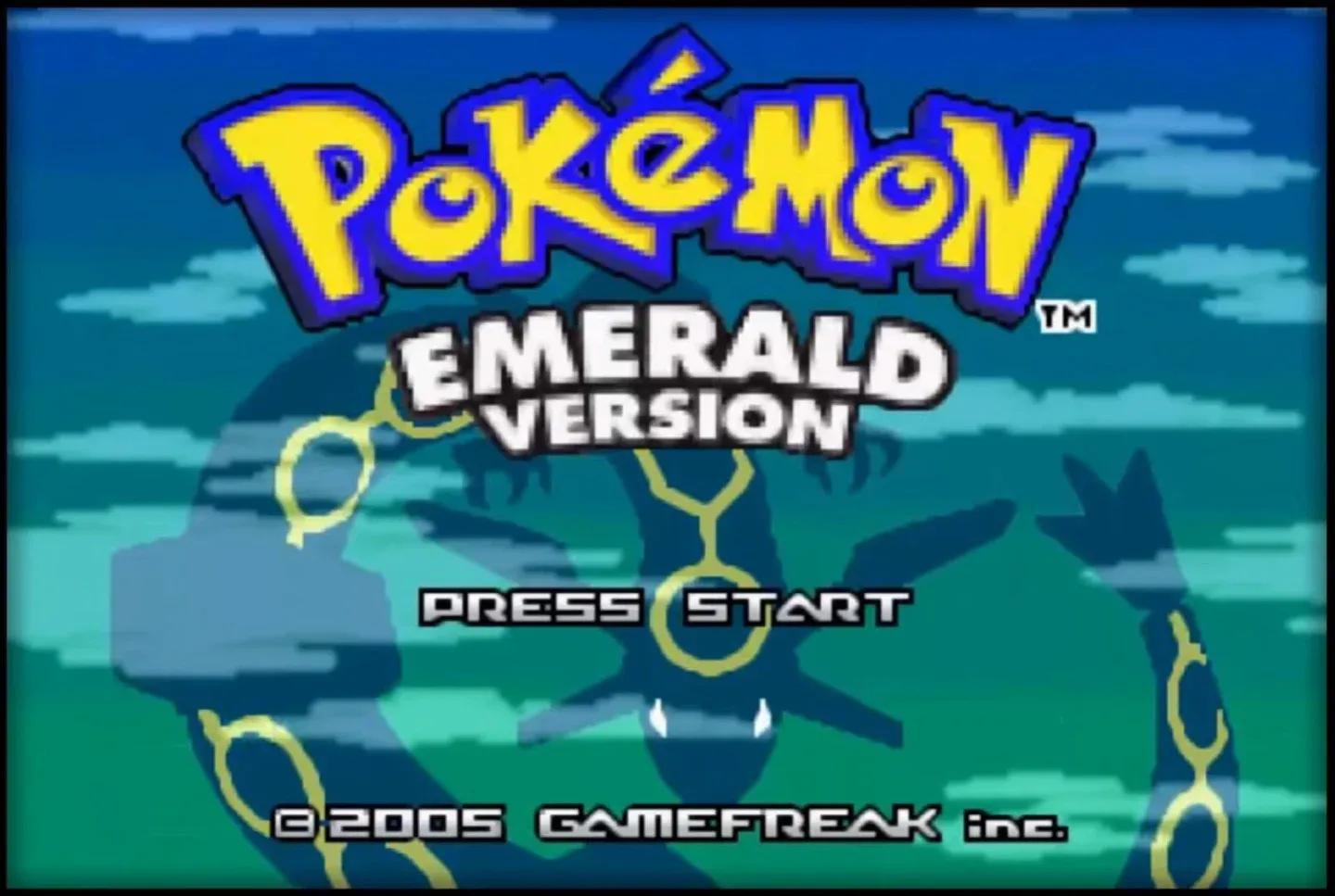
Pokémon Emerald Version, developed by Game Freak and published by Nintendo, launched in September 2004 as the enhanced third entry in the third-generation Pokémon series. Where Ruby and Sapphire split the conflict between two rival teams, Emerald brings both Team Magma and Team Aqua into direct opposition, creating a storyline with more momentum and higher stakes than either predecessor managed on its own.
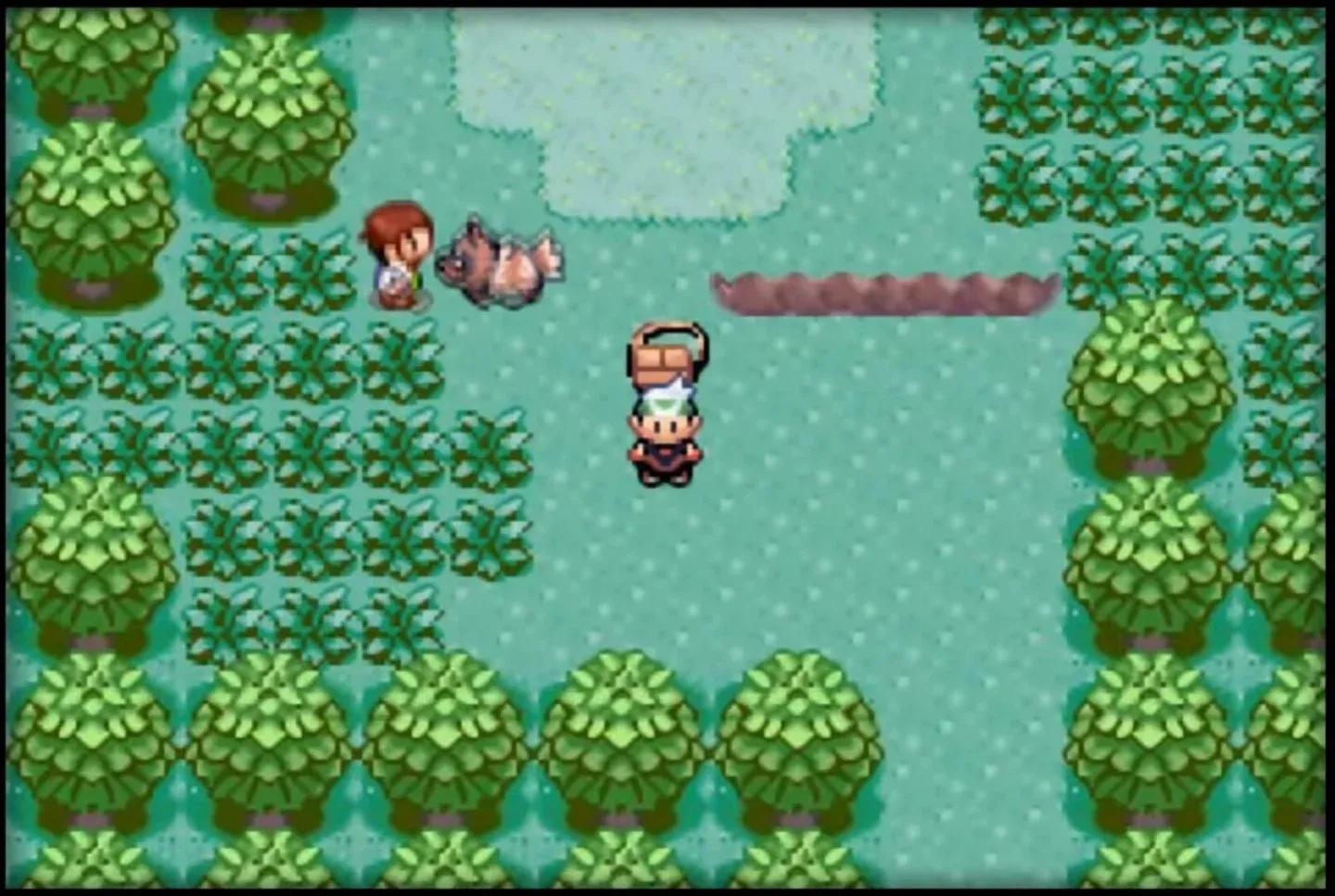
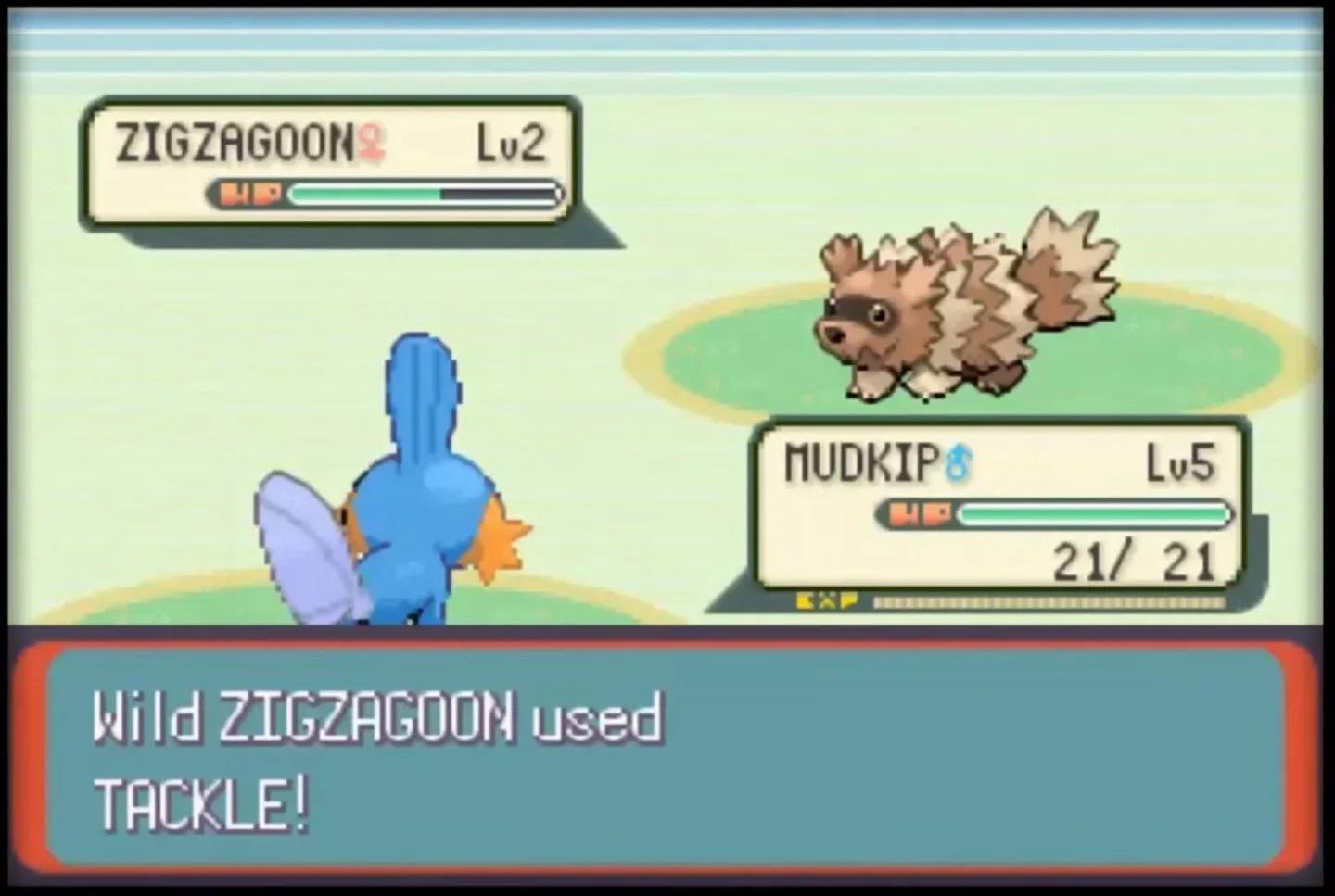
The core turn-based RPG gameplay remains what longtime fans expect: explore towns and routes, catch wild Pokémon, build a team, earn eight gym badges, and challenge the Elite Four. Emerald does not reinvent that formula, but it refines it. Unique idle animations for every Pokémon in battle were a notable visual upgrade for the Game Boy Advance era, giving each creature a sense of life that the static sprites of Ruby and Sapphire lacked.

Pokémon Emerald Version content image
The Battle Frontier, Emerald's most significant content addition, replaces the single Battle Tower from Sapphire with a full facility featuring seven distinct challenge arenas. Each arena operates on different rules, demanding that players think beyond raw power and build teams with specific strategies in mind. For competitive-minded players, this alone justified the game's existence.
World and setting: the Hoenn region at its fullest
Hoenn is a region built around water and land in constant tension, and Emerald leans into that conflict harder than its siblings. The narrative escalates when both legendary Pokémon, Groudon and Kyogre, are awakened simultaneously, triggering a catastrophic clash that threatens the entire region. Rayquaza, the sky dragon dormant at the top of Sky Pillar, becomes the answer to that crisis and is catchable before the Elite Four at a high level, rewarding players who take the time to reach it.

Pokémon Emerald Version content image
The aesthetic changes throughout the world are subtle but consistent. Weather effects, NPC dialogue, and small environmental details reinforce the sense that this is a world genuinely reacting to the chaos unfolding around it. It is not a dramatic visual overhaul, but the accumulated details make Hoenn feel more complete here than in either Ruby or Sapphire.
Pokémon Emerald Version content image
Gameplay and mechanics: what makes Emerald the definitive Hoenn experience?
Emerald's key mechanics and features include:
- Battle Frontier with 7 unique challenge facilities
- Unique battle animations for all Pokémon
- Dual villain teams driving the main story
- Rayquaza catchable before the Elite Four
- Expanded post-game content compared to Ruby and Sapphire
The turn-based battle system operates on the same type-matchup and stat-driven foundation that defines the series, but the Battle Frontier pushes that system to its limits. Factory sets, where players draft random Pokémon rather than their own team, test adaptability. The Pike and Pyramid introduce survival elements that punish poor resource management. These facilities remain some of the most demanding optional content Game Freak has ever built into a mainline Pokémon title.
Pokémon Emerald Version content image
Impact and legacy
Emerald holds a specific place in the series' history as the game that demonstrated how much a third version could add when developed with genuine ambition. The Battle Frontier became the benchmark that fans measured later games against for years, and its absence from subsequent titles remains a point of frustration in the community. The dual-team narrative structure Emerald introduced influenced how later games handled their villain organizations. For anyone tracing the evolution of the turn-based RPG formula that defines Pokémon, Emerald is the third-generation entry that earns the most attention.