Overview
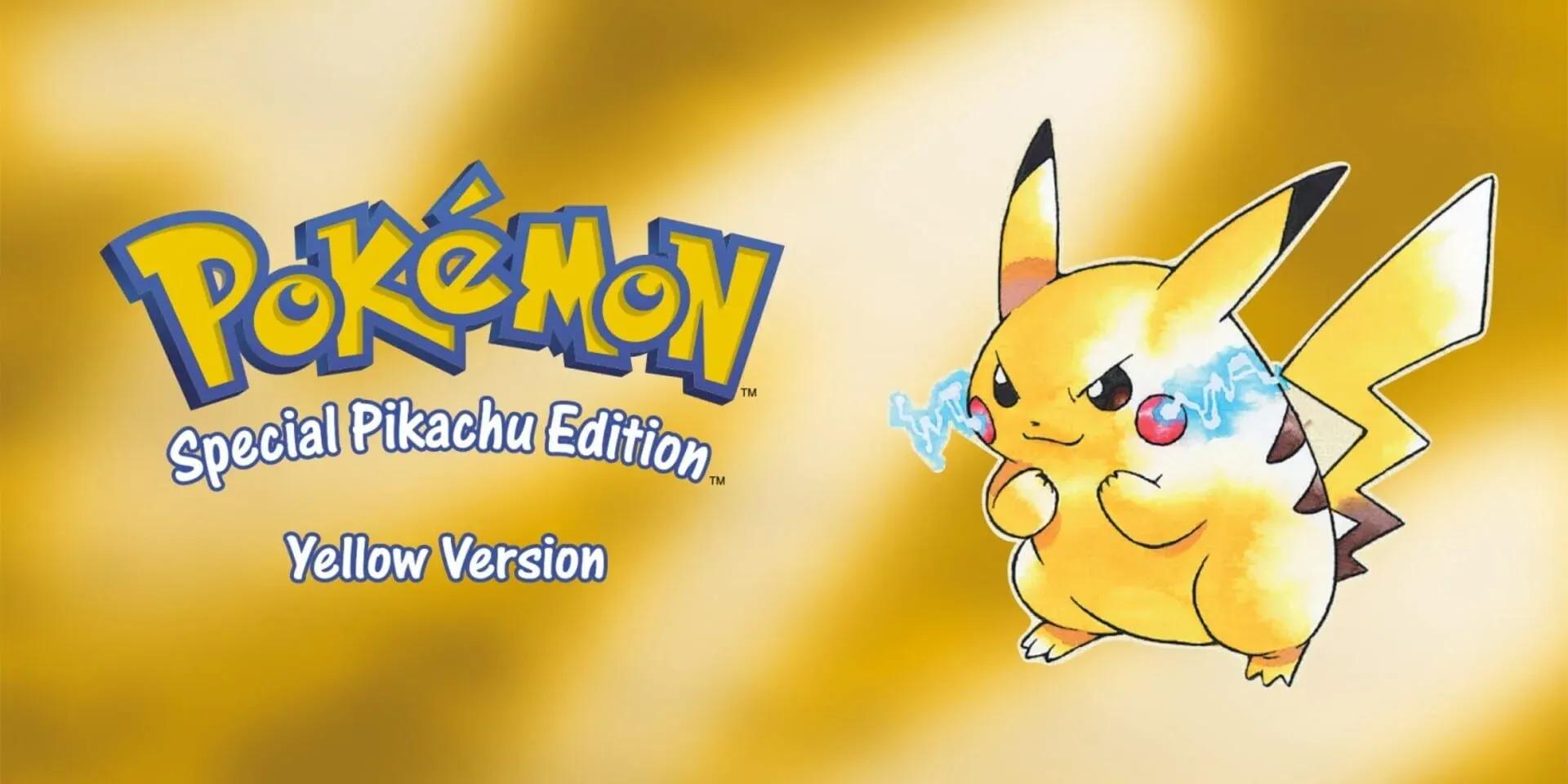
Pokémon Yellow Version: Special Pikachu Edition launched in September 1998 as Game Freak's answer to a simple question: what if the game actually looked like the show? Built on the same foundation as Pokémon Red and Blue, Yellow takes place across the Kanto region and tasks players with catching all 151 Pokémon species, defeating eight Gym Leaders, and eventually toppling the Elite Four. The core turn-based RPG loop is identical to its predecessors, but the changes layered on top make Yellow feel like a meaningfully different game rather than a palette swap.
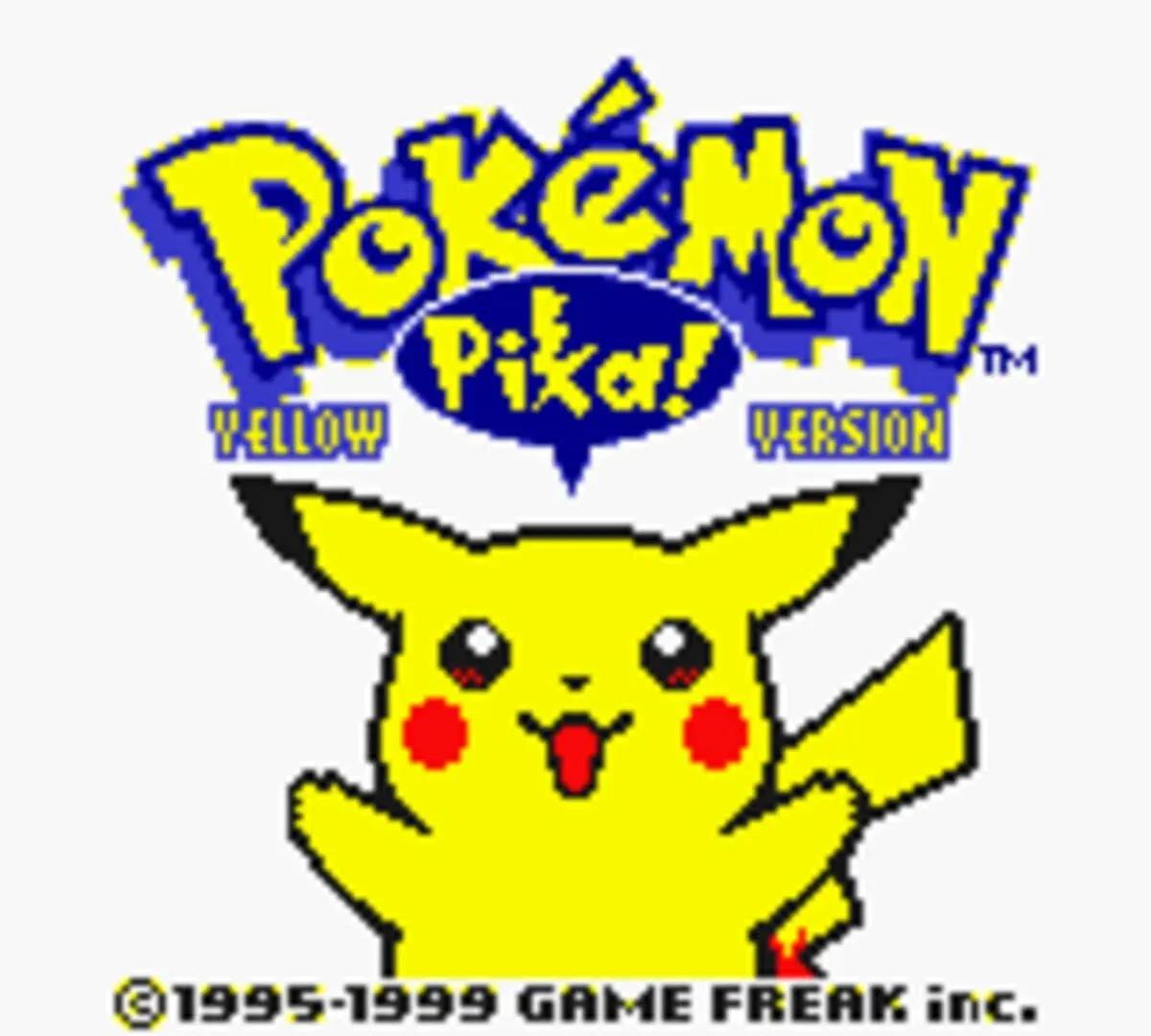
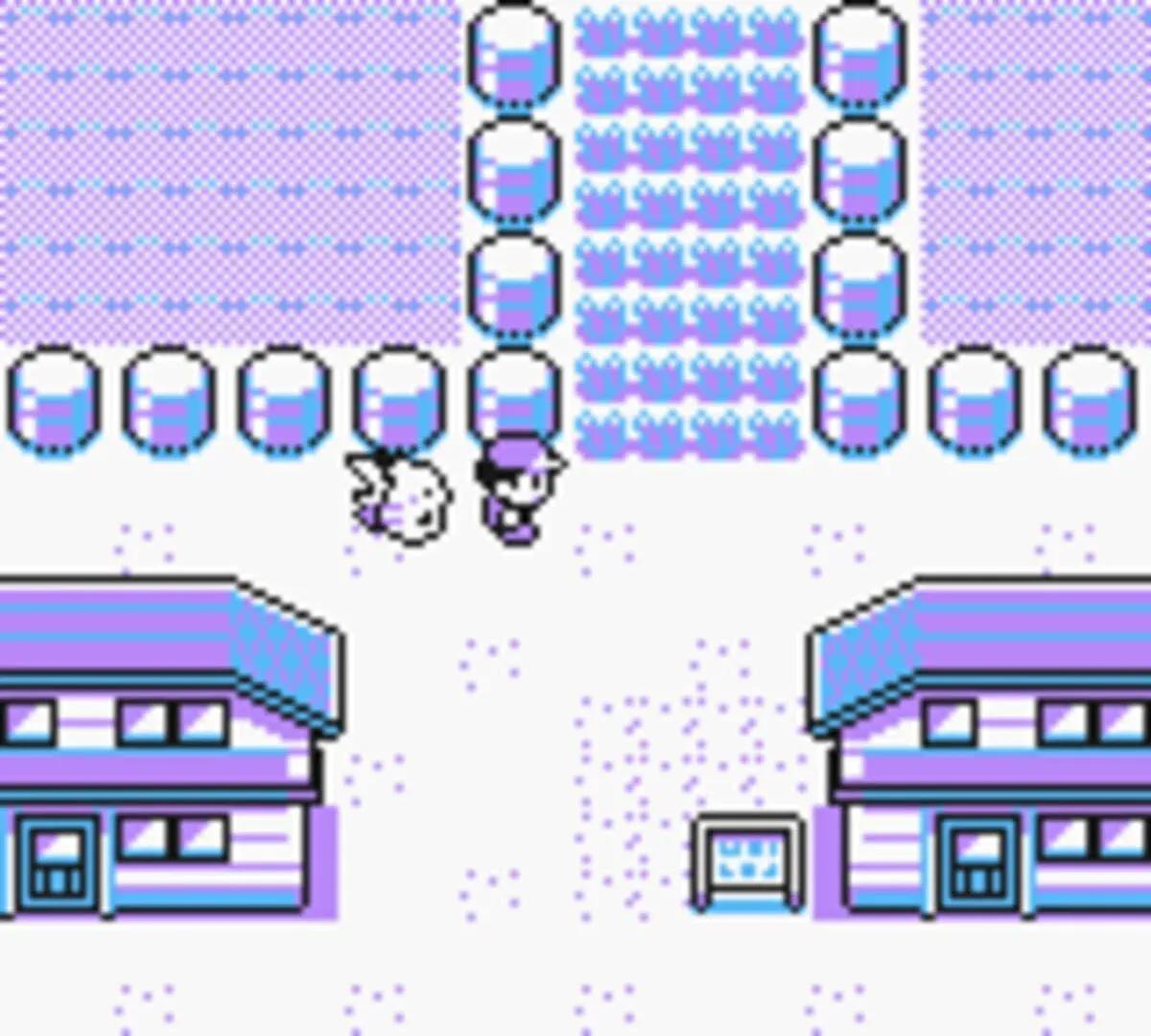
The most immediate difference is Pikachu. Instead of choosing from three starters, Professor Oak hands you a wild Pikachu he just caught, while your rival swipes an Eevee. That Pikachu then follows you around the overworld for the entire game, and checking in on its mood reveals a simple happiness system that tracks how well you've treated it. Pikachu also refuses to evolve via Thunder Stone, a direct nod to Ash's Pikachu from the anime. It's a small mechanical detail that carries a lot of personality.
The anime influence runs deeper than just Pikachu. Jessie, James, and Meowth appear as recurring antagonists battling alongside Team Rocket's broader schemes. Nurse Joy and Officer Jenny show up with character designs that match their animated counterparts. These weren't in the original Red and Blue, and their inclusion gives Yellow a narrative texture that feels closer to a story than a pure catch-and-battle sandbox.
Pokémon Yellow Version: Special Pikachu Edition content image
Gameplay and mechanics
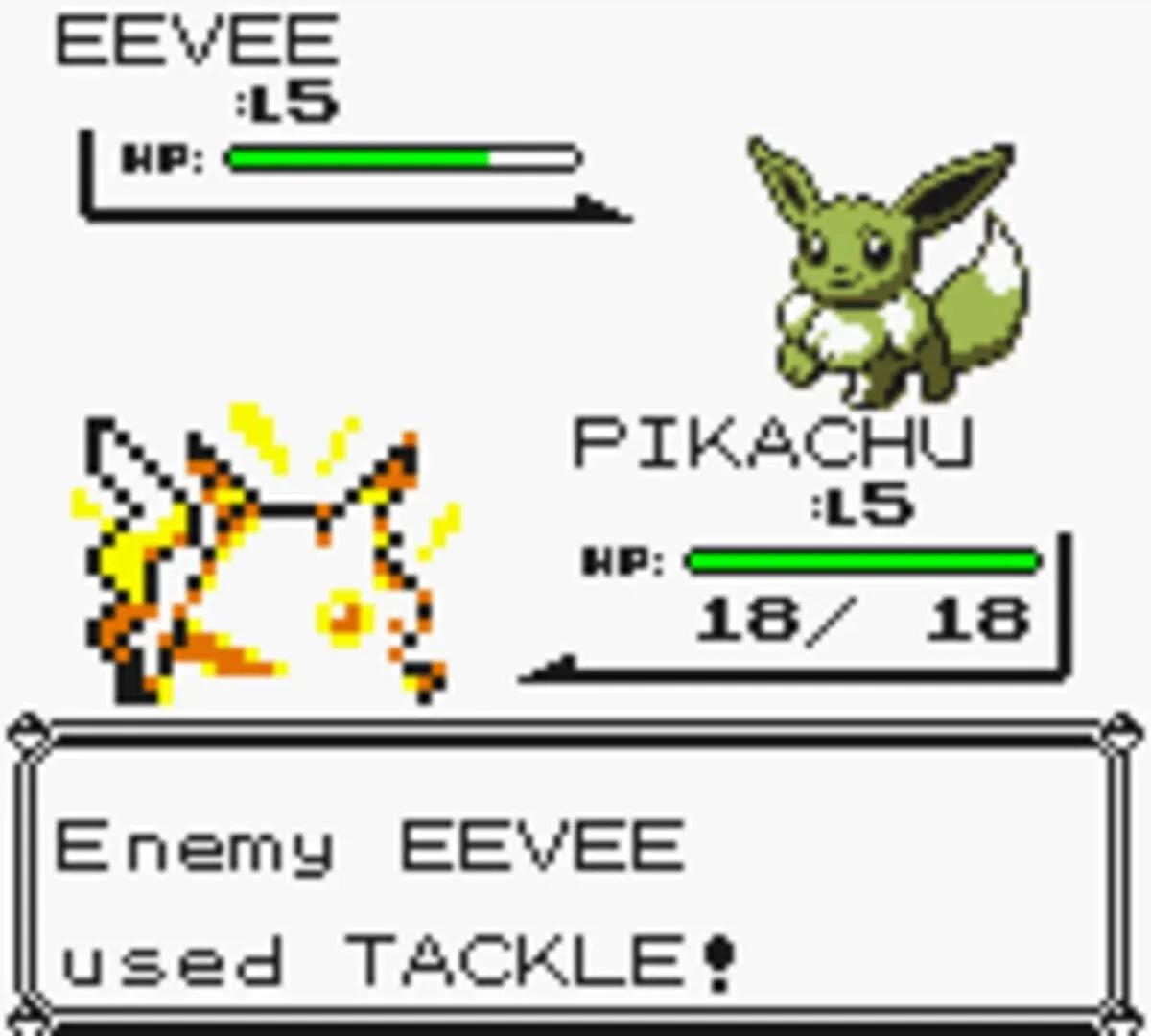
Yellow's turn-based battle system works the same way it did in Red and Blue: two Pokémon face off, each trainer selects a move, and the faster or more powerful Pokémon tends to come out ahead. Type matchups, status effects, and move PP management form the strategic layer underneath. What Yellow adjusts is the starting situation.
Pokémon Yellow Version: Special Pikachu Edition content image
Key features that distinguish Yellow from earlier entries:
- Pikachu follows the player in the overworld
- All three original starters (Bulbasaur, Charmander, Squirtle) are obtainable from NPCs
- Jessie and James serve as recurring boss battles
- Pikachu's mood system responds to player actions
- Pokémon sprites were updated to better match anime designs
Because Yellow gives you Pikachu as a forced starter, the early game plays differently. Pikachu struggles against the first Gym Leader (Brock uses Rock and Ground types), which means Yellow nudges players toward creative solutions earlier than Red or Blue typically do. Obtaining Bulbasaur, Charmander, and Squirtle from NPCs scattered around Kanto adds a secondary objective that runs parallel to the main gym circuit.
Pokémon Yellow Version: Special Pikachu Edition content image
World and setting
Kanto is a compact region by modern Pokémon standards, but it's densely designed. Towns connect through tall grass, caves, and sea routes, each hiding Pokémon encounters tuned to the area. Lavender Town's Pokémon Tower, the underground Rocket hideout beneath Celadon City's Game Corner, and the final stretch through Victory Road all carry distinct atmospheres that make the region feel like an actual place rather than a series of connected arenas.
Pokémon Yellow Version: Special Pikachu Edition content image
Yellow's Kanto leans into the anime's visual identity more than its predecessors. Updated Pokémon sprites bring creatures like Pikachu, Clefairy, and Jigglypuff closer to their animated designs, which matters more than it might sound given how much of the game is spent staring at battle screens.
Impact and legacy
Pokémon Yellow occupies a specific place in the franchise's history as the first game to seriously bridge the gap between the anime and the mainline RPG series. It arrived at the height of Pokémon's cultural saturation in the late 1990s and gave a generation of players the version that looked and felt like what they'd been watching. The game later appeared on the Nintendo 3DS Virtual Console in 2016, introducing it to players who missed the original Game Boy release. The turn-based Pokémon RPG formula Yellow helped define remains the structural backbone of every mainline entry in the series since.