Overview
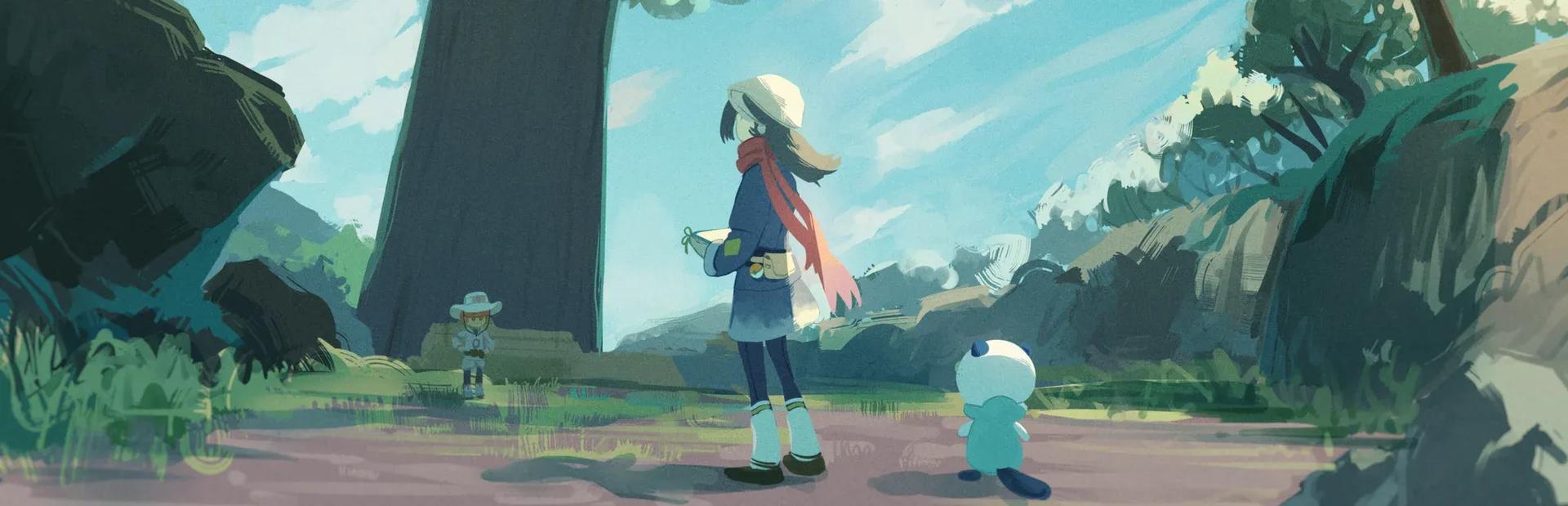
Pokémon Legends: Arceus, developed by Game Freak and published by Nintendo, launched on January 28, 2022, exclusively for Nintendo Switch. The game transplants players to the Hisui region, the ancient precursor to Sinnoh, where Pokémon are untamed and the very concept of catching them is new. The mission is straightforward on paper: build the region's first Pokédex by observing, catching, and battling wild Pokémon. The execution, though, demands more from players than any mainline Pokémon game has in years.
The story kicks off with the player character being pulled through a rift in space-time by Arceus itself, arriving in Hisui with no context and no safety net. Strange lightning from the rift begins striking the region's Noble Pokémon, sending them into frenzied, uncontrollable states that the Galaxy Expedition Team's Survey Corps needs to address. The plot is lean but effective, giving the open-zone exploration a sense of urgency without overloading the player with cutscenes.
Pokémon Legends: Arceus content image
Gameplay and mechanics: how does Arceus actually play?
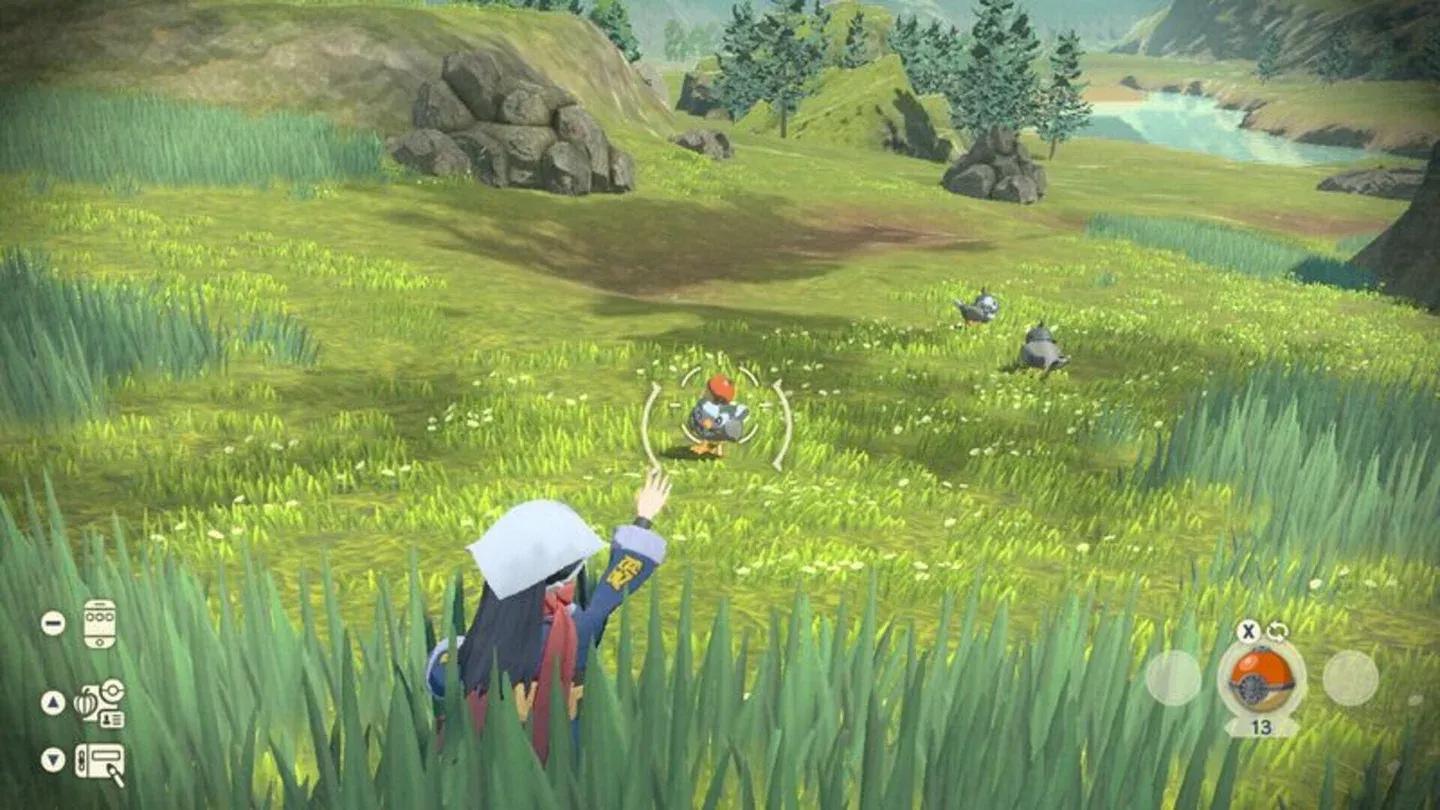
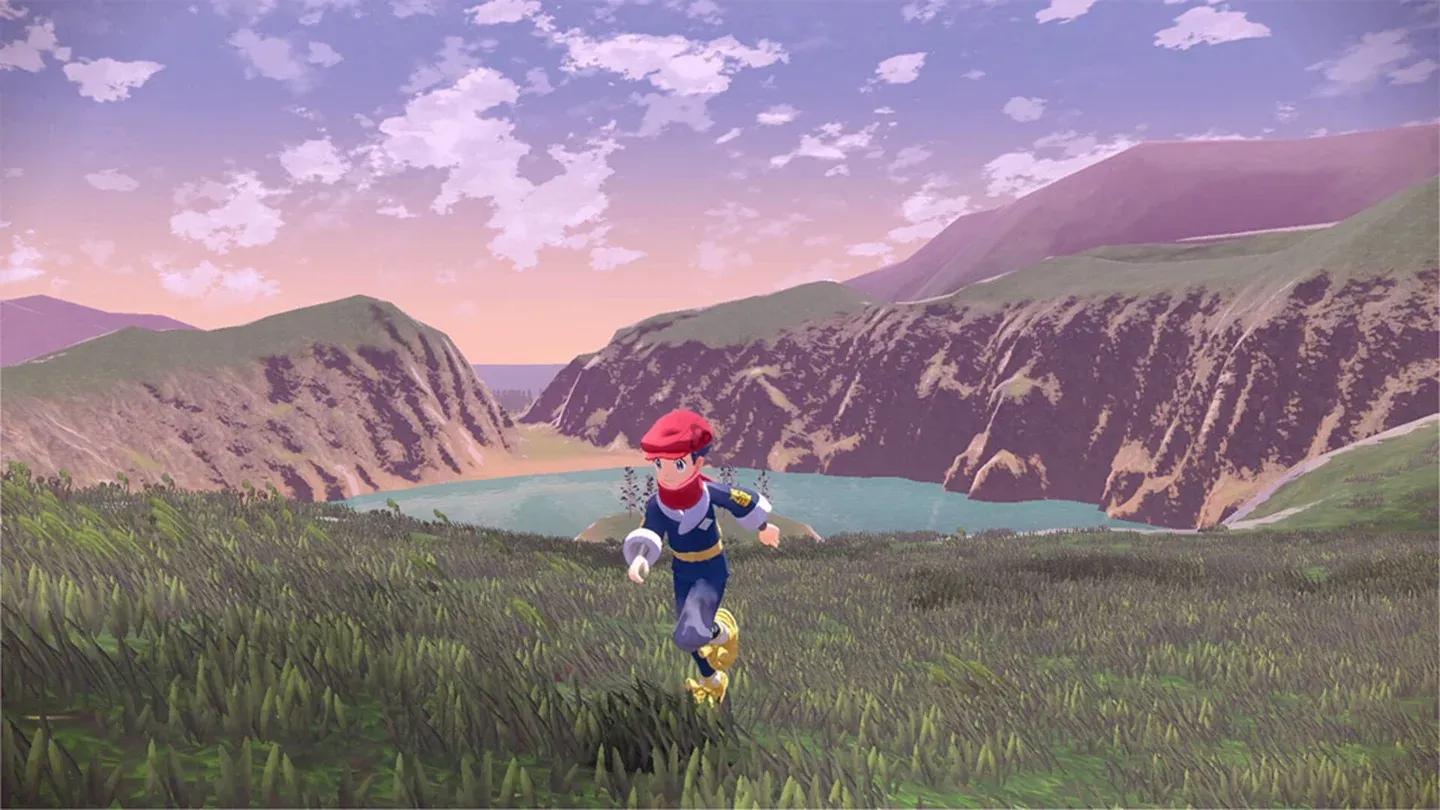
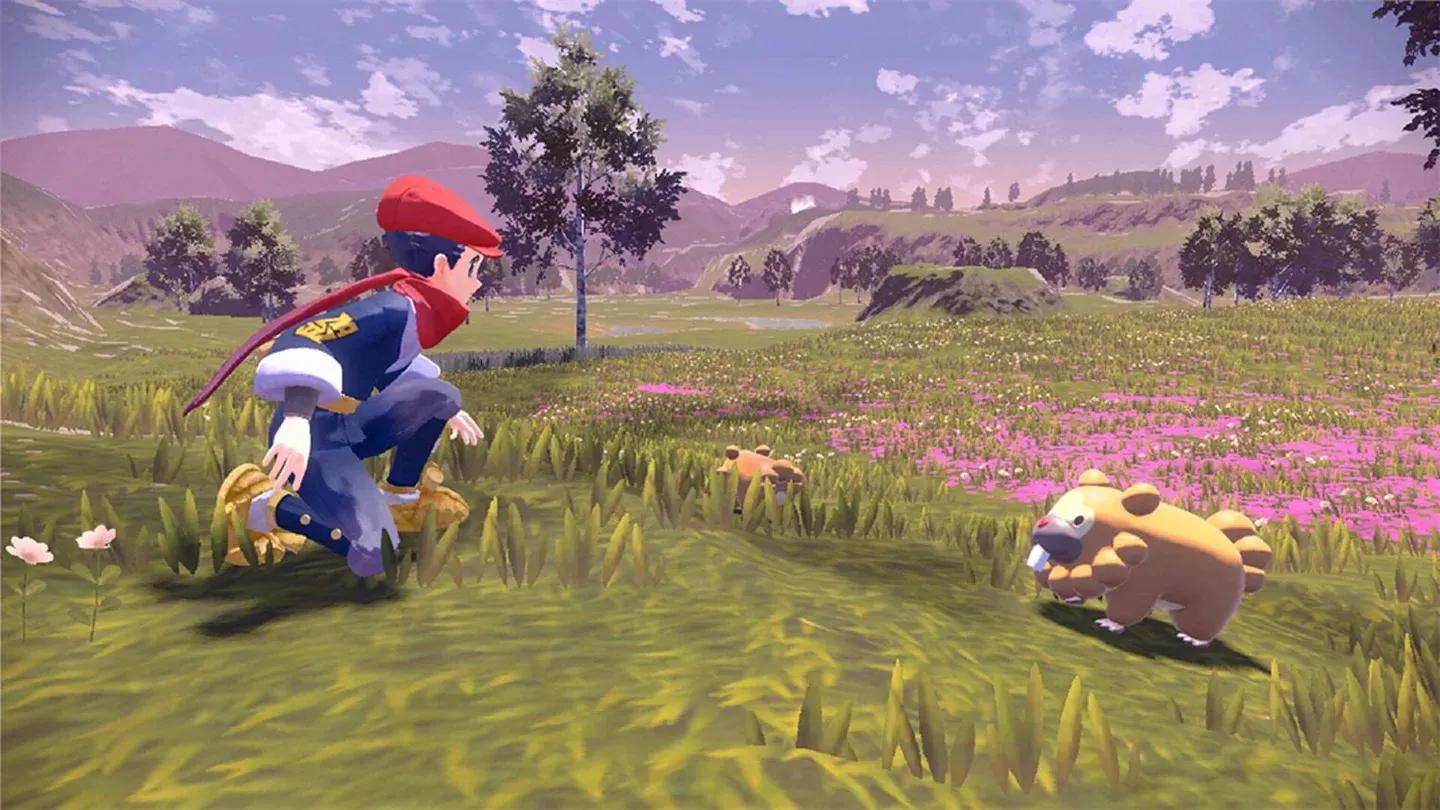
The core loop breaks sharply from the series' turn-based roots. Wild Pokémon roam the environment and react to the player's presence, charging or fleeing based on the species. Catching them requires throwing Poké Balls directly in the overworld, sometimes without ever triggering a battle. Key mechanics include:
Pokémon Legends: Arceus content image
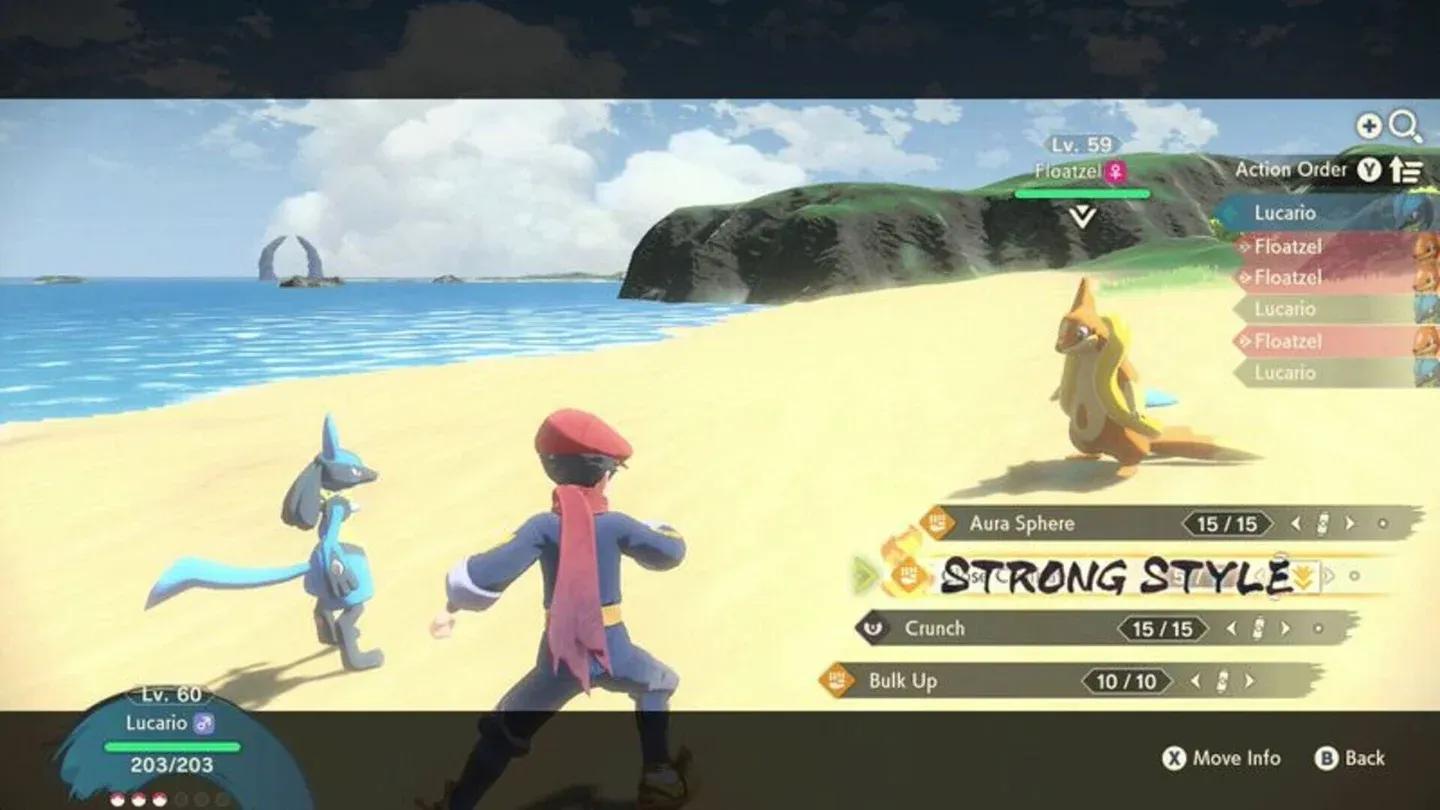
- Agile and strong style moves that shift turn order mid-battle
- Pokédex research tasks that reward specific behaviors (catching multiples, seeing a move used)
- Alpha Pokémon, oversized aggressive variants scattered across each zone
- Crafting items from foraged materials
- Riding Pokémon to traverse land, water, and air
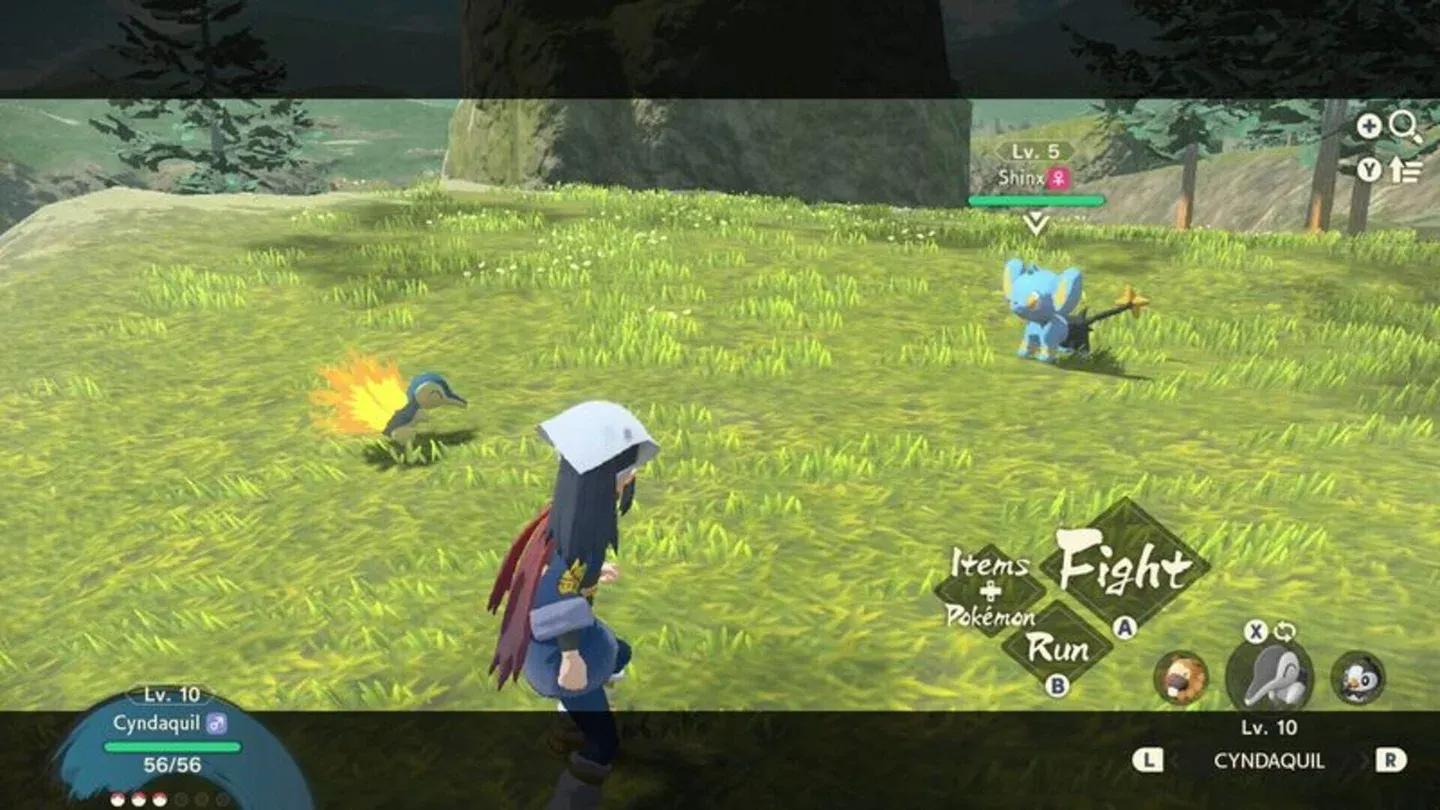
Battles themselves retain the turn-based structure but the new style system adds real tactical depth. Choosing agile style sacrifices power for an extra turn; strong style hits harder but gives the opponent an opening. It's a small change that makes every fight feel more considered.
Pokémon Legends: Arceus content image
World and setting: the Hisui region
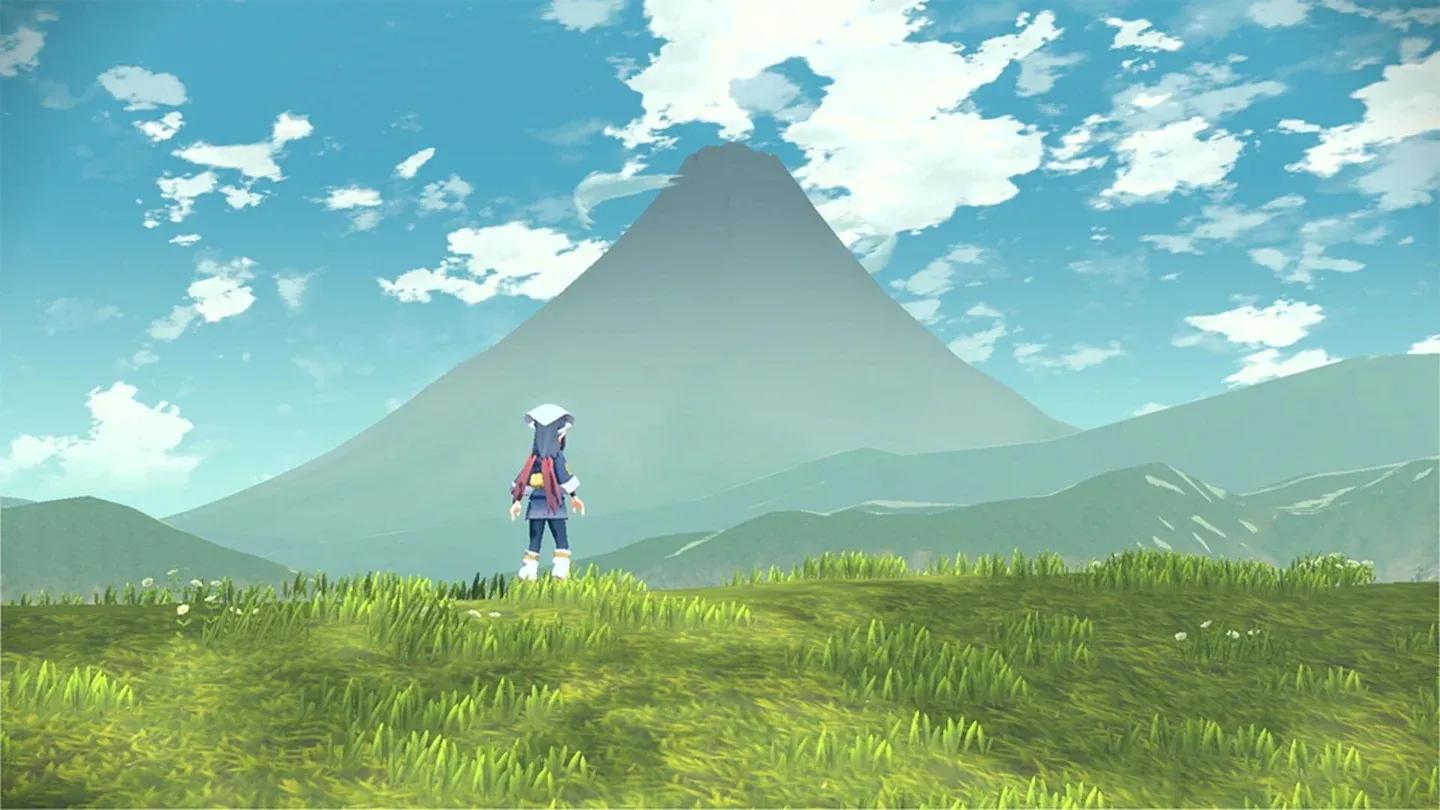
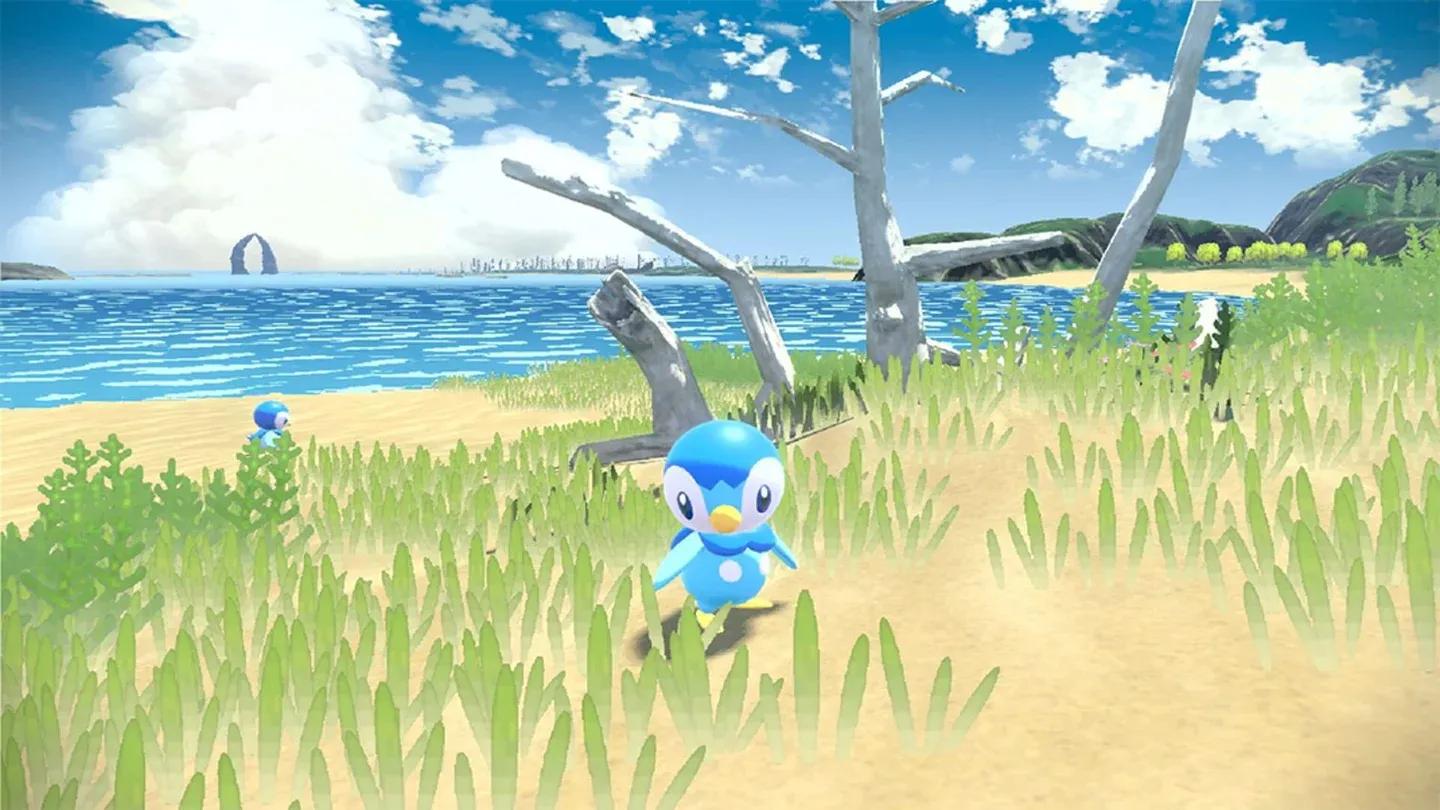
Hisui is divided into five distinct open zones, each with its own biome and Pokémon population. The Obsidian Fieldlands, Crimson Mirelands, Cobalt Coastlands, Coronet Highlands, and Alabaster Icelands each feel genuinely different in terms of terrain, weather, and the types of encounters they generate. Jubilife Village acts as the central hub, where players turn in research points, craft supplies, and upgrade their rank with the Survey Corps.
The setting works because the world hasn't been catalogued yet. Pokémon that are passive background fixtures in modern games are unpredictable here. A Starly might ignore you. A Shinx might chase you off a cliff. That tension keeps exploration engaging in a way that post-game routes in traditional entries rarely manage.
Innovation and unique features
Arceus introduces regional forms and new evolutions tied specifically to the Hisui era, including Hisuian Growlithe, Basculegion, and Wyrdeer. These aren't cosmetic variants; several have entirely different typings and move sets that change how they function in a team. The game also brings back Pokémon from across the series' history in a single setting, making the Pokédex feel like an actual archaeological record rather than a checklist.
Pokémon Legends: Arceus content image
The frenzied Noble Pokémon boss fights represent the game's most action-oriented sequences, requiring the player to dodge attacks in real time while throwing balms to calm the Noble down. These segments are a genuine departure from anything in the mainline series and scale in difficulty meaningfully across the game's runtime. For a franchise that spent decades refining a single formula, Pokémon Legends: Arceus makes a compelling case that the formula always had more room to grow.