Overview
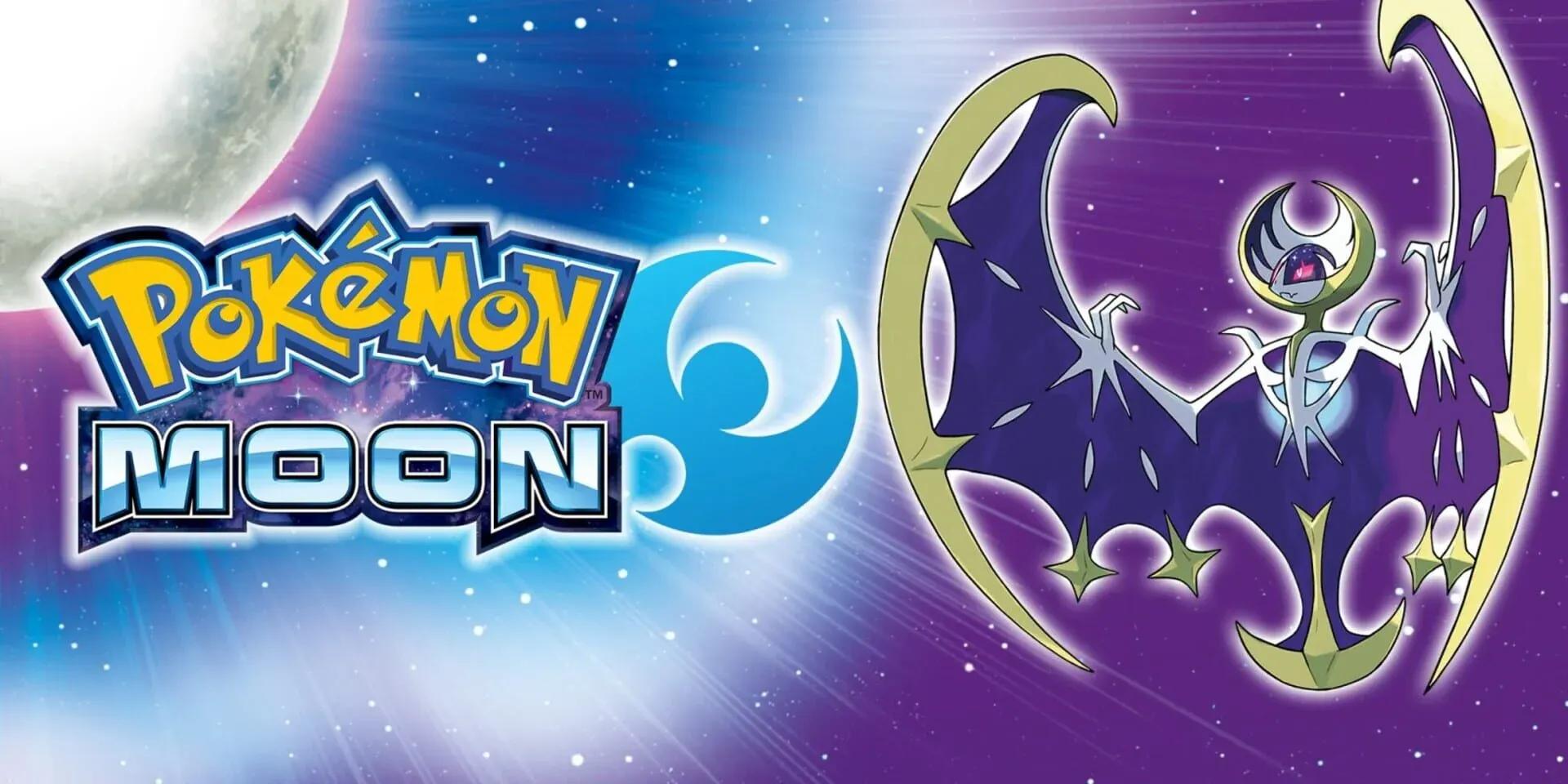
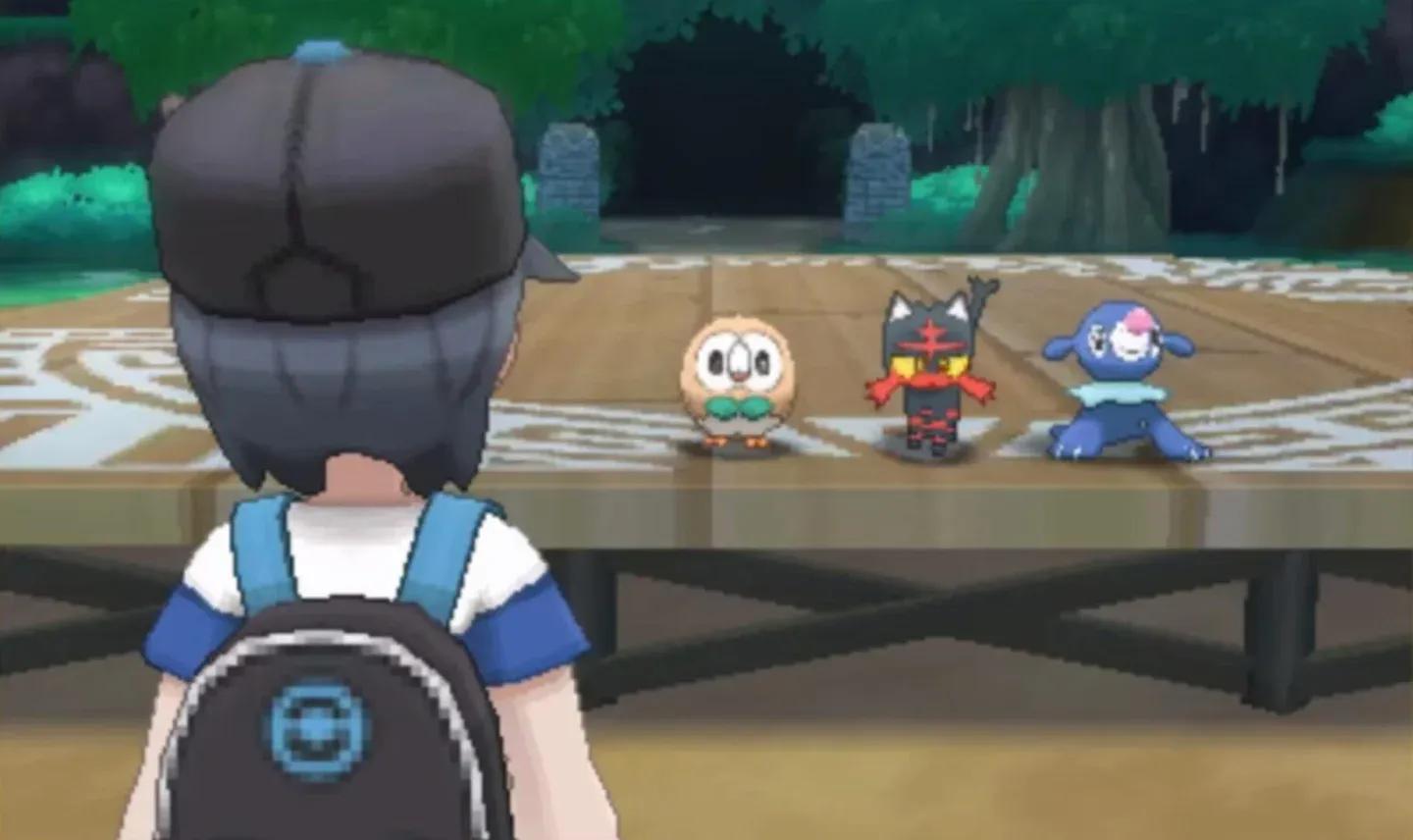
Pokémon Moon is a turn-based RPG developed by Game Freak and published by The Pokémon Company, released on November 18, 2016 for the Nintendo 3DS. Set across the four main islands of the Alola region, the game replaces the traditional gym leader structure with Island Challenge Trials, a change that gives the familiar Pokémon adventure a distinct regional identity. Players choose one of three starter Pokémon and work through a story involving the mysterious Legendary Pokémon Lunala, the chaotic Team Skull, and the shadowy Aether Foundation.
Alola draws heavily from Hawaiian culture, and the world design reflects that with beaches, volcanoes, and dense forests replacing the more generic routes of earlier entries. The region's atmosphere feels cohesive rather than just a collection of connected maps, and that sense of place carries through the entire main story. Pokémon Moon also introduces Alolan regional variants, familiar species like Vulpix and Exeggutor reimagined with new typings and designs that fit the island setting.
Pokémon Moon content image
Gameplay and mechanics
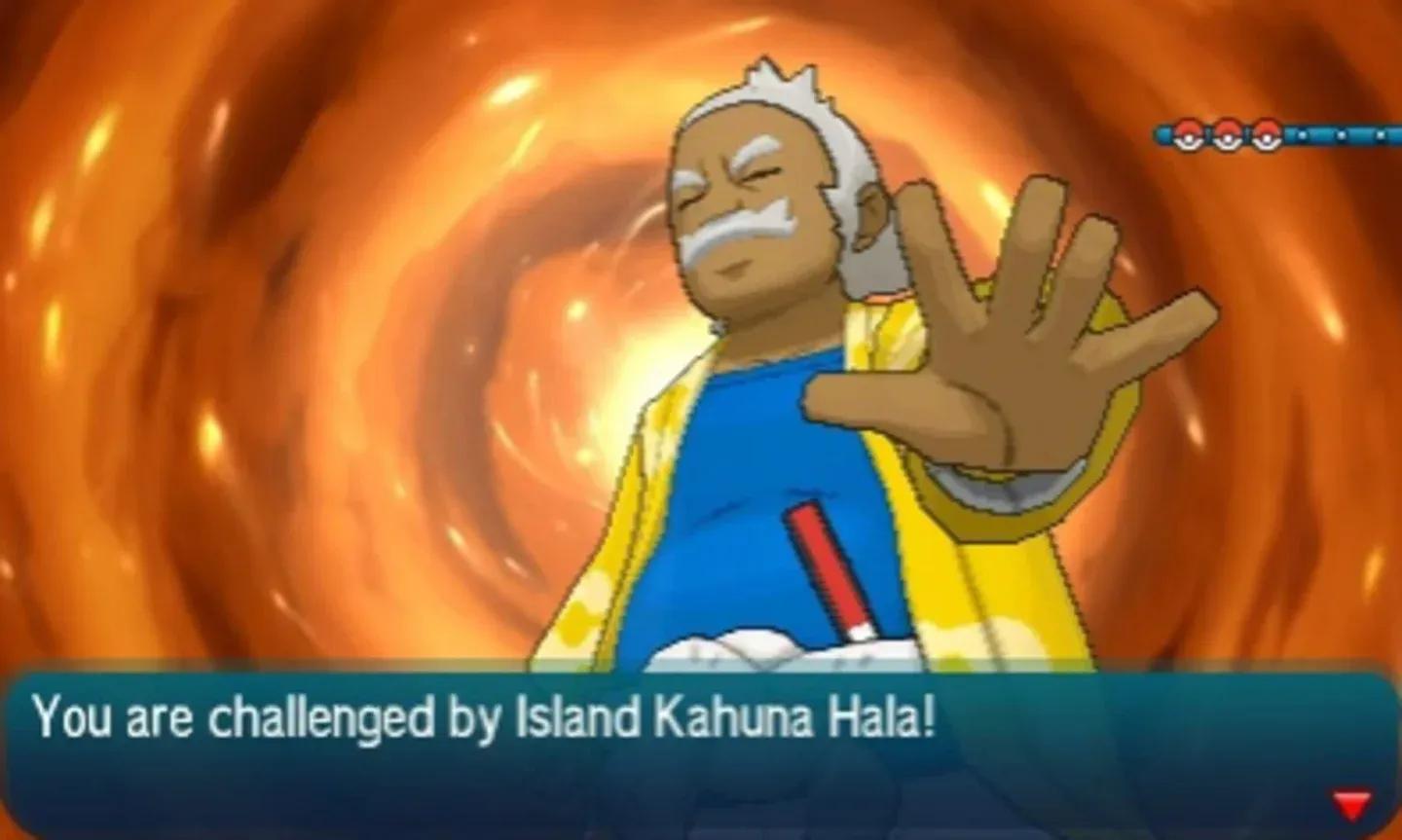
The core loop of Pokémon Moon will be immediately familiar to anyone who has played a mainline entry: catch Pokémon, build a team, battle trainers, and progress through the story. The Island Challenge system structures this around Trials hosted by Captains on each island, culminating in battles against Island Kahunas instead of the traditional Elite Four approach. Key mechanics include:

Pokémon Moon content image
- Z-Moves: one-use powerful attacks per battle
- Poké Ride: call Pokémon for traversal and exploration
- Island Trials: replace traditional gym badges
- Regional variants: familiar Pokémon with new typings
- Festival Plaza: online social hub for trading and battles
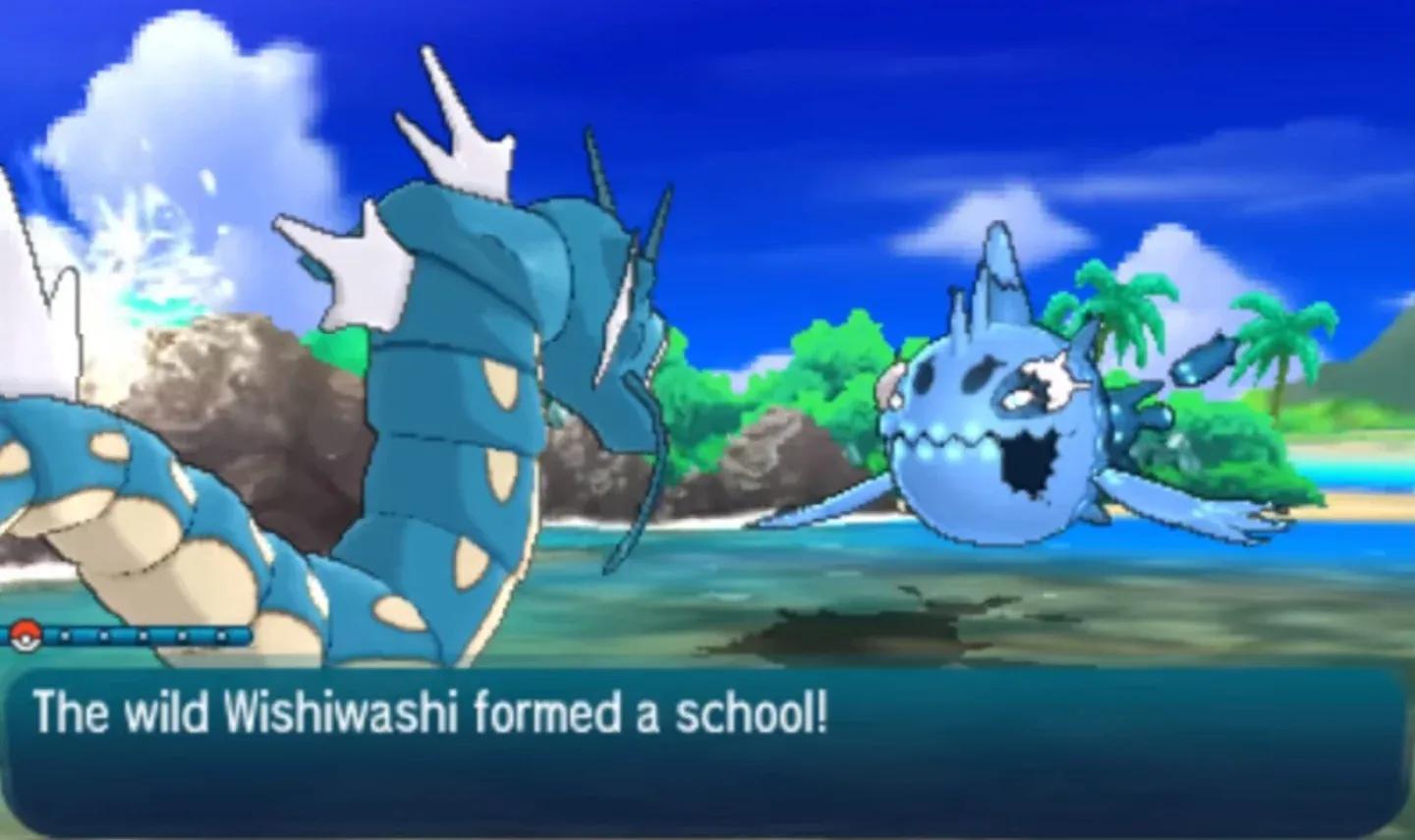
Z-Moves deserve particular attention. Each type has a corresponding Z-Crystal, and when equipped, a compatible Pokémon can unleash a single devastating attack per battle. It adds a meaningful decision point to competitive and casual play alike without overcomplicating the turn-based structure.
Pokémon Moon content image
World and setting
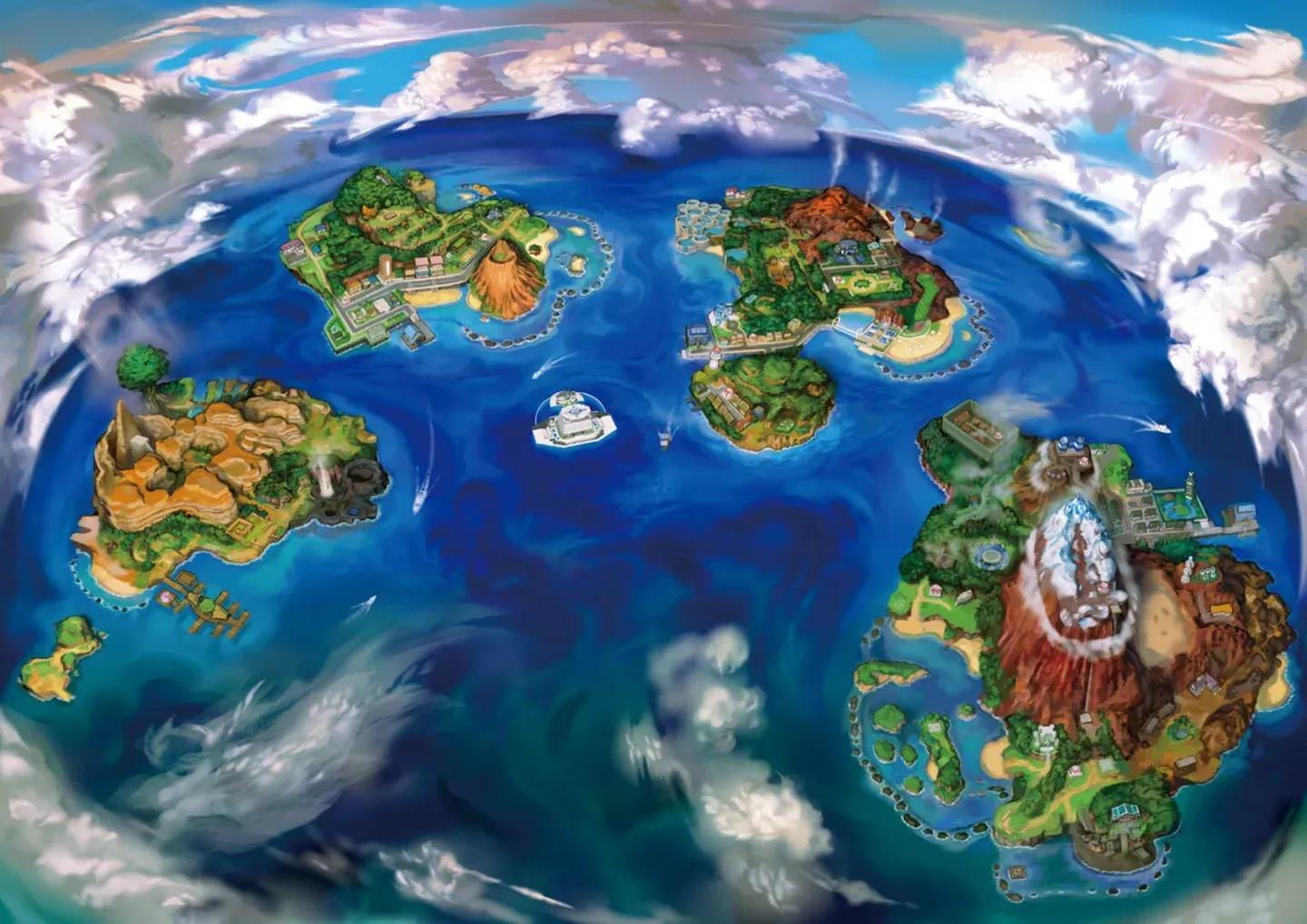
Alola spans four main islands: Melemele, Akala, Ula'ula, and Poni, each with distinct environments and a presiding Kahuna. The region introduces over 80 new Pokémon alongside the Alolan variants, giving the Pokédex a genuine refresh rather than incremental additions. The narrative ties the setting together with a storyline involving Ultra Beasts, extradimensional Pokémon that arrive through wormholes, adding a science-fiction thread that runs beneath the tropical surface.
Team Skull functions as the primary antagonist group and stands out as one of the more characterful villain teams in the series. Their leader Guzma and admin Plumeria have actual arcs rather than serving purely as obstacles. The story moves at a reasonable pace and pays off in ways that earlier entries sometimes did not.
Does Pokémon Moon support multiple languages?
Yes. Pokémon Moon supports nine languages at launch: English, French, German, Italian, Japanese, Korean, Spanish, Traditional Chinese, and Simplified Chinese. The Chinese language support was a first for the mainline series and significantly expanded accessibility for players across East Asia. Language can be selected at the start of a new game.
Pokémon Moon content image
Impact and legacy
Pokémon Moon and its counterpart Sun sold over 15 million copies combined within the first few months of release, making them among the fastest-selling Nintendo 3DS titles at the time. The Alola region's design philosophy, leaning into a specific real-world cultural reference point rather than a generic fantasy setting, influenced how subsequent entries approached world-building. For players looking for a turn-based RPG with genuine depth in team-building and a story that earns its ending, Pokémon Moon holds up as one of the stronger entries in the mainline series.