


Biggest discounts, free games, and limited-time offers across every major gaming store.
Never pay full price again.
Overview
Pokémon Gold Version, developed by Game Freak and released in November 1999, is a turn-based RPG that picks up where the original Pokémon Red and Blue left off. Set in the new Johto region, the game tasks players with earning 8 Gym Badges, defeating the Elite Four, and filling out the Pokédex by catching and training Pokémon across a richly designed world. The leap from the first generation wasn't just about new monsters. It was about building a fuller, more thoughtful game around a concept that had already proven itself.
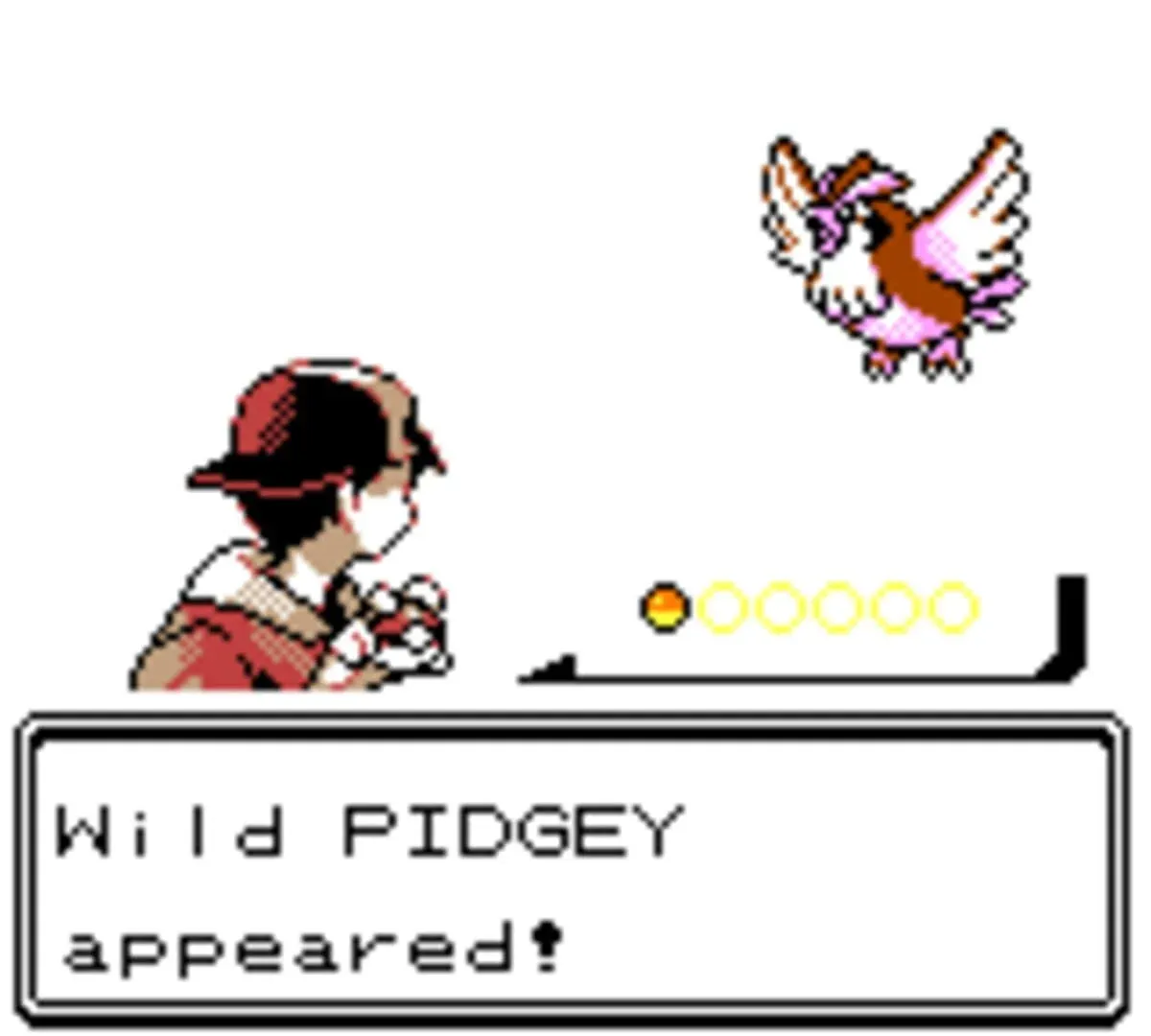
The most immediate change players notice is the internal clock. Pokémon Gold runs on a real-time day and night cycle that affects which Pokémon appear in the wild, when certain events trigger, and how specific NPCs behave. It's a small mechanical touch that makes Johto feel alive in a way Kanto never quite did. Certain Pokémon only appear at night. Others only show up on specific days of the week. That kind of design encourages players to return to the game across multiple sessions rather than grinding through in one sitting.
The expanded roster introduces 100 new Pokémon, including two new type categories, Steel and Dark, which shifted competitive balance considerably. Steel types plugged a defensive gap that Psychic-types had exploited throughout Generation 1, and Dark types finally gave players a reliable answer to Psychic-type dominance in battle.
Pokémon Gold Version content image
Gameplay and mechanics
The core loop of Pokémon Gold will feel familiar to anyone who played the originals: catch Pokémon, train them through battles, earn Gym Badges, and push toward the Pokémon League. But the execution here is tighter and more considered.
Pokémon Gold Version content image
Key mechanics in Pokémon Gold:
- Day and night cycle affecting wild Pokémon availability
- Two new type categories, Steel and Dark
- Held items that Pokémon can carry into battle
- Pokémon breeding introduced at the Day Care
- Real-time friendship system affecting evolution and move power
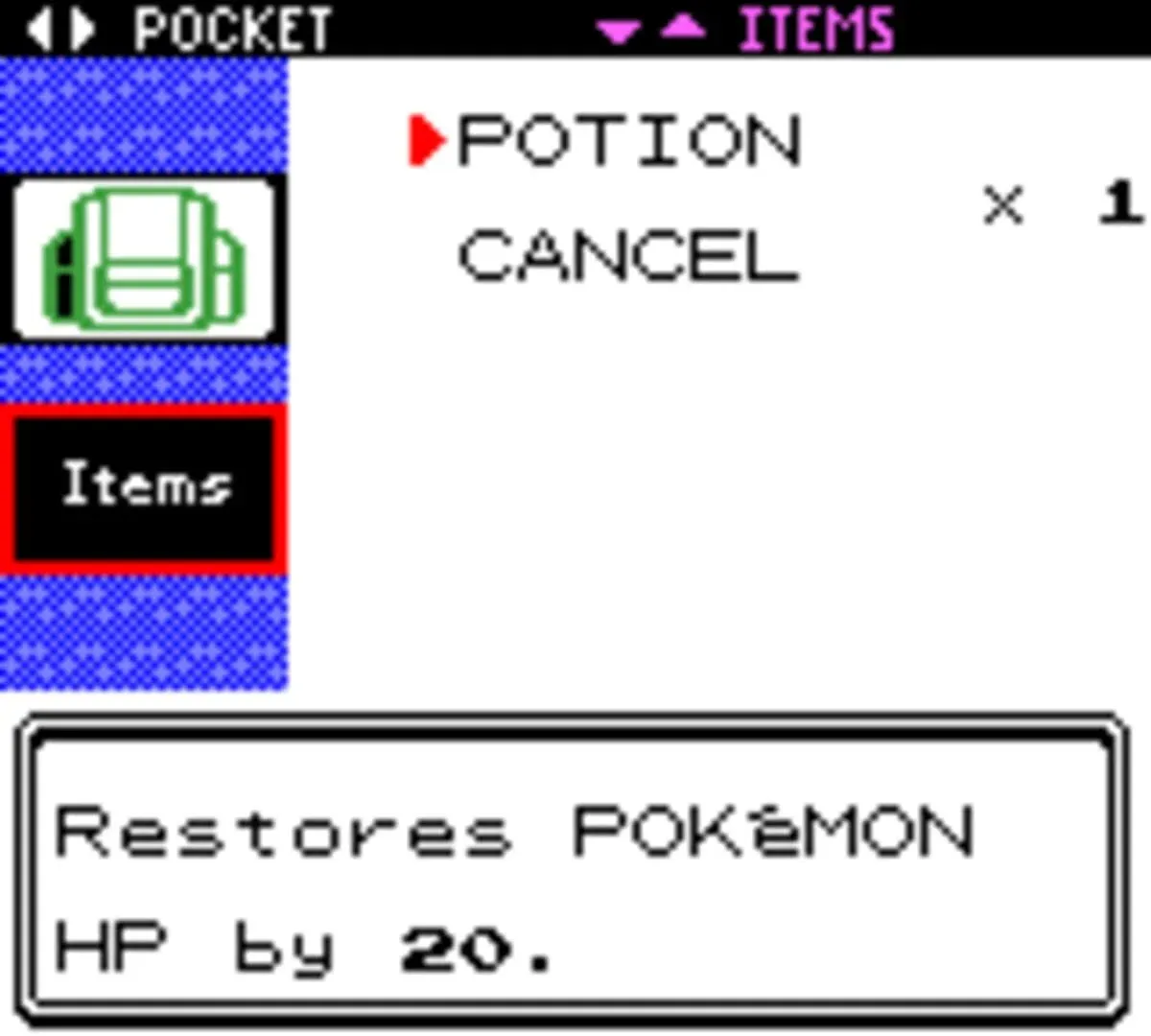
The held item system alone adds a meaningful layer to team building. Giving a Pokémon a Leftovers item for gradual HP recovery, or a Berry to survive a critical hit, turns what was a fairly straightforward battle system into something with genuine strategic depth.
Pokémon Gold Version content image
What makes the post-game worth playing?
Pokémon Gold's post-game is the reason the game still gets talked about decades after release. After defeating the Elite Four and Champion Lance, the game doesn't end. A new set of Gym Badges becomes available in the Kanto region, the setting of the original games, now accessible via a train connection. That means 16 total Gym Leaders to defeat before reaching the true final challenge.
The final battle, against Red, the protagonist from the original games, stands as one of the most memorable moments in the entire series. Red says nothing. His team is at level 80 and above. The game treats the encounter as a statement rather than a conversation.
Pokémon Gold Version content image
Impact and legacy
Pokémon Gold consistently appears near the top of fan rankings for the series, and the mechanics it introduced, held items, breeding, the friendship stat, and time-based events, became fixtures in every subsequent mainline entry. The game was remade as Pokémon HeartGold for Nintendo DS in 2009, which speaks to how well the original structure held up.
For anyone interested in turn-based RPG design, Pokémon Gold is a genuinely instructive example of how to expand a successful formula without losing what made it work. The Johto region remains one of the most carefully constructed settings in the franchise, and the two-region structure of the post-game set a content bar that later entries struggled to match.