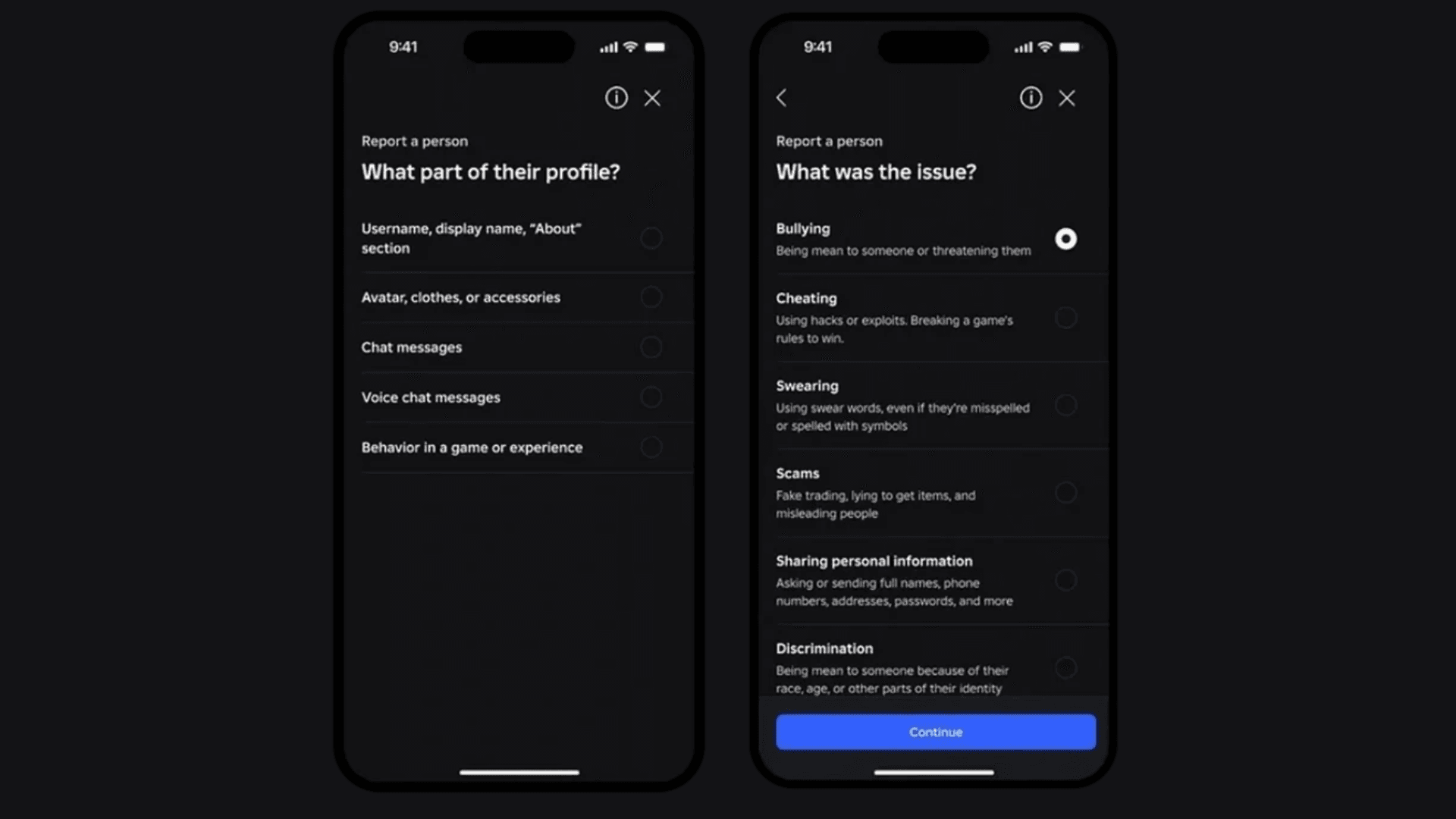

Roblox has rolled out an AI-powered chat moderation system aimed at improving communication on the platform by automatically rewriting messages that contain inappropriate language. Rather than simply blocking offensive words or replacing them with symbols like “#####”, the system preserves the meaning of the original message while substituting profanity with more neutral wording.
At launch, the feature primarily targets profanity in chat. For instance, a message like “Hurry tf up!” would appear to other users as “Hurry up!”. This approach allows conversations to continue without the confusion or frustration often caused by fully blocked messages. Roblox describes the system as a tool for guiding user behavior rather than imposing a hard stop on conversation.
How the AI System Works
The AI moderation tool monitors messages in real time and identifies restricted words or phrases. Once detected, the system generates a rephrased version that maintains the intent of the original message while complying with platform guidelines. The system is designed to mirror natural chat patterns, ensuring that rephrased messages feel consistent with normal user conversation.
Roblox compares this method to a steering wheel rather than a stop sign. Users are notified when a message has been rephrased, helping maintain civility without disrupting the flow of discussion. The platform emphasizes that this system is still developing and will become more refined over time, improving in its ability to preserve tone and context.
Impact on Moderation Accuracy
Early testing of the AI chat moderation system showed significant improvements in overall moderation accuracy. Roblox reported that the system reduced missed attempts to share sensitive information, such as phone numbers or social media handles, by a factor of twenty. This suggests that AI-assisted moderation could enhance the platform’s ability to identify and manage restricted content effectively.
By focusing on language patterns commonly used in everyday chat, the system balances enforcement with user experience. Instead of removing messages entirely, it allows users to continue interacting while keeping conversations aligned with community standards.
Future Plans for AI Chat on Roblox
Roblox plans to expand the capabilities of its AI moderation system beyond profanity. The company envisions a tool that not only rewrites inappropriate language but also provides more context when messages are modified. Over time, the AI will become more accurate in detecting nuanced tone and intent, similar to advances seen in AI translation tools.
The rollout of this feature reflects a broader trend in online gaming platforms toward AI-assisted moderation, where communication remains open but guided to prevent harassment or harmful interactions.
Source: PocketGamer
Make sure to check out our articles about top games to play in 2026:
Best Nintendo Switch Games for 2026
Best First-Person Shooters for 2026
Best PlayStation Indie Games for 2026
Best Multiplayer Games for 2026
Most Anticipated Games of 2026
Top Game Releases for January 2026
Frequently Asked Questions (FAQs)
What does Roblox’s AI chat system do?
Roblox’s AI chat system automatically detects inappropriate language in messages and rewrites it to maintain civility while preserving the original meaning.
Which types of messages does the system target?
At launch, the system primarily targets profanity. Over time, it is expected to handle more complex cases, including sensitive information and nuanced language.
How does the AI moderation affect chat flow?
Rather than blocking messages entirely, the system replaces restricted words with neutral alternatives. This keeps conversations understandable and uninterrupted.
Will users know when a message is rephrased?
Yes, users are notified when a message has been modified. This helps maintain transparency while keeping the chat environment respectful.
Is this system still being improved?
Yes. Roblox has indicated that the AI will continue to learn and improve, becoming more accurate in preserving tone, context, and conversational flow over time.
Does the AI improve detection of risky content?
Early tests show that the system reduces missed attempts to share personal or sensitive information by a factor of twenty, improving overall moderation accuracy.