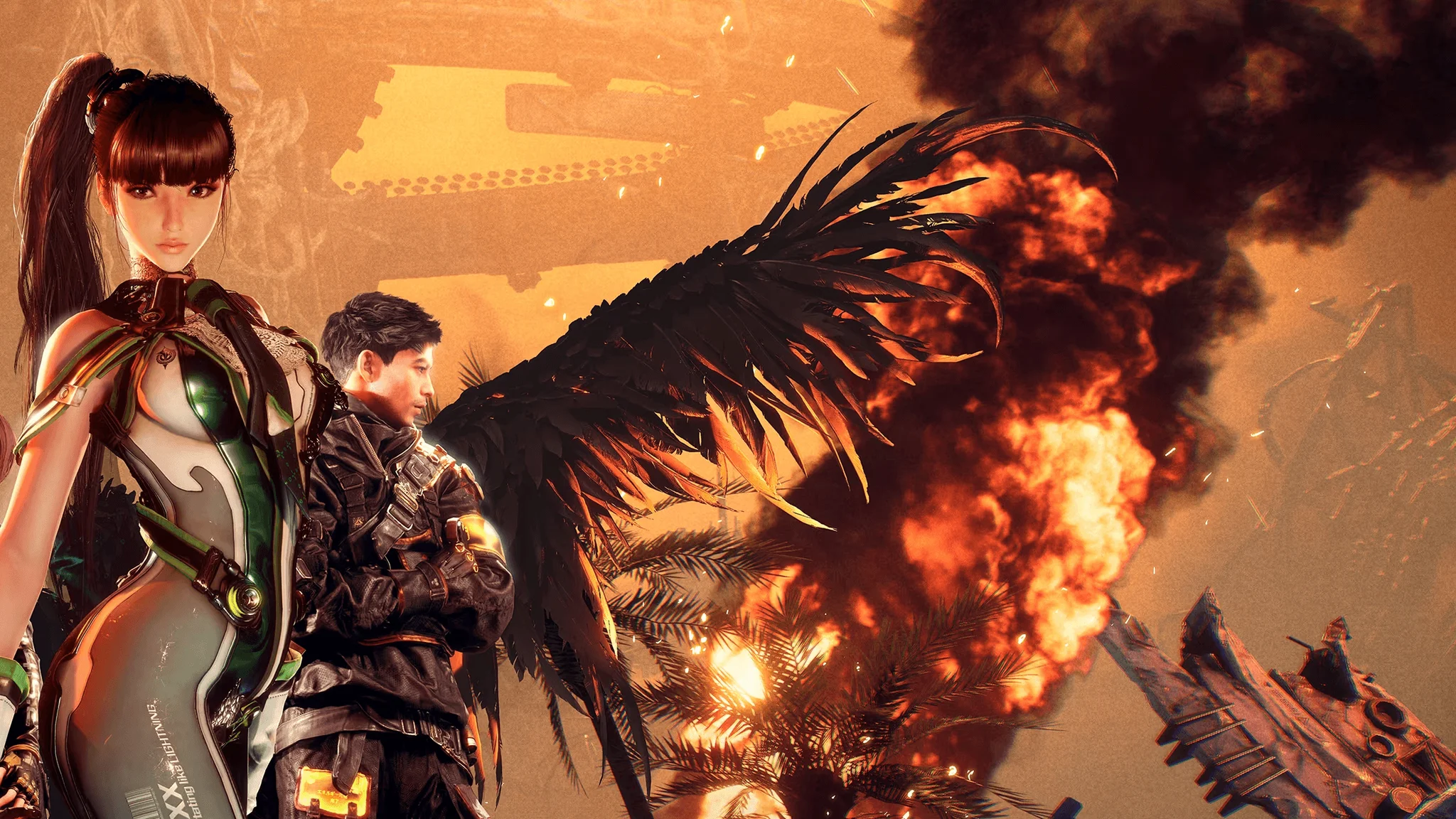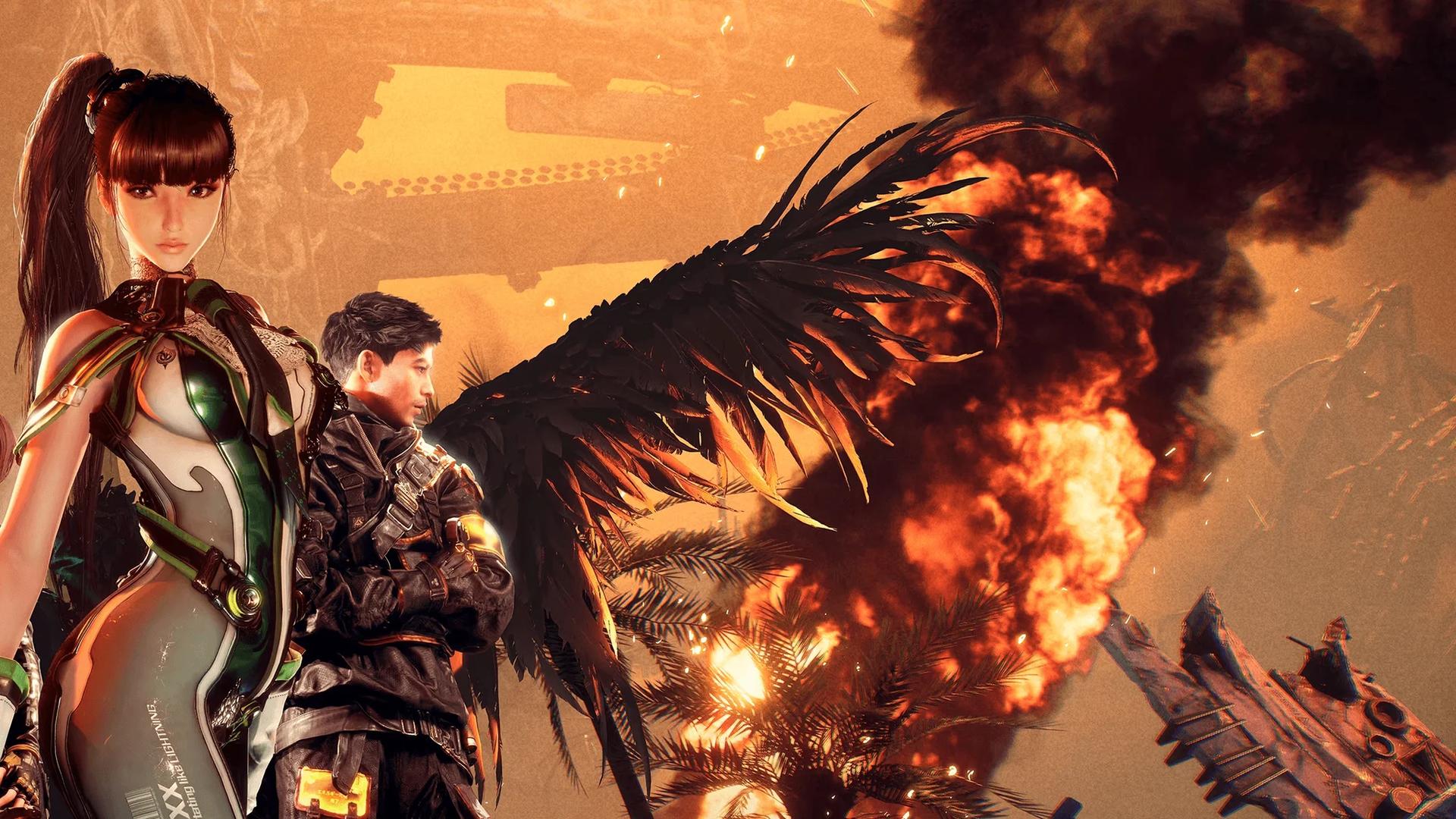

Resident Evil creator Shinji Mikami has said he wishes AI would “vanish entirely” from the world. His comments contrast with the approach described by Stellar Blade developer Shift Up, which continues to use the technology under a policy centered on human artists.
Shift Up CEO Kim Hyung-tae called game development without AI “no longer feasible.” He also argued that players do not care how efficiently a game was made, and that studios should use the time saved to push their work further.
Shift Up draws boundaries around AI
Kim said the studio adopted a “handmade from start to finish” policy after criticism of its official AI-generated Stellar Blade music video, released in July. Starting a project with AI, he argued, risks producing something no more impressive than a casual AI user could create.

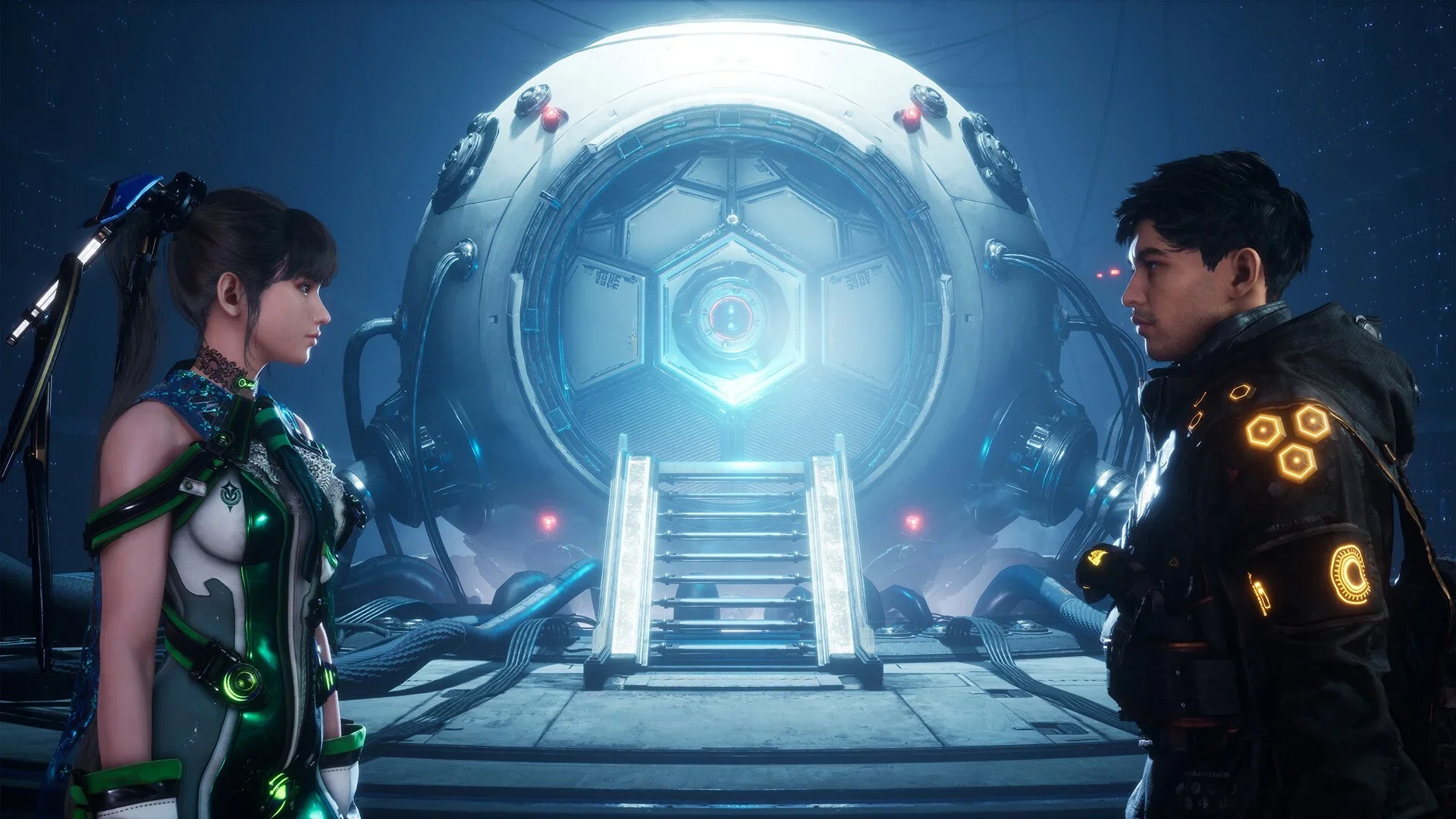
Under that policy, production follows three stages:
- Human artists establish the creative foundation.
- AI assists with tasks such as testing lighting, applying texture weathering, and reducing polygon counts.
- Artists refine the work before it enters the game.
One example is retopology, which turns a complex 3D mesh into a cleaner, lower-polygon model while preserving its shape. Kim said time saved there could support more high-poly models and textures that convey weathering and age.
Kim also said he can recognize AI-generated games on Steam even when their creators do not disclose AI use, while acknowledging that this may change as the technology develops.
Story writing has a separate boundary. Kim said Shift Up is not interested in AI-written narratives because their tone is easy to recognize.