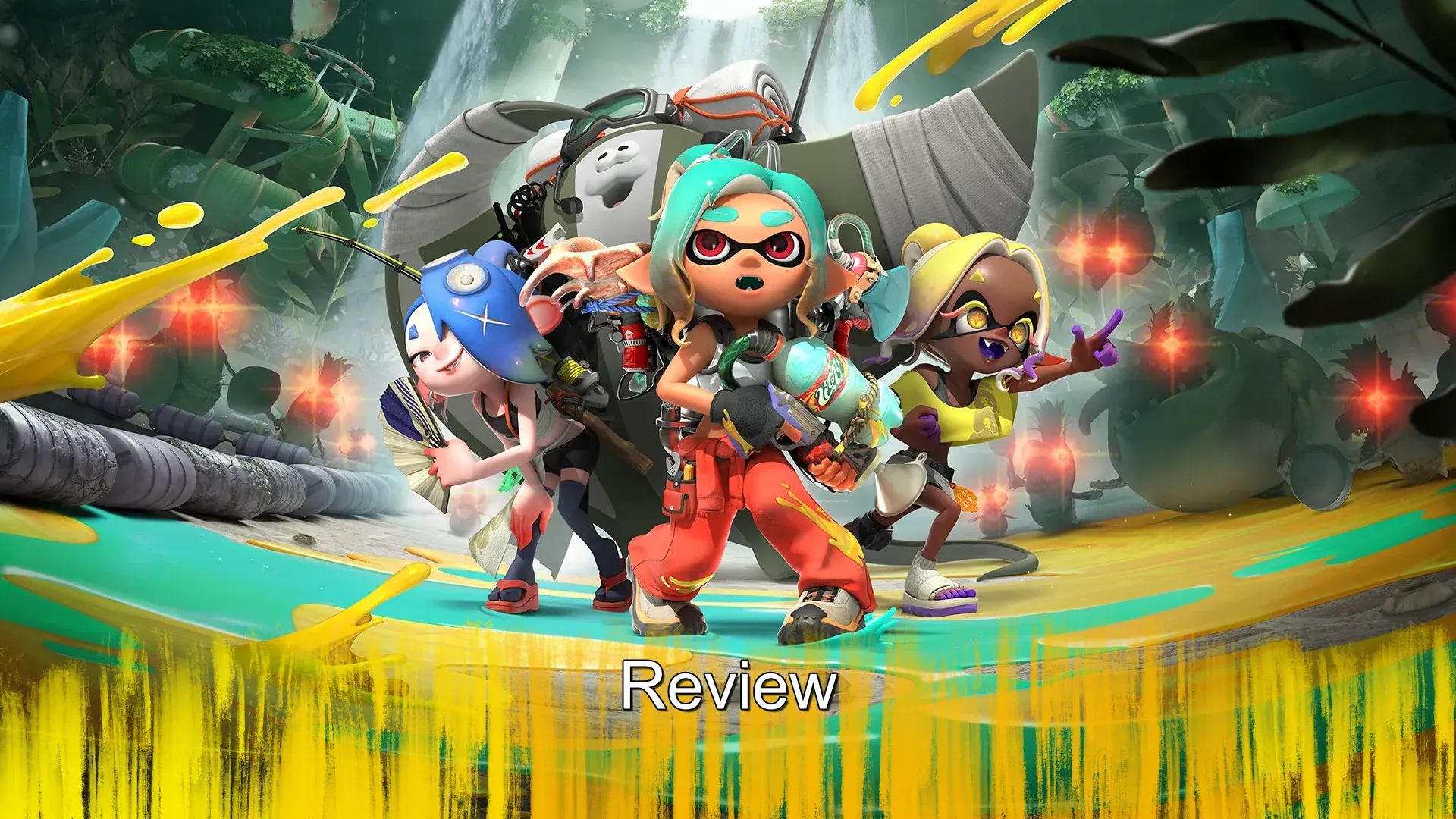


Gadgets in Splatoon Raiders are not just optional bonuses bolted onto your build. They are the backbone of how each Tank Type actually plays, and the gap between a player who understands the gadget system and one who ignores it shows up fast once Spicy Raids open up.
Splatoon Raiders is a co-op action game for Nintendo Switch 2 that spun out of the Splatoon 3: Side Order formula of roguelike dungeon runs, but pushed it into a full standalone experience with persistent progression, a hideout ship to upgrade, and a gadget development system that rewards long-term investment.

Use code TRYHARD33 at checkout to redeem this offer before code expires again.
Get 33% Off GAMES+ Subscription
How gadgets split across the three Tank Types
Every gadget in Raiders is tied to one of three Tank Types: Speed, Power, and Tactical. You pick your Tank Type early in the game, and while you can develop gadgets for other types eventually, your primary type shapes which gadgets you actually slot into a run.
Speed Tank gadgets lean into mobility and evasion. Think repositioning tools, dodge-enhancing abilities, and anything that lets you stay out of the line of fire while keeping pressure on. Speed builds thrive in Salmonid-dense encounters where staying stationary is a death sentence.
Power Tank gadgets are the straight damage amplifiers. Cooldown reductions on special weapons, attack multipliers, and abilities that let you spike damage windows. If you want to melt boss health bars during Spicy Raids, Power gadgets are where most of that comes from.
Tactical Tank gadgets cover the support and utility space. Area denial, ink coverage bonuses, and abilities that benefit the whole squad in co-op. Tactical builds are arguably the most valuable in four-player Spicy Raids, even if they feel slower to ramp up in solo play.
What gadget development actually costs you
Gadgets are developed at your hideout ship using materials collected from dungeons and raids. Rarity matters here. A 4-star gadget part costs significantly more to develop than a 1 or 2-star part, but the stat jump is substantial enough that endgame players prioritize 4-star and above almost exclusively.
Upgrading existing gadget parts is a separate cost from developing new ones, and both pull from the same resource pool. The practical result is that early on, you'll want to spread development across a few gadgets to unlock outfit milestones and get a feel for each type, then narrow your focus toward a single high-rarity build once you're pushing into Super Spicy difficulty.
Here's the thing: the game does not hand you optimal gadgets quickly. The first few hours are deliberately underpowered, and the real gadget variety opens up after you clear the Scayl Buried Ruins raid on Erpp Island. That single milestone unlocks a cluster of hideout features at once, including the full gadget development menu.
Gadget rarity tiers at a glance
Why gadgets matter more than weapons in late-game raids
Weapons in Raiders can be upgraded and swapped, but their base damage ceiling is fixed by weapon level. Gadgets, by contrast, stack multiplicatively with weapon output in certain configurations, which means a well-developed gadget loadout on a mid-tier weapon can outperform a max-level weapon running weak gadgets.
What most players miss is that Tactical gadgets in particular have passive effects that persist through the entire dungeon, not just during the activation window. A Tactical player running the right gadget set in a four-person Spicy Raid is effectively buffing the entire squad's ink coverage and area control without the rest of the team needing to do anything differently.
For a closer look at which specific gadgets perform best at each Tank Type and how to structure your loadout for endgame content, the Splatoon Raiders best gadgets guide breaks down every option with endgame context. If you're also figuring out which weapons pair best with your gadget setup, the Splatoon Raiders weapon types guide covers every weapon class from Shooters to Splatanas and how to unlock them.