The web3 gaming market is growing fast, and major studios are paying attention. Research shows that 29 of the 40 largest gaming companies worldwide have moved into web3 — either building blockchain games internally, funding web3 projects, or bringing on blockchain specialists.
This piece looks at how web3 could reshape gaming ecosystems, the obstacles it faces, and the new possibilities it creates for players, developers, and the industry. We'll also break down the main reasons top studios are betting on blockchain gaming.

Why Top Studios Are Embracing Web3 Gaming
Is web3 the future of gaming?
Over the past few years, blockchain technology and gaming have collided in ways that have people debating what comes next. Web3 — a decentralized internet built on blockchain — has enthusiasts and industry veterans wondering if this shift could fundamentally change how games work.
Blockchain gaming (also called crypto or web3 gaming) offers a decentralized, transparent setup where players own in-game assets, experience real digital scarcity, and get stronger security. As blockchain tech advances, the question is whether web3 becomes the standard for gaming.

Over 70% of top web2 studios are involved in web3
Recent data shows that 29 of the world's 40 biggest gaming companies are experimenting with web3. Seven are developing web3 games in-house. Others are investing in blockchain projects, funding game development, or hiring for blockchain roles.
The list includes Take-Two Interactive (Sugartown), Nexon (Maplestory), Bandai Namco (RYUZO), Konami (Project Zircon), Krafton (Migaloo), Square Enix (Symbiogenesis), Ubisoft (Champions Tactics), SEGA (Battle of Three Kingdoms), and CCP Games (Project Awakening). Sony PlayStation, The Pokémon Company, and Epic Games are also involved.
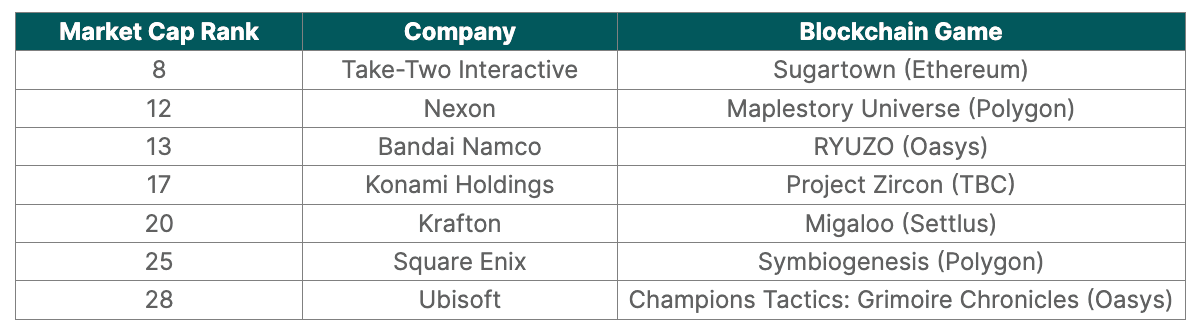
Top Web2 Gaming Companies Making Blockchain Games
As major studios adopt web3, the industry is moving past hype and focusing on substance. The emphasis is on gameplay mechanics that actually work.
With platforms like Immutable handling the technical complexity of development, distribution, and monetization, studios can focus on making good games. Here are three reasons top studios are moving into blockchain gaming.
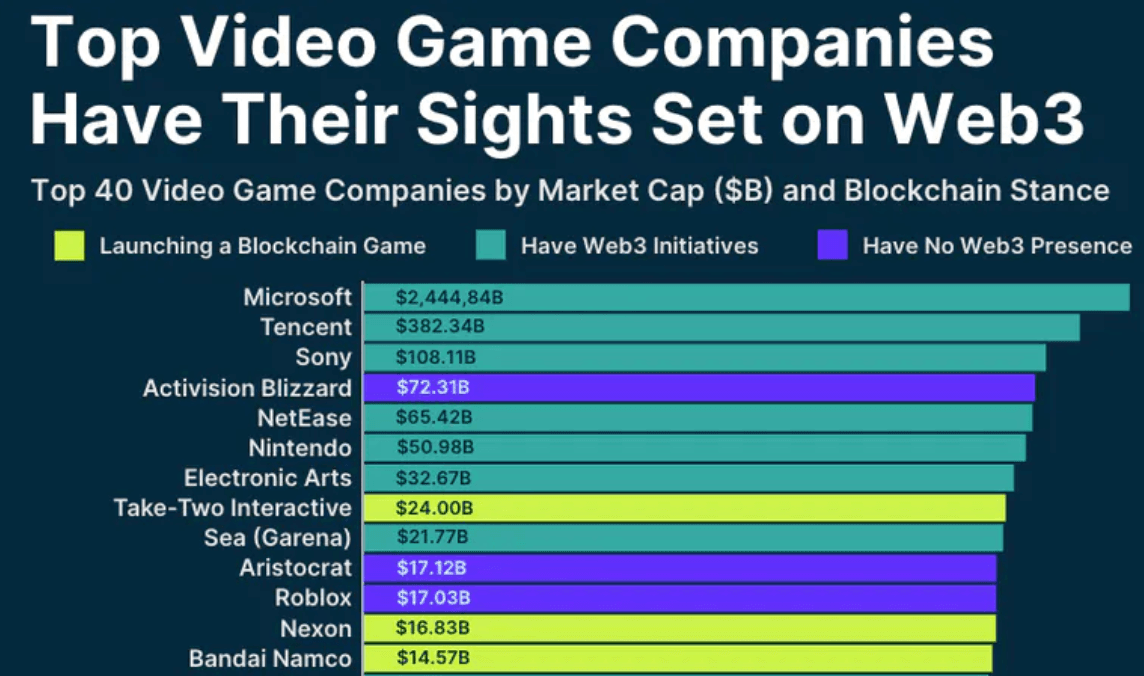
Top Game Companies with Web3 Presence

Massive market opportunity
Studios see the size of the web3 gaming market. Projections put growth from $4.6 billion in 2022 to $65.7 billion by 2027. Robbie Ferguson, co-founder and President of Immutable, said at Token2049 that the industry is underestimating web3 gaming's potential. "Everyone is still massively underestimating how big web3 gaming is going to be."
Immutable partnered with King River Capital and Polygon Labs to launch a $100 million web3 gaming fund. The fund supports developers and studios transitioning to web3. Over 330 games are building on Immutable, with nearly 40% launching in 2024. In the past four years, almost $20 billion has gone into games and gaming platforms. The growing player base backs up the market's promise.

9x Growth in Q1 of 2024 for IMX
Digital ownership, distribution, and monetization models
Web3 gaming aligns player and publisher incentives better than traditional models, which often hit players with bad monetization schemes. Robbie Ferguson points out that web3 gives players true ownership of digital assets, letting them benefit from their investments.
"Everyone hated free-to-play when it first came out. They revolted against any new form of modernization, and quite frankly, why shouldn't they because it's often been at their [the gamer's] expense."
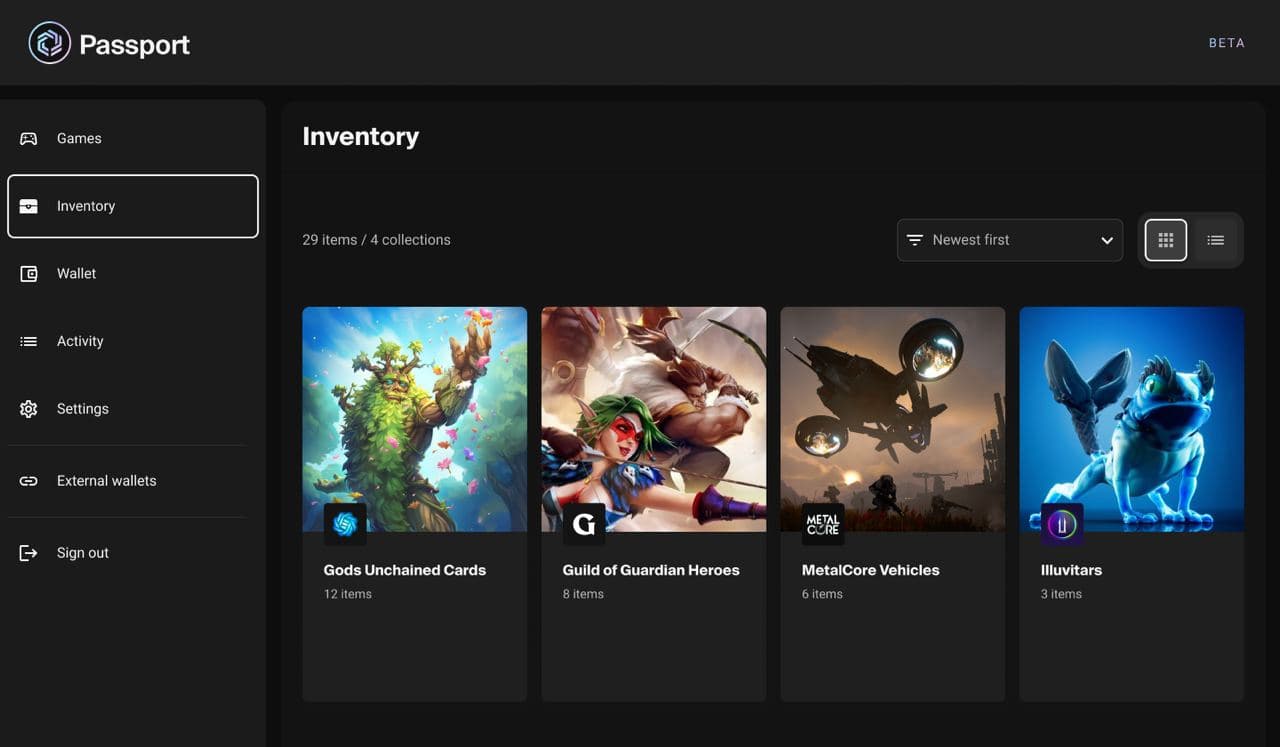
Immutable Passport and Marketplace
Traditional games like Magic: The Gathering miss out on secondary market profits. Web3 lets developers earn a percentage of every transaction through secondary marketplaces and royalties. Blockchain and NFT technology make this possible, potentially expanding the gaming industry's value from $150 billion to trillions.
Building web3 games can be complex and expensive. Immutable simplifies this with tools, features, and an ecosystem for launching high-quality web3 games efficiently. Its end-to-end solution, including APIs and SDKs, lets developers focus on gameplay without needing deep blockchain knowledge.
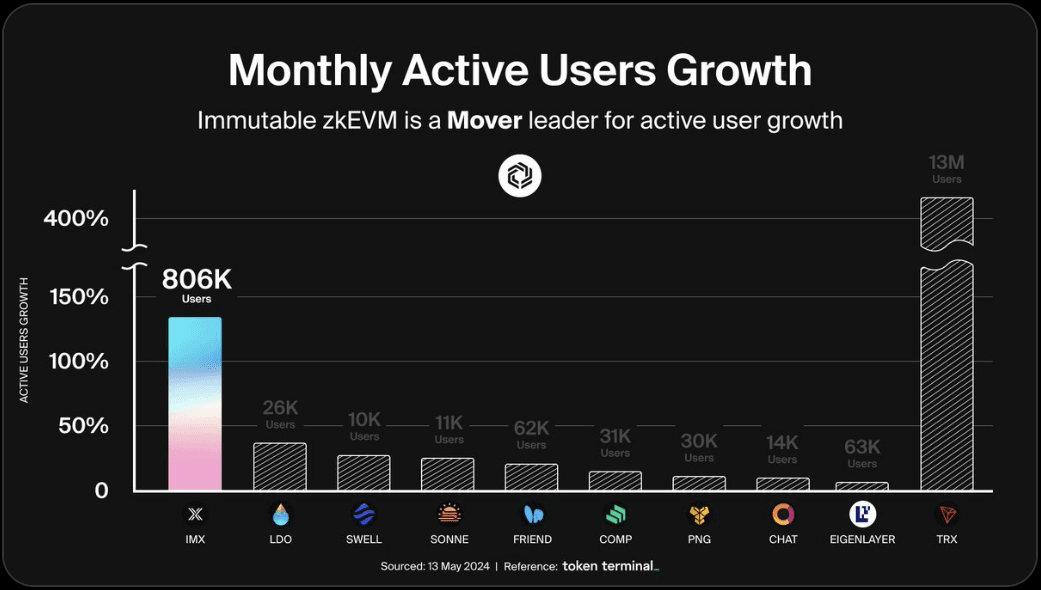
Immutable zkEVM Growth: Monthy Active Users
Increased player retention and engagement
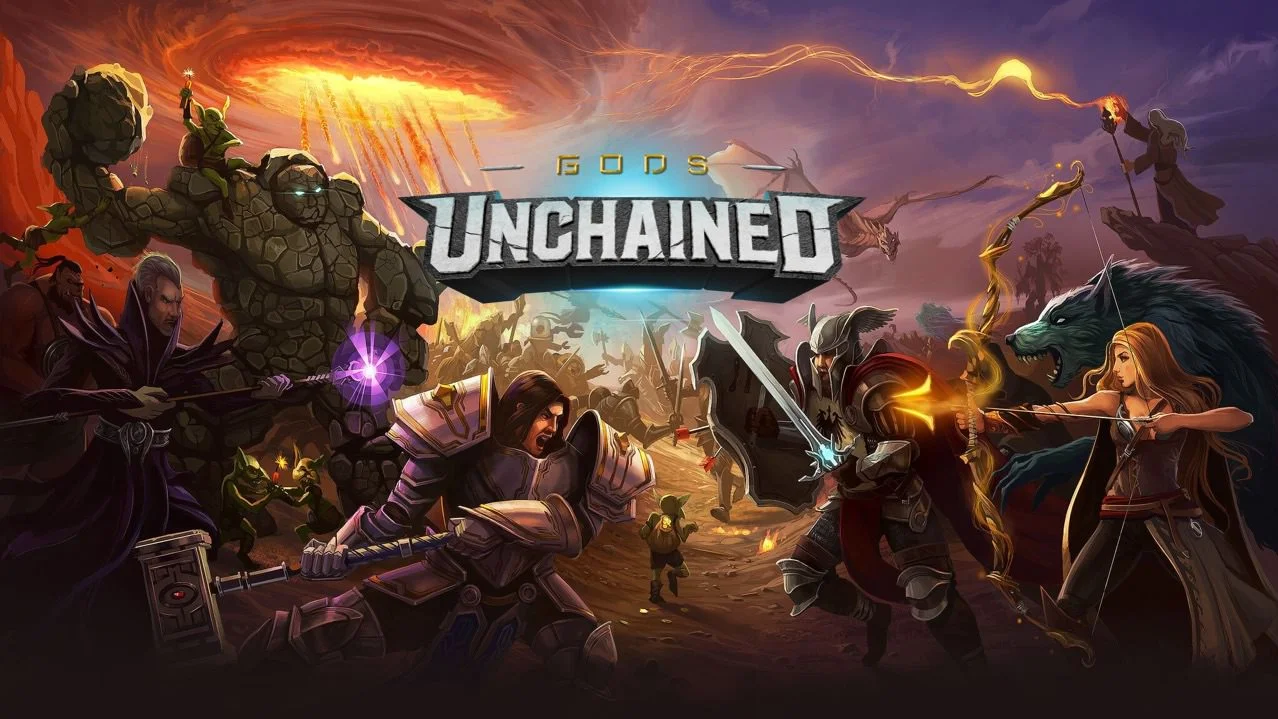
Keeping players engaged is critical, and web3 gaming provides more tools to do that. Immutable's flagship games, Gods Unchained and Guild of Guardians, show this. Traditional games consider a monthly average revenue per user (ARPU) of $20-30 high. New titles might reach $80-120 post-release. Data from Gods Unchained shows web3 gamers transact over $130 monthly, sustained over years, with 24% more daily playtime than top mobile games.
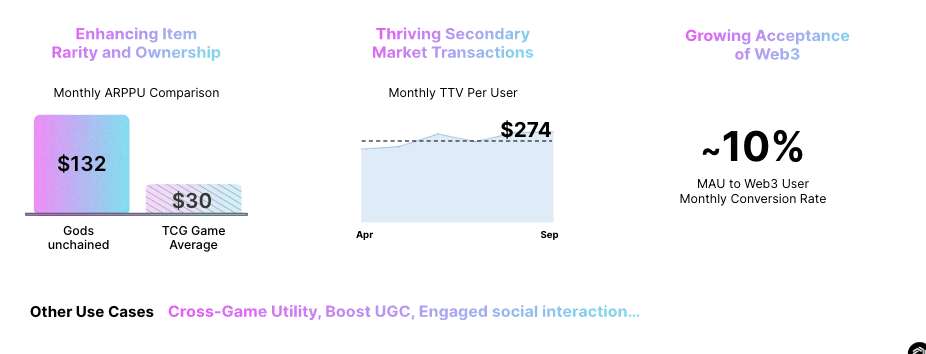
Immutable Data from Gods Unchained
Overcoming challenges and barriers to entry
Onboarding has been a major barrier to mass web3 gaming adoption. Immutable Passport, an authentication solution, simplifies onboarding by offering players a secure digital wallet, fraud protection, and seamless authentication across web3 games and marketplaces. This ease of use is driving growth and attracting game studios.
Robbie predicts over 10 million gamers will be in web3 games by the end of this year. Despite this growth, there are barriers to mainstream adoption. Robbie highlights two primary challenges:
"The main blockers to web3 gaming adoption have been infrastructure readiness (wallet creation) and content readiness (game development time). However, with the launch of products like Immutable Passport, onboarding players is becoming much easier. Additionally, the funding that went into web3 gaming over the past few years is starting to pay off, with high-quality games getting published."
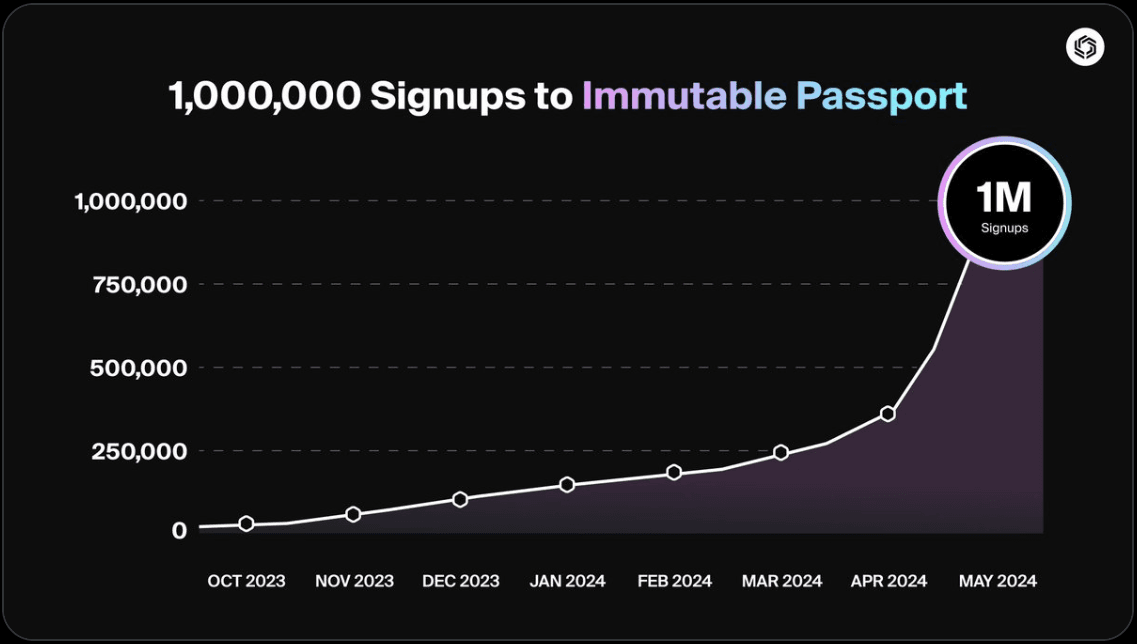
Over 1 Million Immutble Passport Signups
Immutable is addressing these obstacles with solutions like Immutable Passport, which has garnered over 1 million signups, making player onboarding seamless. "To be clear, web3 isn't a genre. It's not a vertical, it's a horizontal. Every multiplayer game should become web3 over time. Hyper casual games have flocked to web3 because the monetization structure is better."
Final thoughts
Web3 gaming is positioned to disrupt the $200 billion-plus gaming industry with significant market opportunities. These findings show the potential of blockchain gaming. The new digital ownership and monetization models, combined with better player retention and engagement, explain why blockchain technology is becoming part of the gaming industry's evolution.
By aligning player and developer interests and simplifying the development process, platforms like Immutable are paving the way for widespread web3 gaming adoption. This shift promises financial growth and changes how games are developed, distributed, and experienced, making blockchain gaming relevant and impactful in today's gaming landscape. This article was inspired by an original blog post, you can read the original write-up here for more information.