Sebastien Borget, Co-Founder and COO of The Sandbox, Co-Founder of ArtVerse, and President of the Blockchain Game Alliance, recently shared insights on LinkedIn addressing the current state of web3 gaming. With extensive experience bridging blockchain technology and interactive entertainment, Borget examines the sector's inherent risks, the value of learning from failure, and the structural gaps holding back blockchain-based games.

Understanding Risk and Growth in Web3
Risk vs Growth in Web3
Game development carries significant risk regardless of the model. Web2, Free-to-Play, Premium, Play-to-Earn, or web3—the odds of commercial success remain low across the board. Most projects never reach a sustainable player base, and shutdowns happen constantly. Borget points out that this isn't a blockchain-specific problem. It's the reality of gaming as a whole: even strong concepts frequently fail to find an audience.
Borget frames failure as a necessary component of progress. Each unsuccessful project teaches development teams what doesn't work, allowing them to iterate and improve. This cycle of experimentation and refinement drives the industry forward, especially in spaces shaped by emerging technology.
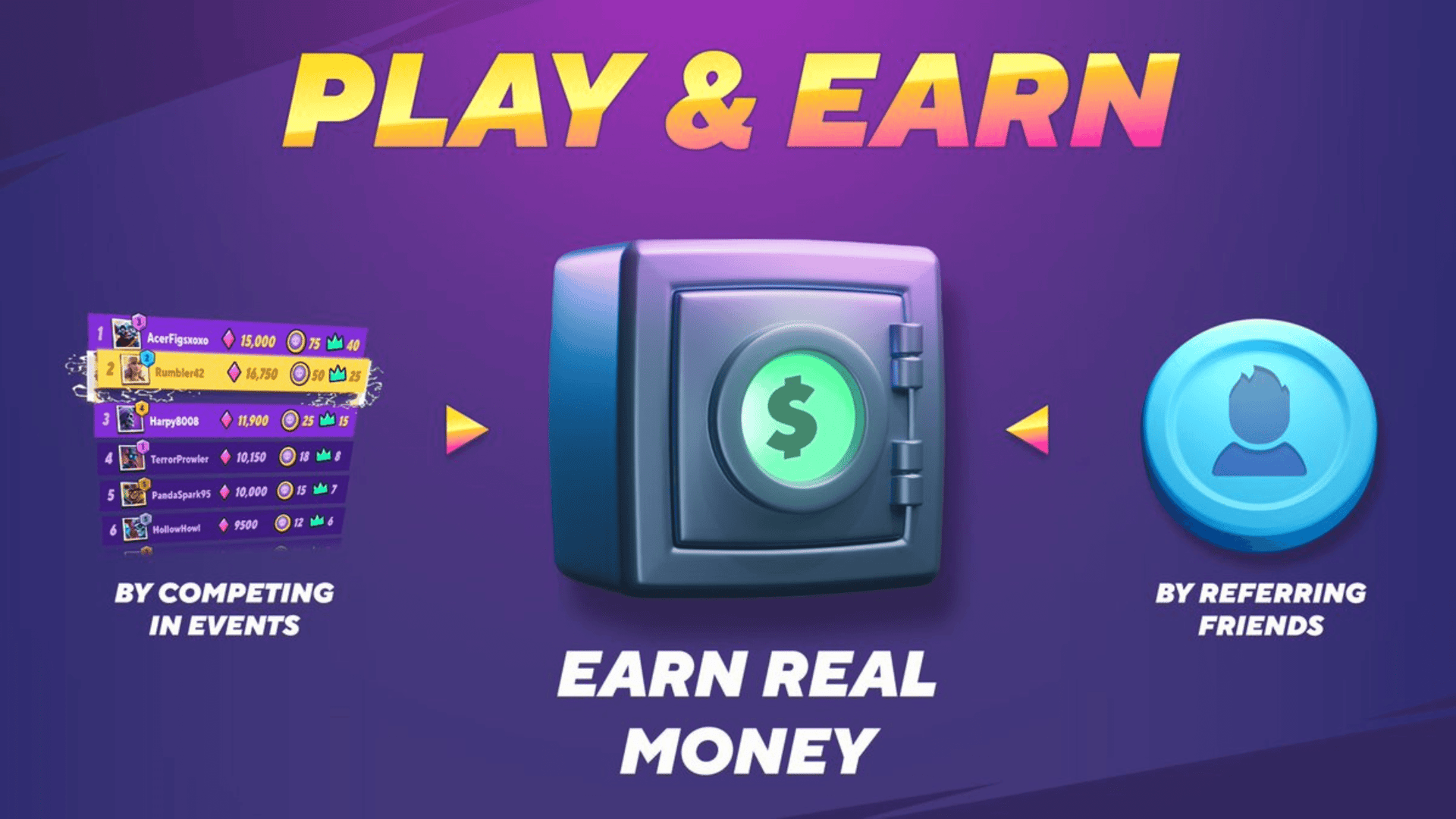
Rumble Arcade New Play & Earn Campaign
The Role of Innovation in Web3 Gaming
Crypto games stand apart through blockchain features like digital asset ownership and token economies. These mechanics create new ways to play and monetize, but they also add layers of complexity. Borget questions whether this extra innovation makes web3 games more vulnerable to failure than traditional titles.
Blockchain features can deepen player engagement and unlock alternative revenue streams, but they don't guarantee success. Integrating these systems complicates development and raises the barrier to entry for players unfamiliar with decentralized tech. Borget views these obstacles as growing pains in a young industry still finding its footing.

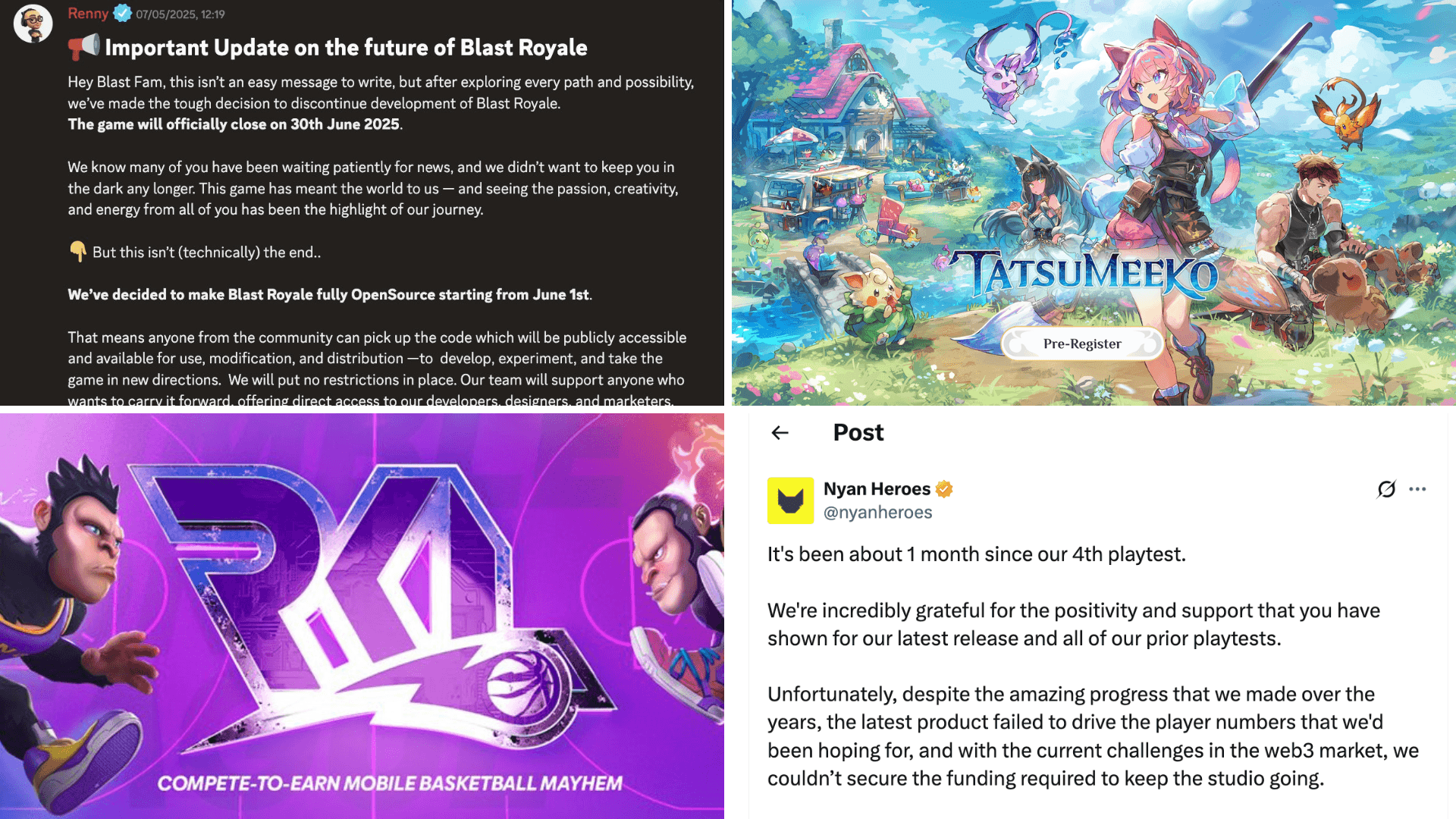
Four Web3 Games Shutdown in One Week (May 20th 2025)

Fun and Engagement Remain Central
Borget emphasizes that no platform or technology matters if the game isn't fun. Success comes down to how long players stick around and whether they spend money. These metrics reflect whether a game delivers an experience worth returning to. For web3 games, blockchain features alone won't carry a weak design. Developers need to prioritize gameplay and player satisfaction if they want to build lasting engagement and revenue.
The Missing Role of Distribution Platforms
Borget highlights a gap in how blockchain networks support game distribution. In the early days of console and mobile gaming, platform holders like Apple, Nintendo, PlayStation, and Xbox invested heavily in helping developers reach players. They built infrastructure and provided visibility, which drove adoption across the board.
Blockchain networks haven't filled that role. Borget notes that the expected network effects—where users and value move seamlessly across games on a shared chain—haven't materialized. Many web3 games struggle with visibility and user acquisition as a result. This limits the liquidity and network potential that blockchain was supposed to unlock.

Generic Xbox Image
Looking Toward the Future of Web3 Gaming
Borget remains optimistic about web3 gaming's long-term trajectory despite current limitations. He acknowledges the industry is still early and expects blockchain networks to eventually step up their support for developers. As the ecosystem matures, improvements in user experience, platform infrastructure, and game quality should make web3 gaming more viable and attractive.
Web3 gaming faces high failure rates, development complexity, and limited platform support. But these challenges aren't unique to blockchain. They mirror patterns seen throughout gaming history. Borget's takeaway: treat failure as part of the process and keep the focus on building games people actually want to play. As the technology evolves, new business models will emerge—if developers can clear the current hurdles.