User-generated content (UGC) is becoming an increasingly important element in the gaming and media industries, offering new ways for audiences to engage with intellectual property (IP) and contribute to the development of games and stories. From fan-created mods to interactive narratives, UGC is reshaping traditional content creation models and offering new opportunities for both creators and brands.
Transmedia storytelling and UGC
Transmedia storytelling, where narratives extend across different forms of media, is gaining momentum, as seen in the success of games like Five Nights at Freddy's and Indiana Jones. These examples show how cross-platform engagement enhances the reach and appeal of stories. UGC has also grown alongside this trend, as millions of fans participate in creating content related to their favorite games or media properties.
The intersection of fandom and content creation, particularly through mods, represents a promising development in gaming. The ability for fans to produce new experiences and contribute to the stories they love is central to the shift in how content is shared and consumed in the gaming world.
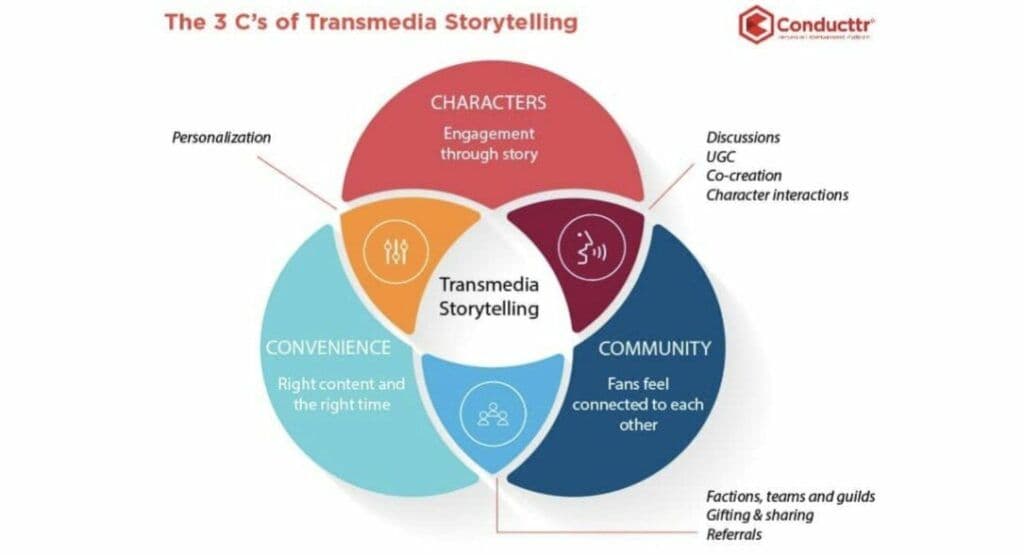
The Three C's of Transmedia Storytelling

Extending IP lifespans
One significant benefit of UGC is its ability to extend the life of games and keep players engaged long after the initial release. UGC allows creators to quickly generate and share high-quality content without the need for long development cycles associated with traditional updates.
The tools available today make it easier for users to produce content that stays true to the original IP while providing fresh experiences for players. UGC fosters a sense of community by inviting players to participate in content creation. "Creators can produce something people want to consume, which helps to expand the game and engage more people," explains Uri Marchand, CEO and co-founder of Overwolf.

User-Generated Content
What is playable media?
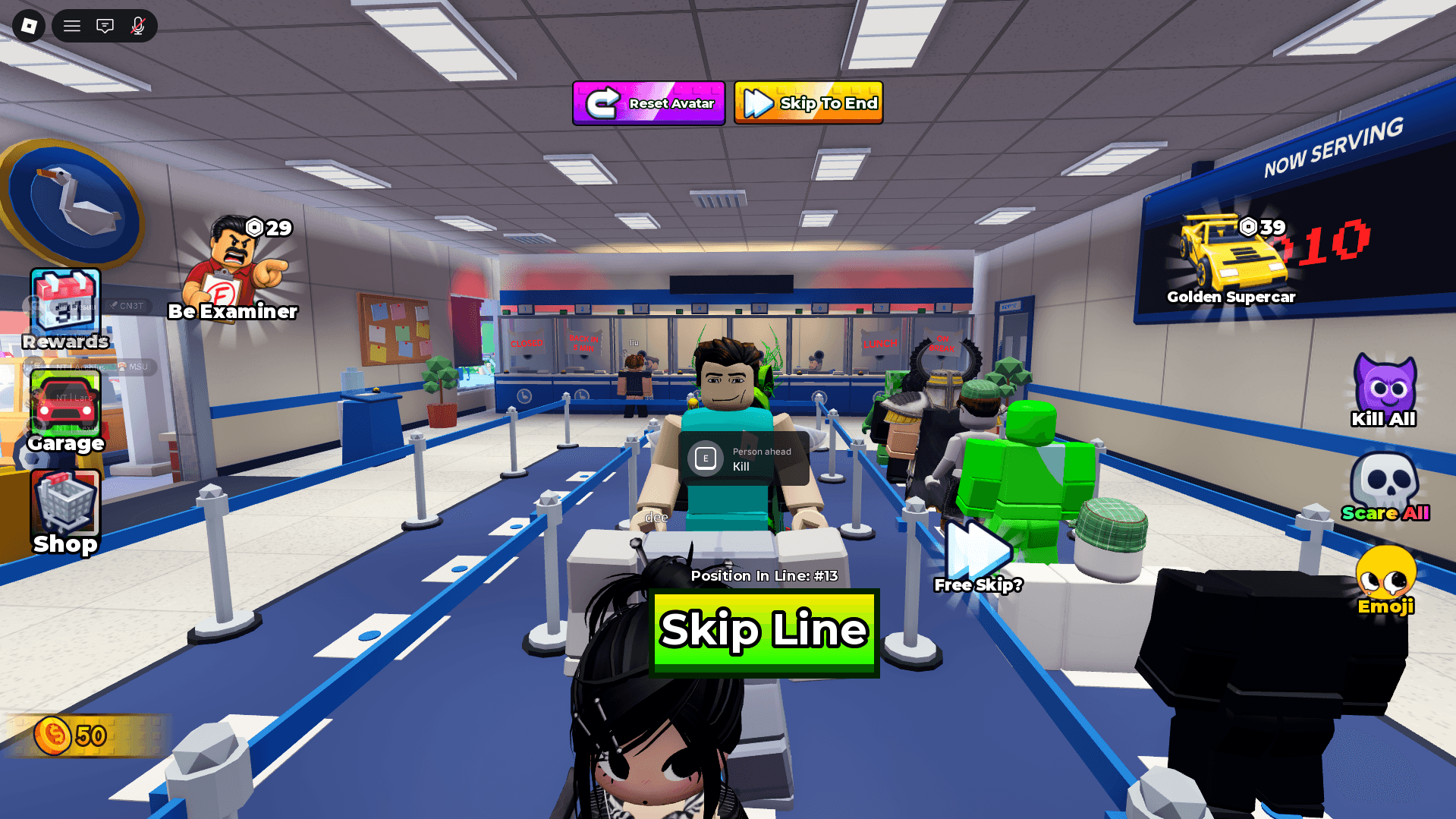
Playable media is another area where UGC is making an impact, merging traditional cinematic storytelling with interactive gameplay. The integration of well-known characters into platforms like Roblox offers new ways for players to experience and interact with media. The potential for users to shape the direction of stories through their actions is also an important aspect of this form of media, as it deepens player engagement with the narrative.
The ultimate goal is to allow players to influence the story through their actions, which would further personalize the gaming experience. This blend of storytelling and gameplay creates opportunities for a more immersive experience, as players are no longer just passive consumers but active participants in the unfolding narrative.
Power of UGC in Gaming
Protecting IPs while promoting UGC
While UGC can offer significant benefits, it also raises concerns about the protection of intellectual property. IP holders emphasize the importance of balancing creative freedom with brand protection. "There are always limits to what can be done with IP," explains Eugene Evans from Wizards of the Coast, referring to the need for safeguards to maintain the integrity of the original content.
While allowing fan engagement through mods and other user creations is beneficial, there must be oversight to ensure that the IP is used respectfully. The challenge lies in allowing users to contribute creatively while preventing content that might damage the reputation or direction of the original brand.
The evolution of UGC business models
Though UGC is not a new concept, the way it is monetized is evolving. In the past, many creators worked on UGC projects without financial incentives. Today, however, studios are increasingly finding ways to reward creators for their efforts. Overwolf, for example, paid creators $200 million in 2024, demonstrating the significant financial potential of UGC. Creators who earn income through their work, such as one Ark creator who made $50,000 selling mods, are a sign of the growing legitimacy of UGC as a business model.
However, monetizing UGC remains a complex challenge. While platforms that facilitate user content creation have seen considerable growth, companies still face difficulties in developing a predictable and sustainable revenue model. Progress has been made, but it remains hard to predict the financial outcomes of UGC in the same way as traditional media platforms.
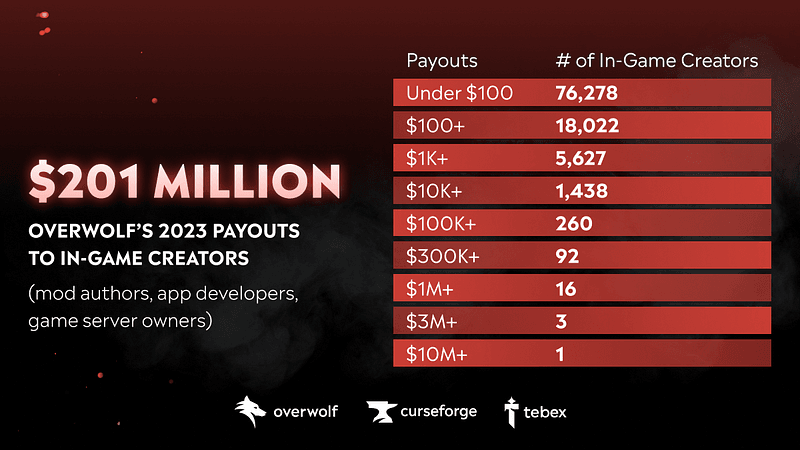
Overwolf paid Creators $201 Million in 2023
Final thoughts
User-generated content is playing an increasingly central role in shaping the future of gaming and media. It not only enhances the engagement and longevity of games but also opens new avenues for creators to contribute to the content they enjoy. As UGC continues to evolve, it will likely redefine how games and stories are developed, distributed, and consumed. Both creators and IP holders are navigating this shifting landscape, exploring ways to foster creativity while protecting brand integrity and developing sustainable business models.