
The numbers tell a brutal story. Six years into the current console generation, with no new hardware on the horizon and prices that have nearly doubled since launch, US console sales have collapsed to levels that nobody in the industry wants to talk about.
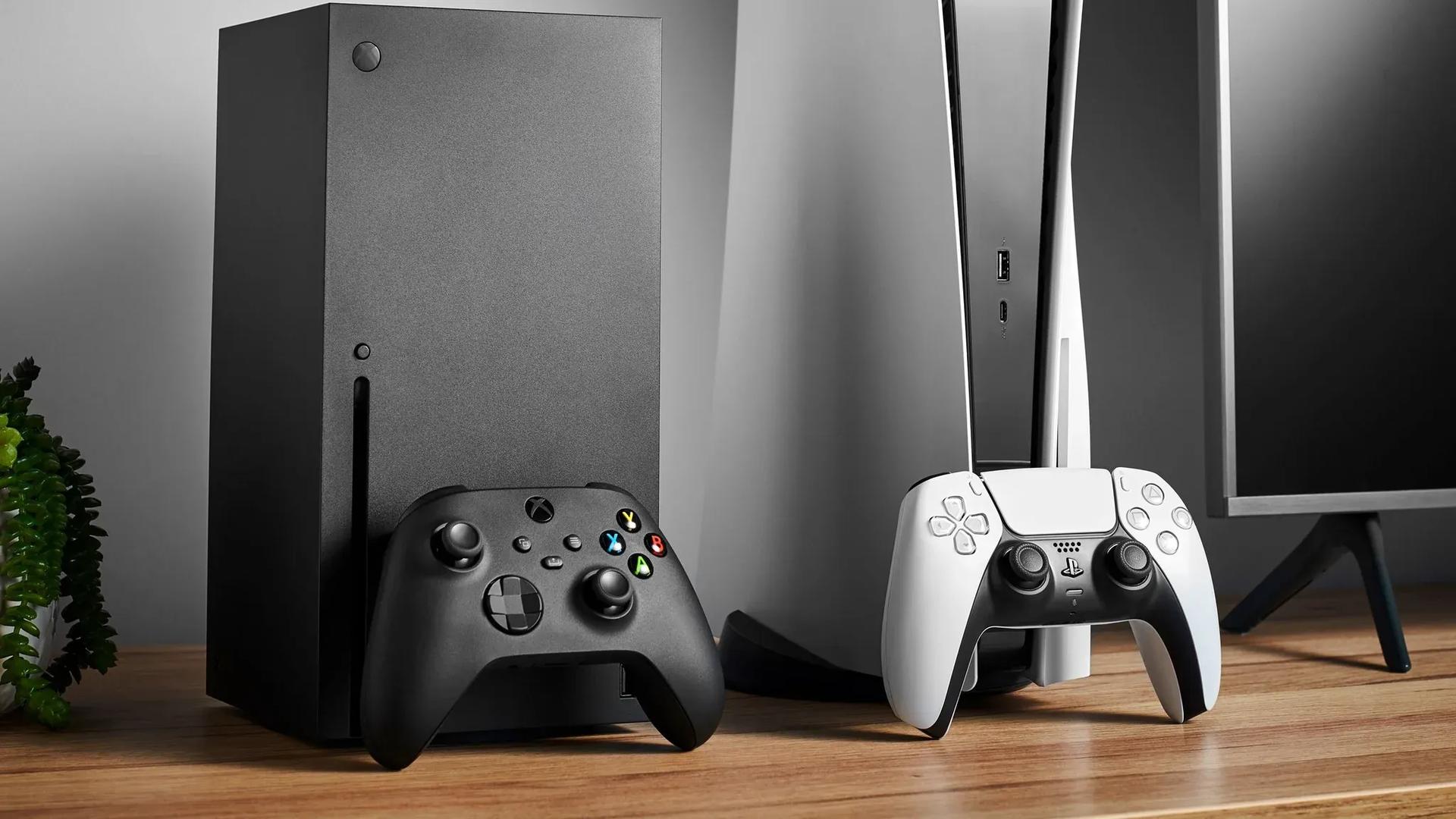
Circana's US Retail Tracking Service data for 2026 year-to-date through August shows Xbox hardware sales down 33% year-over-year, landing at an all-time low. PlayStation is down 25% over the same period, its worst performance since 2013. That 2013 comparison matters: the PS3 era was winding down with the PS4 launch just weeks away. There is no PS5 successor waiting in the wings this time.
The price hikes that broke consumer patience
Here's the thing: the sales numbers make complete sense once you look at what these consoles actually cost right now.
On the Xbox side, the Series S launched at $300 in 2020 and now sits at $500 for the 512GB model, with the 1TB version at $600. The Series X Digital 1TB went from a $450 launch price to $750. The disc-equipped Series X 1TB launched at $500 and now costs $800. The 2TB Series X has been discontinued entirely because the price point became untenable.
PlayStation's trajectory is similar. The PS5 Digital 1TB launched at $400 and now runs $600. The disc version went from $500 to $650. The PS5 Pro 2TB launched at $700 in 2024 and has climbed to $900, with used units showing up at GameStop for around $1,400 because new stock is nearly impossible to find.
The average selling price for Xbox consoles is up 26% to $529. PlayStation averages $597, a 20% increase. Both figures are at all-time highs for their respective platforms, at precisely the moment when sales are at their lowest.
Consoles are supposed to get cheaper over time. Price drops are how manufacturers expand their install base in the mid-to-late cycle. The current generation has done the opposite, repeatedly, and the market is responding accordingly.
What could shift the trajectory before next-gen arrives
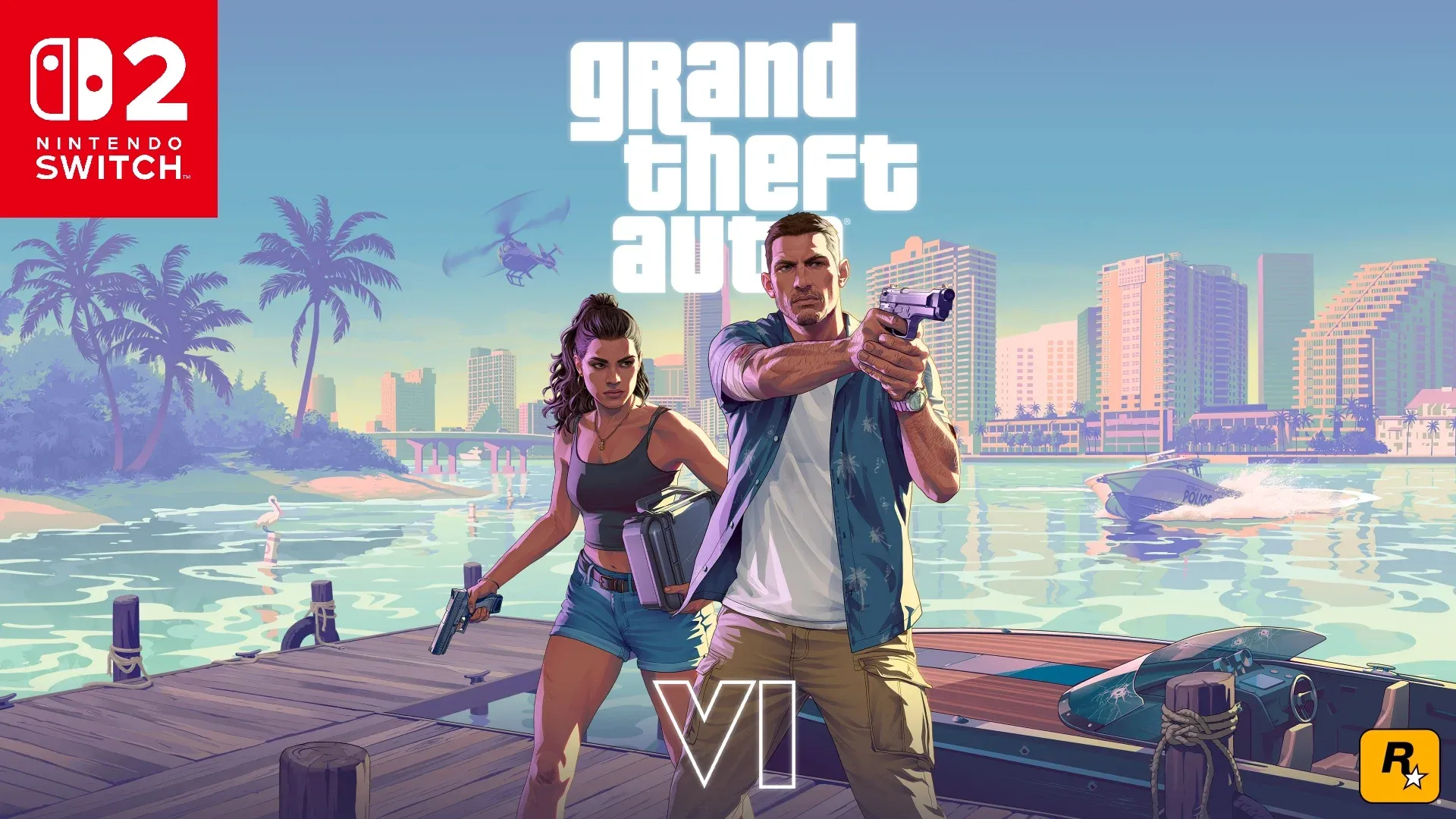
The one near-term catalyst the industry is watching is GTA 6, which launches in November and releases exclusively on PlayStation and Xbox, with no PC version at launch. The theory is that a title of that magnitude could push consumers who have been sitting on the fence to finally buy in. Given the scale of the GTA franchise, it is a reasonable hope. Given the current price points, it is also a tall order to ask players to spend $600 to $800 just to play one game.
Longer term, both platform holders are working on next-generation hardware. Xbox is developing what is internally referred to as the Helix family of devices. If you want a sense of what the current Xbox hardware ecosystem looks like in practice, the ChainStaff ROG Xbox Ally X settings guide gives a good picture of how players are navigating the platform's portable-adjacent options right now. Sony is working on the PS6. Neither has been officially announced with a timeline.
With current hardware already pushing $800 and component costs still elevated, the next generation faces a genuinely uncomfortable question: do these consoles launch above $1,000, or do manufacturers absorb massive losses per unit to keep prices accessible? Neither option is clean.
The broader picture for players right now
For anyone still on the fence about current-gen hardware, the value proposition has rarely been harder to justify on price alone. The library is strong, and titles like the survival horror experience covered in the Hollowbody: Before You Buy guide show that developers are still building compelling exclusive-adjacent experiences for PS5 and Xbox Series X. But the hardware cost is a genuine barrier.
The US market has not been in a more precarious position since the early 2010s, and that was a transition period with a clear successor product on the way. This time, the exit ramp is less visible. Watch the GTA 6 launch window closely. If that does not move hardware numbers meaningfully, the conversation around next-gen pricing and timing will get significantly louder heading into 2027. For more coverage of what is worth playing on current hardware, check out the gaming guides hub for the latest.